
Last updated November 17, 2026








Free written scope consultation - allowances, timeline, and change-order rules on paper before a single trade is scheduled
Construction Warning Signs: A Fremont Homeowner’s Reference Guide
A 1/8-inch crack in a concrete slab is cosmetic. A 1/8-inch crack that widens by 1/16 inch over 90 days is a moving crack, and a moving crack in Fremont’s expansive clay soils means the sub-base is still shifting. The crack width matters less than the trend. Most warning-sign guides jump straight to catastrophic failures that are already expensive to fix. This one covers the early-stage indicators that give a Fremont homeowner a 6-to-18-month window to intervene at repair cost rather than replacement cost. You’ll learn how to measure and date a crack, read drainage before it reaches the foundation, distinguish soft-bay soil behavior in Warm Springs from clay behavior in Mission Hills, and walk into a contractor evaluation with evidence instead of a vague worry.
Quick Answer
In Fremont, the construction warning signs worth acting on are the ones that are changing over time: cracks that widen, soil that bulges, water that ponds longer than 24 hours, and efflorescence or rust staining that appears in new places. A stable, non-widening crack on a 40-year-old slab is usually cosmetic shrinkage. A crack that grows by 1/16 inch over three months, or a retaining wall that leans past 1/8 inch per foot, is structural movement that gets cheaper to fix the sooner it’s measured.
Styles & brands we work with
- Kitchen remodeling
- Bathroom remodeling
- Home additions & ADU
- Roofing
- Windows & doors
- Driveway & pavers
- Fence
Table of Contents
- How do you tell a cosmetic crack from a structural one?
- Fremont soil warning signs: Warm Springs vs. Mission Hills
- Drainage warning signs that precede structural damage
- Retaining wall indicators to check every year
- Roof and building envelope red flags
- Interior signals: doors, floors, and drywall
- What to bring to a contractor evaluation
- A simple annual monitoring calendar
How do you tell a cosmetic crack from a structural one?
Crack width alone tells you very little. A 1/16-inch hairline crack that has been in the same place for a decade is almost always cosmetic shrinkage from concrete curing. A 1/32-inch crack that wasn’t there three months ago and is now 1/16-inch is far more significant, because it’s moving. The question to ask is never “how wide is this crack” but “is this crack still moving.”
Pattern tells you where the movement is happening. Use this as your reference:
- Diagonal cracks running from the corner of a window or door toward the ceiling or floor usually indicate differential settlement, where one part of the foundation is dropping relative to another. In Fremont this is a common pattern in older single-story homes built on fill.
- Step cracks that follow the mortar joints in a brick or block wall are the signature of settlement or lateral soil pressure. A step crack is usually structural.
- Horizontal cracks in a foundation stem wall or basement wall are the one pattern that almost always means business, usually lateral soil pressure or a failing retaining condition. These get a professional look promptly.
- Hairline map cracking spread evenly across a driveway or patio surface is your standard shrinkage finish, and it’s a maintenance item, not a repair.
Here’s a monitoring method we recommend to every Fremont homeowner, and it costs nothing. Use a pencil to mark a fine line across each crack perpendicular to its length, write the date next to each mark, and measure the gap between the two legs of the mark with a cheap plastic feeler gauge every 30 days. Three dated marks over 90 days tell you whether the crack is stable, seasonal, or progressive. A crack that moves only in late summer is usually clay shrinkage reacting to moisture; a crack that only widens is structural.
Fremont soil warning signs: Warm Springs vs. Mission Hills
Fremont sits on two very different soil profiles, and the warning signs mean different things depending on which one your house is on. Knowing your soil type focuses your attention.
In Warm Springs and the low ground near the bay, the soil tends toward soft bay mud and engineered fill. The risk there is consolidation: soft soil slowly compressing under a house’s weight over decades. The warning signs are whole-house settlement patterns. Doors that stick seasonally and never quite recover, floors that slope toward one corner, and slab cracks that run parallel to exterior walls are common indicators. On soft bay soils, foundation movement tends to be slow and widespread rather than dramatic and localized.
In Mission Hills and the higher ground toward the hills, the soil is expansive clay that swells when wet and shrinks when dry. The risk there is differential movement: one side of the house heaving or dropping more than the other as clay moves through wet-dry cycles. Warning signs on clay are more variable. Cracks that open in the dry months and close in the rainy season, patio slabs that lift and settle seasonally, and fencing that tilts back and forth over a year are typical. Clay soil flatwork tends to move as a unit, so a slab that lifts a half-inch in August and settles back in January is behaving as expected, while one that lifts and never returns is a sign of sub-base failure.
One practical point for Fremont homeowners: a structural movement issue and a flatwork issue get different contractors. If the concern is a driveway or patio slab, Driveway & Pavers in Fremont covers how we assess sub-base before resurfacing. If the concern is the house itself, that’s a foundation specialist conversation. Don’t let a flatwork issue get priced as a foundation repair, or vice versa.
Drainage warning signs that precede structural damage
Water is the most predictable structural enemy a Fremont home has, and better than half the foundation problems we see got their start with drainage that stopped working quietly. Watch these three indicators in order of how early they appear.
- Ponding duration. Water standing anywhere within 6 feet of the foundation for more than 24 hours after rain is a warning sign. Two inches of ponding that drains within a few hours after a storm is fine. Ponding that survives 48 hours means the grade has flattened, the soil is compacted, or an outlet is stopped. In Fremont’s rainy season, a persistently ponded spot is the single most useful early signal.
- Efflorescence. That white, chalky deposit on brick, stucco, or concrete slab edges is mineral salt being pushed to the surface by water moving through the material. Efflorescence high on a wall is often just surface splash. Efflorescence at the base of a wall or along a foundation line is a sign of consistent water migration through the masonry, which eventually degrades the mortar and the concrete.
- Rust staining on concrete. Orange-brown staining on a slab edge, driveway, or footing face is the corrosion of the steel rebar inside. Rebar expands when it rusts, which cracks and spalls the concrete from the inside. Rust staining on a foundation wall is a sign that the steel reinforcement is no longer protected, and it needs a look before spalling starts.
The fix for most of this is grading and drainage: re-sloping the soil to fall away from the house at roughly 6 inches over the first 10 feet, clearing gutter downspouts to discharge well away from the foundation, and confirming any French drain outlets are still open. None of that is exotic, and the cost of re-grading a side yard is a fraction of what foundation underpinning costs.
Retaining wall indicators to check every year
Fremont has thousands of retaining walls holding back the hillside lots in the Mission area and the engineered terraces in newer developments. A retaining wall is one of the few structures where annual inspection is genuinely cheap and a missed warning sign is genuinely expensive. Three measurements cover it.
Forward lean. Stand back from the wall and use a 4-foot spirit level held vertically against the wall face to read the lean. A lean under 1/8 inch per foot is normal for many older masonry walls and can be monitored. A lean of 1/4 inch per foot or more is act now, not monitor, because the wall is approaching a tipping axis. Measure and date it the same way you’d measure a crack.
Weep hole blockage. Weep holes are the weep drains in the wall face that let trapped water escape. If they’re plugged with soil, roots, or paint, hydrostatic pressure builds behind the wall while it looks perfectly fine from the front. A blocked weep hole dripping nothing after a heavy Fremont rainstorm is a warning sign you can spot with a flashlight.
Soil bulge behind the wall face. Stand behind the wall and look for bulging in the soil directly behind the top course. A bulge that pushes the top course out of line is a sign of active pressure on the wall, not just weight behind it. A wall leaning forward at the top with visible soil bulge behind it is a call today situation, because the failure mode is sudden.
If your retaining wall is a timber or low-garden wall under about 2 feet tall, the risk profile is low and a decade of neglect is survivable. Above 4 feet, in clay soil, with visible lean, it’s a different category. If you’re already planning to deal with wall-adjacent fencing, Fence Installation in Fremont covers how we handle post footings on sloped and unstable ground.
Roof and building envelope red flags
Roof and envelope warning signs are quieter than foundation movement and easier to catch early if you know where to look. The pattern of where a leak shows up almost always points to the cause.
- Ceiling stains that grow at a seasonal edge. A stain that spreads in the first rain after a dry summer is usually a failed flashing, not a failed shingle. Fremont’s dry-season heat expands and contracts the roof, and the flashing at chimneys, skylights, and wall intersections is the first thing to separate.
- Granule loss in the gutters. Dark shingle granules piling up in the downspout valleys are the shingles breaking down from the top surface. On a GAF or Owens Corning asphalt roof, this is the most reliable early indicator that the shingle is aging, distinct from damage.
- Attic moisture, especially after heavy rain. A quick look in the attic after a storm will show you the underside of the roof deck. Any dark staining, damp sheathing, or visible water coming through a fastener line is worth fixing now, before the deck sheathing rots and turns a flashing repair into a roof section replacement.
- Perimeter stucco and window flashing. In Fremont, stucco homes on the edges of new developments sometimes show water staining below a window corner or at the top of a wall. That’s usually a window flashing issue that gets more expensive every season it’s deferred.
Roof work has real fall hazards, and a roof surface that looks solid from the ground can be soft enough to fail underfoot. We recommend assessing a roof from the ground with binoculars and from inside the attic, and leaving the roof walk to a licensed professional with fall protection.
Interior signals: doors, floors, and drywall
Interior warning signs are the most commonly reported and the most commonly misinterpreted. Sticking doors get blamed on “settling,” which is often true, but whether the sticking is seasonal or progressive tells you what to do.
A door that sticks in October and frees up in January is a seasonal moisture-cycle signal. That’s the building moving with the soil, not a structural failure. Adjust the strike plate and keep monitoring. A door that sticks a little more each year and never frees up is a progressive movement signal, and it deserves a measurement.
The same logic applies to drywall. A diagonal drywall crack at a door corner that appears once and stays the same width is a one-time stress crack. A crack at the same corner that reappears after every patch is an active movement crack. Use the same pencil-line-and-date method you’d use on a slab. Drywall cracks in a straight vertical line at a wall-to-wall joint are usually a substrate issue, not foundation movement, so don’t let them pull you into a foundation conversation.
Floors. A floor that feels bouncy in one spot versus the rest of the room is a joist or subfloor signal, not a foundation signal. A floor that’s level but visibly slopes as a whole room is more likely a foundation or framing issue. The difference between the two is the kind of observation worth writing down with a date so you can present it clearly.
What to bring to a contractor evaluation
The single biggest difference between a diagnostic conversation and a sales pitch is what you bring. Contractors respond to documented facts. Here’s what to prepare before you call anyone.
- A crack log. Photograph each significant crack with a date and measurement. Use the pencil-mark method, and include at least two dated photos of the same crack at least 30 days apart. A photo showing the crack is one thing; two dated photos showing it widening is a case file.
- A measurement log for any lean or slope. For a retaining wall, note the lean measurement and date. For a floor slope, note where it starts and where it stops in the room. Concrete numbers buy you a more focused conversation than “it feels off.”
- A drainage observation log. Note where water ponds, how long it stays after rain, and what the weather was like. Two or three entries are enough to point to the pattern.
- Photos of efflorescence and rust staining. These are the visual clues that indicate water is moving where it shouldn’t, and they make a professional’s early assessment faster and more accurate.
- Your maintenance history. If you’ve re-caulked the windows, re-graded a flower bed, or done anything to a retaining wall, note it. Context matters.
When you call a contractor for a walkthrough, you want a written diagnostic scope. Ask for a line-item written assessment with a flat price before any work begins. Our own approach under the Haven Standard is a written price before work starts, on every trade, plus a documented photo record on every visit so you can see exactly what was found. That record is what you can bring to a second opinion later. If you already have a written estimate from another contractor, we’ll review it line by line as a free second opinion.
A simple annual monitoring calendar
A Fremont homeowner who does these checks twice a year will catch most structural issues well before they become expensive. Put it on the calendar.
October (before the rainy season): measure cracks and log the dates. Check every downspout and confirm water discharges at least 6 feet from the foundation. Walk the retaining walls for lean and weep hole function. Look up at the roof flashing from the ground with binoculars.
April (after the rainy season): re-measure every crack you logged and compare to the October numbers. Look for new efflorescence at the foundation line and rust stains on the driveway. Check for ceiling stains that may have appeared during rain. Look at your drywall corners for new cracks.
The value of this routine is that each April measurement tells you whether the previous six months were a problem. That takes about two hours per year and eliminates the guesswork.
Common Mistakes to Avoid
- Judging a crack by width instead of by trend. A wide, old, stable crack is safer than a narrow new one that’s growing. Measure and date, don’t eyeball.
- Treating a flatwork problem like a foundation problem. In Fremont, a patio slab lifting in clay soil does not necessarily mean the house is moving. Pricing driveway pavers and foundation underpinning are very different conversations. Get both assessed before committing.
- Re-sealing a crack before you’ve logged it. Every sealer applied to a crack erases the evidence. Measure, photograph, and date first, then repair.
- Assuming the soil in Warm Springs is the same as the soil in Mission Hills. Soft bay mud and expansive clay produce completely different failure patterns. The same crack means something different depending on which side of Fremont you’re in.
- Deferring a retaining wall past a 1/4-inch-per-foot lean. Retaining wall failures are sudden and expensive. Annual inspection costs nothing; remediation after a collapse is a much bigger line item.
- Calling a contractor without your photos and measurements. You’re inviting a sales pitch. Show up with the data and you’ll get a diagnostic conversation instead.
- Waiting for water damage to show up inside. Rust staining and efflorescence are early indicators that arrive long before a stain appears on the ceiling.
See the difference
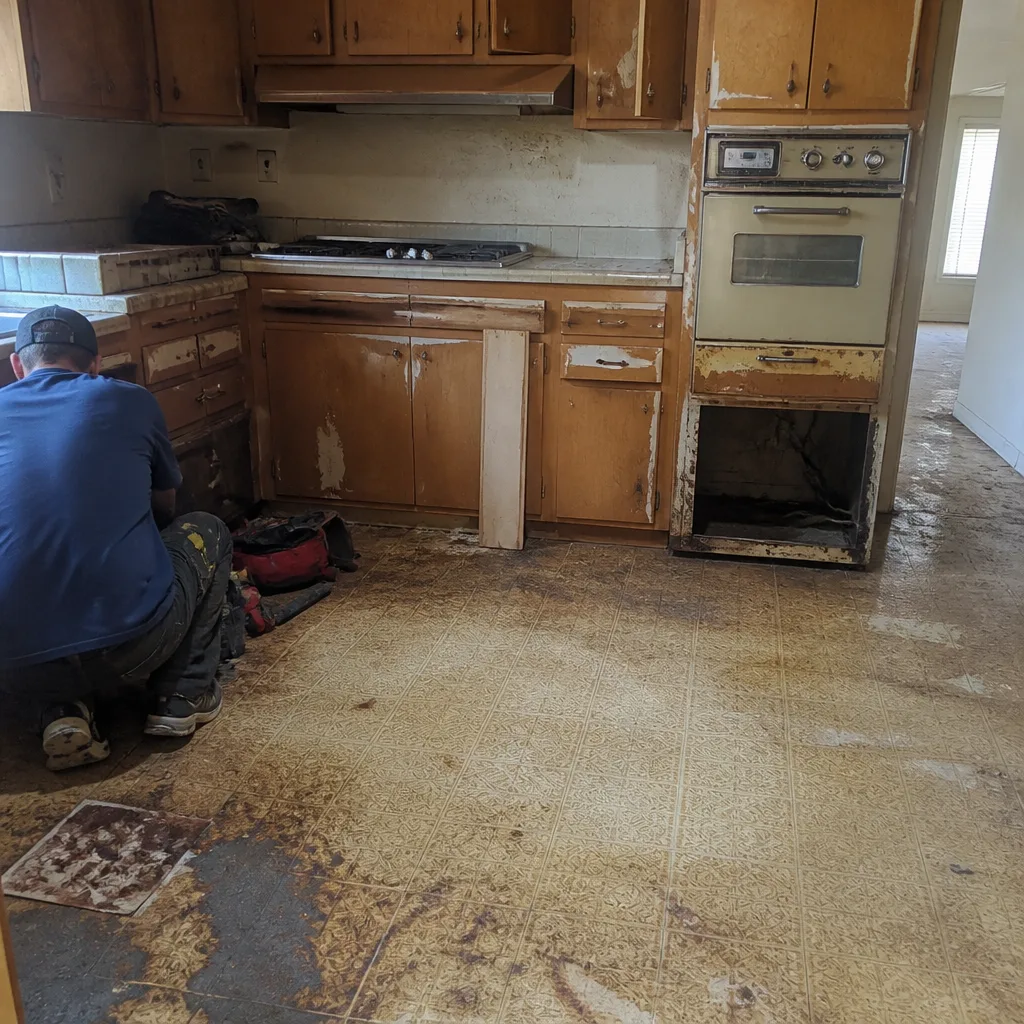 Before
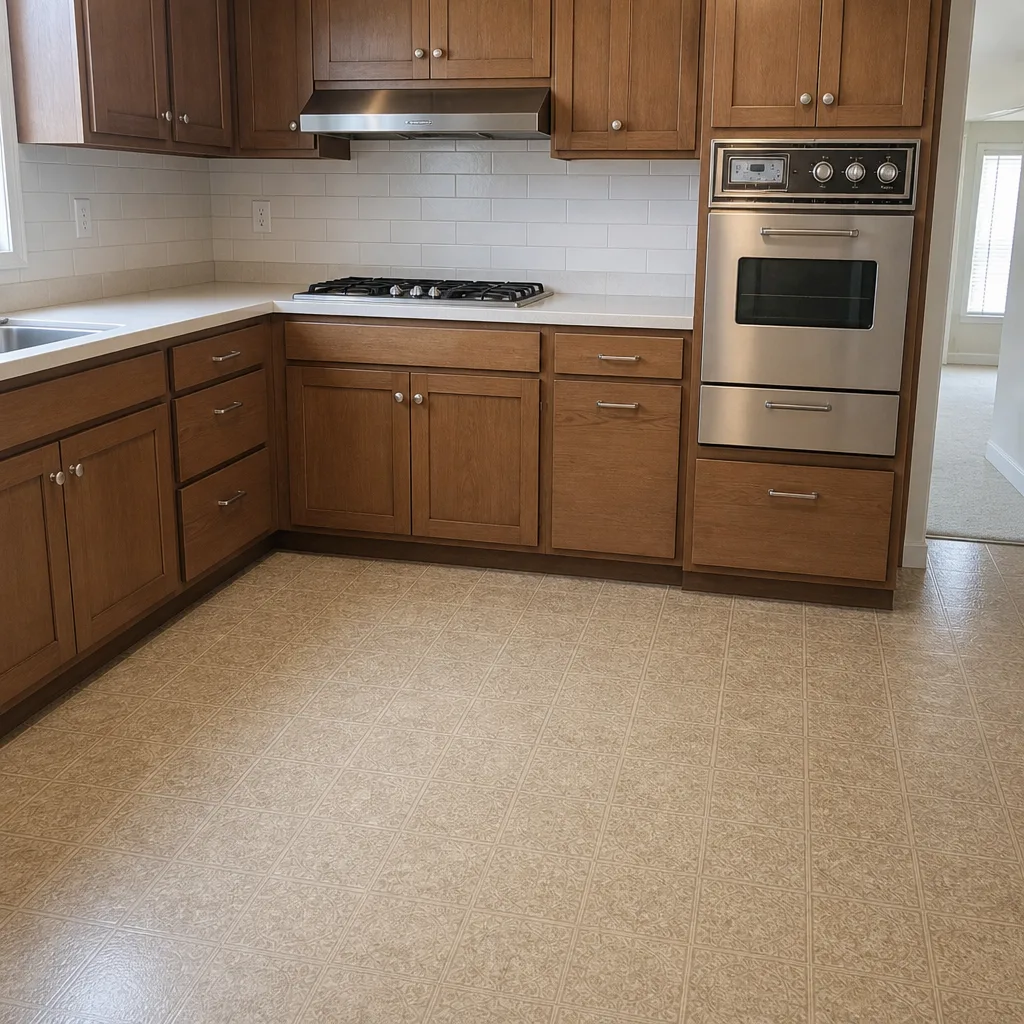 After
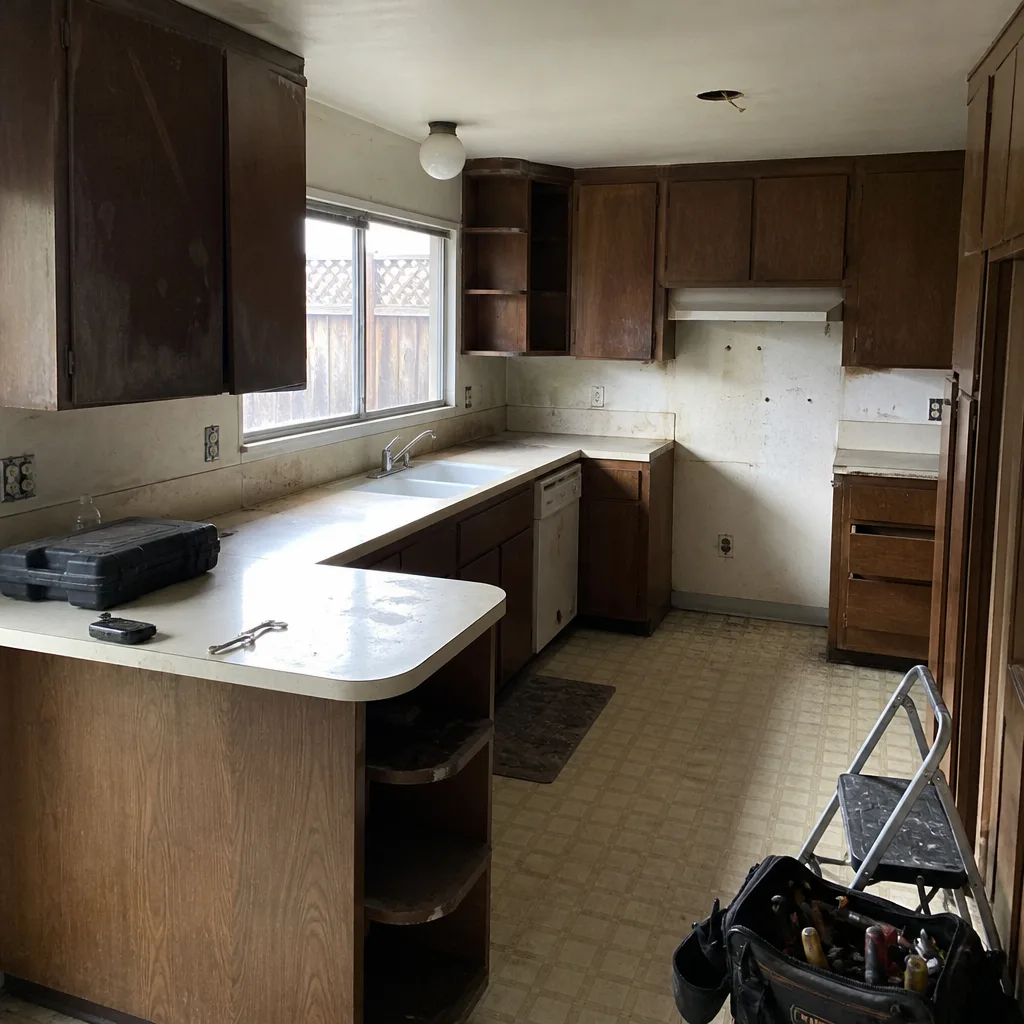 Before
 After
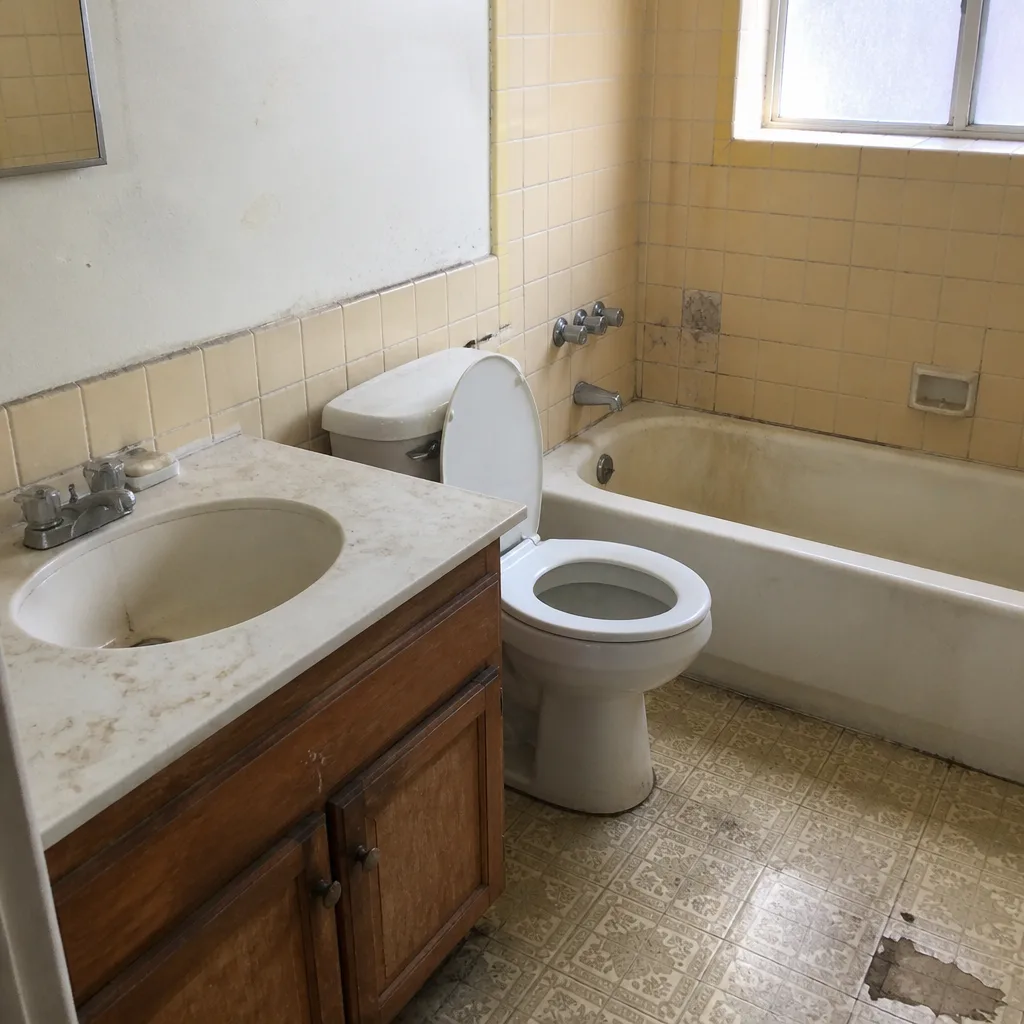 Before
 After
When to Call a Professional
Call a professional promptly if any of the following is true: a crack has widened by 1/16 inch over 90 days; a foundation stem wall shows a horizontal crack; a retaining wall leans 1/4 inch per foot or more, or has visible soil bulge behind the top course; water ponds within 6 feet of the foundation for more than 24 hours after rain; rust staining appears on a footing or slab edge; or a ceiling stain reappears after a patch. For anything on that list, the risk of waiting is real and the cost of an assessment is small. Roof-level issues, retaining wall work above 4 feet, and any foundation concern should be handled by a trained professional; those components have genuine safety stakes and are not a weekend-maintenance category. If the concern is the house itself, a structural specialist is the right first call. If it’s the envelope, Rowan Construction Group Fremont home covers what we assess. Rowan Construction Group Fremont offers free estimates in Fremont; call (866) 797-6171 to schedule a walkthrough.
Frequently Asked Questions

Measure it twice, at least 30 days apart, and compare. A crack that stays the same width is usually cosmetic shrinkage. A crack that widens, especially a diagonal crack from a window or door corner, is a sign of active movement. Document the measurement and date each time so a professional can read the trend.
Warm Springs and low-lying areas near the bay have soft bay mud and engineered fill that tends to consolidate slowly, producing whole-house settlement patterns like floors that slope and doors that never quite free up. Mission Hills has expansive clay that swells and shrinks with the wet-dry cycle, so cracks open in dry months and close in the rainy season. On clay, the warning sign is a movement that doesn’t reverse; on bay soils, it’s a movement that keeps growing.
Ponding that drains within 24 hours after rain is a mild concern, and ponding that persists past 48 hours is a warning sign that should be addressed. Water that stands near a footing drives moisture into the soil and the concrete, and it’s the most common precursor to foundation problems we see in Fremont. Regrading and clearing downspouts is usually the fix.
Hold a 4-foot spirit level vertically against the wall face and read the lean. Under 1/8 inch per foot is monitorable; 1/4 inch per foot or more is act now. Also check that the weep holes are draining and that the soil behind the top course isn’t bulging. Any wall above 4 feet with visible lean deserves a professional look.
Efflorescence is that white, chalky salt deposit on masonry, and it’s evidence that water is moving through the material. High on a wall it’s often just surface splash. At the base of a wall or foundation line, it signals consistent water migration that eventually breaks down the mortar and concrete. That’s why location matters more than the amount.
Start with the flatwork assessment if the crack is in a driveway or patio and the house shows no other movement. If a below-slab sub-base has failed, resurfacing without addressing the base just buys you time. If the driveway crack is accompanied by other movement inside the house, get the foundation assessed first. If you’re already thinking about repaving, Driveway & Pavers in Fremont walks through how we check the sub-base. If you’re planning a larger structural project, Home Additions & ADU in Fremont covers how we approach site conditions in Fremont.
The Bottom Line
Every warning sign in this guide is cheap to monitor and expensive to ignore. Log your cracks with a pencil and a date, measure your retaining walls once a year, watch how long water ponds near the foundation, and photograph efflorescence and rust staining as soon as you see them. The measurement matters more than the appearance, and the trend matters more than the number. A Fremont homeowner who does a two-hour check in October and April will catch most movement issues while they’re still repair-cost problems rather than replacement-cost ones. Bring the evidence to your contractor evaluation and you’ll get a diagnostic conversation rather than a pitch.
Call (866) 797-6171 to schedule your free estimate. Every quote is a written price and written scope before any work begins, and every visit includes a documented photo record.
Written by the team at Rowan Construction Group Fremont.