Last updated November 17, 2026

Free written scope consultation - allowances, timeline, and change-order rules on paper before a single trade is scheduled
DIY vs Professional Bathroom Remodeling: What’s Safe to Do Yourself
Painting a bathroom yourself saves roughly $400. Incorrectly installing a shower pan liner costs an average of $3,200 to remediate once subfloor rot sets in. That gap is the whole argument in one number: the DIY-vs-hire decision in a bathroom isn’t really about skill, it’s about which mistakes are reversible and which ones turn into a permit violation or a torn-out floor. In Fremont, where much of the housing stock dates to the 1950s through 1980s, we see older galvanized supply lines and single-layer subfloors behind more failed DIY shower jobs than any other cause. This guide draws a hard line between the tasks a capable homeowner can safely self-perform and the ones that cost far more to fix than to hire.
Quick Answer
The tasks that are genuinely safe to DIY in a bathroom are painting, mirror and fixture hardware swaps, caulking joints, vanity hardware, and cosmetic updates that touch no water line and no wire. Anything that involves moving a drain, adding an electrical circuit, or building a waterproof shower membrane requires a licensed professional and, in most cases, a Fremont building permit. Tile setting is the gray zone: the tile itself is DIY-friendly, but the waterproofing underneath is where amateur work consistently fails.
Styles & brands we work with
- Kitchen remodeling
- Bathroom remodeling
- Home additions & ADU
- Roofing
- Windows & doors
- Driveway & pavers
- Fence
Table of Contents
- Where Fremont’s Permit Line Actually Falls
- The Five Tasks That Are Safe to Do Yourself
- What California Code Reserves for Licensed Trades
- Why Tile Is the Gray Zone Nobody Warns You About
- A Three-Question Self-Audit Before You Pick Up a Tool
- What a Signed Scope of Work Protects That DIY Cannot
- Common Mistakes to Avoid
- When to Call a Professional
Where Fremont’s Permit Line Actually Falls
A bathroom remodel in Fremont splits cleanly into work that needs a permit and work that does not, and the split is not as obvious as it looks. Cosmetic work generally does not need a permit. Work that touches the plumbing, electrical, or structural systems almost always does.
Here is the practical breakdown we use when a homeowner asks what they can take on themselves:
- No permit needed: Painting, caulking, replacing mirror and vanity hardware, swapping a light fixture cover or vanity light on an existing circuit, replacing a toilet fill valve or flapper, re-grouting tile joints, swapping a faucet aerator.
- Permit likely needed: Replacing a shower pan and liner, moving a drain or supply line, adding a GFCI outlet or new circuit, replacing a water heater, relocating a toilet, cutting into framing, replacing a tub with a walk-in shower, installing a new exhaust fan to the exterior.
- Always permit + licensed trade: Any work involving gas (rare in a bathroom but possible with certain fixtures), any new electrical circuit, any plumbing rough-in that changes pipe location, any structural change to walls or floor joists.
Fremont’s Building Division issues permits through the Alameda County permitting portal, and the typical review timeline for a residential bathroom permit runs a few weeks to a couple of months depending on scope and how quickly the plan check comments resolve. That timeline is one reason homeowners sometimes attempt work without a permit. It’s also the reason a later inspection failure is so expensive: unpermitted work discovered during a resale inspection can halt a sale, and Alameda County can require the work be brought to code at the current owner’s expense, often with double permit fees.
The Five Tasks That Are Safe to Do Yourself
These are the jobs we routinely tell Fremont homeowners to take on themselves if they want to save money. Each one has low reversal cost, requires no permit, and carries almost no moisture or structural risk if done wrong.
- Painting. A bathroom repaint with a proper semi-gloss or satin bath-and-spa finish runs about $150 to $400 in materials for an average Fremont bathroom. The only real risk is drips on tile or fixtures, and that’s cosmetic.
- Mirror installation and vanity hardware. Hanging a framed mirror or swapping drawer pulls is fully reversible. The main caution is anchoring into tile without cracking it, so use a diamond-tipped bit and painter’s tape over the drill point.
- Caulking and re-grouting. Replacing failing caulk around a tub or shower curb is one of the highest-return small jobs in the room. A $15 tube of silicone and an afternoon prevents water from migrating into the wall assembly behind the surround.
- Fixture swaps on existing lines. Swapping a faucet, showerhead, or toilet seat on existing plumbing connections is straightforward and reversible. Turn off the supply first, use new supply lines, and check for weeping at the connection the next morning.
- Vanity light replacement on an existing circuit. Replacing a vanity light fixture where the wiring already exists is a job many homeowners can do safely with the breaker off, using the wire nuts and grounding already in the box. If the box isn’t grounded or you find aluminum wiring, stop and call an electrician.
What California Code Reserves for Licensed Trades
California’s Contractors State License Law requires that any project priced at $500 or more in combined labor and materials be performed by a licensed contractor. That threshold is far lower than most homeowners assume, and it covers most bathroom work beyond cosmetics. More importantly, the code carves plumbing and electrical work out for licensed trades regardless of the dollar amount when the work requires a permit.
What this means in practice:
- Plumbing. Moving a drain, relocating a toilet, replacing a shower valve, or running a new supply line requires a licensed plumber in nearly every case. A failed shower pan liner or a wrongly bedded drain is the single most common source of hidden water damage we find in Fremont homes built before roughly 1985, where the subfloor is often single-layer 5/8-inch plywood or original plank.
- Electrical. Adding a GFCI outlet, a heated floor circuit, an exhaust fan on a new circuit, or a new vanity light circuit requires a licensed electrician. Bathroom electrical code is strict because the room is wet: GFCI protection is required on all receptacles, and every circuit in a bathroom must be protected.
- Mechanical/venting. An exhaust fan that actually vents to the exterior through the roof or a side wall is required by code, and installing one through an exterior wall or roof penetration is a job that risks water intrusion if flashed wrong. This is where we see roof leaks originate on Fremont homes where a homeowner cut in a fan vent without properly flashing the penetration.
The fine structure matters. In Alameda County, unpermitted work carries a permit fee multiplied (often double) plus potential stop-work orders and inspection costs to confirm the work is safe, and the cost of correction if it is not. If the work was performed by an unlicensed contractor, the homeowner has almost no legal recourse to recover damages.
Why Tile Is the Gray Zone Nobody Warns You About
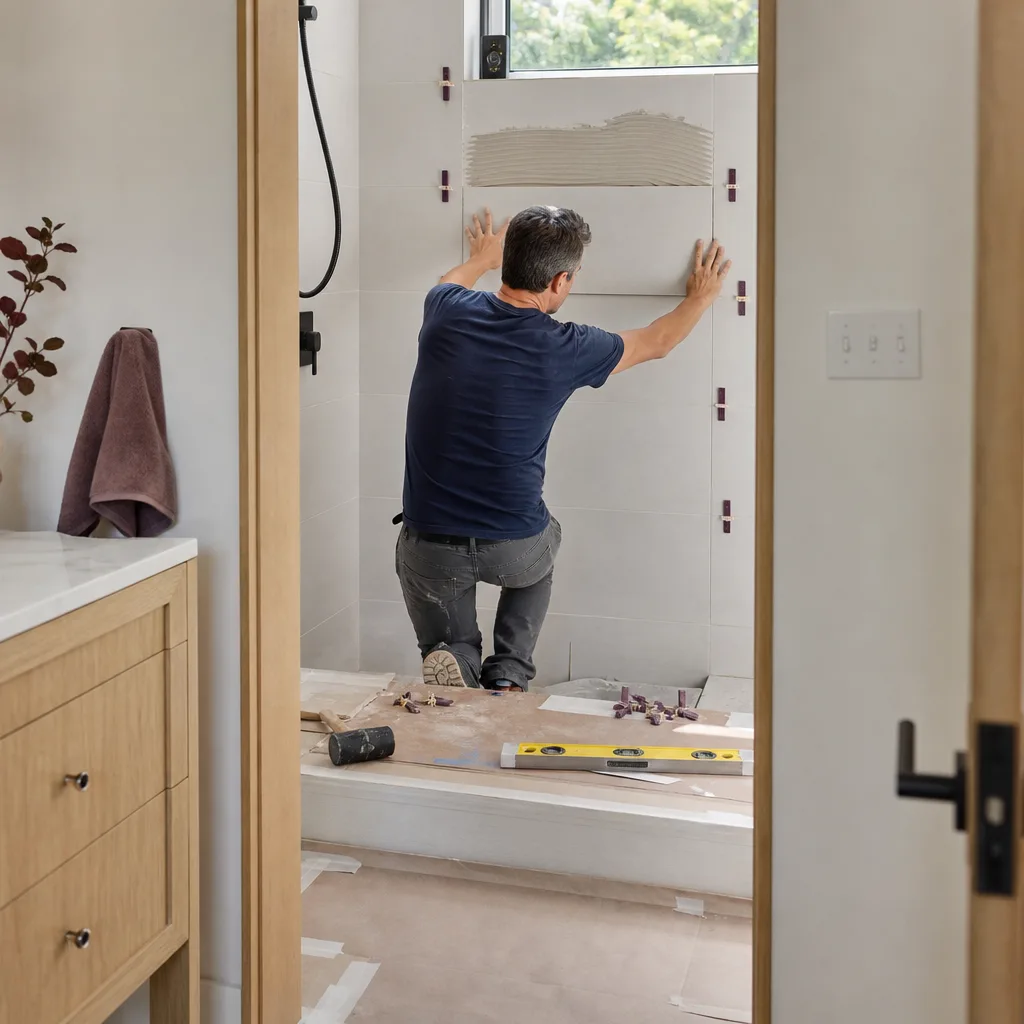
Laying tile is a skill almost any careful homeowner can learn. The part that fails is not the tile – it’s the waterproofing membrane under it. Schluter Kerdi, RedGard, and similar systems all work on the same principle: the wall assembly behind the tile must be separated from water by a continuous, correctly bonded, correctly lapped membrane. That word “continuous” is where amateur installs go wrong.
The failures we see repeatedly in Fremont bathrooms:
- Membrane laps installed backwards. Sheeting must overlap like shingles, with the upper layer lapping over the lower. Reverse the lap and water wicks behind it.
- Thinset consistency wrong at the membrane edge. RedGard applied too thin or over a dusty substrate won’t bond. Kerdi installed with thinset that is too wet creates small voids where water pools.
- Curb and niche penetrations not sealed. The shower curb, the niche edge, and the valve cutout are the three places where water gets behind tile. Each needs specific membrane detailing.
- The preslope missed. A shower pan needs a sloped mortar bed under the liner so water flows to the drain. A flat pan, or one sloping less than 1/4 inch per foot, will pool water above the liner within a season.
- Weep holes blocked at the drain. The drain’s weep holes must stay open so water that reaches the liner can drain out. They get clogged with thinset on almost every failed DIY shower we’re called to correct.
Our experience is that tile set on a properly prepared, professionally waterproofed substrate is something a homeowner can absolutely take on. Tile set over a DIY membrane is where we get called in to tear the whole shower out. If you want the tile work but not the waterproofing, ask a contractor about prepping the substrate only. Rowan’s Fremont home renovation team will quote membrane-and-substrate-only work as a standalone scope if that’s what fits your budget.
A Three-Question Self-Audit Before You Pick Up a Tool
Most homeowners guess at their own competence. These three questions are the ones we use when deciding which parts of a bathroom a client should realistically take on. Answer honestly.
- Do I have the tools, or will I rent them? A wet saw is not optional for a decent tile job, and renting one for a weekend is possible – but a bad saw on a tight layout produces chipped cuts and lippage that no amount of grout will hide. If the answer is “I’ll figure it out,” multiply the timeline by three and expect a call to a pro.
- Have I completed a project of similar complexity end to end? Not “I helped a friend” – a project you personally planned, permitted where needed, executed, and finished. Someone who has never tiled a floor is not ready to waterproof a shower. Someone who has tiled a kitchen backsplash probably is ready for bathroom wall tile, but not necessarily the shower pan.
- Can I explain how a moisture barrier works? If you can’t describe in plain words where water goes after it hits your shower wall, and where it exits the assembly, you don’t yet understand the system you’d be building. That knowledge is the deliverable in shower construction – the tile is just the surface.
If you can answer all three with a confident yes, you’re a candidate for a partial-DIY bathroom in Fremont where a professional handles the plumbing rough-in, the membrane, and the electrical, and you handle the tile, paint, and finish. That split is the one we see produce the best outcomes on a tight budget. If any of those answers is no, the total cost of a DIY attempt including correction is reliably higher than hiring it out.
What a Signed Scope of Work Protects That DIY Cannot
A signed scope of work does three things for you that a DIY project cannot. It transfers warranty responsibility to the contractor. It gives you disclosure material for a future resale. And it fixes the price, in writing, before work starts.
Resale disclosure. When you sell a home in Fremont, disclosure forms ask whether you or anyone else made alterations or additions without required permits. If the answer is yes, you may be required to correct the work before close or disclose it as a known defect, which can affect price and marketability. A signed scope of work, a permit record, and a documented photo record all become the paper trail that makes a bathroom remodel a selling feature rather than a liability. Our Home Additions & ADU team in Fremont runs every project the same way: written scope, signed change orders only, photo record on every visit.
Price certainty. Under Clause 1 of the Haven Standard, the price is written before anyone starts and no change proceeds without a signed change order. That discipline is what has kept 4,000-plus Rowan projects within a few percent of the agreed number. DIY has no equivalent guardrail – budgets balloon quietly as a project moves from a $200 tile repair into a $2,400 subfloor replacement once the first wet spot is found.
We also offer a free second opinion on any written estimate. Bring a competitor’s quote and we’ll review it line by line at no charge.
Common Mistakes to Avoid
- Skipping the permit to save timeline. The timeline to pull a Fremont permit is real, but the correction cost when unpermitted work is caught during a sale in Alameda County is 3-5x the permit fee plus inspection time. Pull the permit.
- Building a shower without a preslope. This is the single most expensive mistake in a bathroom. A flat shower pan under the liner collects water, rots the framing, and requires the entire shower to come out at $3,000-$5,000 remediation.
- Installing a curbless shower without recessing the subfloor. Code requires the shower floor to slope 1/4 inch per foot to the drain, and the recess must account for it. Cutting a floor joist to create the recess can trigger structural repairs.
- Venting the exhaust fan into the attic or crawlspace. Common in older Fremont homes. It dumps gallons of moisture into the attic every year and destroys the roof sheathing. The fan must vent to the exterior through a properly flashed penetration.
- Trusting a wet-set pan tile without checking the dry substrate. We’ve seen showers tiled directly over drywall with no membrane at all. That’s not a small error – it’s a future flood. If you’re buying a home with a recent bathroom remodel, ask for the permit and inspection record.
- Replacing a shower valve without permits. A new pressure-balance valve on existing lines is real plumbing work. Get a licensed plumber.
- Assuming homeowner’s insurance will cover a failed DIY job. Most policies exclude water damage from unpermitted work, work done by an unlicensed contractor, and long-term seepage. That’s the exact failure mode a bad shower pan produces.
See the difference
 Before
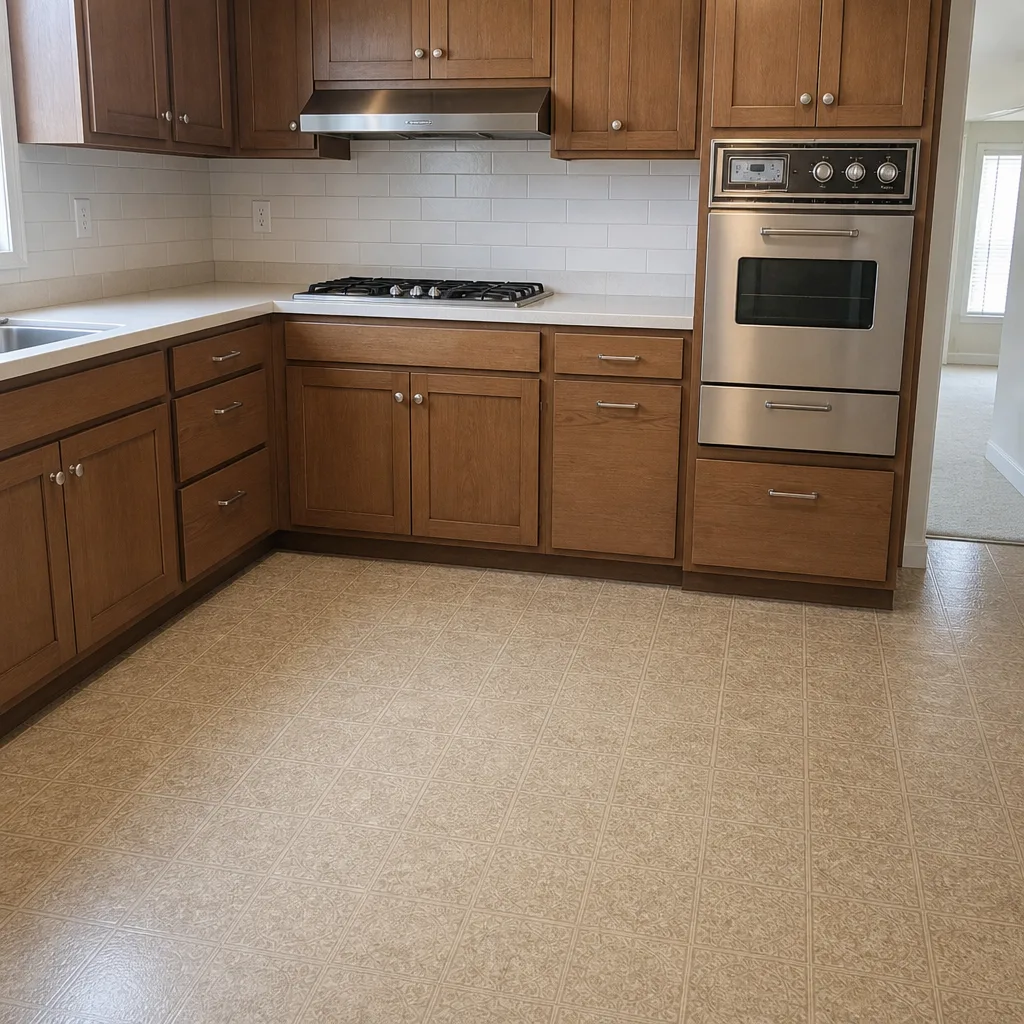 After
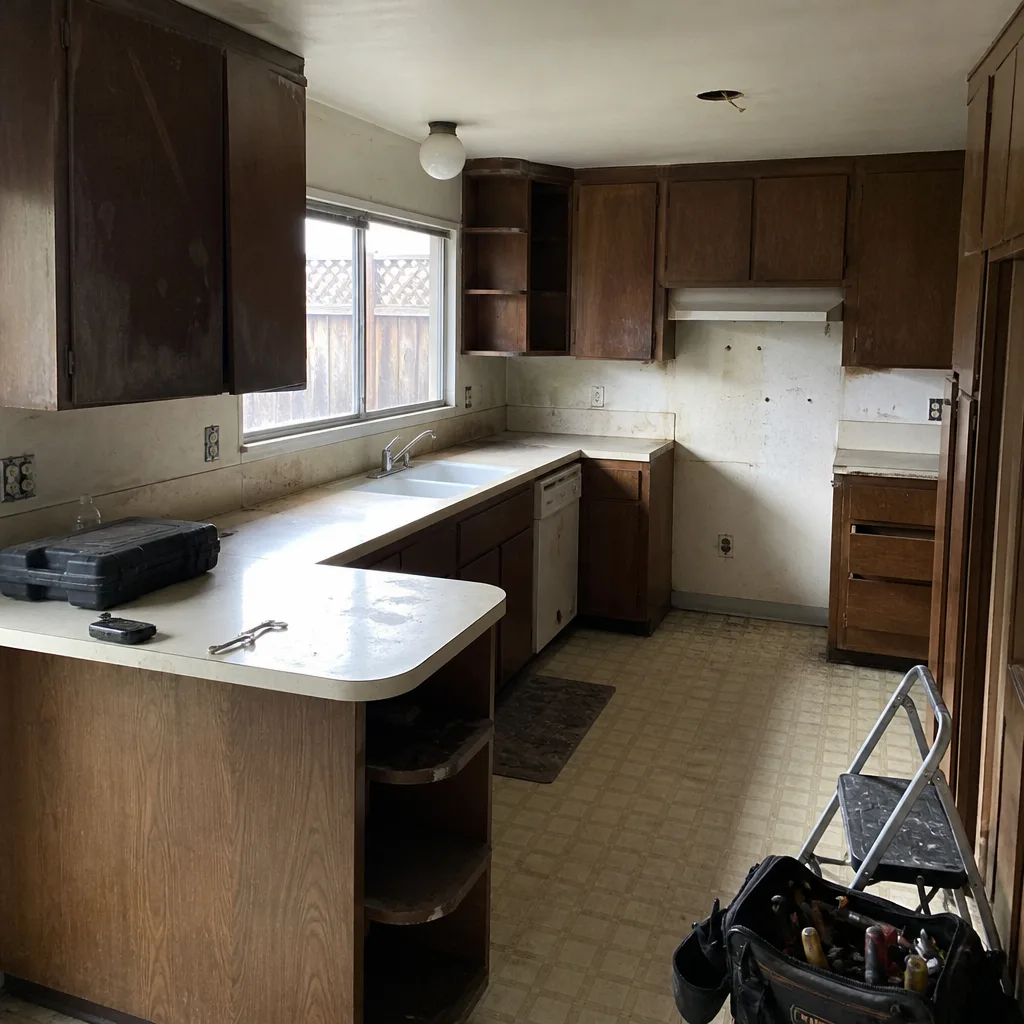 Before
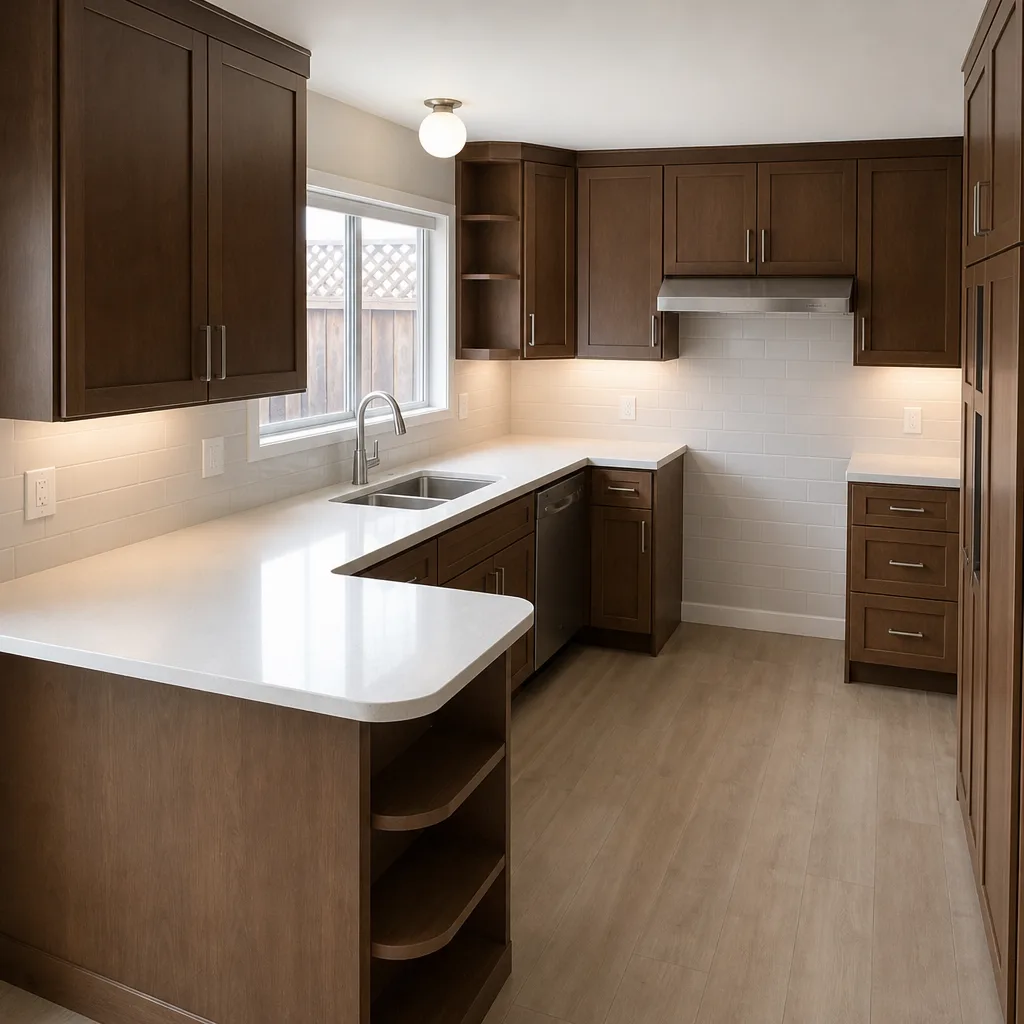 After
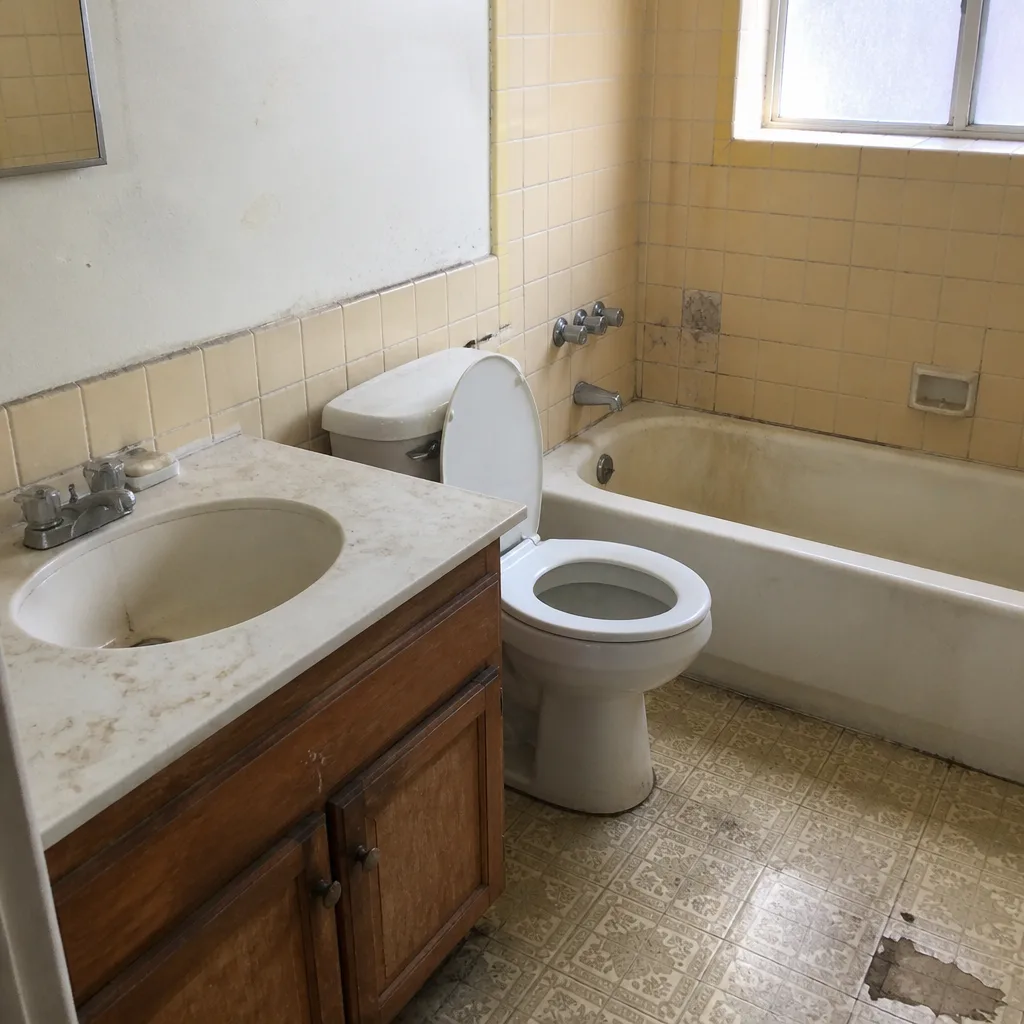 Before
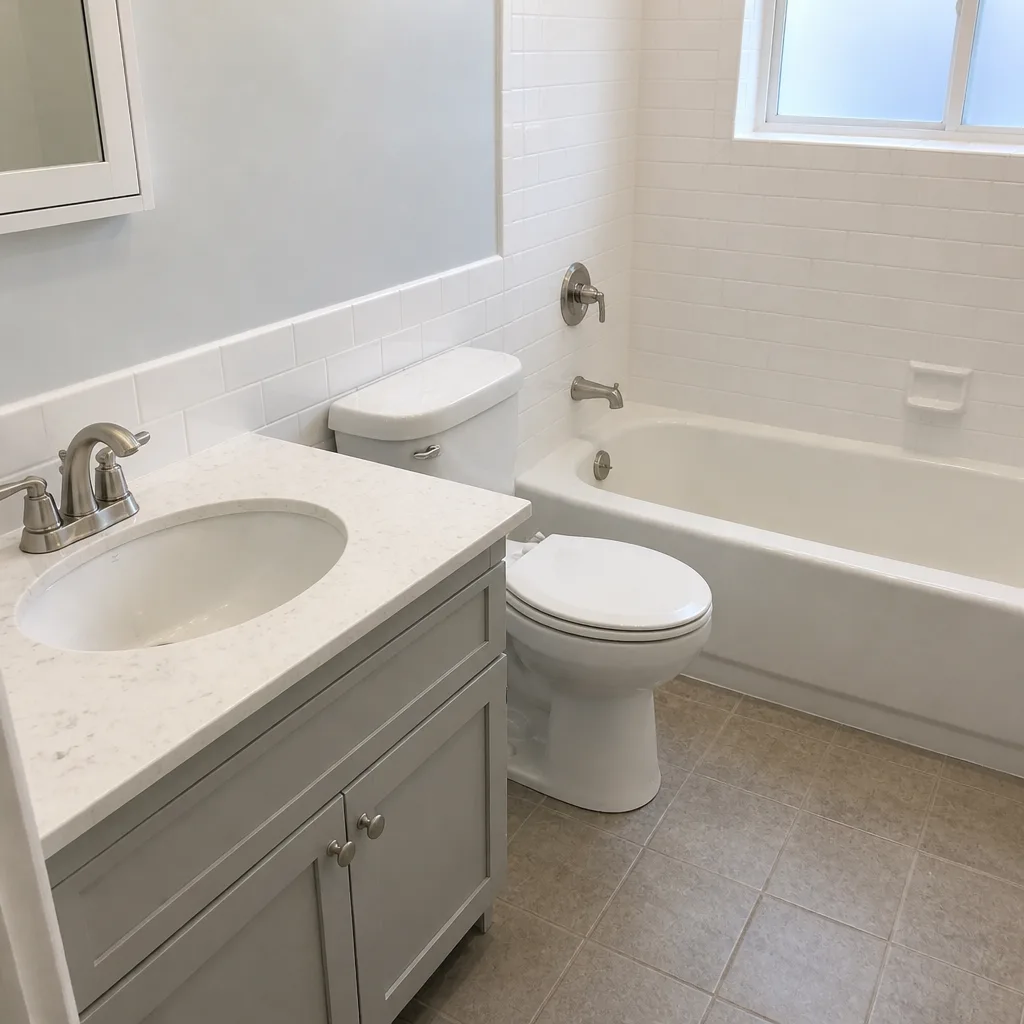 After
When to Call a Professional
Call a licensed professional in any of these scenarios: the work requires a permit (shower rebuild, drain relocation, new electrical circuit); the work involves moving or replacing a shower pan, liner, or waterproofing membrane; you’re not sure whether the substrate under the tile is properly sloped and sealed; you’re installing a new vent fan that requires a roof or wall penetration; or you’ve already started and found something behind the wall you don’t recognize (galvanized plumbing, aluminum wiring, failing framing, mold). Any of these is a sign to stop and get a written scope. Rowan Construction Group Fremont offers free estimates in Fremont – call (866) 797-6171 and we’ll walk your project, deliver a flat written price, and tell you honestly which parts you can do yourself. Our technicians have up to 19 years of experience on bathroom rebuilds and the substrate work behind them.
Frequently Asked Questions
Yes, tiling your own bathroom is legal in Fremont – tiling isn’t a task restricted to licensed contractors under California code. What is restricted is any plumbing rough-in, electrical work, or work triggering a permit. You can tile a shower, but the waterproofing underneath and the drain connection should be done by a licensed professional if you want the work to hold.
Yes. Replacing a shower – even swapping a tub for a walk-in – requires a permit through Alameda County in nearly every case because it involves the drain connection and, usually, the exhaust venting and electrical. Call (866) 797-6171 for a free estimate that includes permit scope, so you know exactly what’s covered before you sign anything.
Remediation of a failed shower pan typically runs $3,200 to $5,500 in Fremont once you include the demolition, subfloor repair, new pan, new liner, new tile, and the permit. The exact number depends on whether the subfloor has rotted and how far the water migrated. Call (866) 797-6171 for an exact figure – estimates are free and we deliver a written price before any work starts.
Yes, swapping a faucet on existing supply lines is safe for a careful homeowner and doesn’t require a permit because it’s a fixture replacement, not plumbing rough-in. Turn off the water at the shutoff valve under the sink, replace the supply lines with new braided stainless, and check the connection for weeping the next morning. If you find corrosion on the shutoff valves themselves, that’s a sign to call a plumber.
You’ll generally need to disclose the unpermitted work on the seller’s disclosure, and the buyer’s inspector will often spot it. Alameda County can require the work to be brought to code at the current owner’s expense, which usually means a retroactive permit at double fee plus any correction costs. That’s why pulling the permit at the start is far cheaper than skipping it.
A full gut bathroom with permits typically takes 6 to 10 weeks in Fremont once the permit is issued – the permit review itself runs a few weeks to a couple of months depending on scope and plan-check rounds. A partial remodel with no structural or plumbing changes can be much faster. Call (866) 797-6171 for a timeline specific to your scope.
The Bottom Line
The DIY-vs-hire line in a bathroom is not about how handy you are – it’s about which mistakes cost more to reverse than to hire correctly the first time. Paint, mirror hardware, caulk, and fixture swaps are yours to take on. Plumbing rough-in, electrical circuits, exhaust venting, and the waterproofing membrane under your tile are the tasks where a $400 savings turns into a $3,200 correction. If your project touches a permit, a water line, or a shower pan, get a written scope from a licensed contractor before you start. Rowan Construction Group Fremont’s free estimate and free second-opinion review give you the honest number first. For the trades around the bathroom, our Driveway & Pavers in Fremont and Fence Installation in Fremont teams work the same way: written price before any work starts, documented photo record on every visit.
Ready to know what your bathroom actually needs? Call (866) 797-6171 for a free estimate with Rowan Construction Group Fremont. We’ll walk the room, hand you a flat written price with a written warranty, and tell you which parts of the job you can keep on your own list.
Written by the team at Rowan Construction Group Fremont.