Last updated November 17, 2026
Free written scope consultation - allowances, timeline, and change-order rules on paper before a single trade is scheduled
Construction Cost Breakdown: The Fremont Homeowner’s Reference for 2026
A concrete driveway that runs $8 per square foot installed in Phoenix runs $14 – $18 per square foot in Fremont. That gap isn’t gouging. It’s union-scale wages, Bay Area material markups, concrete delivery minimums, and Alameda County permit fees each stacking onto the same pour. Homeowners who benchmark a Fremont bid against a national average are negotiating against a number that doesn’t exist here. This reference replaces those national figures with the line-item ranges Fremont contractors are actually quoting in 2026, trade by trade, unit by unit, so you can read a bid and know which line is honest and which line is hiding something.
Quick Answer
Construction costs in Fremont in 2026 run roughly 25 – 40% above national averages because of union-scale labor, Bay Area material pricing, and City of Fremont permit fees. A typical mid-range kitchen remodel lands at $85,000 – $140,000, an ADU at $320 – $480 per square foot, a concrete driveway at $14 – $18 per square foot, and an electrical panel upgrade at $2,800 – $4,500. Every bid you compare should break those numbers into four visible components: materials, labor, permits, and disposal.
Styles & brands we work with
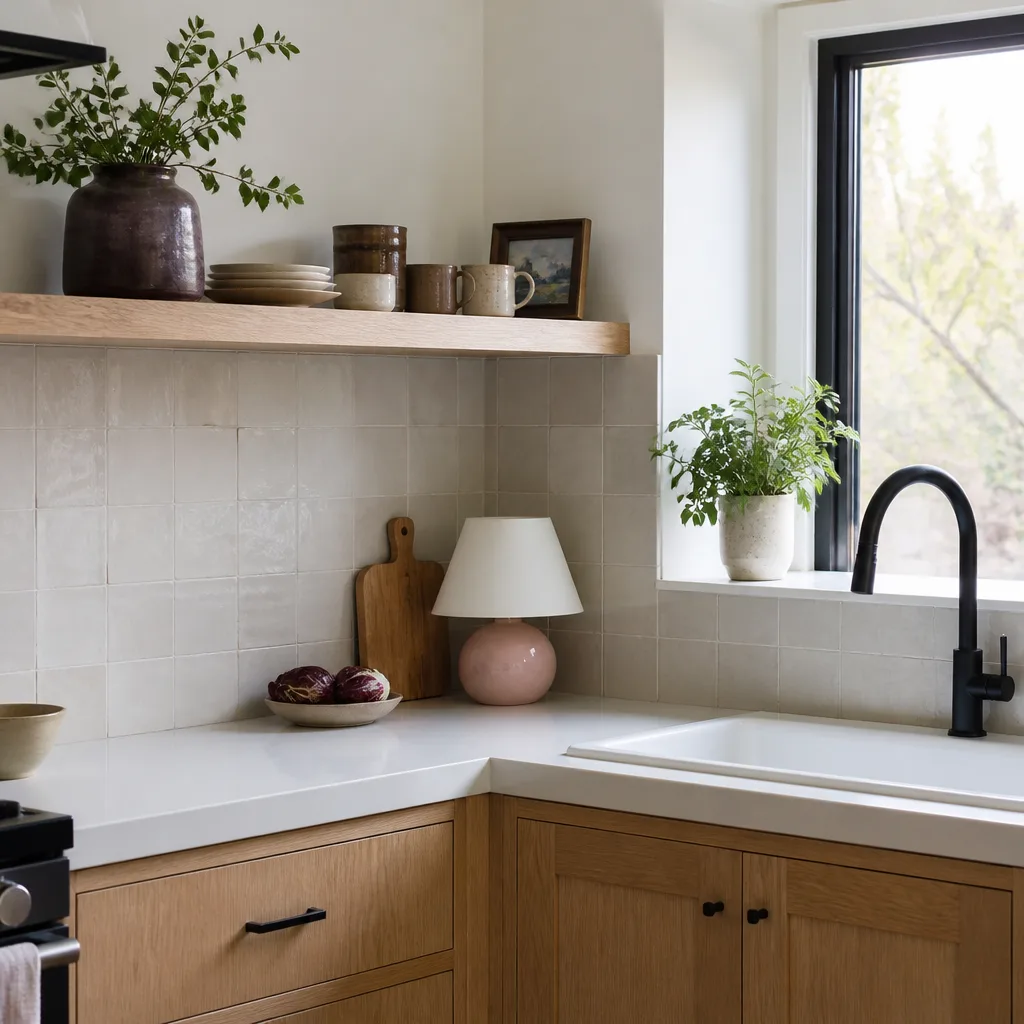
- Kitchen remodeling
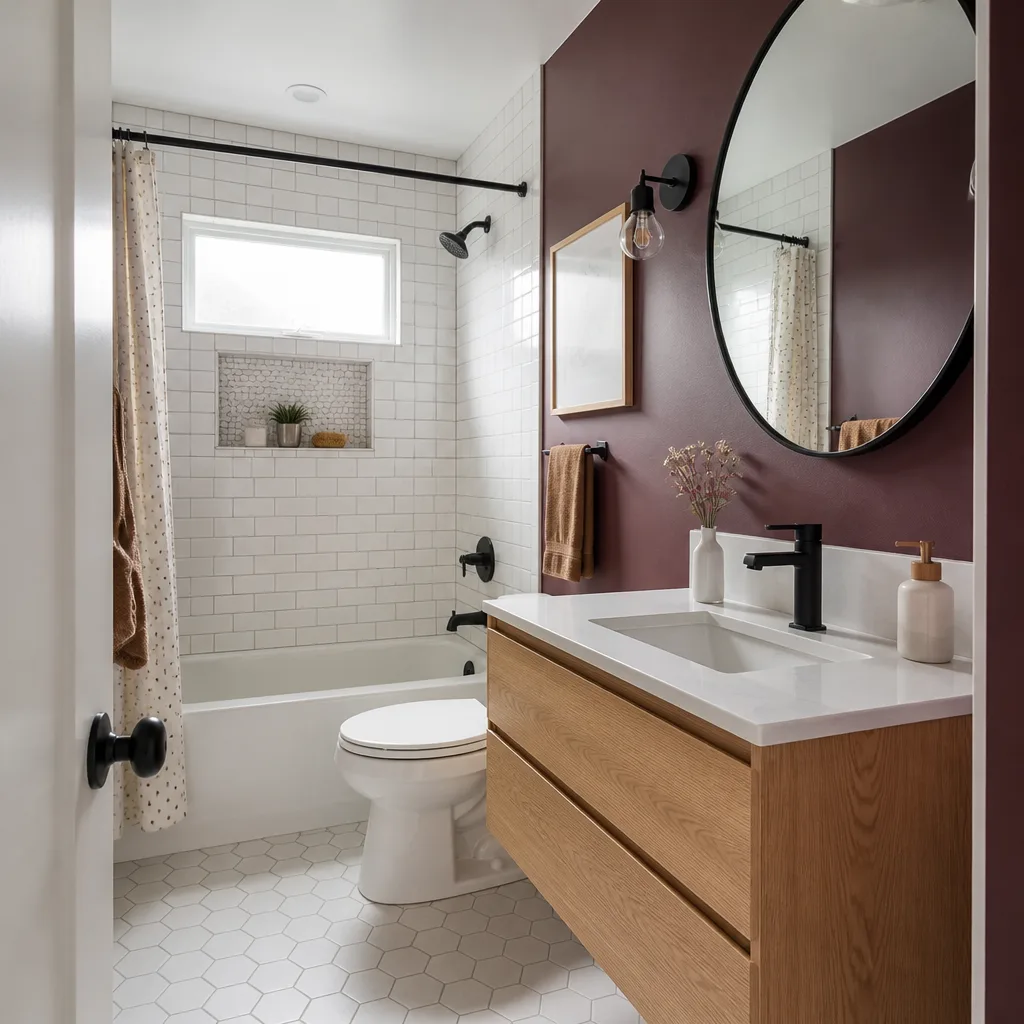
- Bathroom remodeling
- Home additions & ADU
- Roofing
- Windows & doors
- Driveway & pavers
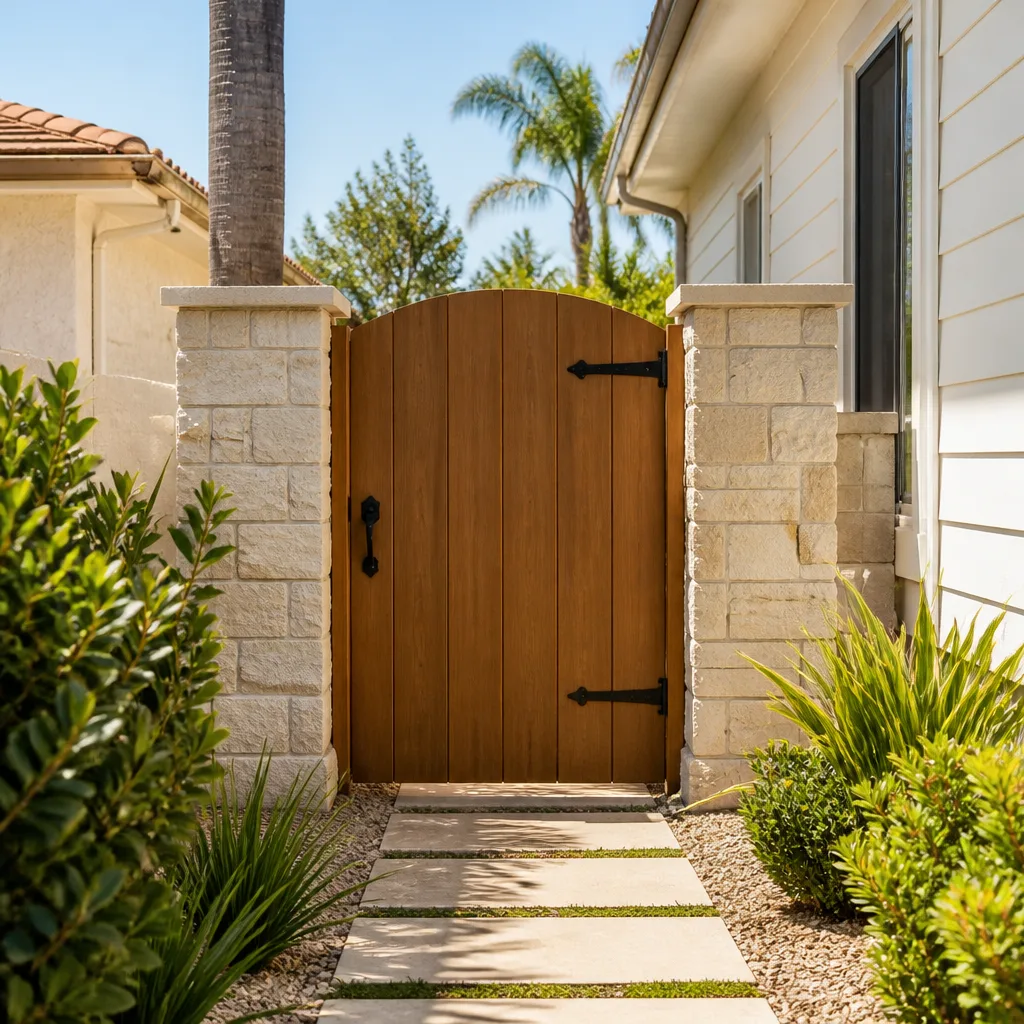
- Fence
Table of Contents
- Why Fremont Costs More Than the National Average
- The Four Cost Components Every Fremont Bid Must Show
- Concrete Flatwork and Pavers: Cost Per Square Foot
- Framing: Cost Per Linear Foot and Per Square Foot
- Electrical Panel Upgrades: What They Cost Here
- ADU Construction: Cost Per Square Foot in Fremont
- Prevailing Wage and Publicly Funded Work
- Change Orders: The Real Dollar Impact
- How to Compare Bids Line by Line
- Common Mistakes to Avoid
- When to Call a Professional
- Frequently Asked Questions
Why Fremont Costs More Than the National Average
Four forces stack onto every Fremont project, and each one is visible in a properly itemized bid.
- Labor rates. Union-scale wages in Alameda County run well above the national median for carpenters, electricians, and concrete finishers. A crew day that costs $1,400 in a Sun Belt market costs materially more here, and that difference shows up per square foot on every trade.
- Material markups. Bay Area suppliers price to a denser, higher-cost market. The same GAF Timberline shingle or Cambria quartz slab arrives at a Fremont jobsite with a delivery and handling premium a national average never captures.
- Concrete delivery minimums. Ready-mix plants serving Fremont charge delivery minimums and short-load fees that punish small pours. A 4-yard driveway apron can carry a per-yard premium a 12-yard pour in a cheaper market never sees.
- Permit and disposal fees. City of Fremont permit fees and Alameda County landfill tipping fees are both higher than national norms. Construction and demolition debris disposal is a real line item in Fremont, not a rounding error.
We’ve watched homeowners anchor to a national remodel average pulled from a home-improvement site, then reject three honest Fremont bids as inflated. The bids were accurate. The anchor was wrong. If you’re planning work that touches structure or footprint, the Home Additions & ADU in Fremont guide covers how those premiums compound on larger builds.
The Four Cost Components Every Fremont Bid Must Show
Any bid that doesn’t separate these four is a bid you can’t compare. Demand them.
- Materials. Named by brand and grade, not just “tile” or “shingle.” KraftMaid versus a builder-grade cabinet, GAF versus Owens Corning roofing, Cambria versus an unnamed quartz. Grade omission is where low bids hide.
- Labor. Priced by trade and by unit (square foot, linear foot, each). A lump-sum labor line tells you nothing about whether the crew is sized correctly.
- Permit fees. Itemized separately with the City of Fremont fee schedule referenced. Permits pulled and inspections passed should be stated in the contract, not assumed.
- Waste disposal. Demolition debris, packaging, and old-material haul-away. In Fremont this is a real dollar figure tied to Alameda County tipping fees, and it is frequently excluded from a “cheaper” competitor bid.
Under Clause 1 of the Haven Standard, the price is written before anyone starts. That discipline exists because a bid without all four components isn’t a price, it’s an estimate, and the difference always lands on the homeowner at the end. Our technicians have up to 19 years of experience reading Fremont bids, and the pattern holds: the missing line is the one that gets billed later.
Concrete Flatwork and Pavers: Cost Per Square Foot
Concrete flatwork and pavers are the most comparison-shopped trade in Fremont, and the one where national averages mislead the most.
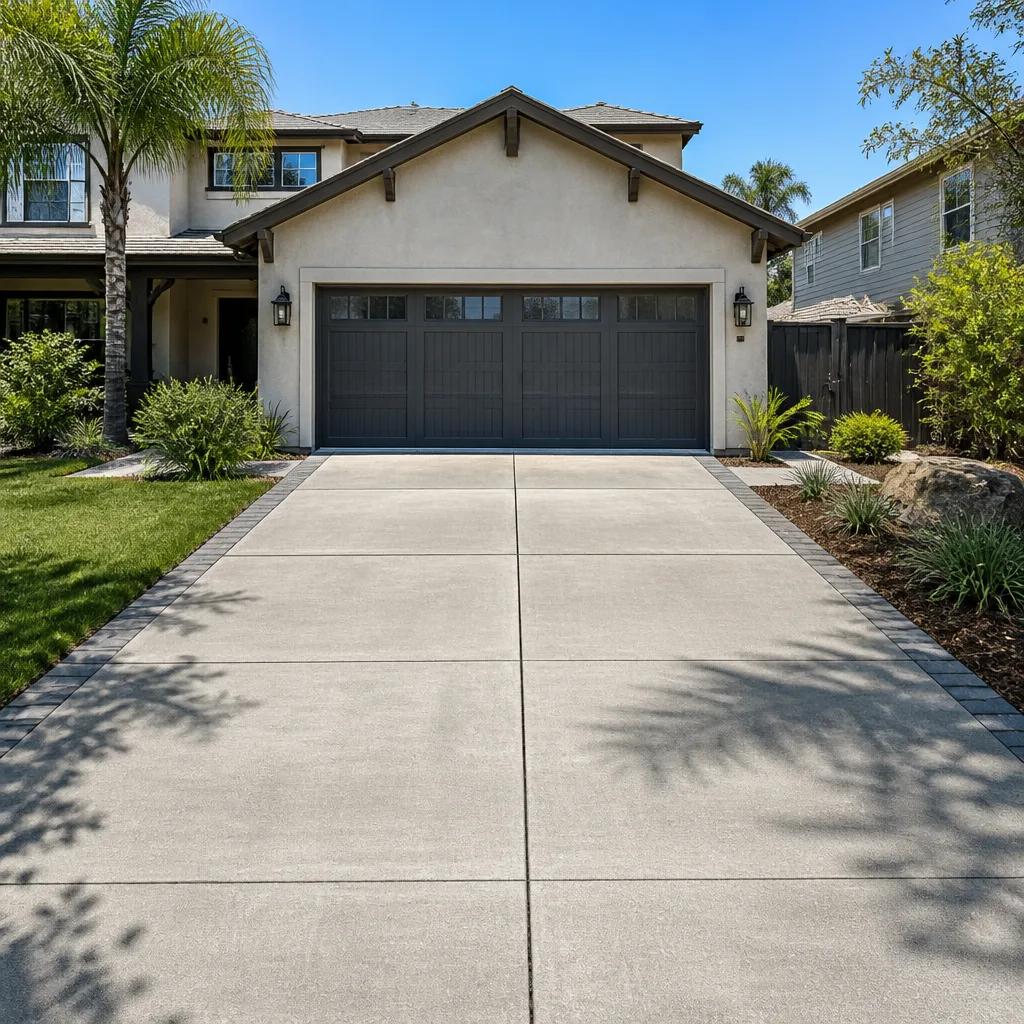
- Standard broom-finish concrete driveway: $14 – $18 per square foot installed.
- Exposed-aggregate or stamped concrete: $18 – $26 per square foot installed.
- Concrete replacement including demolition and haul-away: add $4 – $7 per square foot for removal and disposal.
- Belgard or Techo-Bloc pavers: $20 – $32 per square foot installed, including base prep and polymeric joint sand.
- Permit fee for a driveway replacement in Fremont: typically a few hundred dollars, itemized on the bid.
The gap between concrete and pavers isn’t just the surface. Pavers sit on a compacted aggregate base with a proper subbase depth, which costs real money in excavation and base material. In Fremont’s clay-heavy soils, that base prep is not optional; skip it and you’ll be re-leveling within two winters. The Driveway & Pavers in Fremont page breaks down how soil conditions and drainage affect the final number.
Watch for the “concrete is cheaper” pitch. A 4-inch pour over native clay without base prep is cheaper today and a full replacement in five years. The line that matters is subbase thickness, and it should be written into the scope.
Framing: Cost Per Linear Foot and Per Square Foot
Framing is priced two ways depending on the job, and a good bid will show you both.
- Framing labor and material per square foot of floor area: $14 – $22 per square foot for standard stick framing on an addition.
- Framing per linear foot of wall: $45 – $80 per linear foot, depending on wall height, sheathing, and whether it’s load-bearing.
- Structural repair or sistering existing framing: $60 – $110 per linear foot when access and engineering are involved.
Fremont additions frequently hit a permit and engineering premium because much of the city’s housing stock predates current seismic requirements. Bringing an older wall or connection up to current code adds cost that a square-foot average never captures. When you get a framing bid, ask what shear-wall and seismic detailing is included. If the answer is vague, the number is soft.
Pre-planned scope beats mid-project discovery every time. Framing a wall with the electrical and plumbing rough-in coordinated in advance costs less than discovering the conflict after the drywall is up. That coordination is Clause 1 doing its job: get the number and the scope right before the first nail.
Electrical Panel Upgrades: What They Cost Here
An electrical panel upgrade in Fremont in 2026 runs $2,800 – $4,500 for a standard 200-amp service replacement, and more if the meter main, grounding, or service entrance needs work.
- Standard 200-amp panel replacement: $2,800 – $4,500, including permit and inspection.
- Service entrance or meter main upgrade: add $800 – $1,800.
- Panel relocation or new dedicated circuit runs: $150 – $400 per circuit.
- Subpanel addition: $1,200 – $2,200.
Electrical work is not a DIY category. Panel work involves live service conductors and grounding that will injure or kill an untrained person; it belongs to a licensed electrician, full stop. We flag it here because we’ve seen homeowners attempt it to save the line item and then pay far more to correct the result.
Panel costs vary widely in Fremont because permit requirements and the condition of the existing service vary widely. A bid that quotes a flat number without looking at the meter main is guessing.
ADU Construction: Cost Per Square Foot in Fremont
Accessory dwelling units are the largest single line item most Fremont homeowners will ever price, and the range is wide.
- Detached new-construction ADU: $320 – $480 per square foot, all-in.
- Attached or garage-conversion ADU: $220 – $350 per square foot.
- Permit, plan-check, and impact fees: often $15,000 – $35,000 depending on size and whether it’s new construction or conversion.
- Site work (foundation, utility trenching, drainage): frequently 15 – 25% of the total and the most commonly underestimated line.
Fremont’s ADU rules have loosened over the last several years, but the permit and inspection process is still substantial, and that cost lands in the bid. A realistic per-square-foot number includes foundation, utilities, finishes, and fees, not just the framed box. The Home Additions & ADU in Fremont page walks through what a permitted scope actually contains.
When you compare ADU bids, the number that matters is what’s included at that per-square-foot rate. Two bids at $380 per square foot can differ by $60,000 in total once you see whether site work, fees, and landscaping are inside or outside the line.
Prevailing Wage and Publicly Funded Work
Alameda County prevailing wage requirements apply to publicly funded construction work, and they change the cost expectations for any project near school or municipal property.
- Prevailing wage sets a floor on hourly pay and benefits for workers on projects that receive public money, including certain grant-funded and school-district-adjacent work.
- On a prevailing-wage job, labor can run 20 – 40% above the private-market rate for the same trade.
- If your project touches or is funded through a public entity in Fremont, ask your contractor whether the work is subject to prevailing wage before the bid is written.
We raise this because homeowners near Fremont school sites or municipal parcels sometimes get a bid that looks inflated and don’t understand why. If prevailing wage applies, the labor line is higher by law, not by choice. Better to know it before the negotiation than after.
Change Orders: The Real Dollar Impact
Change orders are the single biggest reason a project finishes above the number the homeowner agreed to. The pattern is consistent and avoidable.
- Mid-project scope addition: typically 15 – 30% above the cost of the same work planned upfront, because of mobilization, re-sequencing, and materials bought at retail instead of in a planned order.
- Pre-planned addition included in the original scope: priced at the original trade rate, no re-sequencing penalty.
- Undocumented change: the most expensive kind, because it’s billed at time-and-materials with no written price and no comparison point.
The discipline that changes this is simple: no work proceeds on a change until the change order is signed. We’ve watched that single rule keep projects within a few percent of the agreed cost across thousands of jobs, and we’ve watched the absence of it turn a $90,000 kitchen into a $120,000 one. A detailed upfront scope feels slower. It isn’t. It’s the cheapest part of the project.
How to Compare Bids Line by Line
Two bids for the same Fremont job can differ by tens of thousands with identical totals on the cover page. Here’s where the gap lives.
- Material grade omissions. A bid quoting “quartz” without naming Cambria or Caesarstone, or “cabinets” without naming KraftMaid or Wellborn, is quoting an unknown. Ask for the brand and grade in writing.
- Excluded permit fees. If permits aren’t a separate line, assume they’re on you. Confirm the contractor pulls them and passes inspection.
- Subcontractor pass-through markups. A general contractor who marks up every subs’ invoice 15 – 20% on top of labor may be double-dipping. Ask how subcontractor costs are represented.
- Disposal and demo exclusions. A bid without a haul-away line has a haul-away bill coming later.
- Warranty terms. A written warranty should be in the quote, not the glossy brochure.
Bring a competitor’s written estimate and we’ll review it line by line at no charge as a free second opinion. That’s a standing offer, not a sales tactic. Our technicians have up to 19 years of experience reading these documents, and the exclusions are almost always findable.
Common Mistakes to Avoid
- Benchmarking to a national average. A national remodel number is built on labor markets that don’t resemble Fremont’s, and it will make every honest bid look high.
- Accepting a lump-sum bid with no components. If materials, labor, permits, and disposal aren’t separated, you have no way to see what’s missing until it’s billed.
- Skipping the permit line to save money. Unpermitted work in Fremont surfaces at resale and at inspection, and corrections cost more than the permit ever would.
- Adding scope mid-project instead of planning it. Change orders priced after mobilization typically run 15 – 30% above the same work planned upfront.
- Choosing the cheapest concrete bid without checking subbase depth. In Fremont’s clay soils, a thin base is a five-year driveway, not a twenty-year one.
- Assuming prevailing wage is a markup. If your project is publicly funded or near a school site, higher labor is a legal requirement, not a negotiation.
- Missing the deck-and-fence coordination on exterior projects. A new fence and a new deck share footings, drainage, and disposal costs; pricing them separately costs more than pricing them together. The Fence Installation in Fremont page shows how that coordination works.
When to Call a Professional
Some of this work is genuinely dangerous and belongs to a licensed professional: electrical panel and service work, gas line changes, structural framing on a load-bearing wall, and anything over a height where a fall would be serious. Don’t price a panel upgrade as a weekend project; the grounding and live conductors will hurt you. For everything else, call when the scope is complex enough that the number matters. If you’re pricing an addition, an ADU, or a multi-trade remodel, the coordination between trades is the whole cost. Getting a written price before work starts is the difference between a budget and a surprise. If you have a competitor’s written estimate and want a second read, that review is free. Start with the Rowan Construction Group Fremont home page for how we structure scope and pricing. Rowan Construction Group Fremont offers free estimates in Fremont: call (866) 797-6171.
Frequently Asked Questions
Expect roughly 25 – 40% above national averages because of union-scale labor, Bay Area material markups, and City of Fremont permit fees. A mid-range kitchen remodel lands at $85,000 – $140,000, an ADU at $320 – $480 per square foot, and a concrete driveway at $14 – $18 per square foot installed. Call (866) 797-6171 for an exact quote – estimates are free.
Concrete runs $14 – $18 per square foot in Fremont versus $8 in many Sun Belt markets because labor rates, concrete delivery minimums, Alameda County disposal fees, and permit costs are each materially higher. The number isn’t markup; it’s the market. Call (866) 797-6171 for a written, line-item quote.
Not on our projects, because no change proceeds until a signed change order is in place, and that discipline keeps projects within a few percent of the agreed cost. A mid-project addition planned after mobilization typically costs 15 – 30% more than the same work priced upfront. Call (866) 797-6171 for a flat written price and written scope before work begins.
Yes. Permit fees are itemized as a separate line on every bid with the City of Fremont fee schedule referenced, and permits are pulled and inspections passed as part of the scope. Unpermitted work surfaces at resale and correction costs more than the permit ever would. Call (866) 797-6171 to start with a free estimate.
A mid-range kitchen remodel typically runs 8 – 14 weeks once permits clear, and a detached ADU runs 6 – 12 months including plan-check and inspection. Fremont plan-check timelines and inspection scheduling are the biggest variables on the calendar. Call (866) 797-6171 and we’ll put the realistic schedule in writing with the price.
Four visible components: materials named by brand and grade, labor priced per unit, permit fees itemized, and waste disposal as a real dollar line. It should also state the warranty in writing and show the scope in enough detail to compare against another bid. Rowan Construction Group Fremont will review any competitor’s written estimate line by line at no charge. Call (866) 797-6171 for a free second opinion.
The Bottom Line
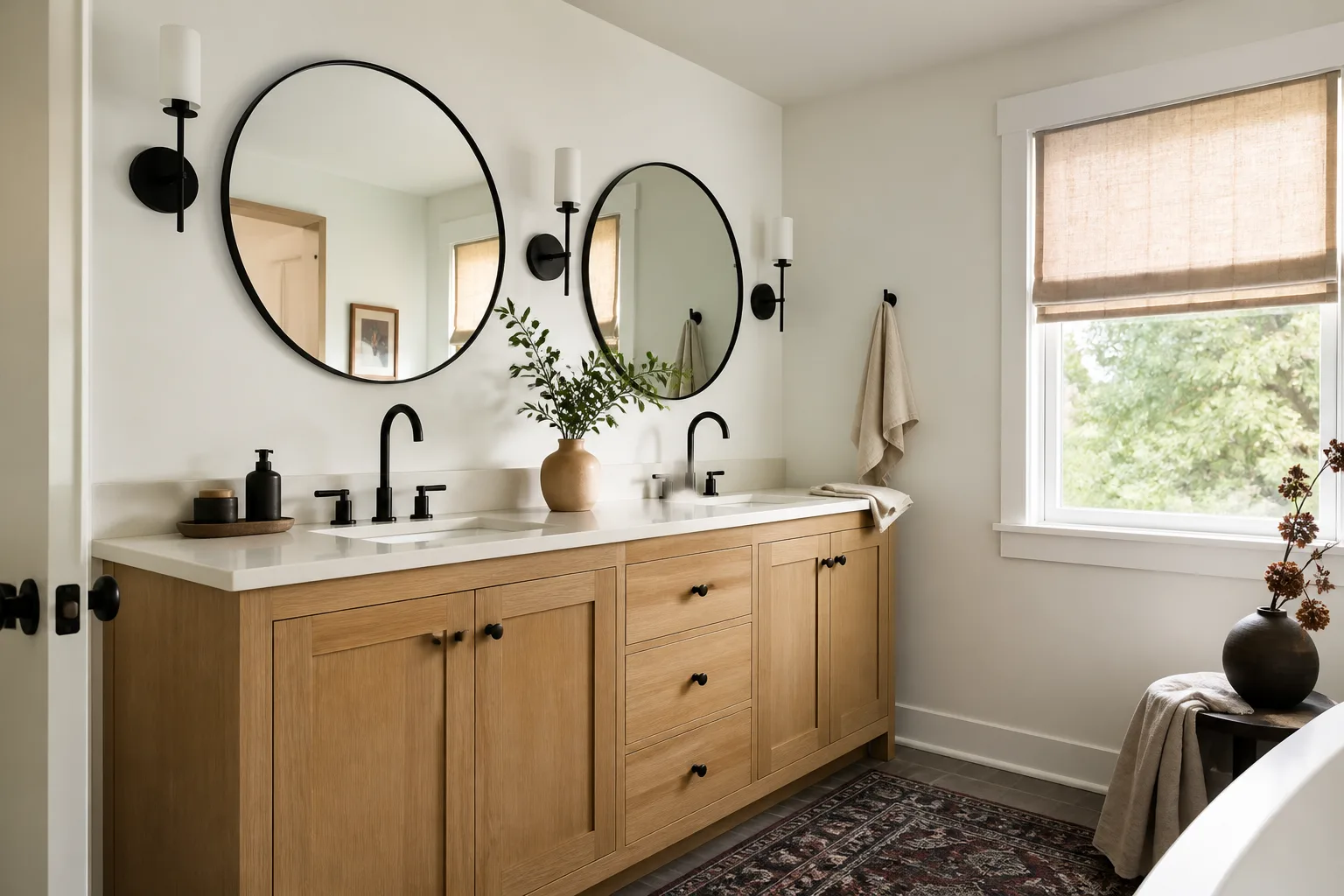
National construction averages were never built for Fremont, and a homeowner who benchmarks to them will reject the honest bids and accept the cheap one that hides its exclusions. The ranges in this guide are the actual 2026 Fremont figures: concrete at $14 – $18 per square foot, framing at $14 – $22 per square foot of floor area, an electrical panel at $2,800 – $4,500, and an ADU at $320 – $480 per square foot. Every bid you compare should separate materials, labor, permits, and disposal, and every change should be signed before work proceeds. Rowan Construction Group Fremont quotes a flat written price before work starts and stands behind it with the 365-Day Done Right Promise. Call (866) 797-6171 to schedule your free estimate.
Written by the team at Rowan Construction Group Fremont.
See the difference
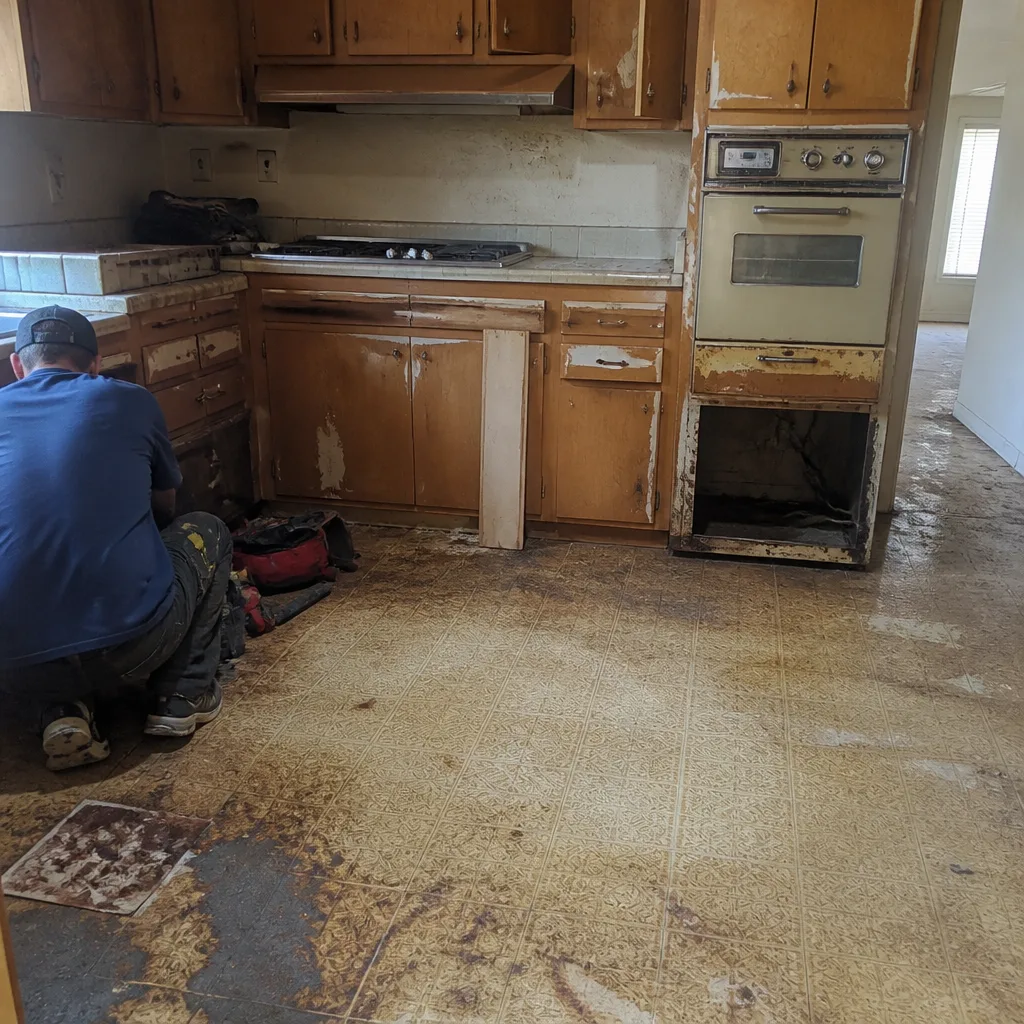 Before
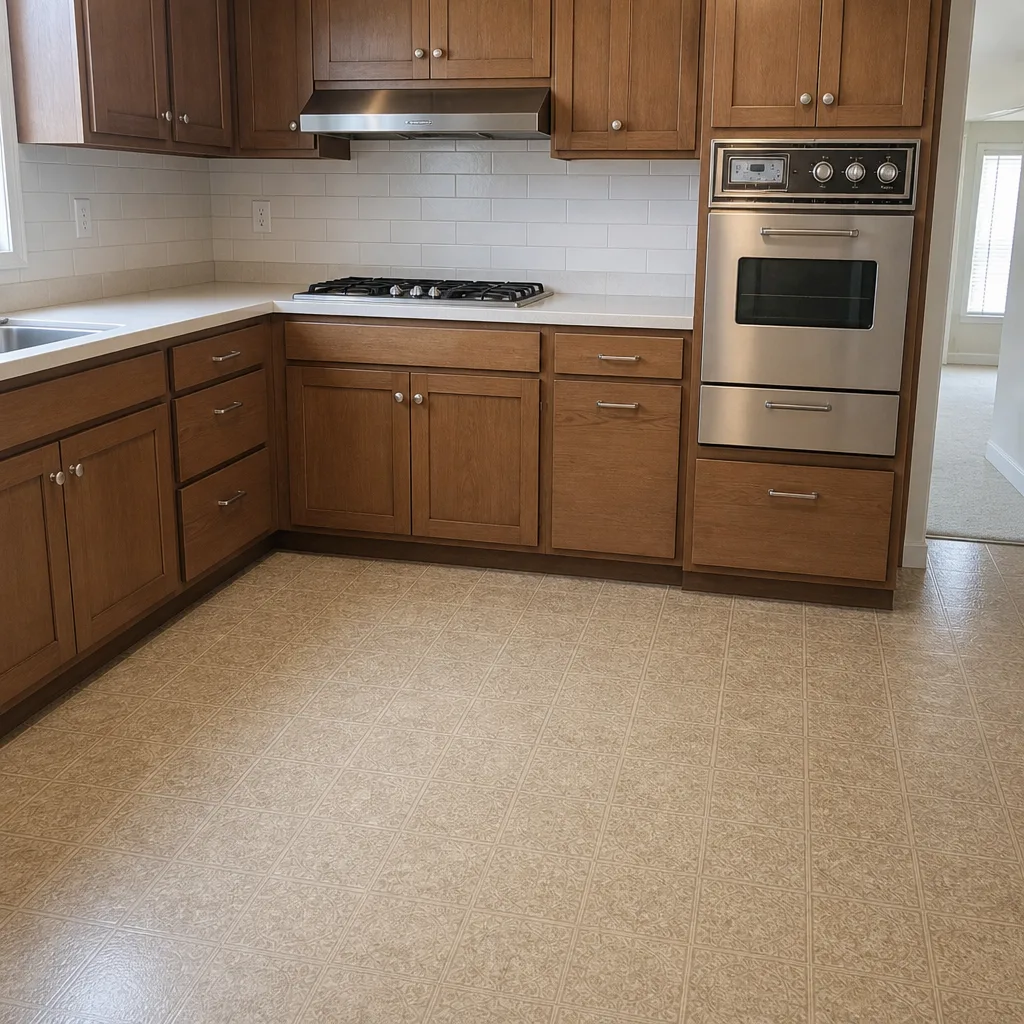 After
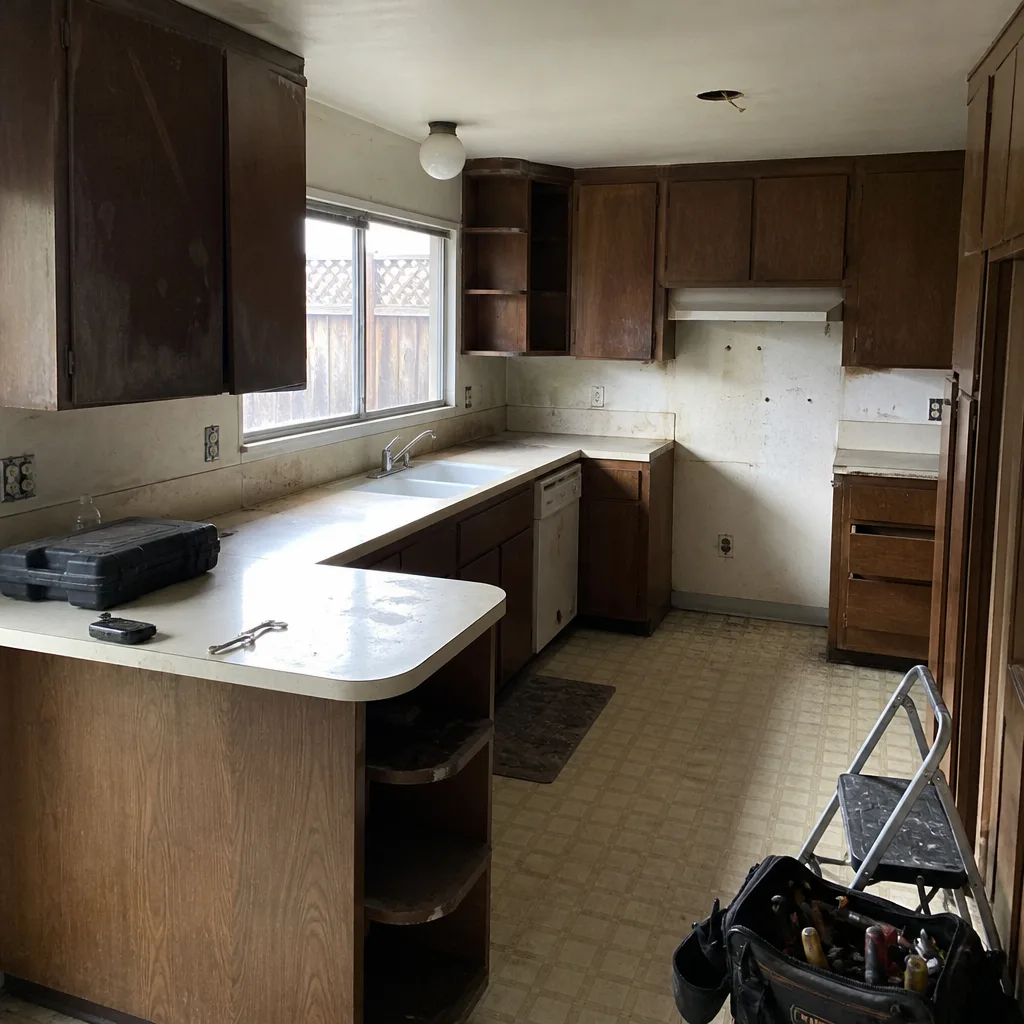 Before
 After
 Before
 After