Last updated November 17, 2026
Free written scope consultation - allowances, timeline, and change-order rules on paper before a single trade is scheduled
The Complete Windows & Doors Guide for Fremont Homeowners
Walk the window aisle at a national home improvement retailer and most of the units on display will not pass a Fremont inspection. That’s not a knock on the products themselves. It’s that California’s Title 24 energy standards, the marine-layer humidity that rolls off the bay, and the seismic bracing required on older wood-frame homes here narrow the field before price even enters the conversation. A contractor who doesn’t pull Fremont permits can quote you a window that fails on U-factor and you won’t find out until you try to sell. This guide is the jurisdiction-specific starting point the national guides skip: how to read a NFRC label, which frame materials survive salt air, when a Fremont replacement needs a permit, and how door frames tie into seismic anchoring. Every section names the number or the spec, because that’s what you’ll be comparing.
Quick Answer
Replacement windows and doors in Fremont must meet Title 24 prescriptive U-factor and Solar Heat Gain Coefficient (SHGC) limits that vary by compass orientation, so the same product can be compliant on a north wall and fail on a west wall. Beyond energy code, Fremont’s salt-air climate favors fiberglass and premium vinyl over mill-finish aluminum, and any change to a rough opening or primary entrance on older wood-frame construction touches both accessibility code and seismic anchoring. Confirm the NFRC label, confirm the permit trigger, then compare price.
Styles & brands we work with
- Kitchen remodeling
- Bathroom remodeling
- Home additions & ADU
- Roofing
- Windows & doors
- Driveway & pavers
- Fence
Table of Contents
- What Does Title 24 Require for Replacement Windows in Fremont?
- How Do You Read an NFRC Label Before You Buy?
- Aluminum, Vinyl, or Fiberglass: Which Survives Fremont’s Marine Air?
- Door Thresholds and Accessibility Code for Fremont Entrances
- When Does a Window or Door Replacement Need a Fremont Permit?
- Seismic Bracing and Anchor Bolts for Egress Doors
- A Step-by-Step Fremont Window Replacement Process
- What Do Windows and Doors Cost in Fremont?
What Does Title 24 Require for Replacement Windows in Fremont?
California’s Title 24, Part 6 sets the energy budget for any window or door that’s part of the building envelope, and replacement units count. The standards are prescriptive: there’s a maximum U-factor (how fast heat escapes) and a maximum SHGC (how much solar heat the glass lets in), and both are measured against the climate zone and the window’s orientation. Fremont sits in a coastal-influenced zone where the west- and south-facing glass takes the hardest solar load, so those orientations carry the tightest SHGC limits. A window that’s compliant on a shaded north wall can be non-compliant on a sun-baked west wall in the same house.
This is why orientation-by-orientation planning matters, not a single “good” window spec applied everywhere. When we scope a Fremont window project, we list each opening, its orientation, and the U-factor and SHGC the product must hit before we recommend anything.
- U-factor – the rate of heat loss through the whole unit, frame included. Lower is better. Dual-pane with a low-e coating usually gets you into compliance; single-pane does not.
- SHGC – solar heat gain coefficient, measured 0 to 1. West- and south-facing glass needs a lower number to keep summer heat out.
- Climate zone – Fremont’s zone sets the specific ceiling values. Your permit set has to demonstrate compliance against those, not against a national average.
- Air leakage – the assembly has to be sealed and flashed correctly, or the energy spec is academic.
A contractor who doesn’t pull Fremont permits will often skip this step entirely and sell you on looks. The number has to be in the written scope before work starts.
How Do You Read an NFRC Label Before You Buy?
The National Fenestration Rating Council label is the only reliable way to verify a window’s actual performance before purchase. Every rated unit carries a small label with standardized values, and you should see it on the sample or in the submittal packet before you sign. If a salesperson can’t produce the NFRC label for the exact model and glass package being quoted, treat the energy claim as unverified.
- Find the U-factor. It’s the heat-loss number. Compare it against the Title 24 ceiling for that orientation. Lower wins.
- Check SHGC. The solar-heat number. West and south glass in Fremont needs the lower value.
- Read Visible Transmittance (VT). How much daylight gets through. A low-SHGC glass can still be bright if the VT holds up; don’t let a tinted unit turn a room dim.
- Note Air Leakage (AL). Lower is tighter. It tells you how well the frame and sash seal.
- Match the model number. The label must correspond to the exact unit and glass package quoted, not a similar display model.
We keep the NFRC values for each quoted product in the photo record and paperwork you receive, so the spec is documented, not verbal. That’s the difference between a claim and evidence you can hand a buyer or an inspector.
Aluminum, Vinyl, or Fiberglass: Which Survives Fremont’s Marine Air?
Fremont’s proximity to the bay means salt-laden air and persistent moisture, and frame materials age very differently under those conditions. The national guides talk about cost and color; here the question is longevity against corrosion and thermal movement.
- Aluminum – strong and slim, but mill-finish aluminum corrodes in salt air and conducts heat readily, so it needs a thermal break to perform. It’s the material most likely to show pitting and finish failure near the coast if the coating isn’t rated for it.
- Vinyl – inert to salt and the value play for most Fremont homes. Premium vinyl lines hold their color and seal well; budget vinyl can warp on a hot west-facing wall over time. Milgard’s vinyl lines are a common, reliable choice for the climate.
- Fiberglass – the longest-lived option in marine air. It doesn’t corrode, expands and contracts far less than vinyl with temperature swings, and holds a paint or finish well. Marvin and Andersen both build fiberglass and fiberglass-clad units suited to coastal exposures.
For most Fremont homes we steer to premium vinyl on shaded and north elevations and fiberglass or fiberglass-clad on the hard west and south exposures, where thermal movement and sun are worst. The right answer is per-opening, not one material for the whole house. Name the brand and the line in the written scope, and the choice becomes something you can actually compare.
Door Thresholds and Accessibility Code for Fremont Entrances
A remodeled primary entrance has to clear California accessibility code for the threshold, and the number most homeowners never hear is that the rise at an exterior door shouldn’t exceed a half inch for a compliant, usable entry. Stack a thick door sill on top of an existing stoop and you can blow past it, which matters for anyone planning to age in place or resell to a buyer who checks.
Rough-opening dimensions are the other trap. A replacement door has to fit the framing that’s actually there, and in older Fremont wood-frame homes that framing is rarely square. We measure the existing rough opening before ordering, because a door that’s ordered to the wrong dimension is a door that gets shimmed into a draft or sent back.
- Threshold height – keep the exterior rise at or under the code limit; adjust the stoop or sill, not the door.
- Clear width – the primary entrance should meet the clear-opening width the code expects for an accessible route.
- Hardware height – lever handles and a reachable lockset at the primary entry, not just at the front door of a new build.
- Weather sealing – a new threshold means new flashing and a continuous seal, or Fremont’s wet winters find the gap.
Door hardware is one place the brand shows: a solid lever set and a quality deadbolt from a name like Kwikset or a comparable line is a small line item that decides how the entrance feels and how long the mechanism lasts. It goes in the written scope with a price, not a “we’ll pick something nice.”
When Does a Window or Door Replacement Need a Fremont Permit?
This is the question that separates a compliant job from a future problem when you sell. In general terms, a like-for-like replacement – same size, same location, same opening, same operation – in an existing wall often qualifies without a building permit, while anything that changes the opening size, adds or removes a window, alters the wall structure, or changes the egress path triggers a permit. Because Fremont’s local thresholds determine the exact line, the safe move is to confirm with the city’s building department for your specific scope before ordering product.
The reason it matters: a permitted job comes with an inspection that verifies the energy spec and the installation, and that inspection record protects you at resale. An unpermitted window that fails the Title 24 spec is a problem a buyer’s inspector can find.
- Confirm like-for-like. Same rough opening, same orientation, same operation. Document the existing conditions with photos before removal.
- Check whether your scope crosses the permit line. Enlarging an opening, new egress, or structural changes need a permit pull.
- Pull the permit and post it. The inspection verifies compliance against Title 24.
- Keep the record. The signed-off permit and the NFRC values go in your file for resale.
Permits pulled and inspections passed is the standard we hold to on any Fremont job that needs one. It’s a cost line in the quote, disclosed up front, not a surprise later.
Seismic Bracing and Anchor Bolts for Egress Doors
Fremont sits in earthquake country, and older wood-frame homes are the ones where door-frame anchoring matters most. A door in a bearing or shear wall is part of how the wall resists lateral movement; if the framing isn’t tied down properly, the opening becomes a weak point. Egress doors – the ones you’d need to get out in a hurry – carry the highest stakes.
Anchor bolt placement is the detail. The wall’s sill plate has to be anchored to the foundation at the spacing and embedment the code requires, and a door cut into that wall changes the load path. When we open up a wall around an egress door in an older Fremont home, we look at what’s holding the sill plate and whether the framing around the opening is tied in. This isn’t a “how to do it yourself” job: the structural evaluation and any retrofitting belong to a licensed professional, and getting it wrong is a safety issue, not a cosmetic one.
What you can do is ask. Before any door project in an older home, ask whether the scope includes checking the framing and anchoring around the opening, and get the answer in writing. If it doesn’t, the quote is incomplete.
A Step-by-Step Fremont Window Replacement Process
Here’s how a documented replacement runs, from first measurement to the photo record you keep. This is the sequence we follow on a Rowan Construction Group Fremont home project, and it’s the sequence to expect from any careful contractor.
- Measure and inventory every opening. Orientation, existing rough opening, operation, and condition of the surrounding wall, all recorded.
- Set the energy spec per opening. U-factor and SHGC targets by orientation, tied to Title 24 for your climate zone.
- Choose material per exposure. Premium vinyl on shaded walls, fiberglass or clad on the hard west and south elevations. Name the brand and line.
- Confirm the permit trigger. Like-for-like documented with photos; anything structural or size-changing gets a permit pull.
- Write the price and scope. Flat written price, written scope, written warranty before any work starts.
- Remove, flash, and install. New flashing and a continuous seal at every opening, then the unit set and shimmed square.
- Document and hand over. Photo record of what was found and what was done, the NFRC values, and the written warranty.
If you’re coordinating windows with a larger project, the same discipline carries into an Home Additions & ADU in Fremont scope, where new openings get planned against the structure from the start.
What Do Windows and Doors Cost in Fremont?
Window and door pricing in Fremont runs higher than national averages because Title 24-compliant glass, coastal-rated frames, and permit costs are built in. Exact numbers depend on size, material, and the condition of the wall, but these line-item ranges are what a written quote should track. Estimates are free, and you should get a flat written price, not a range you have to chase.
| Line item | Typical Fremont range |
|---|---|
| Vinyl replacement window, standard size, installed | $650 – $1,100 per window |
| Fiberglass or fiberglass-clad window, installed | $1,100 – $1,800 per window |
| Title 24-compliant glass upgrade (low-e, argon) | $80 – $200 per window |
| Primary entry door replacement, installed | $1,200 – $3,500 |
| Threshold and accessibility adjustment | $250 – $700 |
| Building permit, when required | Varies by scope; disclosed in the quote |
| Seismic framing evaluation at an egress door | $200 – $600 |
Those ranges are the honest starting point, and they come with a catch worth naming: a quote that looks low often leaves out the permit, the flashing, or the Title 24 spec. Under the Haven Standard, the price is written before anyone starts and no change proceeds without a signed change order, which is how a project finishes within a few percent of the number you agreed to. Call (866) 797-6171 for an exact quote – estimates are free, and a second opinion on any competitor’s written estimate costs nothing.
Common Mistakes to Avoid
- Buying the display model without the NFRC label. The unit on the showroom floor isn’t necessarily the spec being quoted, and the label is the only proof the glass package is compliant.
- Applying one window spec to every orientation. A west-facing window in Fremont has a tighter SHGC ceiling than a shaded north one; a single spec for the whole house can fail on one wall.
- Choosing aluminum for a salt-air exposure. Mill-finish aluminum corrodes near the bay; if the coating isn’t coastal-rated, the finish fails before the glass does.
- Ordering a door before measuring the rough opening. Older Fremont framing is rarely square, and a door ordered to the wrong dimension gets shimmed into a draft or returned.
- Skipping the permit to save a line item. An unpermitted window that fails Title 24 is a resale problem, and the inspection record is what protects you.
- Ignoring the seismic detail at an egress door. Anchor bolt placement and framing tie-in around the opening are a safety matter for a licensed professional, not a weekend job.
- Accepting a verbal price. A range over the phone that becomes a bigger number once the wall is open is the oldest trick in the trade. Get it flat and written.
See the difference
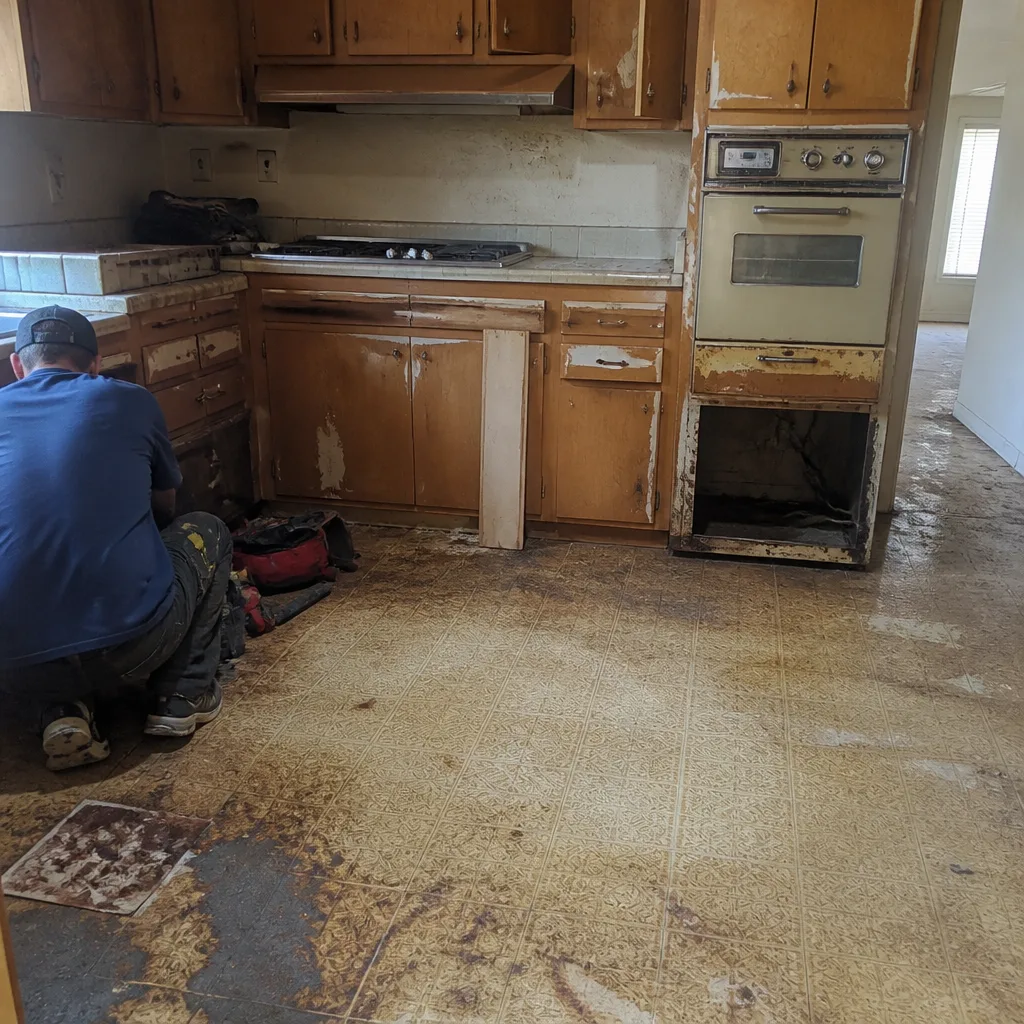 Before
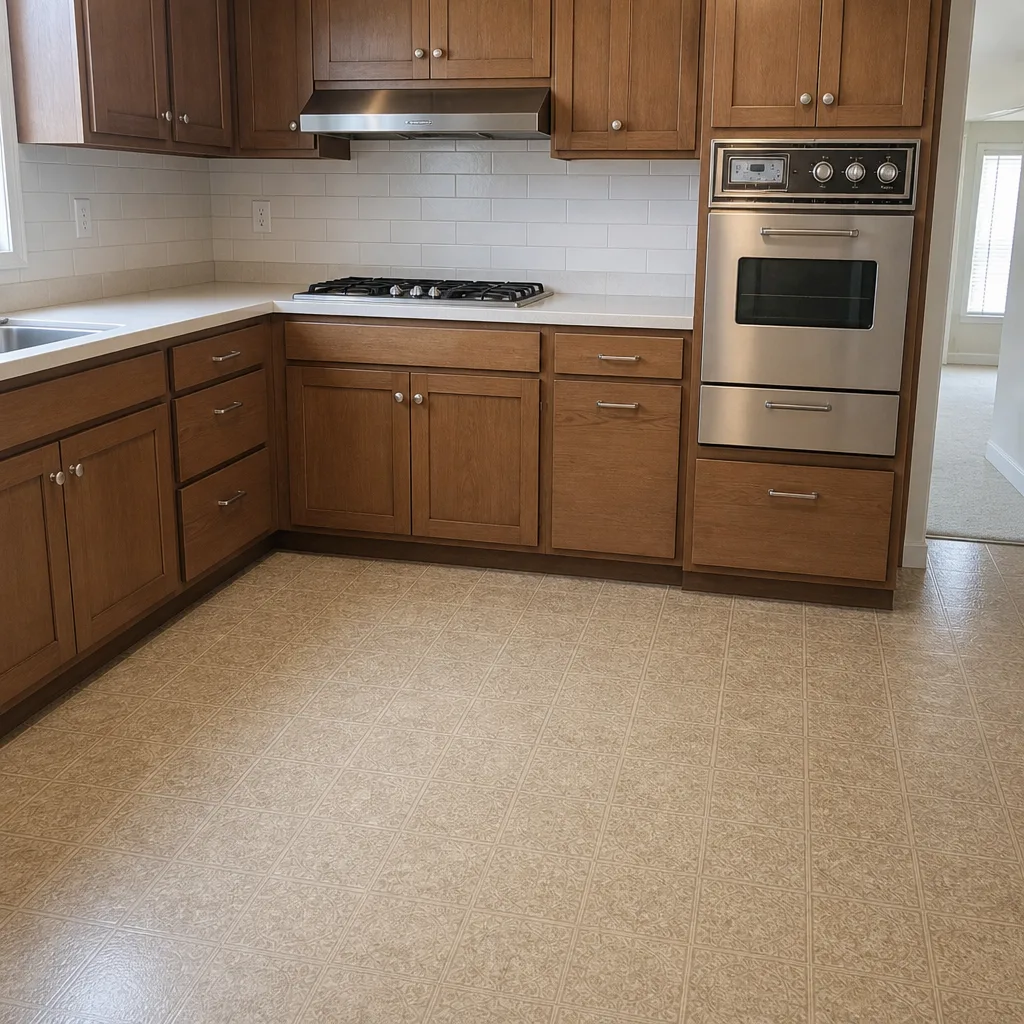 After
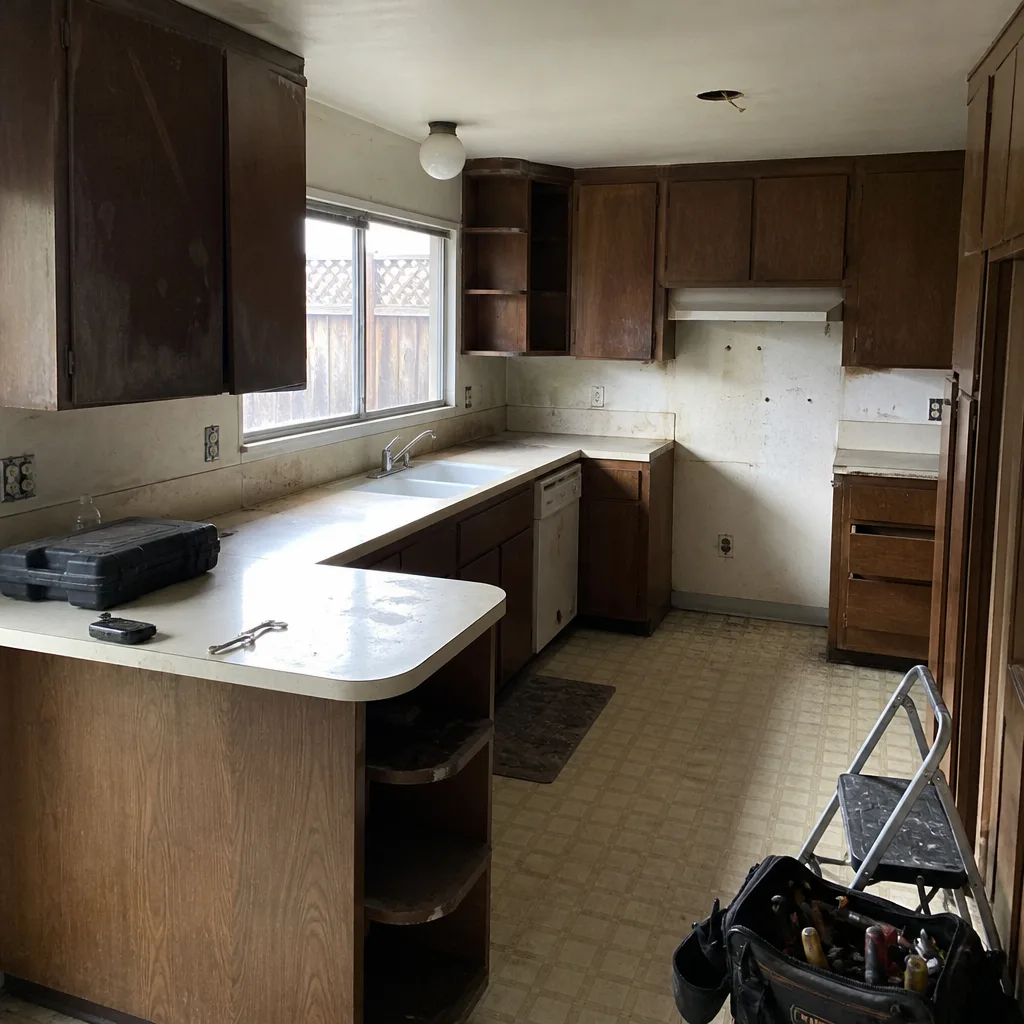 Before
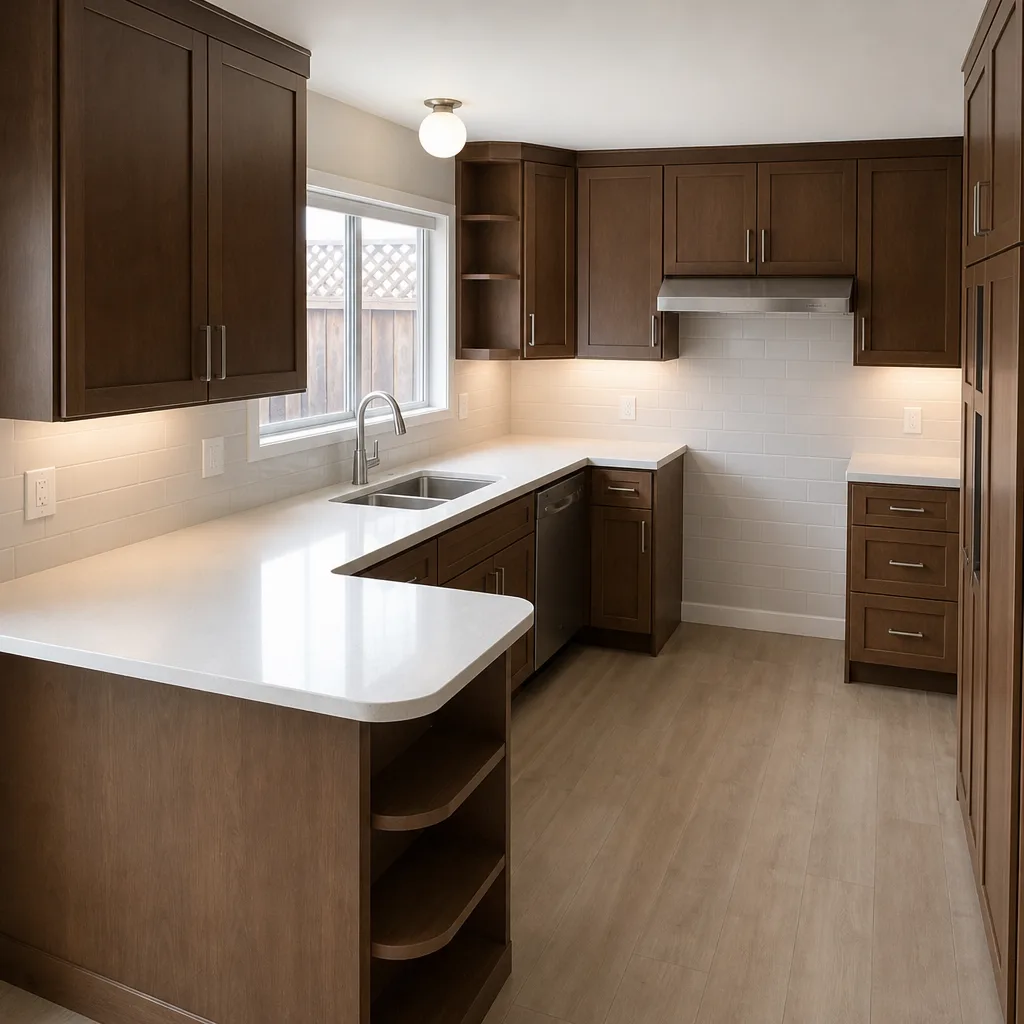 After
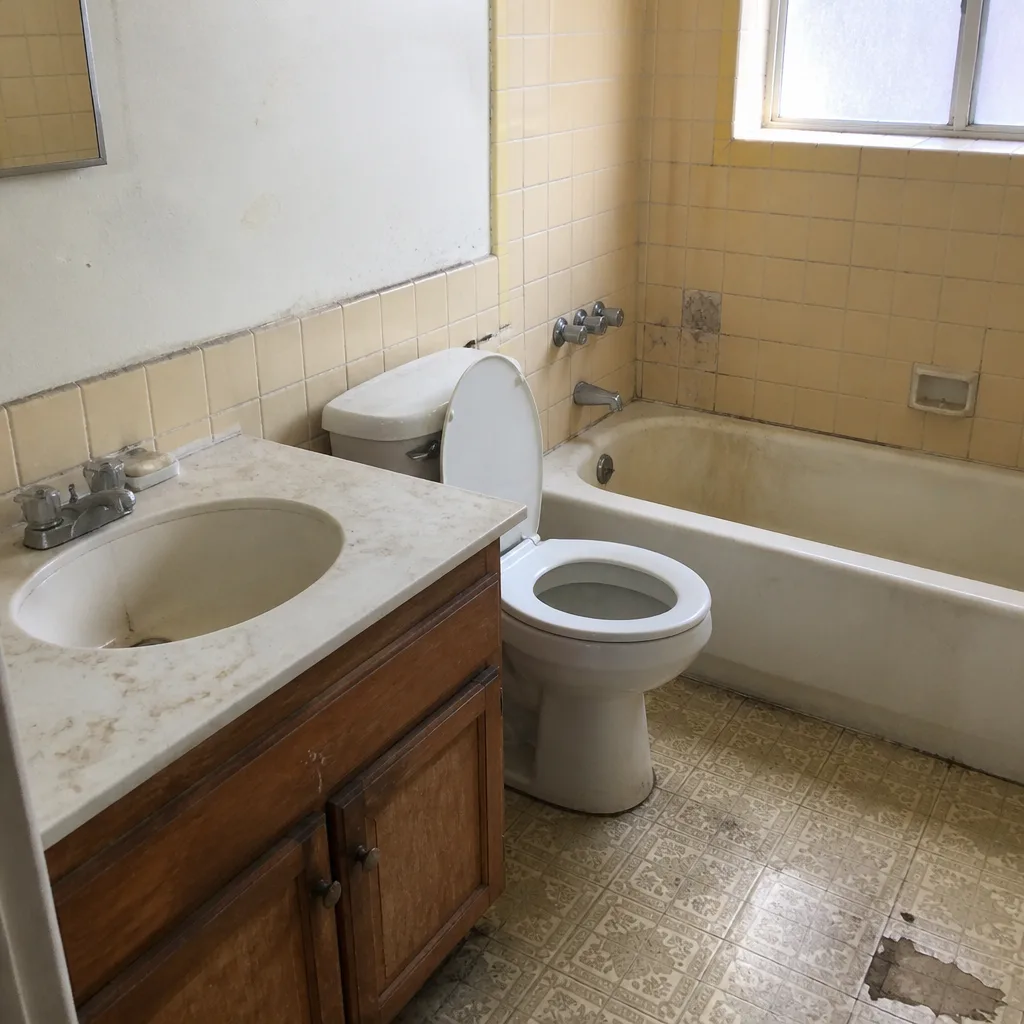 Before
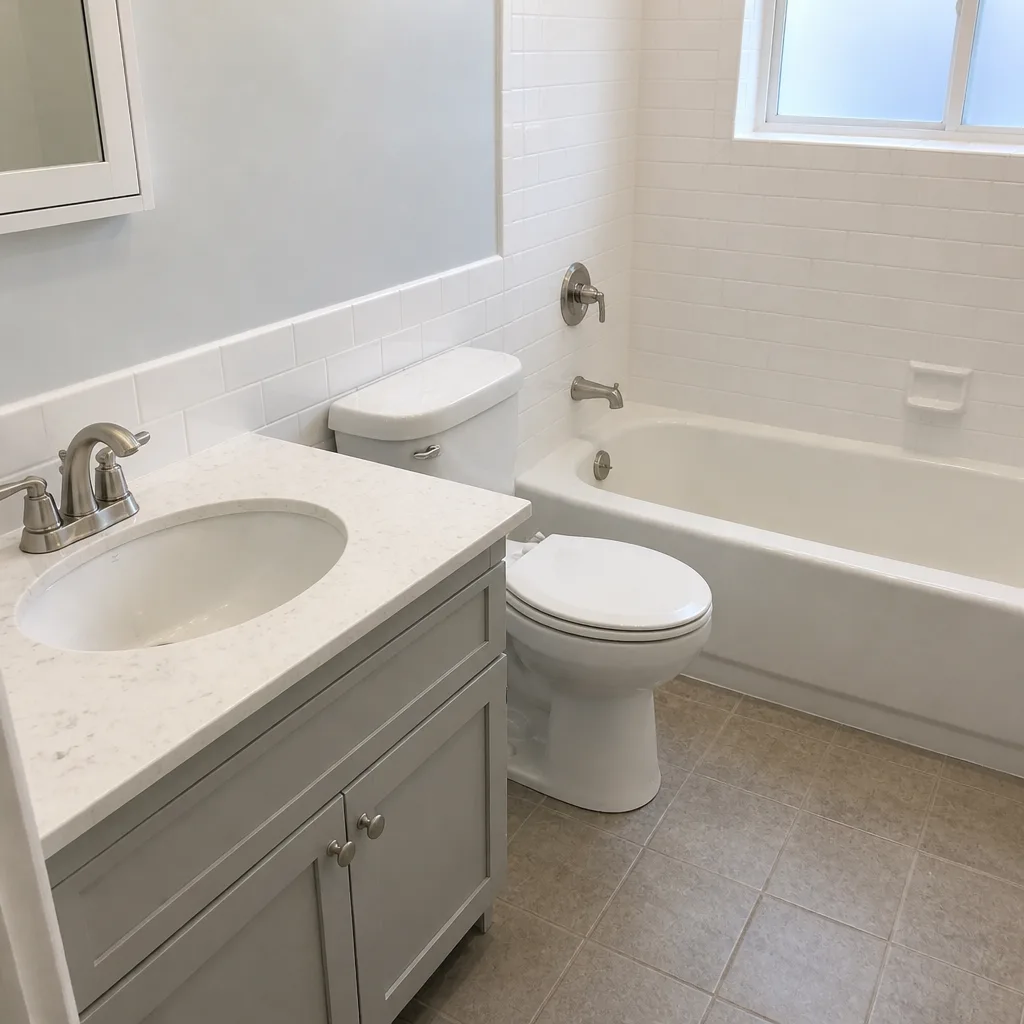 After
When to Call a Professional
Some window and door work is a genuine judgment call, and some of it is past the line where a homeowner should go it alone. If your home is older wood-frame construction and you’re touching an egress door, the framing and anchoring evaluation belongs to a licensed professional. If your scope changes an opening size, adds or removes a window, or affects a structural wall, it needs a permit and an inspection, and that path runs through a contractor who pulls them. If you’re not sure whether your replacement clears Title 24 on a west or south exposure, the energy spec has to be checked before you buy. Rowan Construction Group Fremont offers free estimates in Fremont – call (866) 797-6171 and we’ll put the number in writing before anyone picks up a tool.
Frequently Asked Questions
A like-for-like replacement that keeps the same rough opening, location, and operation often qualifies without a Fremont building permit, but anything that changes the opening size, adds or removes a window, or alters a structural wall triggers one. Confirm your specific scope with the city’s building department before ordering product. Call (866) 797-6171 and we’ll review whether your scope crosses the line – the estimate is free.
The limits depend on your climate zone and the window’s orientation, with west- and south-facing glass carrying the tighter SHGC ceiling because it takes the heaviest solar load. You verify compliance by matching the NFRC label to the exact model and glass package being quoted. We set the targets per opening before recommending any product. Call (866) 797-6171 for a scope review – estimates are free.
Fiberglass lasts longer in salt air because it doesn’t corrode and moves far less with temperature swings, while premium vinyl is the value choice for shaded and north elevations. The right answer is per-opening, not one material for the whole house. Brands like Milgard, Marvin, and Andersen all build units suited to coastal exposures. Call (866) 797-6171 for a written quote – estimates are free.
Vinyl replacement windows typically run $650 to $1,100 installed, and fiberglass or fiberglass-clad units run $1,100 to $1,800, with a Title 24 glass upgrade adding $80 to $200. The exact number depends on size, material, and the condition of the wall around the opening. Call (866) 797-6171 for an exact quote – estimates are free.
No – the price is written before any work starts, and no change proceeds until a change order is signed, which is the discipline that keeps projects within a few percent of the agreed cost. If the wall reveals something unexpected, you see it in the photo record and approve the change in writing first. Call (866) 797-6171 to schedule a free estimate.
A door in a bearing or shear wall is part of how the wall resists lateral movement, so anchor bolt placement and framing tie-in around the opening affect how the structure holds up in an earthquake. That’s a safety matter for a licensed professional, especially on egress doors in older Fremont wood-frame homes. Call (866) 797-6171 and we’ll review what your scope should include – estimates are free.
The Bottom Line
Window and door decisions in Fremont are narrower than the national guides suggest, and the narrowing happens before price enters. Title 24 sets orientation-specific U-factor and SHGC ceilings that a large share of retail windows miss; salt air favors fiberglass and premium vinyl over unprotected aluminum; accessibility code caps the threshold at a remodeled entrance; and seismic anchoring at an egress door is a licensed professional’s call, not a weekend project. Read the NFRC label, confirm the permit trigger with the city, and insist on a flat written price. Sourcing depth across KraftMaid, Cambria, Kohler, and Toto fixtures keeps an honest number on the quote, and a free second opinion on any competitor’s written estimate is there when you want a check. Call (866) 797-6171 for a free estimate on windows and doors in Fremont.
Written by the team at Rowan Construction Group Fremont.