Last updated November 17, 2026


Free written scope consultation - allowances, timeline, and change-order rules on paper before a single trade is scheduled
DIY vs Professional Fence Installation: What’s Safe to Do Yourself
The number one reason a DIY fence fails within three years isn’t a crooked picket or a missed screw. It’s a post footing that’s too shallow or too narrow in diameter, and the defect usually stays hidden underground until a windstorm racks the whole run sideways. Fixing a footing correctly later costs real money per post, and almost no fence tutorial on YouTube mentions the two calculations that prevent the problem in the first place. This guide draws a clear line between the fence work you can safely handle and the work that needs a licensed contractor, with a worked example for a 6-foot fence in Fremont’s soil.
Quick Answer
Board replacement, gate hardware swaps, vinyl section swaps, and yearly cleaning are safe DIY tasks for most homeowners. Any new fence line, footing pour, or work that touches a property survey or utility easement should go to a licensed contractor. The deciding factor is the footing calculation: a 6-foot fence needs a hole 2 feet deep and about 12 inches wide in Fremont’s typical clay-loam, and getting either number wrong is what turns a weekend project into a repair.
Styles & brands we work with
- Kitchen remodeling
- Bathroom remodeling
- Home additions & ADU
- Roofing
- Windows & doors
- Driveway & pavers
- Fence
Table of Contents
- The post footing calculation that decides everything
- Fence tasks that are genuinely safe DIY
- Tasks that require a licensed contractor
- Cost comparison for a 100-foot wood fence
- How to verify a contractor’s post work before concrete sets
- Common mistakes to avoid
- When to call a professional
- Frequently asked questions
The post footing calculation that decides everything
Two numbers determine whether a fence stands for fifteen years or leans by year three: the depth of the hole below grade and the diameter of the concrete plug at the bottom. Get both right and a basic treated-pine fence will outlast the boards attached to it. Get either wrong and the posts frost-heave, rack, or tip sideways no matter how carefully you level the rails.
The depth rule trades handbooks converge on is simple. Post height above grade divided by three gives the below-grade depth. A 6-foot fence, therefore, needs about 2 feet of post buried in the ground. For a 4-foot fence, that’s 1 foot 4 inches. For an 8-foot fence, 2 feet 8 inches. This rule assumes you don’t hit rock and that you’re not building on a slope with a frost line deeper than your number.
The width rule matters just as much, and it’s the one most DIY guidebooks skip. The footing diameter should be at least three times the width of the post. A standard 4×4 post is 3.5 inches on a face, so the hole needs to be at least 10.5 inches across. Most sources round to 12 inches for a 4×4 and 14 to 16 inches for a 6×6. Poured concrete in a hole that’s too narrow shears off under lateral load, which is exactly what wind does to a fence.
Worked example: a 6-foot fence in Fremont
Fremont’s soil is mostly clay-loam with pockets of adobe and some sandy fill near the bay flats. Clay-loam drains slowly, which means your footing has to sit below the depth where winter rain loosens the soil. A 6-foot fence in a Fremont backyard needs:
- Post height above grade: 6 feet
- Hole depth: 2 feet (6 ÷ 3)
- Hole diameter: 12 inches minimum (3 × 3.5-inch post width, rounded up)
- Post total length: 8 feet (6 feet above grade + 2 feet buried)
- Concrete per hole: roughly 1.5 bags of 80-pound quick-set per 12-inch by 24-inch hole
The math is not hard. The hard part is digging a 12-inch hole 24 inches deep in clay, twelve or twenty times across a property line, without hitting an irrigation line or a buried cable. We’ve seen DIY fences in the Mission San Jose area fail faster than in the bay-flat neighborhoods because the soil is denser, the holes get dug narrower to save time, and the post pulls free after a wet spring. If those numbers describe a project you can plan for, DIY is viable. If they describe a summer you don’t have, the calculation still needs to happen – it just needs to happen under a licensed contractor’s responsibility. Rowan Construction Group Fremont handles the footing and post phase for homeowners who want to do the rails and boards themselves; see the full Fence Installation in Fremont service for what that split looks like.
Fence tasks that are genuinely safe DIY
A surprising amount of fence work is safe for a homeowner with a few hours and the right tools. None of these tasks involve pouring concrete, establishing a property line, or working near a utility easement.
- Board replacement on existing structurally sound posts. If the posts are solid and the rails are straight, swapping individual pickets is a two-hour job. Pry the damaged board, pull the nails or back out the screws, and attach the new board with the same fastener pattern. The critical check is at the post: if a post moves when you push on it, board replacement is the wrong repair.
- Gate latch and hinge replacement. Self-closing gate springs, heavy-duty strap hinges, and thumb-latch hardware all swap out with a screwdriver and a drill. If the gate sags, tighten the hinge-side lag screws or add a diagonal brace before replacing hardware; a sag is often a wood problem, not a hardware problem.
- Vinyl fence section replacement using manufacturer clip systems. A standard vinyl privacy fence clips together with manufacturer-specific tabs and rail inserts. Replacing a single panel means unclipping the rail, sliding the new panel in, and reseating the clips. Never mix clip systems across brands – fit is not universal, and the wrong clip will pop out in the first heat cycle.
- Annual cleaning and staining on a wood fence. A pressure wash at low pressure plus a brush-on or spray-on penetrating stain, done in dry weather, extends board life by years. In Fremont, aim for a September or early October weekend so the stain cures before the rainy season.
- Weed and vine removal along the fence line. Ivy, jasmine, and blackberry root into the post-soil interface and hold moisture against the wood. Cutting them back once a season is unglamorous and effective.
These tasks share one trait: they touch the fence above grade. Nothing here changes loads, footings, or legal boundaries, so the risk of a mistake is cosmetic rather than structural.
Tasks that require a licensed contractor
The line between DIY and licensed work runs through the ground, not through the boards. Anything that changes the load path, the property line, or the permit record belongs with a contractor who carries a license and can document what they did.
- Any new fence over 3 feet in a front yard. Most California jurisdictions – and Fremont is consistent here – treat a front-yard fence over 3 feet as requiring a permit, and anything over 6 feet in a side or rear yard needs one too. Height tolerances vary by zone, so verify with the city before driving a single post. Pulling a permit is not optional when the code requires it: an unpermitted fence can complicate a future sale, insurance claim, or neighbor dispute.
- Any fence requiring a property survey to establish placement. If you don’t have a recent survey, or if the line isn’t marked by an existing monument, a licensed surveyor and a contractor need to be involved before the first hole is dug. Placement disputes over a foot of encroachment can cost more in legal fees than the entire fence.
- Any work within a utility easement. Calling 811 to mark buried lines is required regardless of who builds the fence – it’s free, and it takes a few days. If the markings show the fence line crosses a gas, electric, water, or fiber line, the footing plan changes and only a licensed contractor should make those decisions.
- Any new footing pour on a boundary line. A footing is a permanent structure. If it’s misplaced or too shallow, remediating it means digging out concrete and resetting the post. That’s an expensive repair for a saving that wasn’t there.
- Any new fence on a slope or retaining wall. Sloped terrain changes both the footing calculation and the rail design. A fence on a retaining wall needs engineering input, not a YouTube tutorial.
If your project touches any of these – and most full-fence replacements in Fremont do at least one – the right call is a licensed contractor. This is also the point where many homeowners move into a bigger planning conversation: a new fence often pairs with a driveway or paver project, or with an ADU buildout, and doing them in the same permitting cycle saves months. Rowan delivers all of those under one written price; see Driveway & Pavers in Fremont and Home Additions & ADU in Fremont for the related scopes.
Cost comparison for a 100-foot wood fence
Numbers make the DIY-versus-professional decision concrete. Here’s a realistic range for a 100-linear-foot, 6-foot treated-pine privacy fence in Fremont, broken into the three paths most homeowners actually consider. Prices are material-and-labor ranges; actual bids vary with gate count, terrain, and removal.
- Full DIY (homeowner does everything): $3,200 to $4,800. Includes materials (posts, rails, boards, concrete, fasteners), a one-day post-hole digger or two-man auger rental, the permit fee, and a dump run for the old fence.
- Partial DIY (contractor sets posts and footings, homeowner does boards and finish): $4,000 to $5,400. The contractor’s share covers the footing layout, the concrete, the post-setting, and the permit; you supply the labor for rails, boards, and staining.
- Full professional (contractor provides everything): $5,800 to $8,200. Includes material, labor, permit, removal and haul-away, and a written warranty on labor and workmanship.
Time estimates matter as much as the dollar figures. A first-time DIYer with a helper and a rented auger should plan on 40 to 60 work hours across two to three weekends for the full project. The post phase alone – layout, 811 wait, hole digging, concrete cure – typically eats 8 to 12 hours spread across a week because quick-set concrete needs 24 to 48 hours before you can load it. A contractor’s crew completes a 100-foot fence in one to three days depending on site access.
The gap between partial DIY and full professional is usually $1,500 to $2,800 for a fence this size. That gap buys you the footing work, which is the phase most likely to fail, plus the permit, the removal, and a warranty. Under Clause 1 of the Haven Standard, Rowan Construction Group Fremont delivers a written flat price before any work starts, so the partial-versus-full decision is made against a real number rather than a guess.
How to verify a contractor’s post work before concrete sets
Most homeowners check a fence after it’s finished, which is too late to see the two things that actually determine whether it stands: the depth the post went in and the diameter of the footing. Both are knowable during the build, and both should be contract milestones before final payment.
Here’s the verification sequence we recommend any homeowner run when they hire a fence contractor, regardless of who that contractor is:
- Photograph the post in the hole before any concrete goes in. Ask the crew to lay a tape measure against the side of the post and shoot a photo from a clear angle. The depth number on the tape should match or exceed one-third of the fence height above grade.
- Measure the hole diameter at the widest point. For a 4×4 post, that’s 12 inches minimum. Shoot a photo of the tape across the hole.
- Level check two perpendicular faces of the post after the concrete starts setting but before it’s fully cured. A 4-foot level against two adjacent faces confirms the post is plumb in both directions, not just one.
- Photograph each footing after the concrete is crowned. Concrete should mound slightly above grade to shed water. Flat or dished footings collect rainwater and rot the post base.
- Confirm the photo set in writing before final payment. The contract should list “documented footing depth and diameter photos delivered” as a milestone, not a courtesy.
Crews who do this without complaint are crews who did the work correctly. Crews who resist it are telling you something about how much of the footing work was real. Rowan’s standard deliverable includes a documented photo record on every visit – not an upgrade, not an extra line item. If you’re comparing bids and want an independent read on a competitor’s estimate, a free second opinion from Rowan reviews it line by line at no charge. For the broader range of what Rowan handles across trades, the Rowan Construction Group Fremont home page lays out the seven trades and the documentation promise behind each.
Common Mistakes to Avoid
- Skipping the footing depth rule to save a bag of concrete. The half-buried post that “looks fine” for two years is the one that racks the whole run in the third. The savings of a shallow hole is a fraction of what the repair costs.
- Pouring concrete into a hole narrower than three times the post width. A footing that’s too narrow shears under wind load because there’s no mass resisting lateral motion. Twelve inches is a floor, not a target.
- Skipping the 811 call because the fence is “just inside the yard.” Buried irrigation and low-voltage landscape lines are not always on the utility map, but a hit is still expensive. Calling 811 is free and takes a few days – schedule it before you rent the auger.
- Assuming a permit isn’t required because the neighbor “did it without one.” Fremont’s fence-height rules vary by zone and yard, and an unpermitted fence can complicate a future sale or insurance claim. Check with the city before digging.
- Mixing vinyl clip systems across brands. A clip that fits one manufacturer’s rail will not fit another’s, and the mismatch fails in the first heat cycle. If you’re replacing a vinyl panel, buy the clip from the fence manufacturer, not the hardware store.
- Setting posts on the marked line without verifying the survey. Property lines drift, survey markers move, and the fence line you “remember” from the last owner may be a foot off. If you don’t have a recent survey, get one before the first hole.
- Staining in the wrong window. Fremont’s rain arrives reliably in late fall. Stain applied in October won’t cure before the first storms. Aim for September or wait until spring.
- Attaching rails to a moving post. If the post flexes when you push on it, board work is wasted work. Fix the post first, then attach.
When to Call a Professional
Call a licensed contractor when the project involves new footings, a property survey, a permit, a utility easement, a slope, or a retaining wall. Those are the conditions where DIY risk converts into structural or legal risk, and where the failure cost dwarfs the labor savings. Call a contractor also when your time has a value higher than the DIY saving – a full 100-foot fence is 40 to 60 hours for a first-timer, and that math rarely works out favorably for anyone with a full-time job.
Rowan Construction Group Fremont offers free estimates in Fremont – call (866) 797-6171 to schedule. Bring a competitor’s written quote if you have one; the free second opinion reviews it line by line at no charge. Every Rowan project gets a flat written price before work starts, no change order is signed off without a signature, and the 365-Day Done Right Promise covers any issue that shows up after the crew leaves.
Frequently Asked Questions
Yes, for board replacement, gate hardware, vinyl panel swaps, and annual cleaning and staining. No for new fence lines, footing pours, or anything touching a property survey or utility easement. Those tasks need a licensed contractor and, in most cases, a permit.
One-third of the fence height above grade. A 6-foot fence needs 2 feet below grade; a 4-foot fence needs 1 foot 4 inches. Fremont’s clay-loam soil drains slowly, so use the deeper end of the range when in doubt and never go shallower than the rule.
Usually, yes – any front-yard fence over 3 feet and any side or rear fence over 6 feet typically requires a permit. Height limits vary by zoning district, so confirm the specific rule for your address with the city before you build. An unpermitted fence can surface as a problem at sale time.
Full DIY runs roughly $3,200 to $4,800 including materials, tool rental, permit, and dump fees. Partial DIY (contractor sets posts, you do boards) runs $4,000 to $5,400. Full professional runs $5,800 to $8,200 with material, labor, permit, removal, and warranty. Call (866) 797-6171 for an exact flat written price.
Ask for a photo of the post in the hole with a tape measure showing depth, a photo of the hole with the tape across the diameter, and a 4-foot level check on two perpendicular faces before the concrete fully cures. Get all three written as a contract milestone before final payment.
One to three working days for a 100-foot fence, depending on site access, terrain, and gate count. The post phase needs 24 to 48 hours of concrete cure before rails and boards go on, so budget the calendar around that rather than the labor count. Call (866) 797-6171 for a scheduling estimate on your address.
It shouldn’t. Under the Haven Standard, the written price is delivered before work starts and no change proceeds without a signed change order. Ask any contractor for that in writing before you sign, and treat a “we’ll figure it out on site” answer as a red flag. Call (866) 797-6171 for an exact written quote.
See the difference
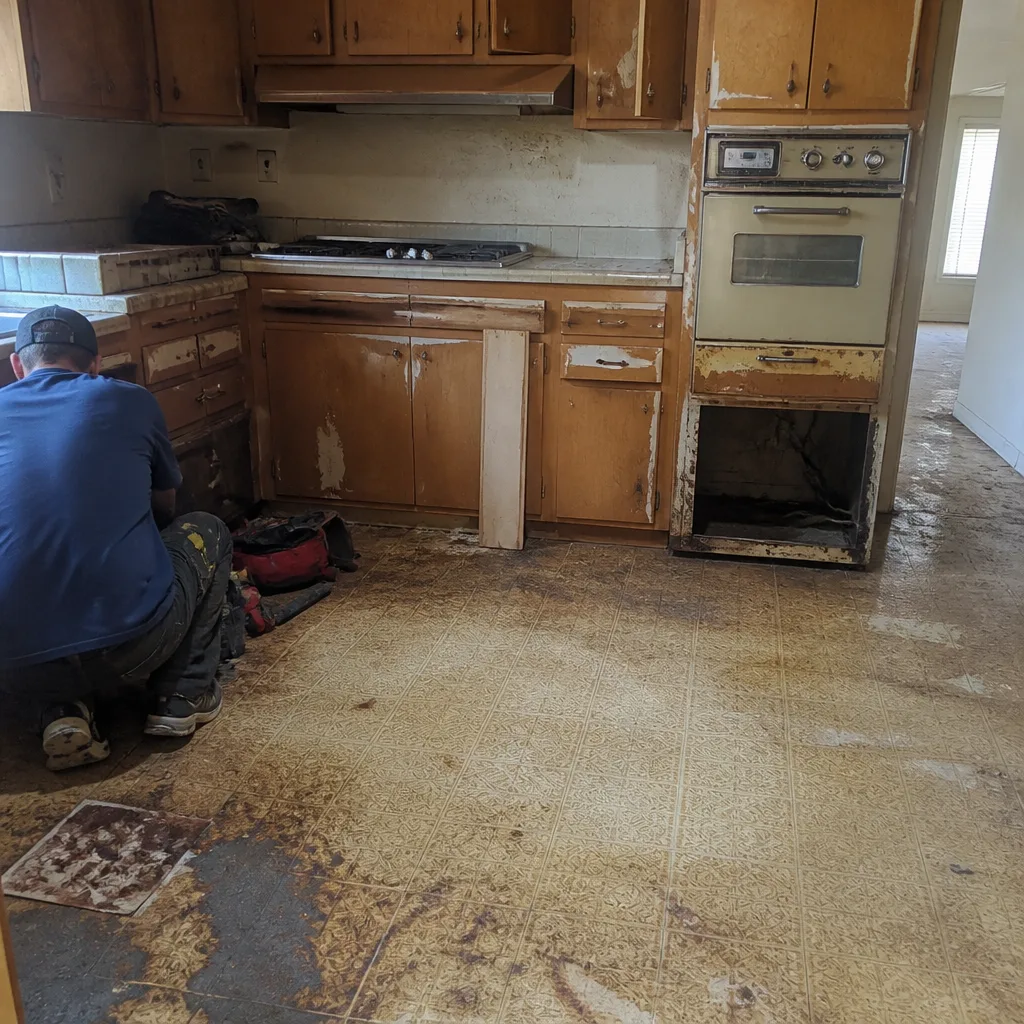 Before
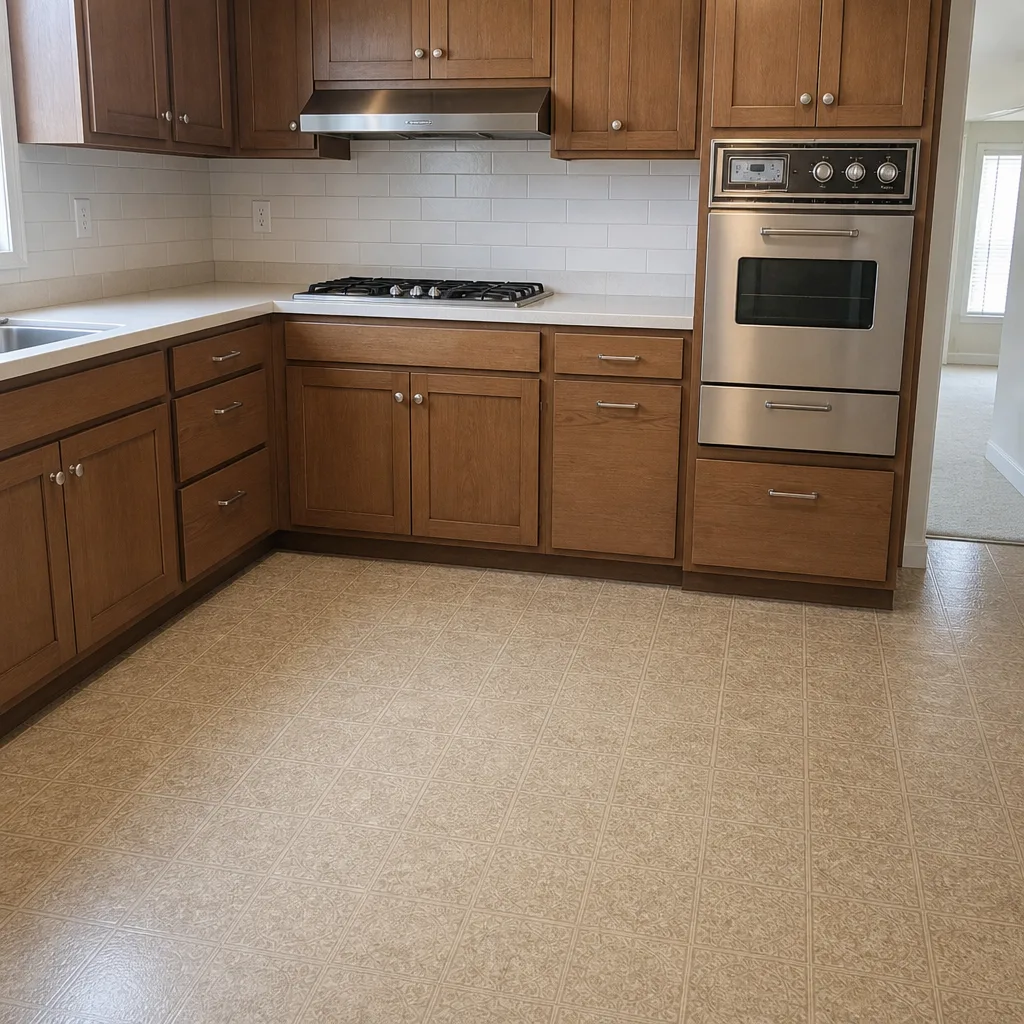 After
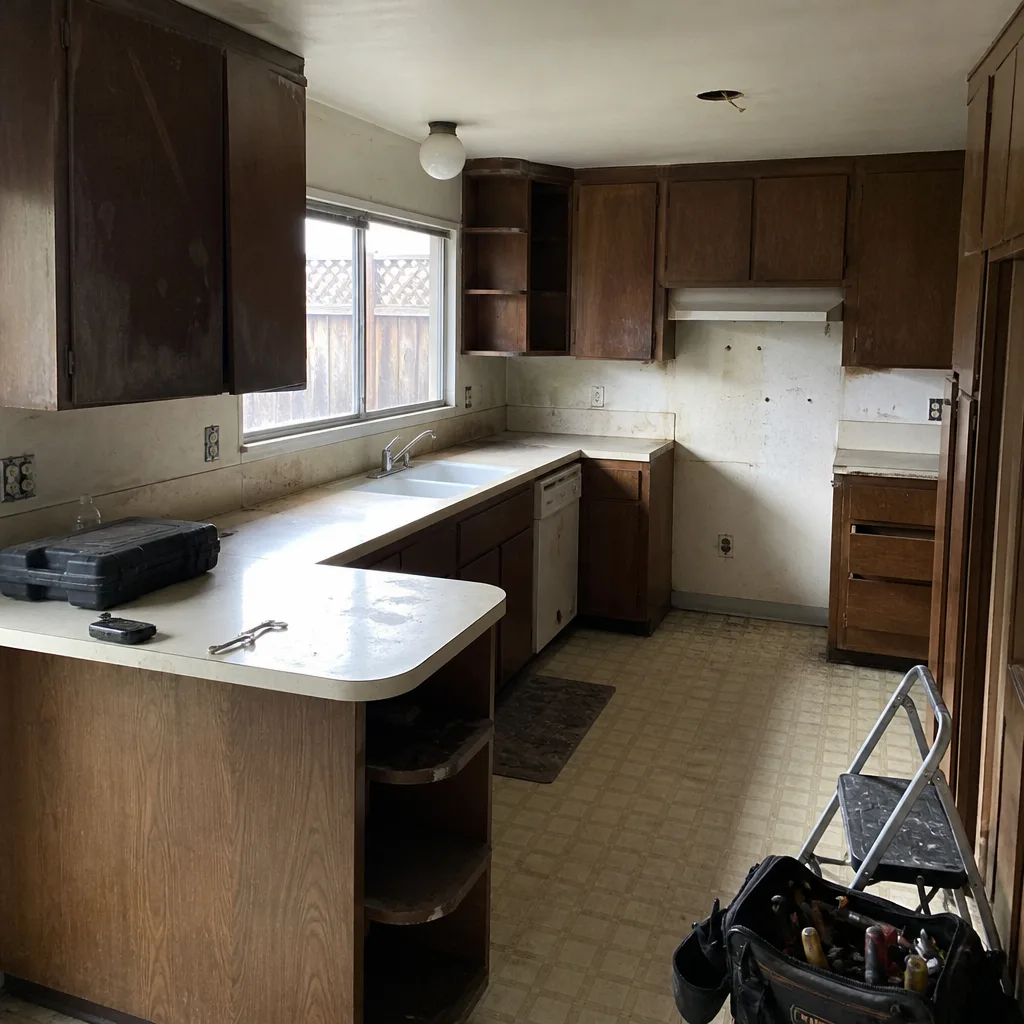 Before
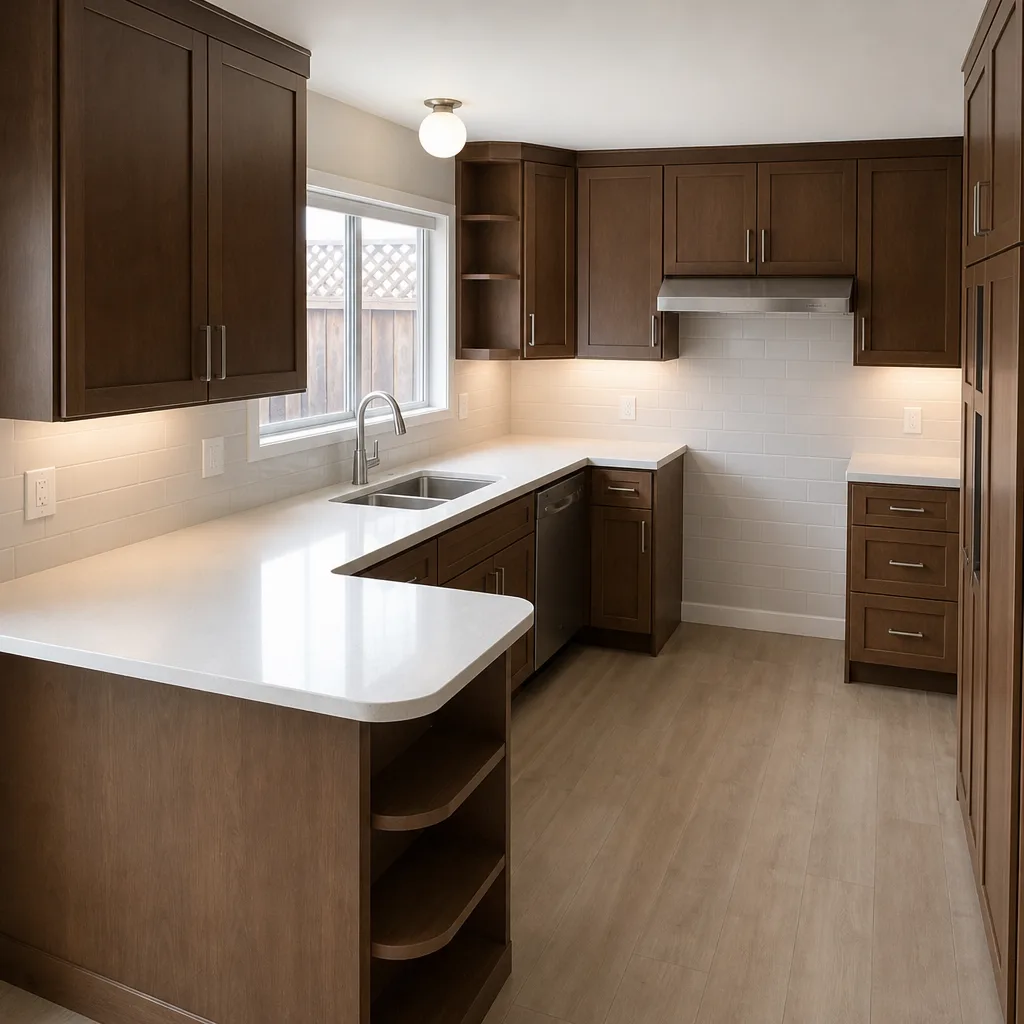 After
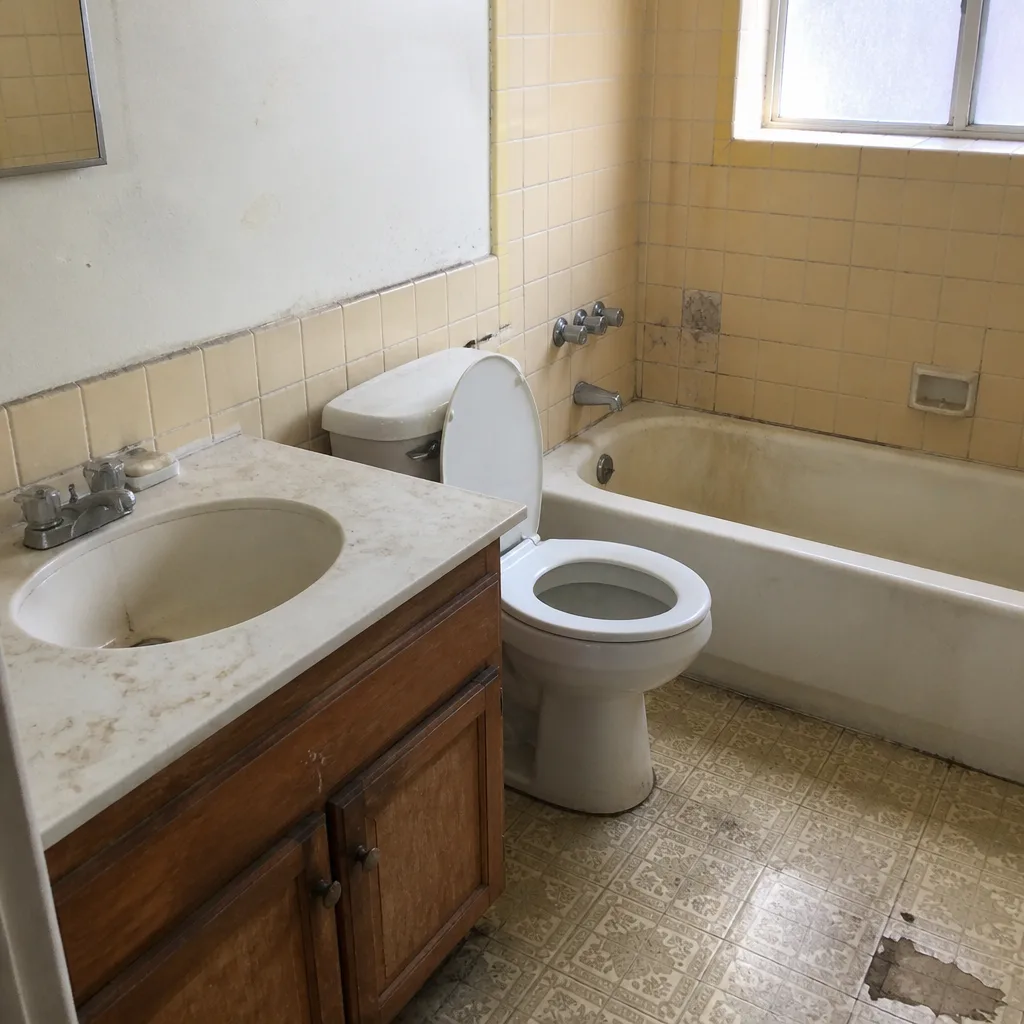 Before
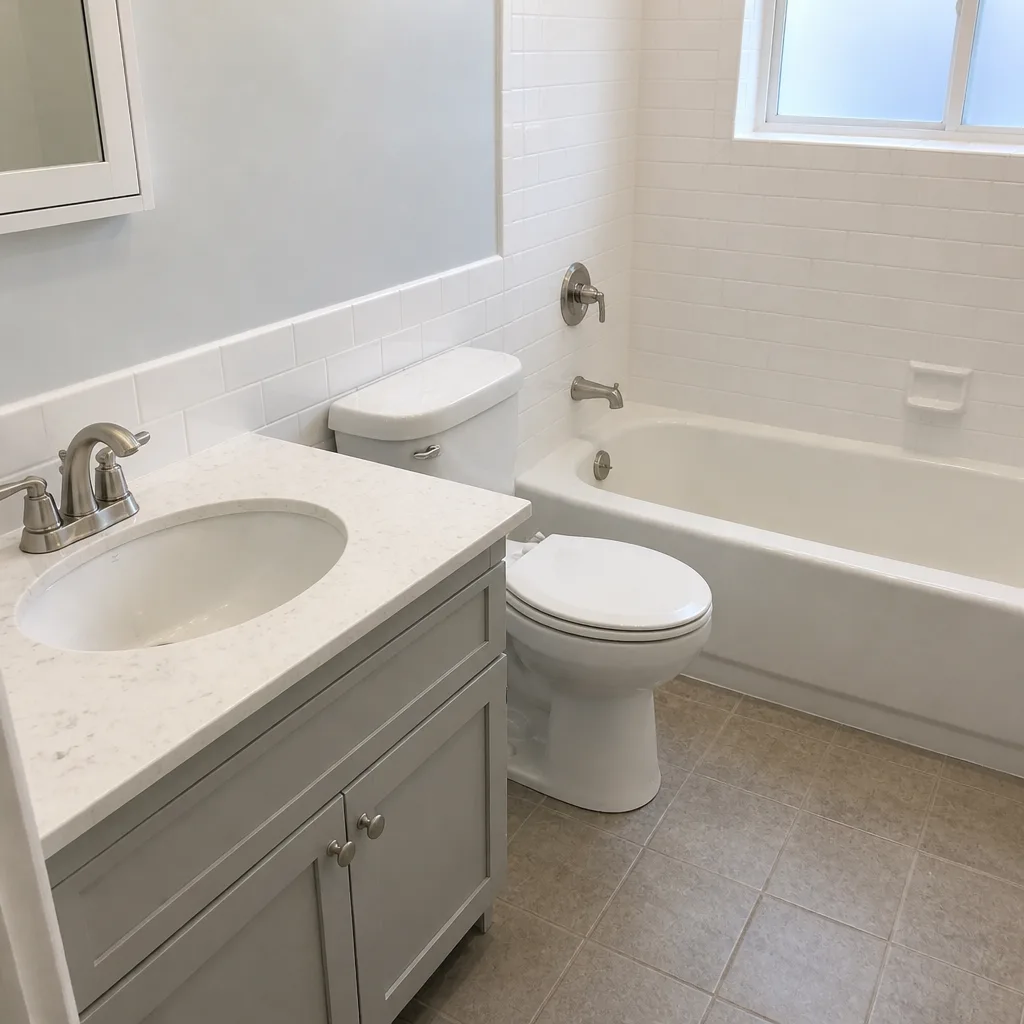 After
The Bottom Line
The line between DIY and professional fence work runs through two calculations, not through the boards. Post depth – one-third of the height above grade – and footing diameter – three times the post width – decide whether a fence stands for fifteen years or leans in three. Handle board swaps, gate hardware, vinyl panel replacement, and yearly cleaning and staining yourself; hand off new fence lines, footing pours, permits, and property-line work to a licensed contractor. The dollar gap between partial DIY and full professional is usually $1,500 to $2,800 on a 100-foot fence, and that gap buys documented footing work that will outlast the boards attached to it.
Free Estimate, Before You Pick Up a Tool
If you’ve read this far, you already know which side of the line your project is on. The next useful step is a written price. Rowan Construction Group Fremont delivers a flat written price before any work starts, backed by a documented photo record on every visit and the 365-Day Done Right Promise if something isn’t right. Call (866) 797-6171 to schedule your free estimate, or bring a competitor’s written quote and Rowan will review it line by line at no charge – because a written number from a contractor should be able to survive a second set of eyes.
Written by the team at Rowan Construction Group Fremont.