Last updated November 17, 2026



Free written scope consultation - allowances, timeline, and change-order rules on paper before a single trade is scheduled
Fence Installation Maintenance Schedule: What to Do and When
Most fence-care advice is written for a national audience, and it gets Fremont homeowners into trouble every spring. Staining a fence in March feels responsible. In Fremont it’s usually a mistake. Our wet season runs roughly October through April, which means a sealant applied in March sits under rain before it has cured, and we’ve seen that single timing error cut a finish’s effective life nearly in half compared to the same product applied in June or July. What follows is a maintenance calendar built around Fremont’s actual weather, not the label on the can: what to inspect after the rains, when to stain, when to leave the fence alone, and how to keep a written record an HOA or a future contractor can use.
Quick Answer
In Fremont, inspect your fence every April once the rains stop, apply stain or sealant in the June – July dry window so it cures fully, and service gate hardware in October before the wet season returns. Material dictates frequency: pressure-treated pine needs stain every 2 – 3 years, cedar needs sealant every 2 years, vinyl needs only an annual wash, and aluminum needs an annual hardware check with no surface treatment at all.
Styles & brands we work with
- Kitchen remodeling
- Bathroom remodeling
- Home additions & ADU
- Roofing
- Windows & doors
- Driveway & pavers
- Fence
Table of Contents
- The Fremont Month-by-Month Fence Calendar
- Maintenance Intervals by Material
- The 5-Minute Annual Rot Inspection
- Gate Hardware Maintenance, in the Right Order
- Keeping a Maintenance Log That Actually Helps
- Common Mistakes to Avoid
- When to Call a Professional
The Fremont Month-by-Month Fence Calendar
A fence in Fremont lives through two distinct seasons, and the work divides cleanly between them. The wet months do the damage; the dry months are when you repair and protect. Here’s how we pace it across a year.
- January through March – watch, don’t apply. Rain is falling and wood is at its most swollen. Sealant won’t cure and stain won’t penetrate. Note any sagging posts or sticking gates but hold off on finish work.
- April – full inspection. Once the ground stops saturating, walk the whole run. Probe post bases and rail ends for rot (the method is below), check fasteners for backed-out screws and popped nails, and read moisture at the base of each post. This is the single most valuable hour you’ll spend on the fence all year.
- May – repairs and prep. Replace cracked boards, re-drive or replace fasteners, and clean the surface. In Fremont’s clay-heavy soils, a post that has heaved or leaned over the wet season should be addressed before you cover anything with finish.
- June and July – stain and seal. This is the window. Two to three consecutive dry days, wood moisture low, temperatures warm enough for a full cure. Application in this window is the difference between a finish that lasts and one that fails early.
- August and September – touch-up and monitor. Spot-fix any thin areas while the weather holds. Check that gate hardware is still true.
- October – pre-rain gate service. Lubricate hinge pins, verify latch alignment, confirm posts are plumb, and check board gaps for drainage before the rains return.
- November and December – visual check only. After the first heavy storms, look for storm-loosened posts and standing water along the fence line. Fix drainage issues before they undermine post footings.
That’s the shape of the year. The specifics change with material, which is where most homeowners get lost. If you’re planning a new run entirely, our guide to Fence Installation in Fremont covers material selection and site prep before the first post goes in.
Maintenance Intervals by Material
Every fence material has a different tolerance for Fremont’s wet-dry swing, and treating them all the same is how finishes get wasted. Here’s the interval and product example for each common choice.
- Pressure-treated pine: stain every 2 – 3 years. It’s the workhorse material and it will grey out if left bare. Use a penetrating oil-based stain (a quality exterior stain from a national line, applied to a clean, dry surface), not a film-forming surface coat that will crack and peel as the wood moves.
- Cedar: seal every 2 years, re-stain every 3 – 4 years. Cedar has natural oils but they erode. A penetrating sealer lets the wood breathe; a heavy film finish fights the wood’s movement and fails faster. Cedar is common in older Fremont neighborhoods, so we see plenty of weathered runs that respond well to a proper seal cycle.
- Vinyl: annual wash only, no sealant. Never apply a finish to vinyl. A soft brush and mild soap once a year keeps it clean, and it will not absorb a sealer anyway. Fade and cracking are warranty matters, not maintenance matters.
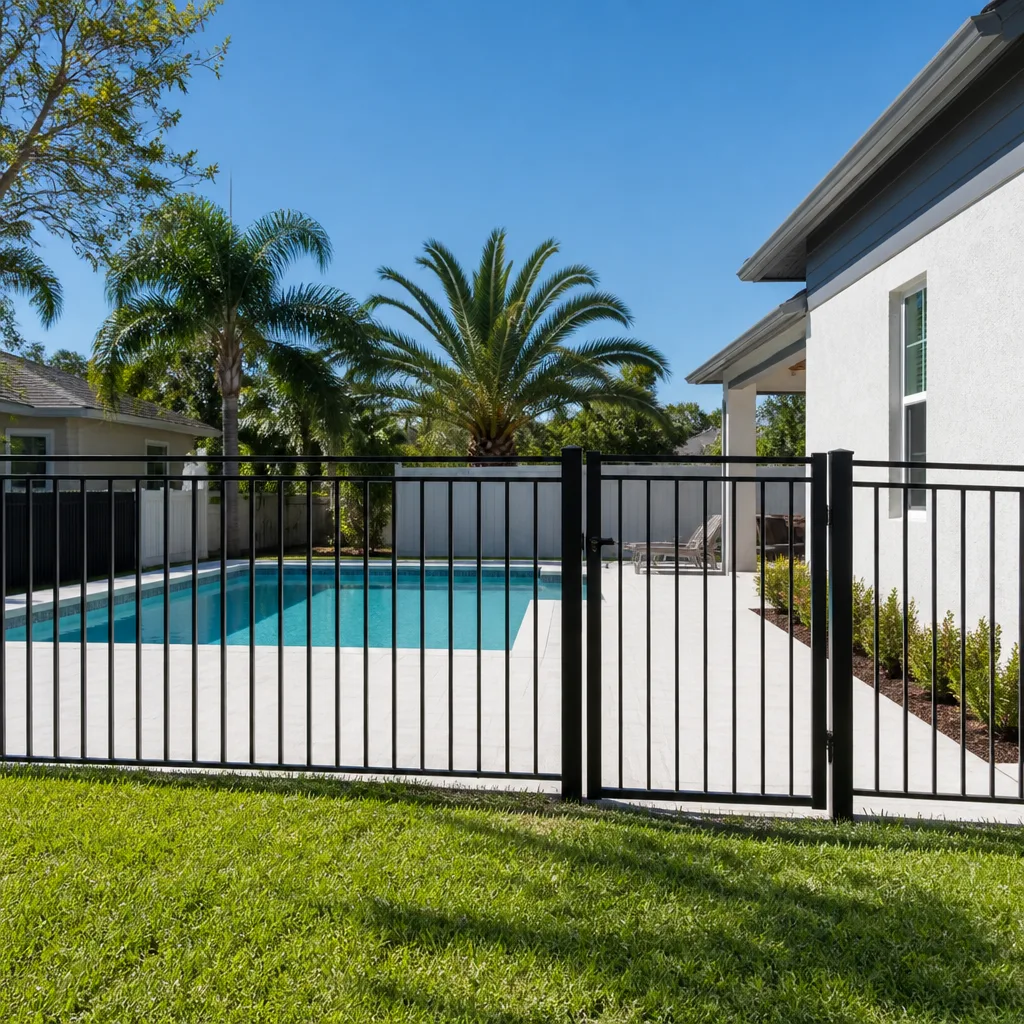
- Aluminum: annual hardware check, no surface treatment. Powder-coated aluminum panels and posts don’t need finish. Inspect fasteners, hinges, and any post caps once a year, and clean with soap and water. Some aluminum systems like ActiveYards and Bufftech are engineered to sit in wet climates with zero finish schedule.
The material decision drives the schedule more than anything else, which is why it’s worth getting right up front. If you’re still choosing, the Rowan Construction Group Fremont home page lays out the trades and how we quote each one in writing before work begins.
The 5-Minute Annual Rot Inspection
Rot is the fence’s quiet failure mode. It starts inside the board or the post base, where you can’t see it, and by the time it’s obvious you’re replacing boards instead of treating them. The screwdriver-probe test finds it early, and it takes about five minutes for a typical residential run in Fremont.
Use a standard flathead screwdriver and probe deliberately at three high-risk spots: the base of every post where it enters the soil, the ends of rails where they meet posts, and any board that touches the ground. Push, don’t gouge. The reading you’re looking for is tactile.
- Firm resistance means sound wood. The screwdriver stops hard against dense material with no give. That’s a healthy post, even if the color looks weathered.
- Soft, spongy give means internal decay. If the tool sinks in with light pressure and the wood feels fibrous, the decay is active and likely deeper than it looks.
- Measure the depth. A soft spot under about a quarter inch can often be treated with a wood preservative and sealed against further moisture. Past that, into the structural mass of the post or rail, the piece warrants replacement – surface treatment can’t recover a load-bearing member that’s hollowed to its core.
- Check the post-base moisture. Press a moisture meter into the wood just above the soil line after a dry spell. High residual moisture a week after rain signals the post is sitting in drainage that never dries, and rot will follow.
When the probe finds decay deep into a post that’s holding up a gate, don’t treat it – plan the replacement. A gate post carries real load and failure is a safety matter, not a cosmetic one. For posts in high-traffic Fremont yards where the fence sits on a slope, quote the whole replacement so you’re not paying a call-out twice.
Gate Hardware Maintenance, in the Right Order
Most sticking gates are blamed on the latch. Most sticking gates are actually caused by a post that has moved half an inch since the hardware was installed. That’s why the order of operations matters – fix the cause before the symptom.
- Lubricate the hinge pins first. Use a dry PTFE spray, not WD-40. WD-40 attracts and holds grit, which turns into a grinding paste that wears the hinge faster. A dry film lubricant coats the pin without collecting dust from a dry Fremont summer.
- Check latch alignment second. With clean, free hinges, see whether the latch still engages cleanly. If the gate now closes true, the latch was never the problem.
- Verify post plumb last. If the gate still binds after lubrication, check the post with a level. A post that has leaned – common in clay soils after a wet season – throws the gate out of square and won’t be fixed by adjusting hardware. Plan for the post, not the latch.
Do this service in October, before the rains, and again as a quick check in April. Hardware that’s seized over a wet season is easier to keep free than to free up.
Keeping a Maintenance Log That Actually Helps
A maintenance log isn’t paperwork for its own sake. In Fremont, HOAs increasingly ask for documented upkeep, and a future contractor (or a future buyer) will price the fence differently if they can see the history. The log is what converts “I think we maintained it” into evidence.
Record four things on every visit, and keep them in one place – a notebook, a spreadsheet, whatever you’ll actually update:
- Date of inspection or work, and who did it.
- Findings – what the probe at each post found, any sag, any hardware issue.
- Products used – brand, product name, and dilution or application rate. This matters because stain and sealer performance varies, and matching products on a re-coat prevents adhesion failures.
- Next scheduled task – when the next stain, seal, or hardware service is due. Putting a date on it is what keeps the calendar honest.
We build a documented photo record into every visit as standard, not an add-on, because it closes the loop: the customer has proof of what was found and what was done when the crew leaves. A written log plus photos is the version an HOA board will accept and a future bidder will trust.
Common Mistakes to Avoid
- Staining or sealing in March. It’s the most common Fremont mistake because spring is when everyone feels like they should. Apply finish in the June – July window and the product cures fully; apply it before the rains stop and you coat wet wood with something that never bonds.
- Using WD-40 on hinges. It’s a solvent, not a lubricant, and it collects grit that accelerates hinge wear. Dry PTFE spray is the right tool.
- Sealing vinyl or aluminum. Neither absorbs finish, so a sealer on either is wasted money at best and a streaky, peeling mess at worst.
- Treating rot you should replace. A soft post base that’s hollowed out won’t be saved by a preservative. Replace structural members and treat only superficial decay.
- Ignoring a leaning post until the gate breaks. In Fremont’s clay soil, a post that leans after a wet season is a gate waiting to fail. Address the post, not the latch.
- Sanitizing the fence line but ignoring drainage. Standing water along the base is what rots posts early. Fix the grade and the problem stops recurring.
- Skipping the log. Undocumented maintenance is invisible to an HOA and to the next contractor, and both will treat the fence as if it was never maintained.
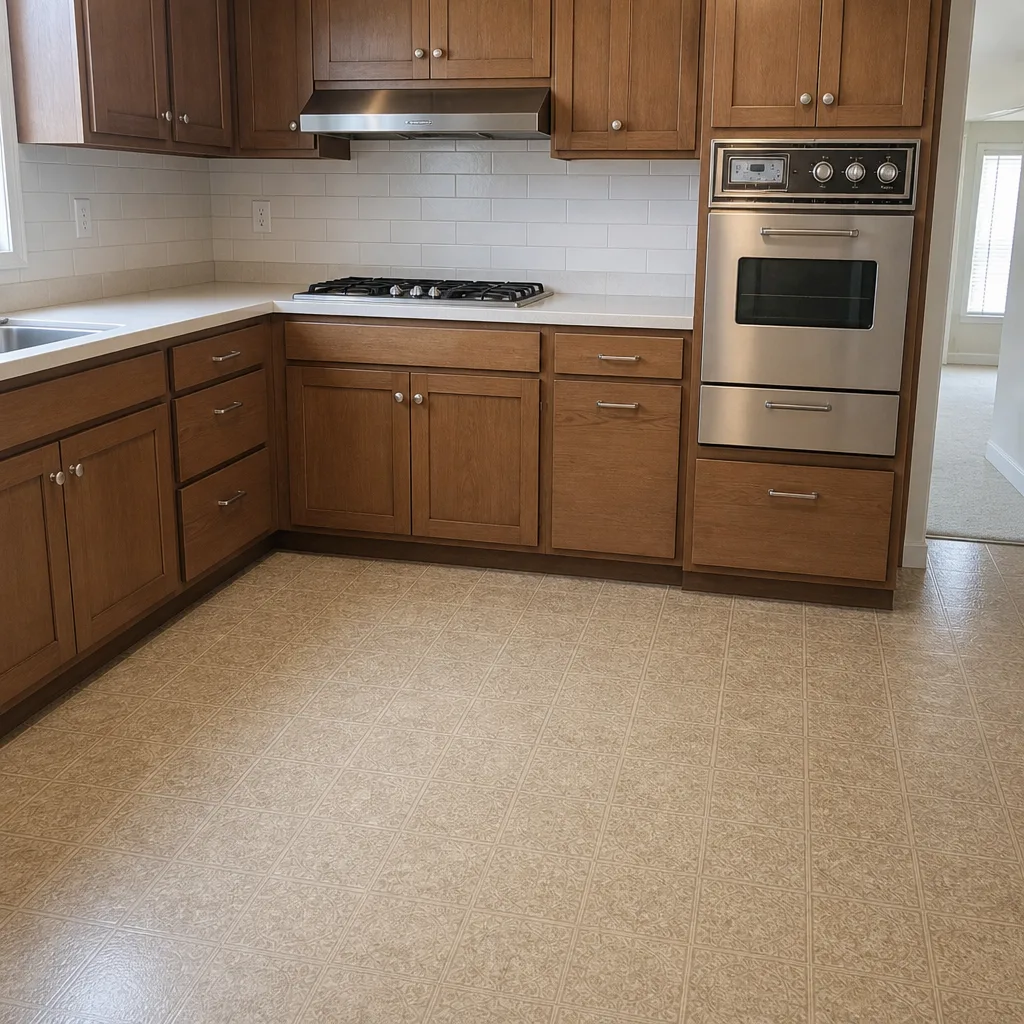
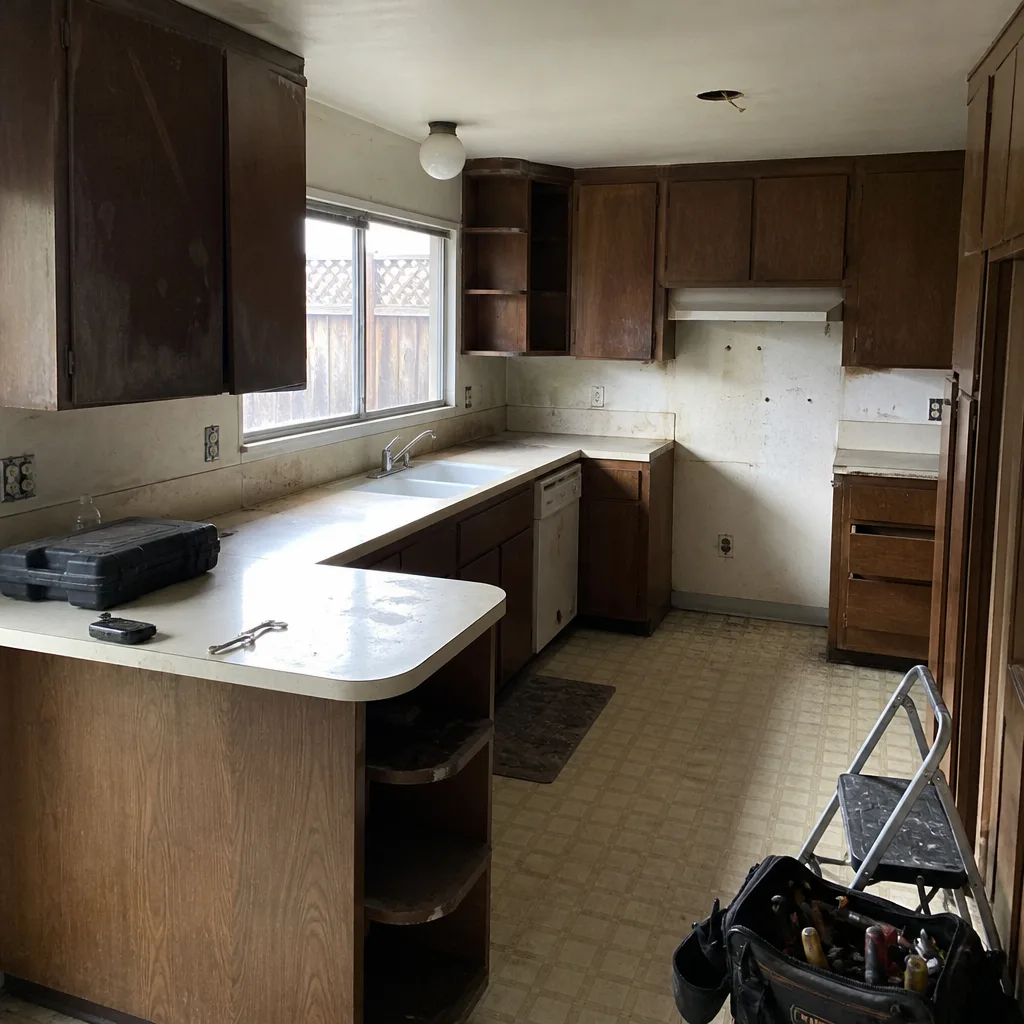
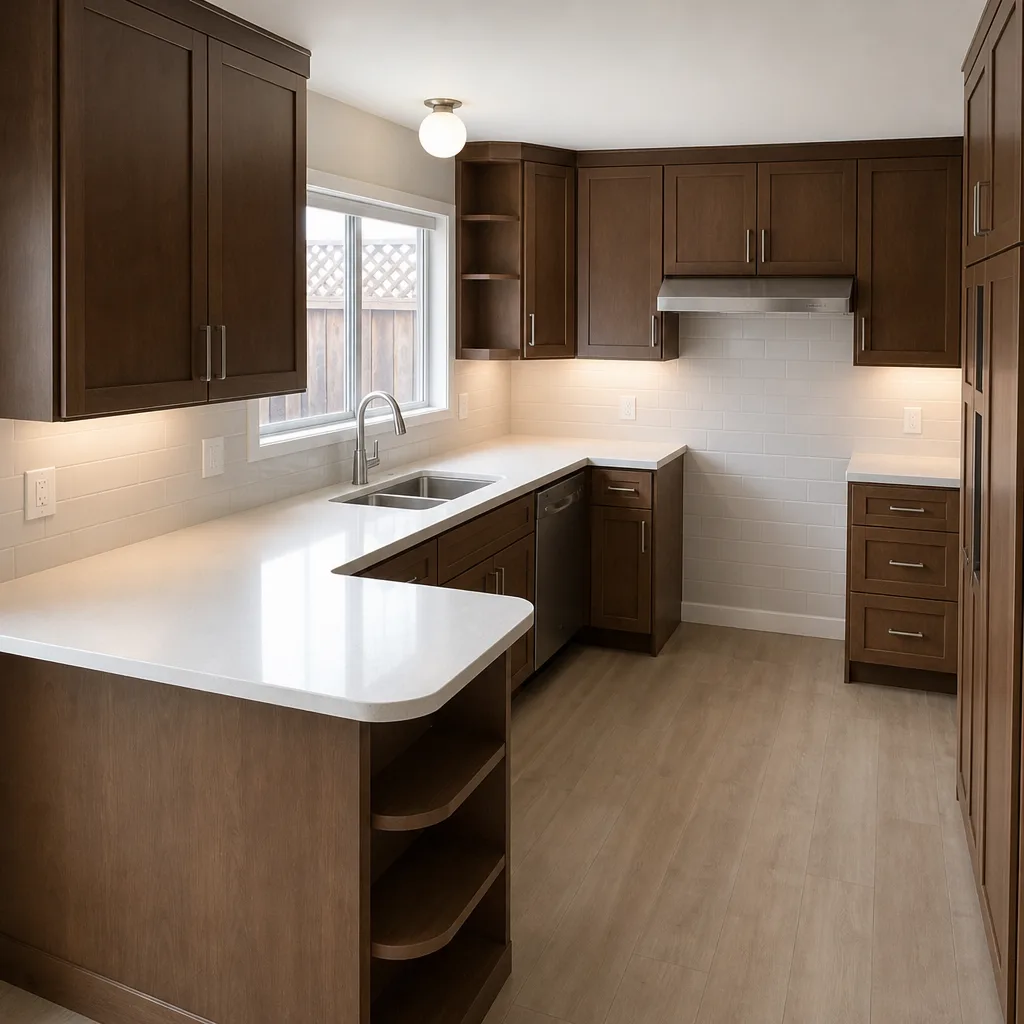
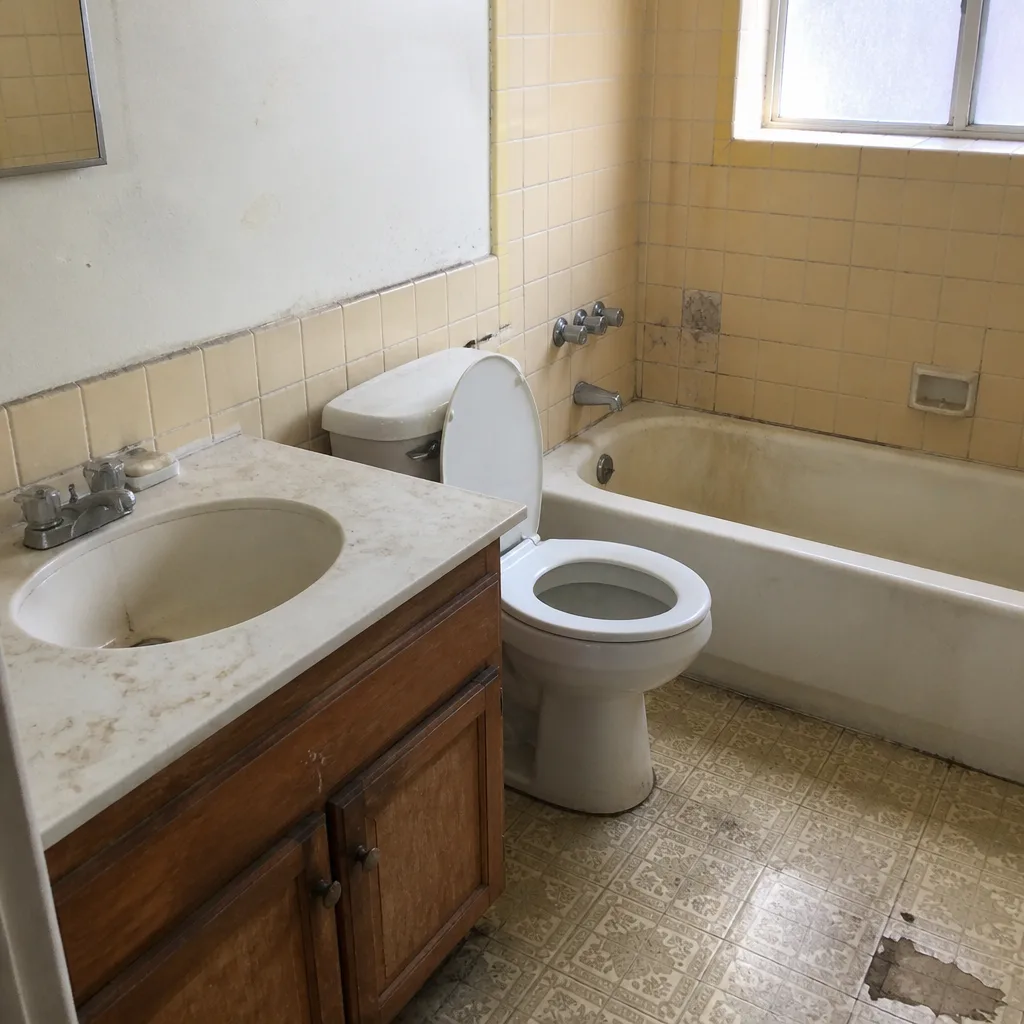
See the difference
 Before
 After
 Before
 After
 Before
 After
When to Call a Professional
Some of this work is a homeowner’s weekend job – a wash, a hardware lube, a visual walk. Other parts aren’t. If a post is structurally compromised, if a long run has sagged out of line, if you’re replacing several posts after a wet season, or if the fence sits on a slope where a footing failure could take out a gate or a section, that’s a job for a trained crew with proper footings and tooling. Replacing a post that holds a gate is a safety repair, not a cosmetic one. Rowan Construction Group Fremont offers free estimates in Fremont with a flat written price before any work begins, a 365-Day Done Right Promise, and a free second opinion on any written estimate you already have. Call (866) 797-6171 to schedule your free estimate.
Frequently Asked Questions
Every 2 years for cedar and every 2 – 3 years for pressure-treated pine, and the sealer should go down in the June – July dry window, not in spring. Sealing in Fremont’s rainy months prevents proper cure and shortens the finish’s life. Call (866) 797-6171 if you want a written price on a seal-and-repair job – estimates are free.
No – March is one of Fremont’s wettest months, and stain applied to wood that won’t dry for days won’t cure properly. Wait for two to three consecutive dry, warm days in June or July. It’s the single biggest scheduling mistake we see.
Probe the base of the post and the rail ends with a flathead screwdriver. Firm resistance means sound wood; soft, spongy give means internal decay. Anything deeper than about a quarter inch into a structural member warrants replacement, not treatment.
Vinyl needs an annual wash with mild soap and no sealant, and aluminum needs an annual hardware check with no surface treatment. Neither material requires a finish schedule, which is a real long-term savings in Fremont’s wet climate.
Lubricate the hinge pins with a dry PTFE spray (not WD-40), then check latch alignment, then verify the post is plumb. Post movement is the most common cause of a latch that won’t catch, so fix the post before you touch the latch.
In California, shared boundary fences are typically a mutual responsibility, and Fremont’s HOA rules may add requirements on top. If a fence is on your line and needs work, get a written scope and a documented record of the condition first. Call (866) 797-6171 to talk through the situation with an experienced crew.
Fence work often pairs with other site work, and if your driveway or pavers are on the same schedule, Driveway & Pavers in Fremont covers the grading questions that overlap. If you’re planning a larger backyard change alongside the fence, our Home Additions & ADU in Fremont guide explains how a project’s written scope is set before anything begins. Every quote we issue is a flat written price with a written scope and a written warranty, and no change proceeds without a signed change order – the discipline behind finishing 4,000-plus projects within a few percent of the agreed cost. Our technicians have up to 19 years of experience, and we bring a documented photo record on every visit.
The Bottom Line
Fence maintenance in Fremont is a calendar question more than a product question. Inspect in April after the rains, stain and seal in the June – July dry window, service gate hardware in October, and leave vinyl and aluminum alone beyond a wash and a hardware check. Match the interval to the material: pine every 2 – 3 years, cedar every 2, vinyl and aluminum as above. Do the annual probe at post bases, replace structural decay instead of treating it, and keep a written log with dates, findings, products, and the next due task. Time the work to the weather and a fence lasts measurably longer. Call (866) 797-6171 for a free estimate if any of it needs a professional.
Written by the team at Rowan Construction Group Fremont.