Last updated November 17, 2026


Free written scope consultation - allowances, timeline, and change-order rules on paper before a single trade is scheduled
Fence Installation Troubleshooting: Common Problems and How to Fix Them
A gate that won’t latch is almost never a latch problem. It’s a hinge problem, which is almost always a post problem. Replacing the latch costs $15 and fixes nothing; replacing the post costs $200 and fixes everything. That single chain of cause and effect explains most of what goes wrong with fences, and it’s why we wrote this guide to diagnose before prescribing. In Fremont, where clay soils swell in winter and dry hard in summer, the wrong repair is easy to make and expensive to repeat. Below you’ll find the five most common failures, how to test each one, and the specific sequence that actually solves the root cause instead of the symptom.
Quick Answer
Most fence failures come down to three installation defects: inadequate concrete footings, wrong fastener metal, and missing drainage away from the post base. A leaning post can often be re-plumbed if the lean is under roughly 5 degrees and the wood is sound; past that angle, replacement is the safer call. Diagnose the cause first – footing, soil, or impact – then repair. Fixing the visible symptom without addressing the footing means the fence will lean again within two seasons.
Styles & brands we work with
- Kitchen remodeling
- Bathroom remodeling
- Home additions & ADU
- Roofing
- Windows & doors
- Driveway & pavers
- Fence
Table of Contents
- Why Is My Fence Post Leaning?
- Why Are My Fence Boards Warping?
- Why Does My Gate Sag and Drag?
- Why Is There Rust Staining on My Fence?
- Why Is My Fence Board Rotting at the Bottom?
- Which Fasteners Match Which Fence Material?
- When Is a Temporary Repair Good Enough?
- What Should You Photograph Before Any Repair?
Why Is My Fence Post Leaning?
A leaning post has one of three causes, and the repair is different for each. Get the diagnosis wrong and the lean returns.
Cause 1: Inadequate concrete footing
The post hole was too shallow or too narrow. Industry standard for a 4×4 post is a hole roughly 24 inches deep and three times the post width in diameter, with concrete poured to within a few inches of grade. In Fremont’s heavy clay, undersized footings heave seasonally. The fix is a new, properly sized footing – not a brace.
Cause 2: Soil erosion or drainage failure
Water pooling at the base of the fence washes soil away from the concrete collar. Once the footing is exposed, the post loses lateral support. Look for a gap between concrete and soil, or visible root-like channels from runoff. Redirect grading away from the fence, then re-compact soil around the footing.
Cause 3: Vehicle or mechanical impact
A single sharp lean on one or two adjacent posts, with cracked wood or a displaced footing, points to impact. The post often needs replacement; the footing may be salvageable.
The probe-and-rocking test
- Insert a screwdriver or probe into the soil beside the post at ground level.
- Push down firmly – if it slides in with little resistance, the soil has eroded or is saturated.
- Grip the post firmly near the base and rock it side to side with moderate force.
- If the post moves independently of the surrounding concrete, the footing has failed.
- If the concrete collar moves with the post, the footing is intact but the soil is loose.
For lean measurement: hold a level against the post face and note the bubble offset. A lean under roughly 5 degrees with sound wood and an intact footing can usually be re-plumbed by trenching, straightening, and re-concreting. Past 5 degrees, and especially when the footing itself is cracked, replacement is the durable answer. Fremont homeowners in the Mission San Jose and Niles districts deal with this often, since older properties frequently have posts set in shallow holes the original builder dug by hand.
Why Are My Fence Boards Warping?
Warping means the board is taking on moisture unevenly, and the wood is responding. There are three overlapping causes worth separating.
- Moisture exposure. Boards cupping toward the sun on one face, with no sealer, twist as one side dries faster than the other. A penetrating sealer applied every two to three years reduces this dramatically.
- Improper fastener type. Nails driven too close to the board edge, or a single fastener per rail intersection, let the board curl. Two fasteners per rail, offset slightly, hold the board flatter.
- Species choice. Cedar moves less than pine but not never; pressure-treated pine in a wet/dry climate like Fremont’s will show a predictable amount of movement in the first year. Western red cedar and clear-grade cedar resist movement better than common pine, but expect some seasonal change regardless.
If only a few boards have warped, replace those and re-seal the whole run. If the whole fence line is cupping in the same direction, the moisture is coming from one side – typically the side exposed to prevailing weather or a sprinkler head that’s wetting the fence – and you’ll need to address the source, not just the boards.
Why Does My Gate Sag and Drag?
Gate sag has three possible origins, and again, the fix depends on which one.
Hinge gauge
Underweight hinges – the kind sold with low-cost gate hardware kits – bend under the load of a 42-inch gate in a season. Replace with heavy-duty hinges sized for the gate weight, and use a hinge rated for outdoor exposure.
Post movement
If the hinge-side post has any rock or lean, the gate follows it. Run the probe-and-rocking test from the leaning post section above. Gate posts carry more load than fence posts and need a footing sized accordingly – often 10 to 12 inches in diameter and set below the frost line equivalent for the area.
Frame racking
A gate frame that has lost square – measure corner to corner; both diagonal measurements should match – will sag even with perfect hinges and a solid post. A diagonal brace (or replacing a missing one) re-establishes square. On a wooden gate, a compression brace from the top hinge corner to the bottom latch corner resists sag directly.
Fix in the correct order: post first, then frame, then hinges. Skipping to the hinges wastes money and the sag returns in weeks.
Why Is There Rust Staining on My Fence?
Rust staining at fasteners and rail intersections almost always means one of two things: the wrong fastener metal, or galvanic reaction between dissimilar metals.
Galvanic corrosion happens when two metals touch in the presence of moisture and a small electrical current moves between them. Aluminum rail components (common in modern ornamental and hybrid fences) paired with plain steel or low-grade zinc fasteners will corrode at the contact point, staining the surrounding wood, aluminum, or vinyl within months.
The remedy is to match the fastener to the metal of the component:
- Pressure-treated lumber: hot-dipped galvanized or stainless steel fasteners only. Standard electro-galvanized nails will rust through the ACQ treatment residue within a season or two.
- Cedar: stainless steel preferred; hot-dipped galvanized acceptable short-term. Cedar’s natural acidity accelerates corrosion on cheaper fasteners.
- Vinyl: stainless steel or color-matched vinyl-coated fasteners. Bare steel stains vinyl directly.
- Aluminum: stainless steel, or aluminum-specific fasteners. Never plain steel, never electro-galvanized.
Once staining starts, replace the fasteners – not just sand and paint. The chemical reaction continues until the wrong metal is gone. On Fremont fences, we see this most often where a homeowner added aluminum gate hardware to an existing treated-pine fence without upgrading the screws.
Why Is My Fence Board Rotting at the Bottom?
Rot begins in one of two places: at the ground contact or at the rail. Which one matters for repair scope.
Ground-contact rot
The bottom of a board sitting directly in soil or mulch stays wet between rain events. The soft, dark, crumbling wood begins at the base and moves up. Rot spreads faster in humid marina districts (like Ardenwood and Newark’s shoreline areas adjacent to Fremont) where ambient moisture is higher year-round.
Moisture trap at the rail
Water pools where the horizontal rail meets the vertical board. Look for a dark line along the top edge of the rail. Because the trapped moisture is behind the board, the visible face looks fine while the back is failing.
Species choice
Pressure-treated pine rated for ground contact (with the appropriate retention level) is the minimum standard. Untreated pine, or treated lumber rated for above-ground use only, will fail at the base in two to four seasons in a Bay Area climate. Cedar and IPE have different rot profiles; cedar is naturally resistant but not immune at direct ground contact.
Repair scope: if rot is confined to the bottom two feet of a board, a “dutchman” patch – removing the rotted section and splicing in a treated replacement 8 to 12 inches above the rot zone – buys time. If the rail itself is soft, replace the rail and the boards touching it. Rot that reaches a post means the post comes out.
Which Fasteners Match Which Fence Material?
This is the chart we keep on the truck. Getting it wrong causes the rust and corrosion described above.
- Pressure-treated lumber: hot-dipped galvanized (HDG) or stainless steel. Electro-galvanized is not adequate with modern copper-based treatments.
- Cedar: stainless steel, or HDG. Stainless is the durable answer.
- Vinyl: stainless steel or vinyl-coated. Stainless screws with color-matched heads are standard.
- Aluminum: stainless steel or aluminum-rated fasteners. Never plain steel or electro-galvanized.
- Composite: per manufacturer spec, usually stainless steel or coated composite screws. Follow the label.
Same principle applies to hinges, brackets, and gate hardware: match the metal to the fence material and to what it touches. When two components meet (an aluminum gate hinge on a treated-pine post, for example), use stainless steel through both – the stainless becomes the barrier.
When Is a Temporary Repair Good Enough?
A temporary brace-and-monitor approach is acceptable when the failure is minor and not actively progressing. It is never acceptable when rot or foundation erosion is compounding.
Appropriate for brace-and-monitor
- Single post with a lean under 5 degrees, sound wood, intact footing, no visible movement over a month.
- One or two boards warping in a run that otherwise sits flat.
- Gate sag from a hinge that’s a single size under-rated, with square frame and solid post.
Compounds if deferred
- Rot spreading along a rail – every week the moisture sits, another few inches become unusable.
- Foundation erosion under a gate post – the post will lean further, often into the gate swing, creating a fall hazard.
- Any post lean past 5 degrees – the load transfer to adjacent posts accelerates.
- Galvanic corrosion still active – the wrong fastener keeps reacting until replaced.
Six to twelve months of monitoring is reasonable for the first group. For the second, deferral costs more than repair every time.
What Should You Photograph Before Any Repair?
Before any repair, document what you’re starting with. This matters three ways: HOA approval, contractor warranty leverage, and insurance claims if the failure came from storm or vehicle impact.
- Full elevation photo of the affected fence section, taken from both sides if accessible.
- Close-up of the failure point – the base of the leaning post, the rotted board, the rusted fastener.
- A level held against the post face, so the lean angle is visible in the frame.
- Wide shot showing the property line and any adjacent structures that could have been involved in an impact.
- Dates on every photo (most phone cameras embed this in metadata; a written note in the shot is a backup).
- Copies of the original installation contract or HOA approval, if the fence predates your ownership.
If you’re repairing a fence installed by another contractor, take these photos before the repair crew touches anything. Warranty claims routinely fail because the failure wasn’t documented. When Rowan crews work on a fence in Fremont – either a new install or a repair of existing work – a documented photo record on every visit is included as part of the deliverable, not an add-on.
Common Mistakes to Avoid
- Replacing the latch instead of diagnosing the hinge and post. The latch is the messenger, not the cause. Fix the post first, then the frame, then the hinge – never the reverse.
- Bracing a leaning post without checking the footing. A brace on an undersized footing hides the problem for one season. When the brace comes off, the lean returns, usually worse.
- Using electro-galvanized fasteners on treated lumber. The modern copper-based treatment corrodes electro-galvanized hardware within a year in Fremont’s wet winters. Hot-dipped galvanized or stainless, always.
- Ignoring soil drainage. Water pooling at the base of a post erodes the footing faster than any other cause. If the ground slopes toward the fence, fix the grading before you fix the post.
- Mixing cedar boards with treated-pine rails without checking fastener compatibility. Cedar’s acidity reacts with cheaper fasteners; the rail-staining begins within a season.
- Skipping the photo record. Two-thirds of the warranty disputes we see could have been settled with one photo of the fence a year ago. Take it before the crew arrives.
- Repairing rot in a surface patch without confirming the rot hasn’t reached the rail. If the rail is soft, the patch will fail in weeks.
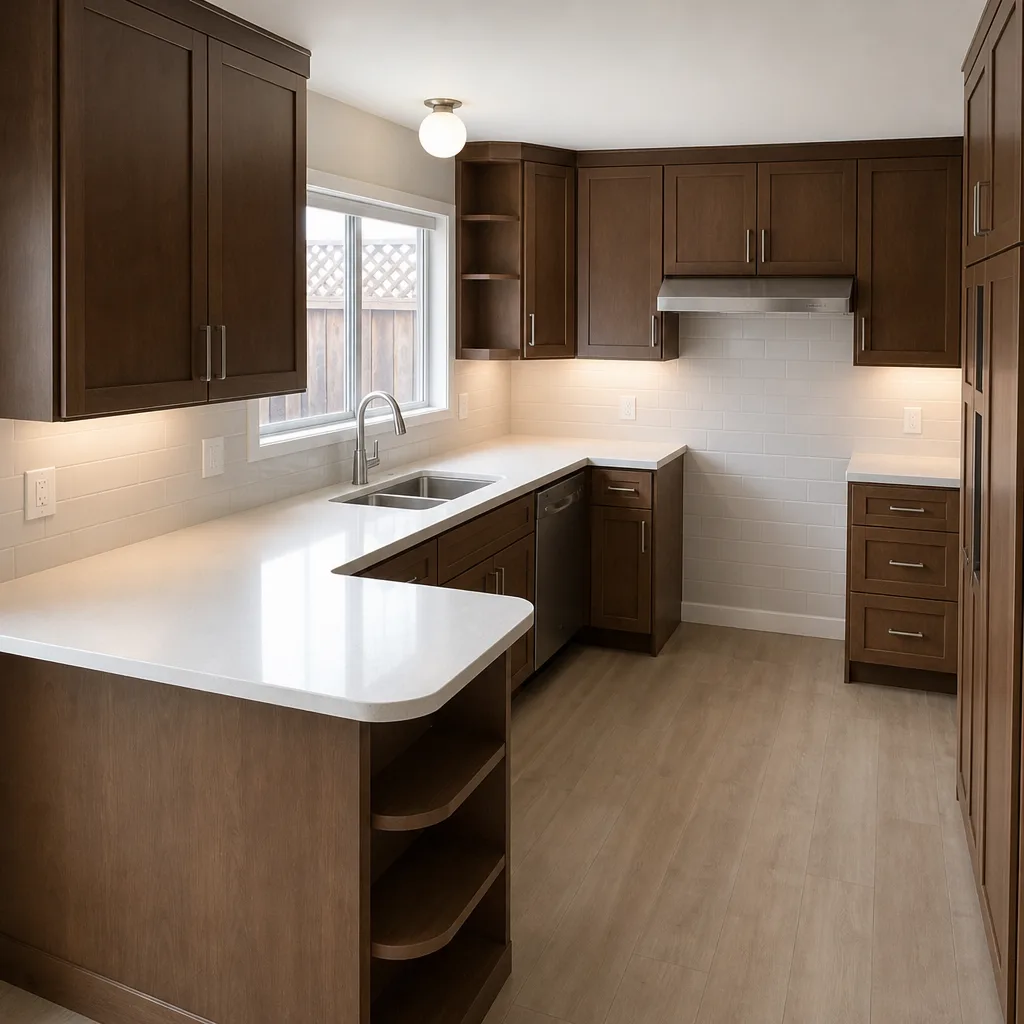
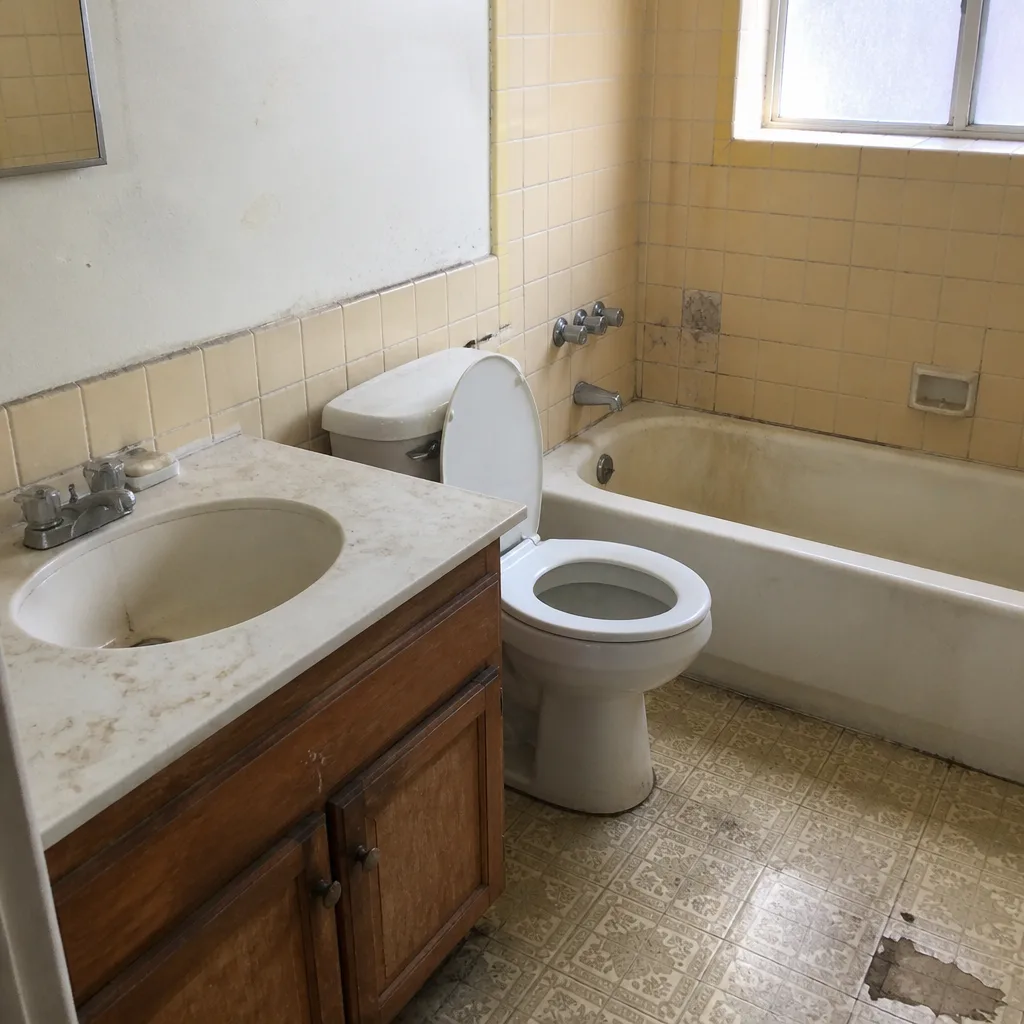
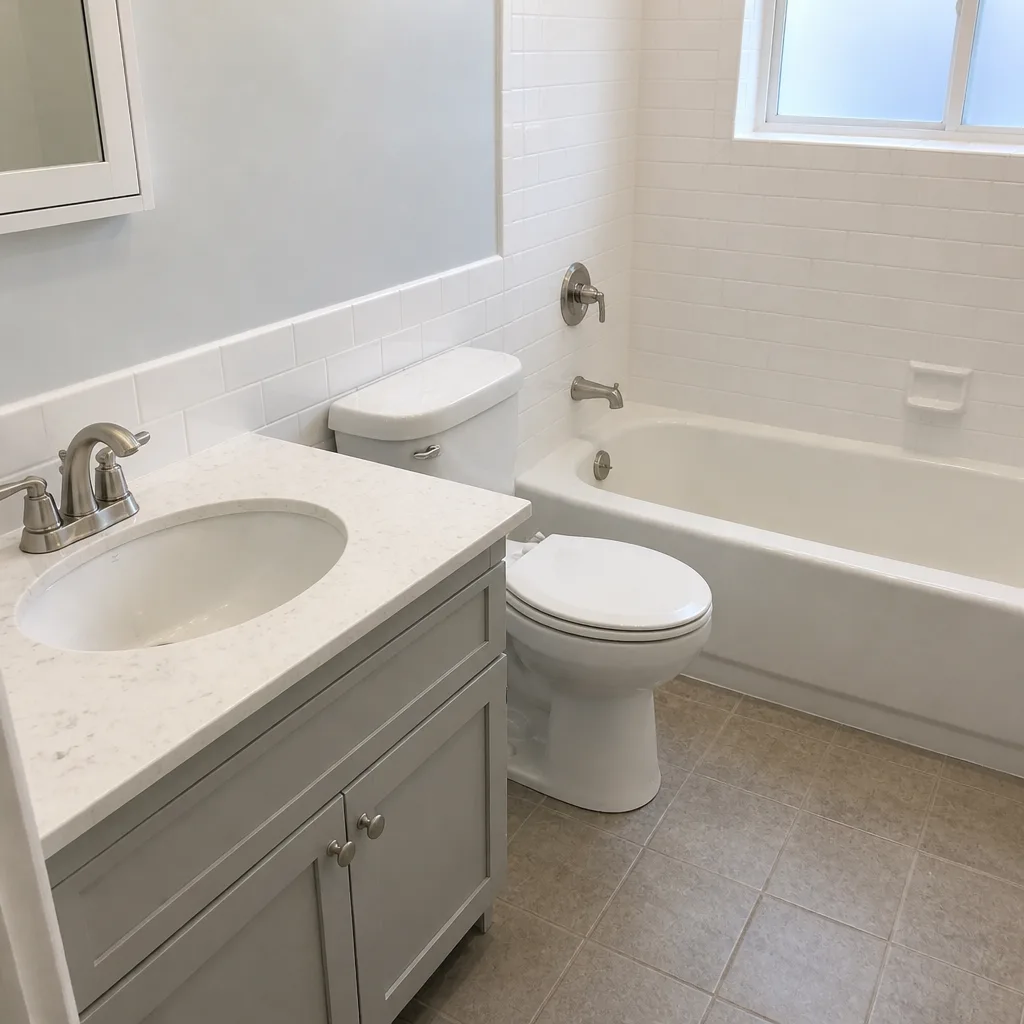
See the difference
 Before
 After
 Before
 After
 Before
 After
When to Call a Professional
Some fence repairs are homeowner-level, and some aren’t. Call a licensed contractor when any of the following applies: a post needs full replacement and the footing must be re-poured; the lean is past 5 degrees; a gate post has lost its footing; rot has reached the rail or the post; water damage is widespread along a run; or you’re dealing with an HOA that requires a documented scope of work before any board comes off. Also call if the fence was damaged by vehicle impact or storm, because the repair scope and any insurance documentation need a written record from day one.
Rowan Construction Group Fremont offers free estimates in Fremont – call (866) 797-6171 to schedule one. Every written price is delivered as a flat number with a written scope and a written warranty before any work starts, and no change proceeds without a signed change order. If you already have another contractor’s written estimate, bring it – our free second opinion reviews it line by line at no charge.
Frequently Asked Questions
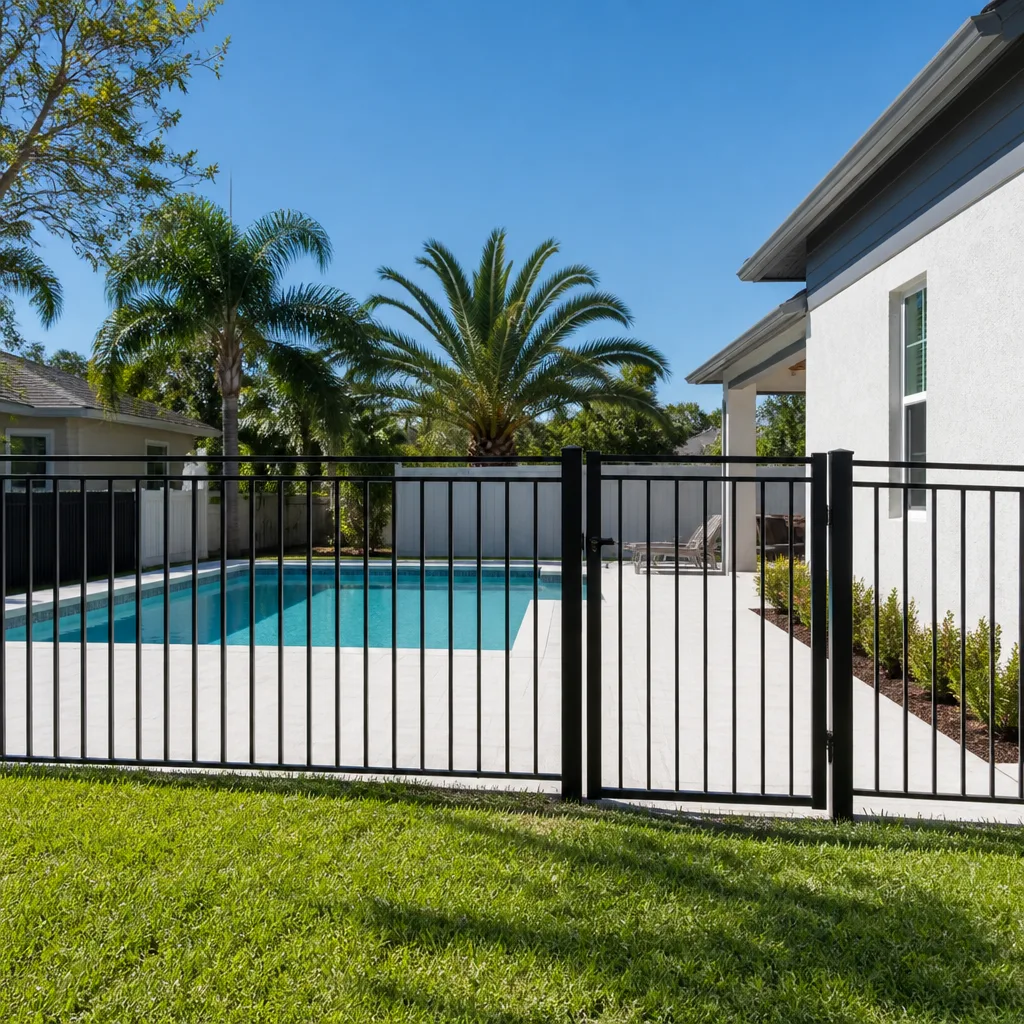
A single post replacement in Fremont typically runs a few hundred dollars and includes the new footing and hardware; a full run replacement runs thousands depending on length and material. Exact figures depend on post count, material, and access. Call (866) 797-6171 for a written price before work starts.
Yes, if the lean is under roughly 5 degrees, the wood is sound, and the footing is intact but has been undermined by soil erosion. If the footing itself is cracked or the post is past 5 degrees, replacement is the durable fix. A straightening without addressing the footing barely holds a season in Fremont’s clay.
A gate sagging on the hinge side means the post has moved or the hinge has bent; a gate sagging on the latch side means the frame has lost square. Diagnose by measuring diagonally corner to corner – if those don’t match, the frame is out of square. If they do match, check the hinge and post.
Local rules vary by height, setback, and whether the work is a repair or a replacement of more than a set percentage of the fence. Repairs that restore the existing line generally don’t require a permit, but replacements often do. Ask before work starts. Rowan pulls permits and passes inspections on any job where the local jurisdiction requires them, and the written scope names what’s included.
A single-post replacement is typically a half-day to a full day, factoring curing time for the concrete. A gate rebuild is one to two days. A full fence run repair depends on length and how much of the rail is salvageable – the written scope will have a target duration on it before work begins.
Not without a signed change order. That’s Clause 1 of the Haven Standard and the discipline behind every Rowan project finishing within a few percent of the number the customer agreed to. If the contractor discovers rot behind a rail that wasn’t visible at the estimate, they present the change in writing and the work doesn’t proceed until you sign.
The Bottom Line
Fence problems look like five different failures and behave like one chain: footing, fastener, drainage. Diagnose the root cause before you replace the visible part – a new latch doesn’t fix a bent hinge, a bent hinge doesn’t fix a leaning post, and a leaning post doesn’t fix the soil erosion that pushed it there. Test the footing, match the fastener metal to the wood, and photograph the starting condition. If the lean is minor and the wood is sound, a brace-and-monitor approach buys six to twelve months. If rot has reached the rail or the footing has failed, fix it now – deferral always costs more. For a written scope and a flat price before any work starts on a Fremont fence, call us.
For new installations, replacement quotes, or a second opinion on another contractor’s fence estimate, see our Fence Installation in Fremont service page. Related work across the trades: Driveway & Pavers in Fremont for the pavers and grading adjacent to fence lines, Home Additions & ADU in Fremont for properties where a fence line borders an ADU build, and the Rowan Construction Group Fremont home page for the full picture across seven residential trades.
Contact
If you’re staring at a leaning post and trying to figure out whether it needs a new footing or just a brace, call us at (866) 797-6171 to schedule a free estimate. We’ll walk the fence with you, describe what we found in plain terms, and hand you a written price before anyone picks up a tool. Rowan technicians have up to 19 years of experience, every crew is background-checked and uniformed, and every visit includes a documented photo record – standard, not optional. The 365-Day Done Right Promise backs the work: if it isn’t done right, we make it right. Calls are answered by a live person 24/7.
Written by the team at Rowan Construction Group Fremont.