Free written scope consultation - allowances, timeline, and change-order rules on paper before a single trade is scheduled
Styles & brands we work with
- Kitchen remodeling
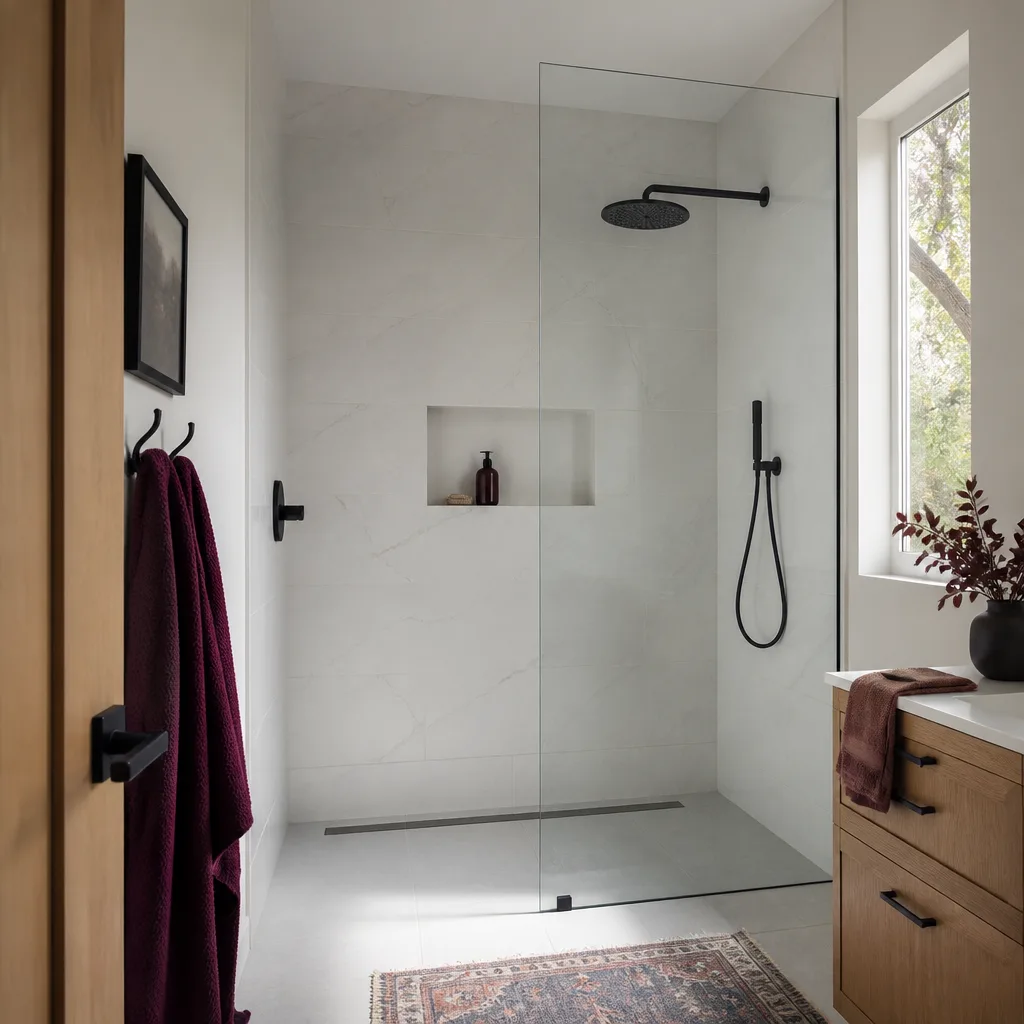
- Bathroom remodeling
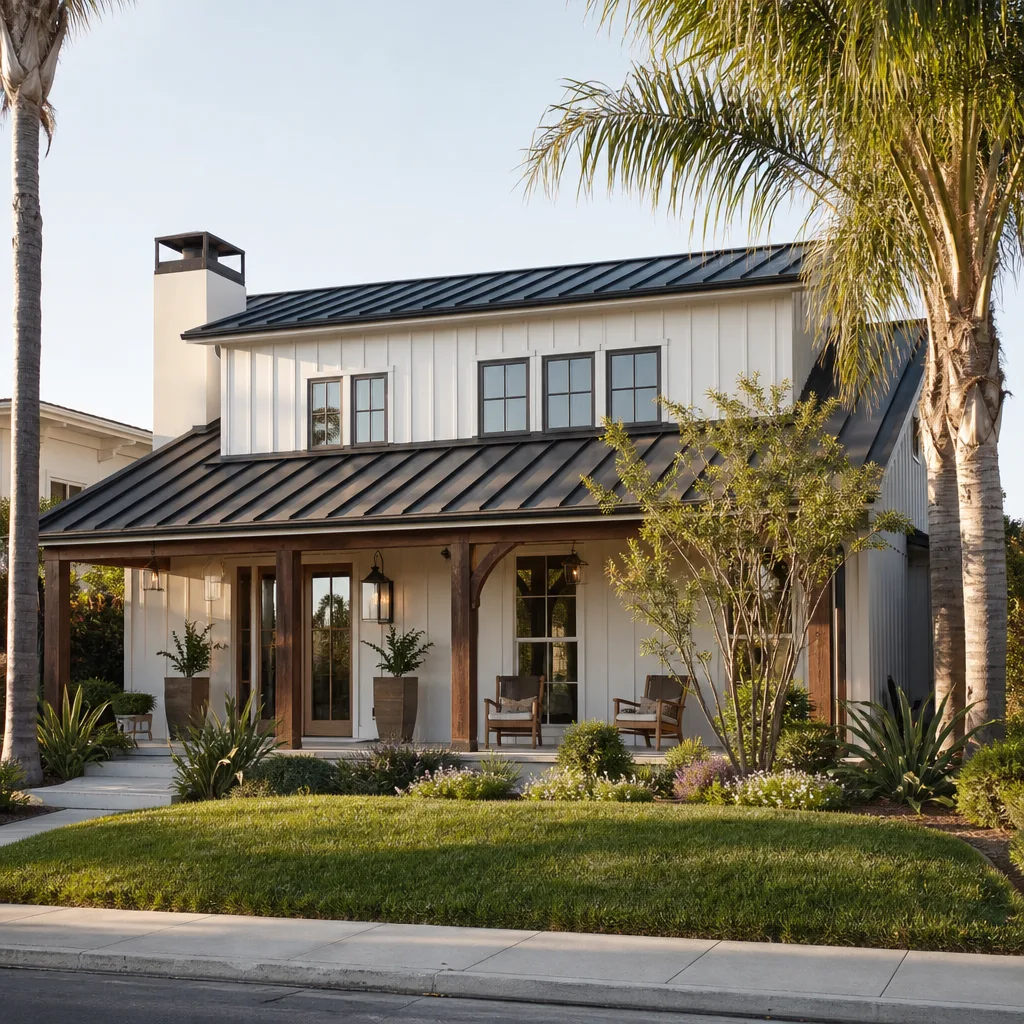
- Home additions & ADU
- Roofing
- Windows & doors
- Driveway & pavers
- Fence
See the difference
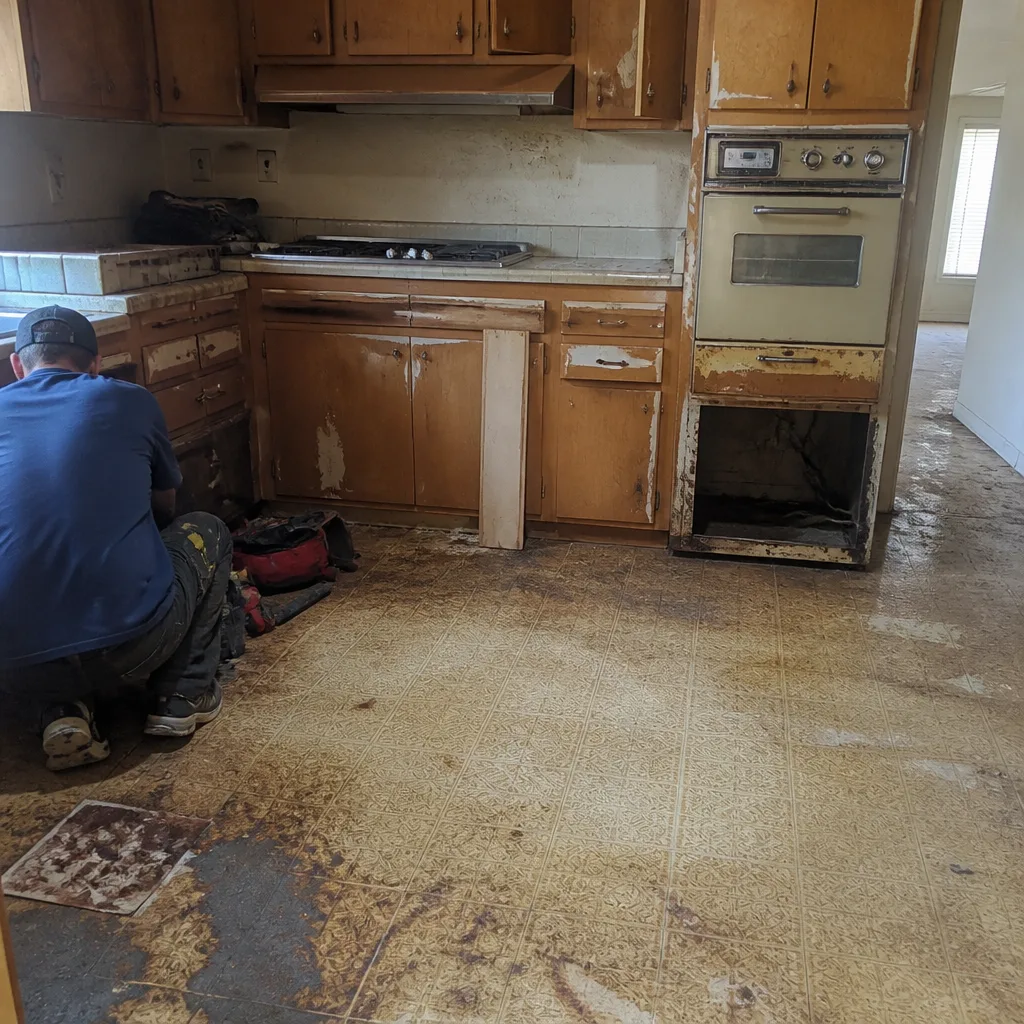 Before
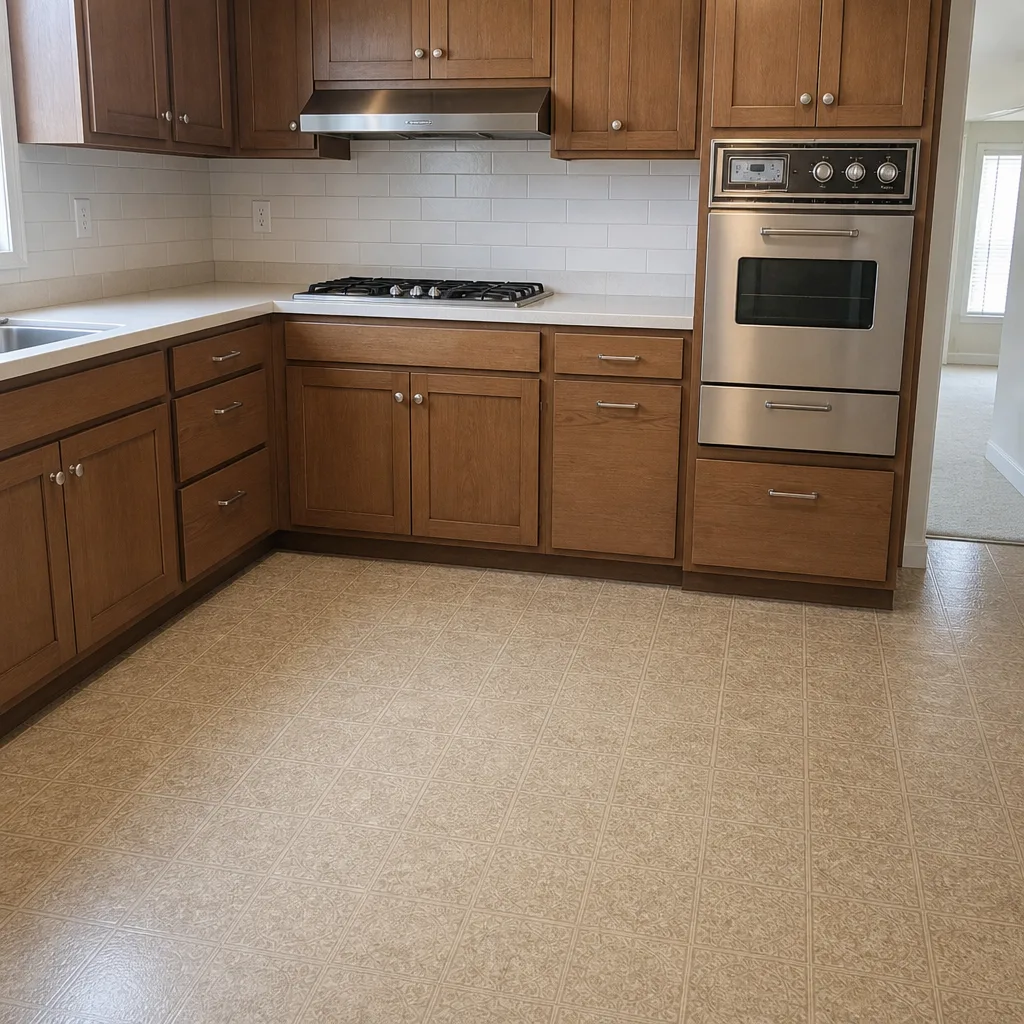 After
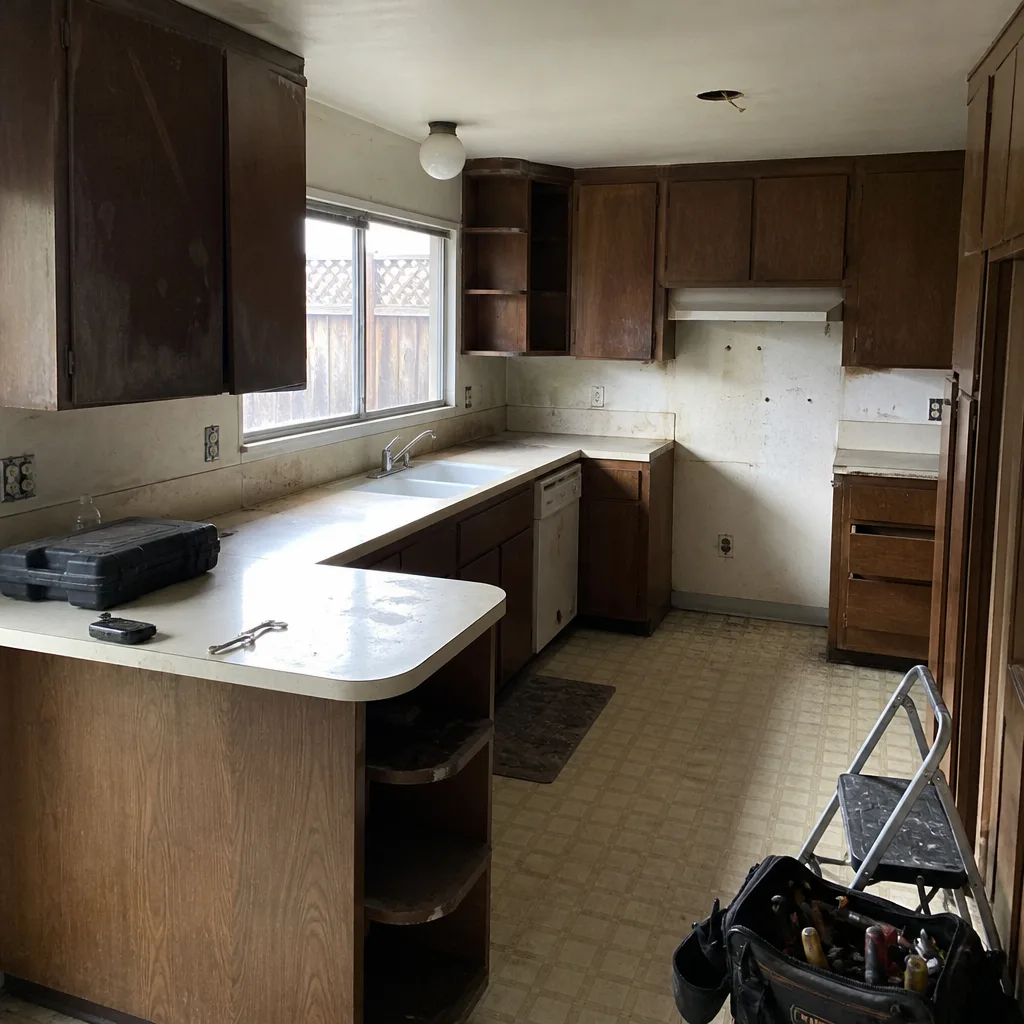 Before
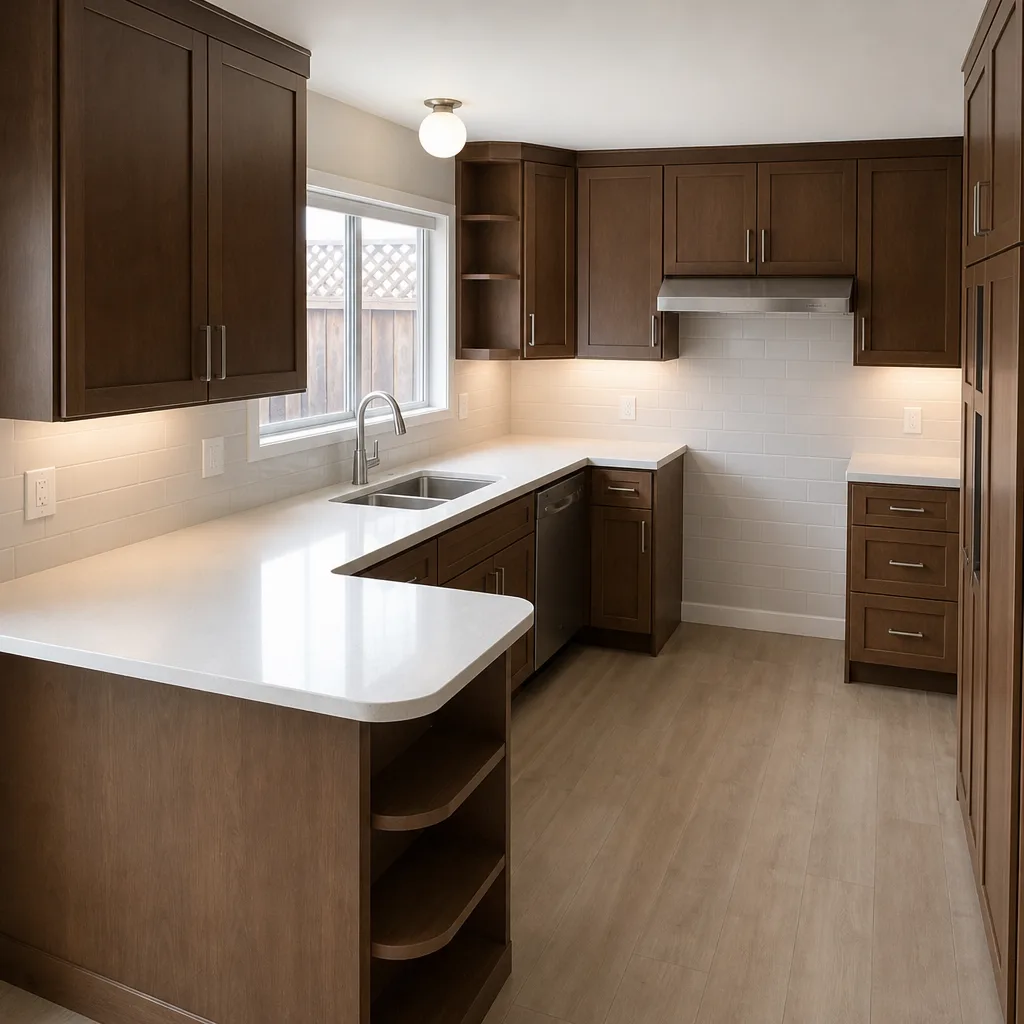 After
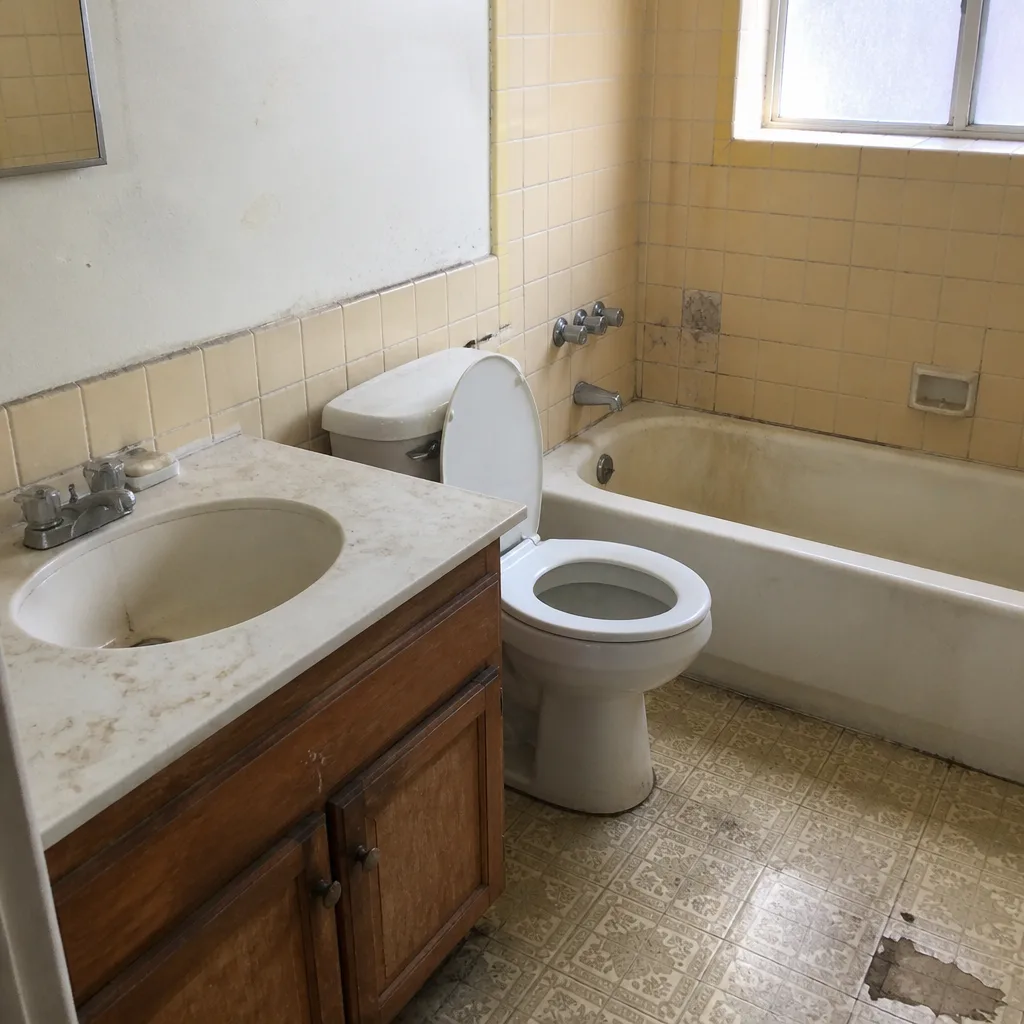 Before
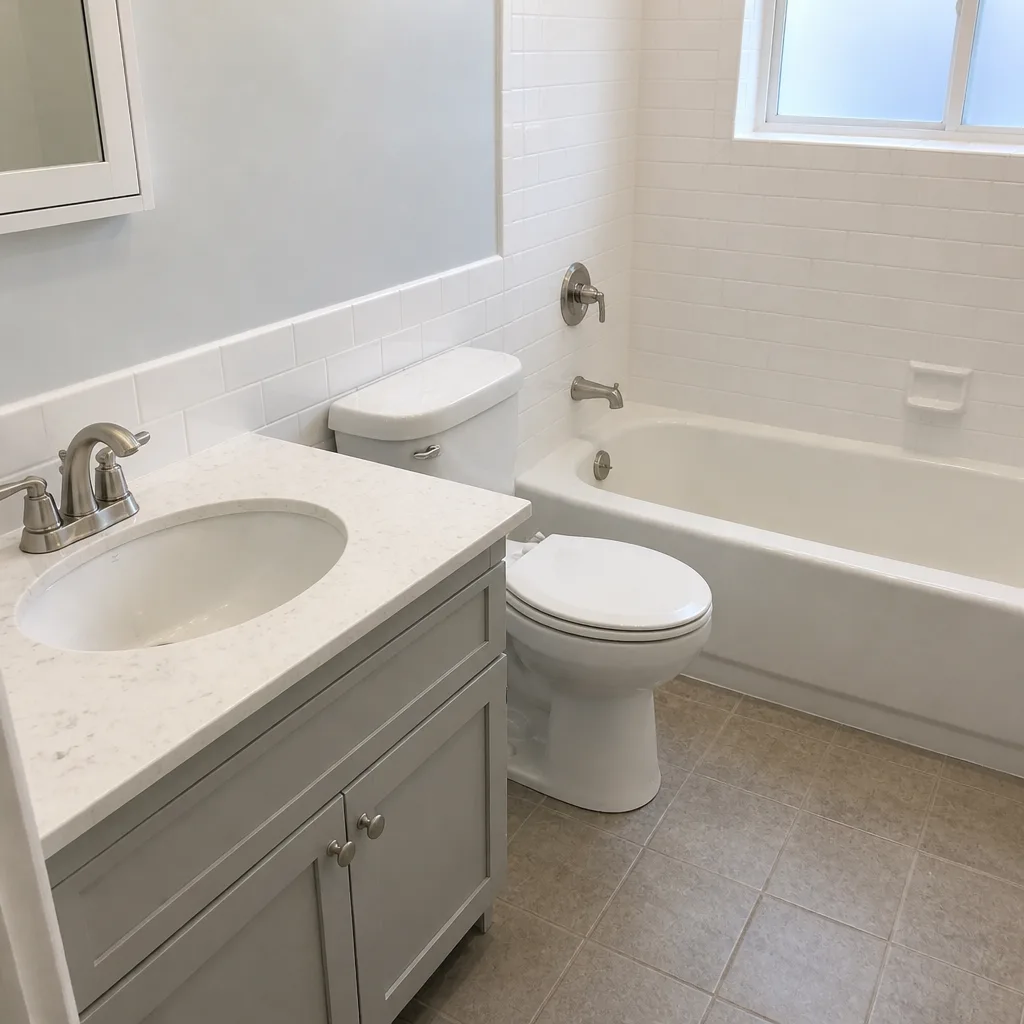 After
Home Addition vs ADU in Fremont, CA: Which One Actually Pays You Back?
Choose the ADU unless your only goal is space for people who already live with you. A 400-square-foot second-story addition in Fremont and a 400-square-foot detached ADU cost within 10-15% of each other at current labor rates, but only the ADU can legally generate rental income under California law, while only the addition inherits the existing foundation, which on a 1960s slab-on-grade near the Hayward Fault zone can add a $15,000-$30,000 seismic upgrade before the city signs off. Call (866) 797-6171 and Rowan Construction Group Fremont will price both scopes in writing, side by side, before anything is ordered.
Key Takeaways
- Fremont home additions run $45,000-$130,000; ADU construction runs $90,000-$220,000, but the ADU is rentable and the addition is not.
- Pre-1980 slab-on-grade homes in the fault zone usually trigger a seismic and bolting review that applies to additions, not to detached ADUs with their own engineered foundation.
- Over ten years, the rent an ADU can collect in submarkets like Warm Springs or Sundale can reach $120,000-$200,000.
- Both scopes are quoted with a flat written price and backed by the 365-Day Done Right Promise.
The paperwork problem hits first, and it hits differently depending on which structure you choose. Fremont is built out. Almost every new square foot here comes from tearing down or adding to a 1950s-to-1970s rancher, and the older tracts around Sundale, Glenmoor, and Brookvale were poured on shallow slab-on-grade footings. On lots inside the Hayward Fault zone, that means a foundation and bolting upgrade to the existing house before the city will sign off on new room area. It’s a scope surprise that derails budgets on otherwise simple additions, and it’s the single reason so many Fremont homeowners end up looking at a detached ADU instead.
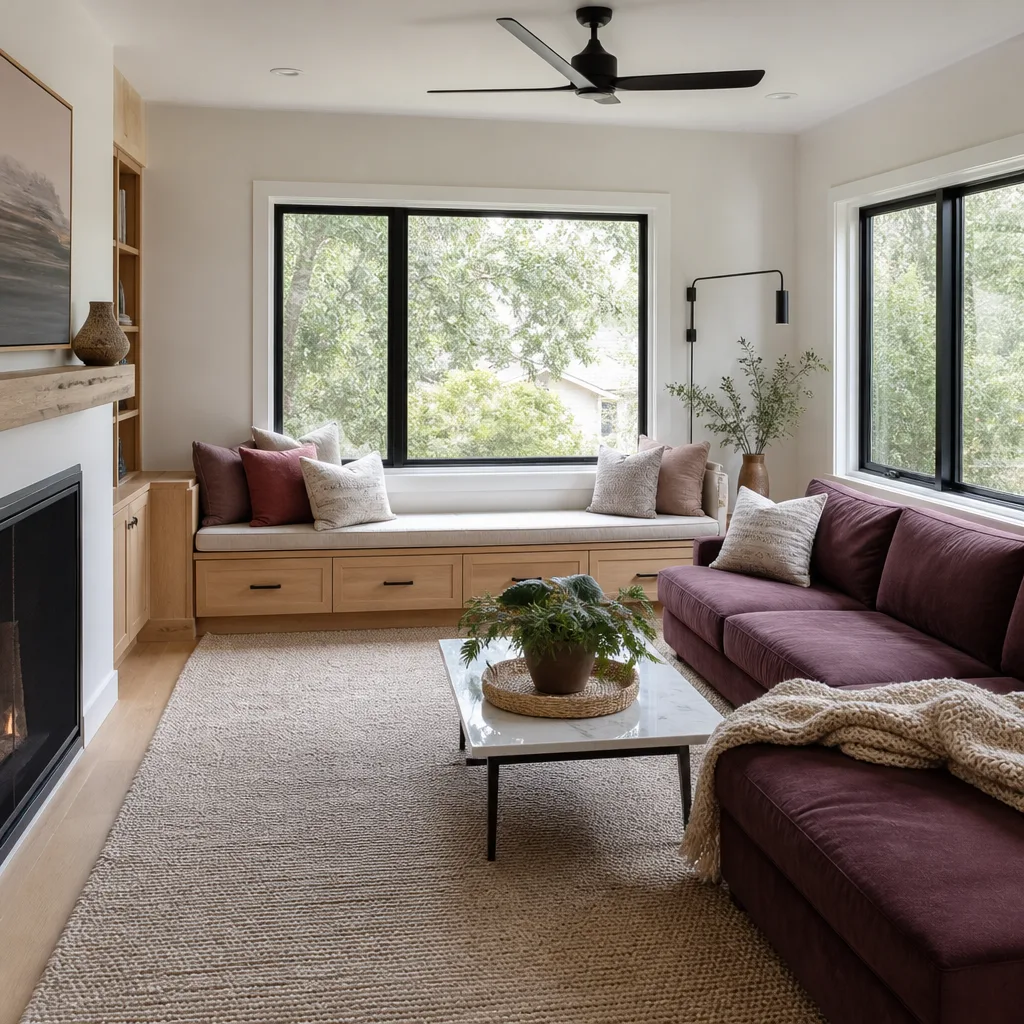
What the Two Options Actually Cost in Fremont
Both scopes are priced against the same labor market and the same Fremont permitting reality, so the differences that matter are structural, not cosmetic. Here’s how the numbers land:
| Line item | Home addition (approx. 400 sq ft) | Detached ADU (approx. 400 sq ft) |
|---|---|---|
| Base construction | $45,000-$130,000 | $90,000-$220,000 |
| Foundation | Shares the existing slab (upgrade may apply) | New engineered foundation |
| Seismic / bolting review | $15,000-$30,000 on pre-1980 slabs in the fault zone | Not triggered by existing house |
| Electrical | Draws from existing panel, possible upsizing | Own sub-panel, sometimes a 200A service upgrade |
| Water | Existing ACWD meter | May require a separate ACWD meter |
| Rental income potential | None (part of primary dwelling) | Full, under AB 881 |
Read the table twice, because the ADU line looks worse until you add the rental column. A separate legal address means a tenant, and a tenant means a monthly number that offsets the carrying cost of the project. A room addition shares your house’s address and can’t be leased on its own. That’s the whole decision in one sentence.
Why the Foundation Decides the Math in Fremont
An addition loads the existing structure. A detached ADU sits on its own footprint and carries its own load. That distinction sounds academic until you’re staring at a 1967 rancher near Mission Peak with a shallow footing and a fault-zone review on the counter.
The soils make it worse. Fremont sits on a transition line: expansive clay up in the foothills gives way to bay mud and high groundwater near the shoreline. In bay-adjacent neighborhoods like Warm Springs and Centerville, a detached ADU needs an engineered foundation built for that soil, but once it’s poured, the cost is a one-time hit. A second-story addition on those same lots may need reinforced shear walls threaded throughout the existing house, and that work reaches into rooms you weren’t planning to touch.
Our technicians have up to 19 years of experience reading exactly this condition, and we describe what we find in plain terms before we write a number: the condition of the slab, the presence or absence of anchor bolting, the depth of the footings. Under Clause 1 of the Haven Standard, that written price arrives before anyone picks up a tool.
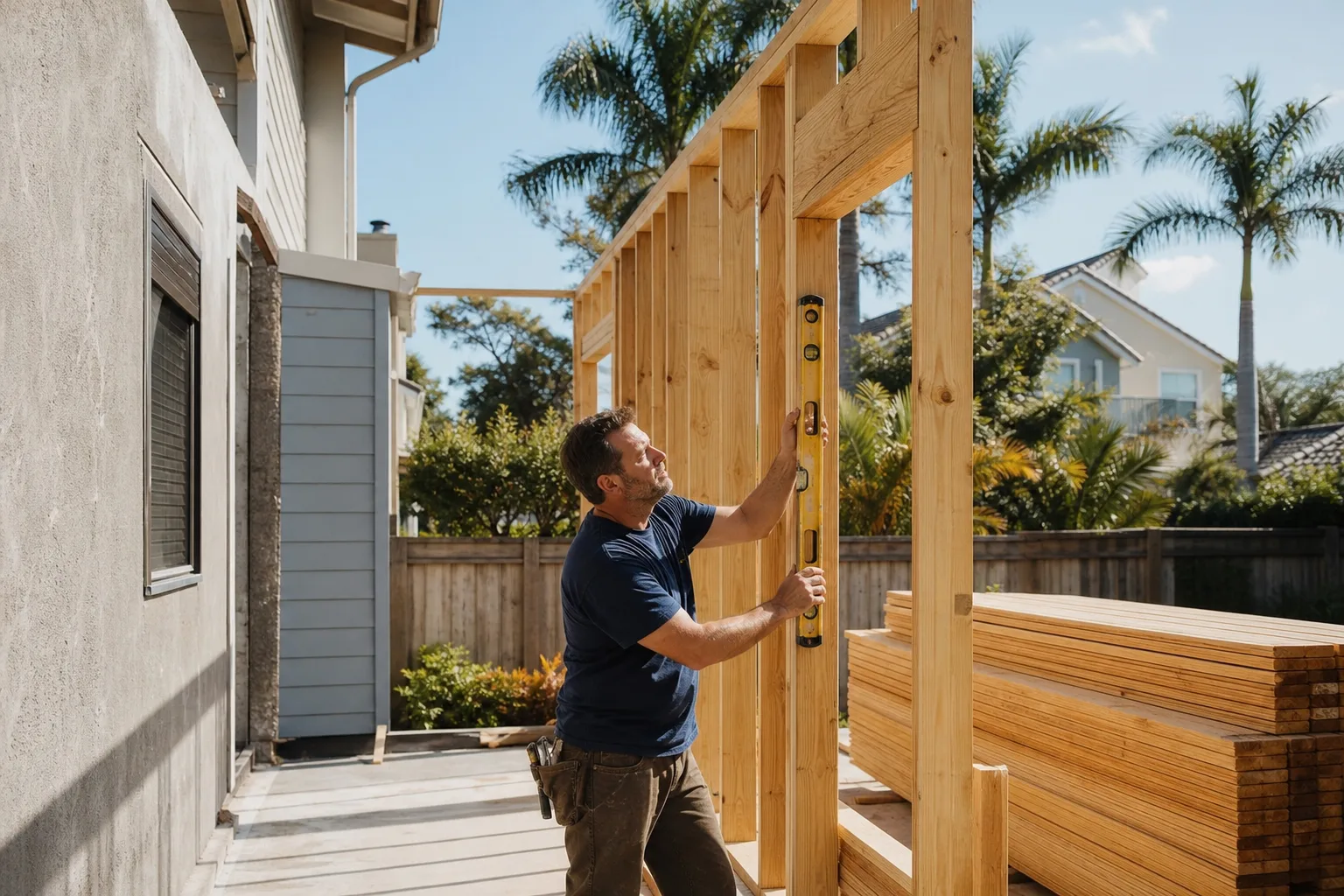
Common Local Scenarios We Price Every Month
Most Fremont calls fall into a handful of recognizable shapes. Here are the ones that come up again and again, with what we typically find:
- The 1960s Sundale rancher, family growing. Homeowner wants a second story. We open the crawlspace access and find unbolted sill plates and aging galvanized plumbing. The seismic upgrade lands at $15,000-$30,000, and the plumbing has to be re-run before the new construction can pass. Sometimes an ADU in the back yard is the smarter play.
- The Warm Springs lot with room behind the garage. Bay mud, high groundwater, and a detached ADU that will need an engineered foundation. Add a separate ACWD water meter and a sub-panel, and the client sees a full written scope with those as named line items rather than a vague range.
- The Glenmoor home with an unpermitted prior addition. Common in the older tracts. We have to sort out the existing permit history before new square footage can be added legally, and that discovery happens before the quote, not after.
- The Brookvale ADU-as-income play. A homeowner doing a ten-year horizon calculation, comparing the rent delta against carrying cost. This is where the ADU wins plainly.
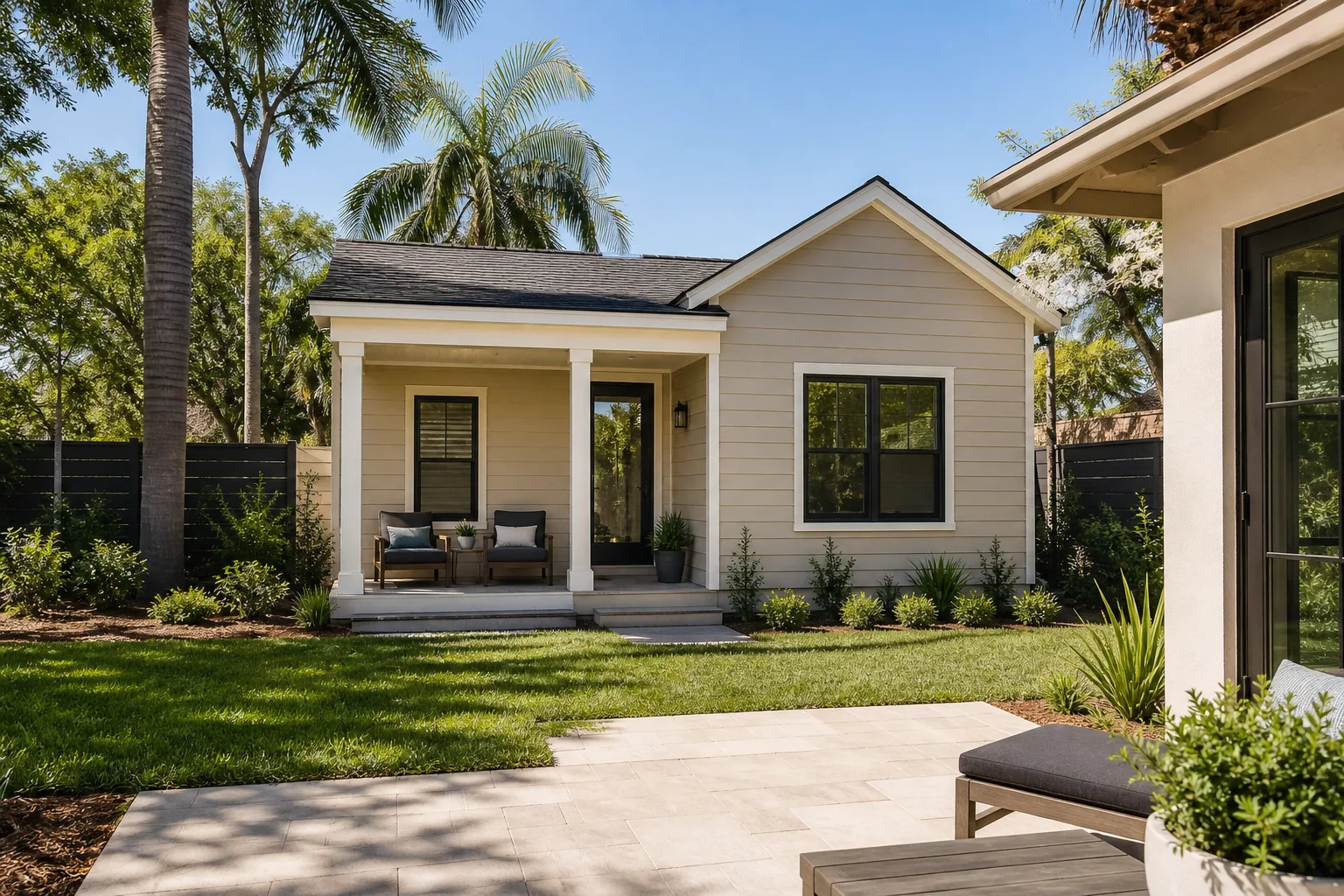
Where the ADU makes sense, we walk the full scope through our Home Additions & ADU work, and the Home Additions & ADU in Fremont page carries the local permitting detail. Because Fremont gets concentrated winter storms, both scopes also need grading and erosion control planned into the schedule on sloped lots, and that’s budgeted, not absorbed later.
The Ten-Year Math That Settles Most Decisions
Put the two projects on a ten-year horizon and the picture sharpens. An ADU at the top of the range costs more up front, but the rent it collects in a Fremont submarket like Warm Springs or Sundale can reach $120,000-$200,000 across a decade. An addition collects nothing. It adds living space and resale value, and that value is real, but it isn’t a monthly check.
So the honest frame is this: if the space is for people already in the house, choose the addition, because the foundation work is the price of the space and the ADU would just be a second building. If the space is for anyone else, choose the ADU, because it’s the only one of the two that California lets you lease. There’s no third option where you get the rental income without the separate structure.
We price both scopes the same way: a flat written price, a written scope, a written warranty, and a signed change order before any change moves forward. If you’d like a second set of eyes on a written estimate you already have, we’ll review it line by line at no charge.
FAQs
A home addition is cheaper up front, running $45,000-$130,000 against $90,000-$220,000 for an ADU, but the gap narrows once you factor in the $15,000-$30,000 seismic upgrade that additions on pre-1980 slabs in the fault zone often require. Call (866) 797-6171 for a written side-by-side price on your lot; estimates are free.
No. A home addition shares your primary dwelling’s address and can’t be leased separately, while a detached ADU carries its own legal address and can be rented under California law (AB 881). That’s the core difference between the two options. Call (866) 797-6171 to talk through the rental math for your street.
Often yes. An ADU may require its own ACWD water meter, along with a sub-panel or sometimes a full 200A service upgrade, while an addition draws from existing services and rarely needs a new meter. We quote utility costs as named line items so nothing hides in the total. Call (866) 797-6171 for an exact quote.
Both add value, but they add different kinds. An ADU brings rentable square footage and year-round income, while an addition brings primary living space. For a ten-year hold, the rent an ADU collects in Warm Springs or Sundale can reach $120,000-$200,000. Call (866) 797-6171 and we’ll price both for your lot so you can compare real numbers.
If you’d rather have it looked at, Rowan Construction Group Fremont offers a no-pressure assessment in Fremont. Call (866) 797-6171 for a written price before any work starts, with the 365-Day Done Right Promise behind it and a documented photo record when the crew leaves.
Written by the team at Rowan Construction Group Fremont, serving Fremont, CA.