Last updated November 17, 2026







Free written scope consultation - allowances, timeline, and change-order rules on paper before a single trade is scheduled
Windows & Doors Maintenance Schedule: What to Do and When
Milgard’s written warranty on hardware components requires lubrication of operating hardware every 12 months. Most homeowners have never read that clause, and most warranty claims on sticking sashes get denied on exactly that basis. It’s a strange gap in home care: the parts most likely to fail are the parts almost nobody services, and the proof of neglect sits in a warranty document no one opened. What follows is the calendar those clauses describe, translated into plain tasks, real products, and the specific measurements that separate maintenance from a repair call. We’ve walked Fremont homes from the Irvington district to the hills above Mission Boulevard, and the pattern holds: a few hours a year protects the components that fail first.
Quick Answer
Inspect, clean, and clear every window and door twice a year (spring and fall), and lubricate operating hardware, check weatherstripping, and test insulation glass once every 12 months. The heaviest window and door maintenance season in Fremont runs October through March, when rain tests weep holes and exterior caulk joints. Annual hardware lubrication isn’t optional housekeeping – it’s a condition written into most major manufacturers’ warranties, and it’s the first thing a claim adjuster checks.
Styles & brands we work with
- Kitchen remodeling
- Bathroom remodeling
- Home additions & ADU
- Roofing
- Windows & doors
- Driveway & pavers
- Fence
Table of Contents
- Why a Written Schedule Matters More Than You Think
- The Twice-a-Year List: Weep Holes, Weatherstripping, and Caulk
- The Once-a-Year List: Hardware, Thresholds, and Insulated Glass
- Which Lubricant Goes Where (and Why to Skip WD-40)
- Timing Exterior Caulk Work Around Fremont’s Dry Season
- Documenting Condition So a Warranty Claim Survives
- When a Maintenance Finding Becomes a Repair
- Common Mistakes to Avoid
Why a Written Schedule Matters More Than You Think
The maintenance language buried in window and door warranties is not decorative. Manufacturers publish service intervals because the parts that fail first – rollers, hinges, locksets, weatherstripping – fail predictably when they’re neglected, and the interval gives the manufacturer a fair way to tell abuse from defect. Read the warranty on a major vinyl window line and you’ll find requirements for cleaning tracks, lubricating hardware, and keeping drainage paths open. Skip them and a sticking sash that should have been covered becomes “lack of maintenance,” which is a denial letter.
There’s a second reason to keep a schedule, and it’s financial. Windows and doors are the parts of a house that take the most weather on the smallest surface area. In Fremont, that means months of dry heat and dust followed by wet winters, a cycle that stresses sealant and weatherstripping in a specific order. Components that get serviced hold up longer. Components that don’t get serviced announce their failure at the worst possible time, usually a storm.
We’ve seen the difference between a home with a written maintenance calendar and one without. The first home has doors that close flush and sashes that slide with two fingers. The second has a front door that drags on the threshold and a sliding patio door that has quietly been letting water into the wall for years. Two hours a year is the entire gap between those outcomes.
The Twice-a-Year List: Weep Holes, Weatherstripping, and Caulk
Twice a year, once before the rainy season and once after, walk every window and exterior door. This is the inspection round. You’re looking, testing, and clearing, not repairing. Do the round in a set order so nothing gets skipped.
- Clear every weep hole. Weep holes are the small openings at the bottom of a window frame that let water drain out instead of pooling behind the sash. On sliding windows and doors, they’re often covered by a small flap. Use a stiff wire or a pipe cleaner, not a screwdriver – prying at vinyl or aluminum can deform the opening. In Fremont’s wet season, from October through March, a blocked weep hole is the most common path from a heavy rainstorm to a wet interior sill.
- Test weatherstripping compression. Close the window or door on a strip of paper, then pull. The paper should resist. If it slides out with no drag, the seal has lost compression. Check all four sides of an operable window and the full perimeter of a door.
- Inspect exterior caulk joints by frame material. Vinyl frames need a flexible, paintable sealant at the perimeter joint and around any trim. Wood frames need the joint checked for cracking plus an eye on the paint film, since failing paint lets water into the wood. Aluminum and fiberglass frames are the most stable, but their caulk joints still crack as the frame expands and contracts in summer heat. Look for a visible gap, a crack, or caulk that has pulled away from the wall.
- Wipe down tracks and hardware. Dust and grit in a sliding track abrade the rollers. Vacuum the track, then wipe with a damp cloth. Dry it fully before closing the window.
- Note anything that needs a second look. Take a dated photo of each concern now. We’ll come back to why the date matters.
One warning before you start: if a second-story window is difficult to reach, or if the caulk line involves a ladder on a slope, leave that window to a professional. The height is the hazard, not the repair.
The Once-a-Year List: Hardware, Thresholds, and Insulated Glass
Once a year, typically in early fall before the rain, do the deeper hardware and component round. This is the round that keeps a warranty claim alive.
- Lubricate every operating component. Window rollers, sliding door rollers, casement cranks, hinges, lock cylinders, and door strike plates. The right product depends on the material, covered in the next section.
- Check thresholds and door sweeps. A threshold should sit flat and drain rain outward. If the threshold seal is compressed flat, torn, or missing, water follows it inside. Replacement criteria: if the seal no longer touches the door in any spot when the door is closed, it’s due for replacement.
- Inspect insulated glass units for fogging. Fogging between the panes, a whitish haze, or a film of condensation that won’t clear from either side are all signs that the sealed unit’s perimeter seal has failed. Once the seal fails, the unit’s insulating value is gone even though the glass still looks like glass. Note the date you first saw the fogging.
- Test door hardware play. A handle that moves before the latch engages, or a hinge with visible movement at the pivot, is worn. Small play becomes a misaligned door, which becomes a dragging door, which becomes a threshold failure.
- Test locks and latches. A door that needs an extra push or lift to lock is out of adjustment. That misalignment accelerates wear on the seal and the hardware.
If your home needs window or door work beyond maintenance, our team handles window and door projects across the Fremont area with a written price before anything starts.
Which Lubricant Goes Where (and Why to Skip WD-40)
Hardware lubrication goes wrong in two directions, and a schedule should tell you which product belongs on which component. The short answer: match the lubricant to the material, and never let a general-purpose spray near a window track.
- Vinyl window and door tracks: silicone spray. It’s dry, doesn’t collect grit the way grease does, and won’t attack the vinyl. A few seconds of spray, then slide the window once or twice to spread it.
- Metal hardware (hinges, lock bodies, strike plates, cranks): dry PTFE lubricant. It leaves a thin film that won’t attract dust, which matters for mechanisms that move rarely and sit in a dusty track all summer.
- What to avoid: WD-40 and similar general-purpose spray oils. Two problems. First, they’re solvents, not lubricants, so they flush out the existing lubrication and then evaporate, leaving the mechanism drier than before. Second, the residue attracts dust into the track, and dust plus metal equals the exact abrasion that wears out rollers.
Apply lubricant once a year, not more. Over-lubrication on a vinyl track collects grit inside a month and shortens roller life far faster than a skipped year. This is one maintenance task where more is not better.
If your homes use new windows and doors as part of a home addition or ADU, the manufacturer’s warranty documentation should list the exact hardware intervals. Keep that paper with the maintenance log.
Timing Exterior Caulk Work Around Fremont’s Dry Season
Exterior caulk application in Fremont belongs in the dry season, from May through September. The reason is simple chemistry: fresh caulk needs time to cure, and cure depends on temperature. Most exterior sealants want ambient temperatures above 50°F for the full cure window – 24 to 48 hours is typical, though the exact time is on the tube. Even a warm day can be followed by a cool, foggy night in a Fremont neighborhood near the bay, so read the label and pick a stretch of dry, moderate days rather than the first free weekend in spring.
Two more timing rules matter:
- Cure means dry. A Fremont rainstorm during cure can cause a fresh bead of caulk to fail outright. Watch the forecast for at least two dry days, not one.
- Surface condition is everything. Caulk won’t stick to dust, old loose caulk, or a damp joint. Clean and dry the joint thoroughly, remove any failed caulk back to sound material, and apply to a clean surface.
If your schedule has slipped and the sealant work is more than one window deep, or the joints are high on a two-story elevation, this is the point to hand it to a professional. The work is straightforward on a ladder; it’s the fall from a ladder that changes a household. A proper repair scope, whether it’s window and door sealant around the frame or a fence line that shares the same wind and weather, is worth getting priced in writing before anyone climbs.
Documenting Condition So a Warranty Claim Survives
A dated photo record is the single most useful maintenance habit on this list, and almost nobody does it well. The goal is to build a record that answers three questions: what did the component look like, when did you first notice the issue, and did you perform the required service.
- Photograph each window and door once a year, closed, from the interior and exterior. Save the file with the date in the filename and the location on the frame. Twelve photos a year is manageable and takes under an hour.
- Photograph any defect the moment you spot it. Fogging between panes, a caulk crack, a compressed weatherstripping line. The date on the photo is evidence of when the problem appeared, which matters when a manufacturer argues the seal was fine at installation.
- Photograph the service you perform. A shot of the lubricated hardware or the cleared weep hole before you close the window is a record that the required maintenance happened on schedule.
- Keep a short written log. Date, component, what was done. No need for prose. A list in a notes app is enough.
- Keep the manufacturer’s warranty and the installation paperwork. The maintenance clauses live there, and a claim adjuster will ask for both.
The same record benefits the next contractor. When you eventually sell or renovate, or bring in a crew for exterior hardscape work and they ask about window drainage, you have a baseline of what the home looked like on a known date. We build a documented photo record into every visit as a standard deliverable, not an upgrade – and we’ve seen how much an owner’s own log shortens the diagnosis and the estimate.
When a Maintenance Finding Becomes a Repair
Maintenance findings are easy to overreact to. The useful question is where a finding crosses into a repair that shouldn’t wait. Here are the specific thresholds we use.
- Weatherstripping compression: if the paper-strip test shows no drag on any side of a window or along a full door edge, the seal is no longer sealing. Replace the strip before the next rainy season. On an exterior door, you can also check for a visible light line between door and frame when closed.
- Caulk gap width: a hairline crack that follows the joint can often be re-caulked. A gap you can slide a credit card into, or a joint where the caulk has pulled entirely away from the wall, needs removal and re-sealing – and if the gap widens over a season, the frame may be moving and the problem is structural.
- Hardware play: a hinge with visible slop at the pivot, or a handle that moves more than a few millimeters before the latch engages, is due for adjustment or replacement. Worn hardware accelerates seal wear on everything around it.
- Insulated glass fogging: any fogging between panes is a failed unit, not a cleaning issue. The unit must be replaced to restore insulation value; resealing the exterior surface won’t fix it.
- Weep holes that stay blocked after clearing: if the drainage path stays blocked or water pools in the sill after a storm, that’s a repair question for a professional, not a maintenance task.
When a threshold or a seal crosses into real replacement, our team offers a written price and can review another contractor’s written estimate line by line at no charge before you commit.
Common Mistakes to Avoid
- Using WD-40 on window tracks. It’s a solvent and it attracts dust. It flushes out the right lubricant and leaves the track worse. Use silicone spray on vinyl tracks.
- Clearing weep holes with a screwdriver. The opening is small and the frame material is softer than the tool. Use a stiff wire or a pipe cleaner; a screwdriver deforms the slot and breaks the drainage path.
- Caulking over old caulk. Fresh sealant over tired sealant fails fast. Remove the old bead to sound material first, then apply.
- Caulking in July afternoons on an Oahu-style humid day. In Fremont, a warm day can be followed by a cool, damp night. Read the temperature range on the tube and pick a dry, moderate window.
- Ignoring the fogging sign. A fogged insulated glass unit looks fine from the inside until the insulation value is gone. If you see it, document the date and get it priced.
- Skipping the photo record. Without dated photos, you can’t prove when a defect appeared. That’s the difference between a covered claim and a denied one.
- Lubricating every month. Over-lubrication on vinyl collects grit and wears rollers faster. Once a year is the interval manufacturers publish.
See the difference
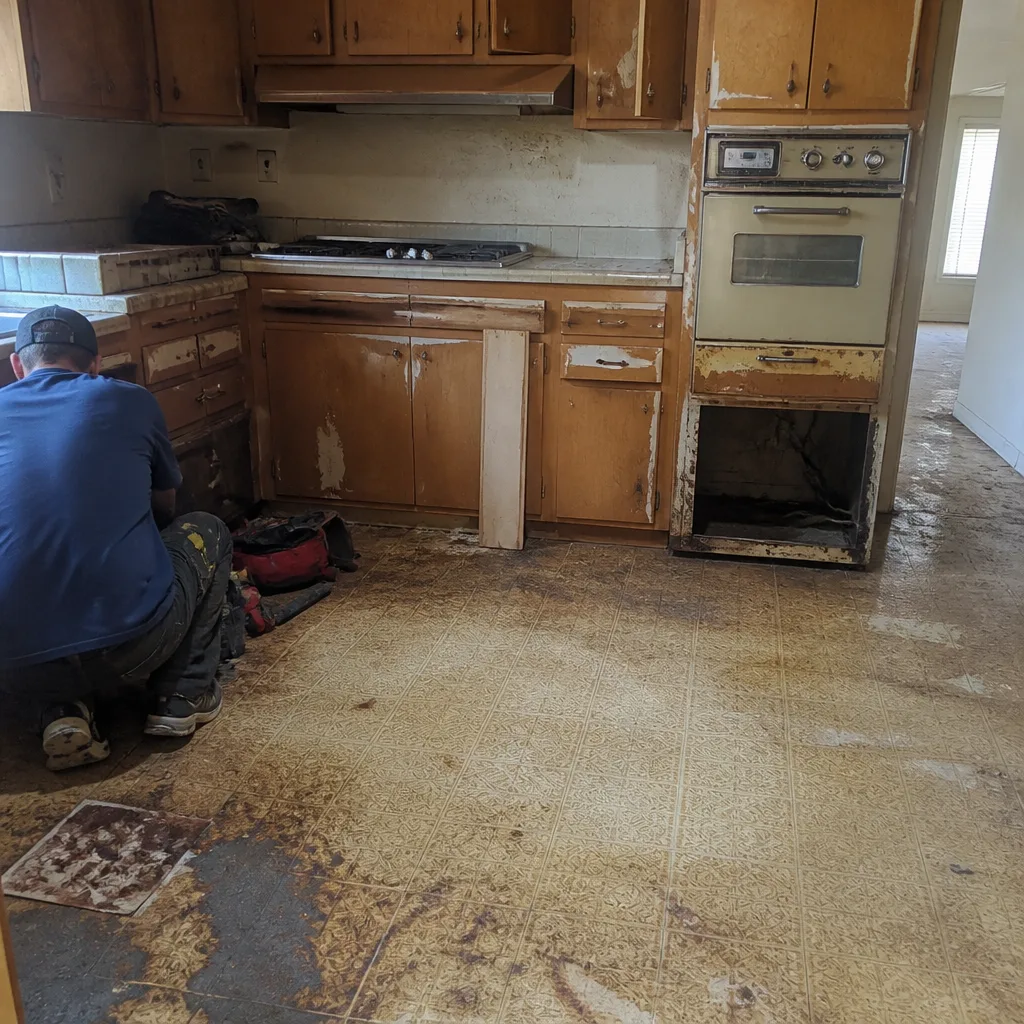 Before
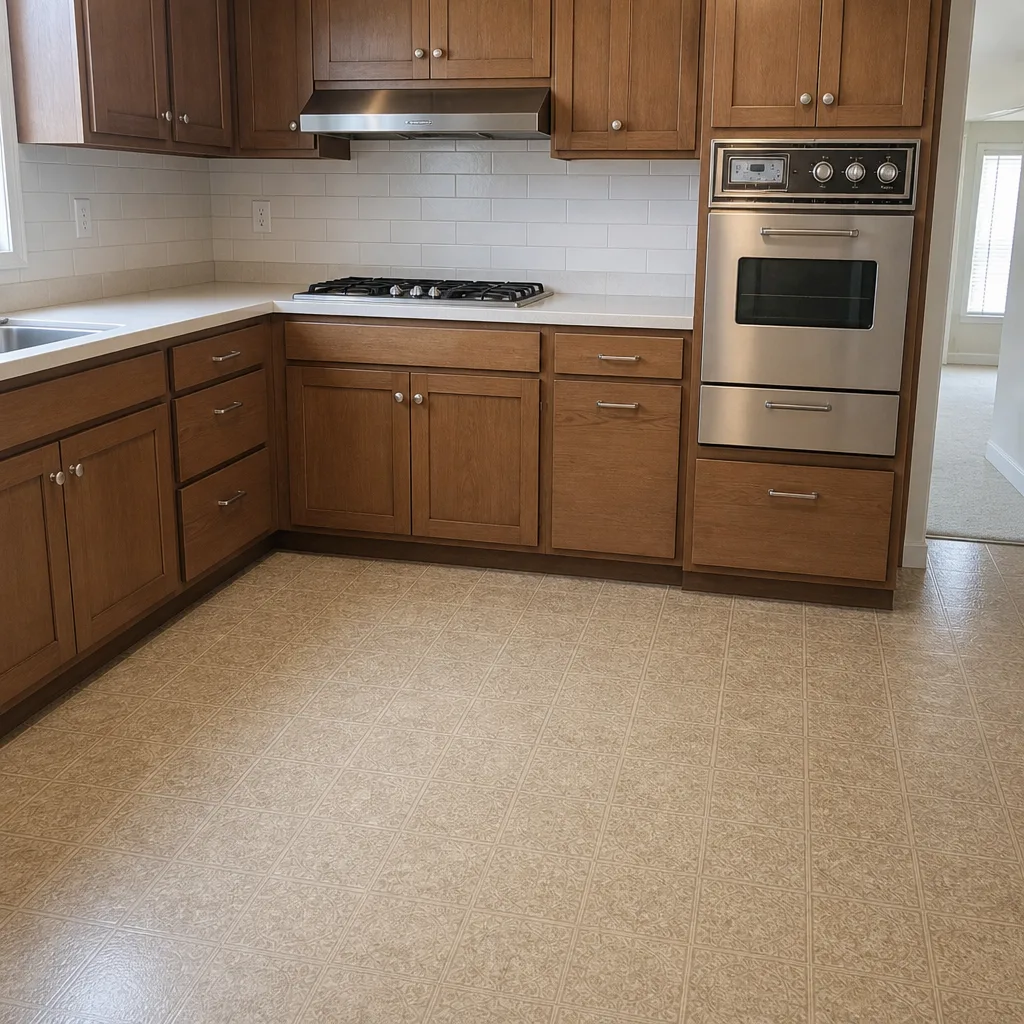 After
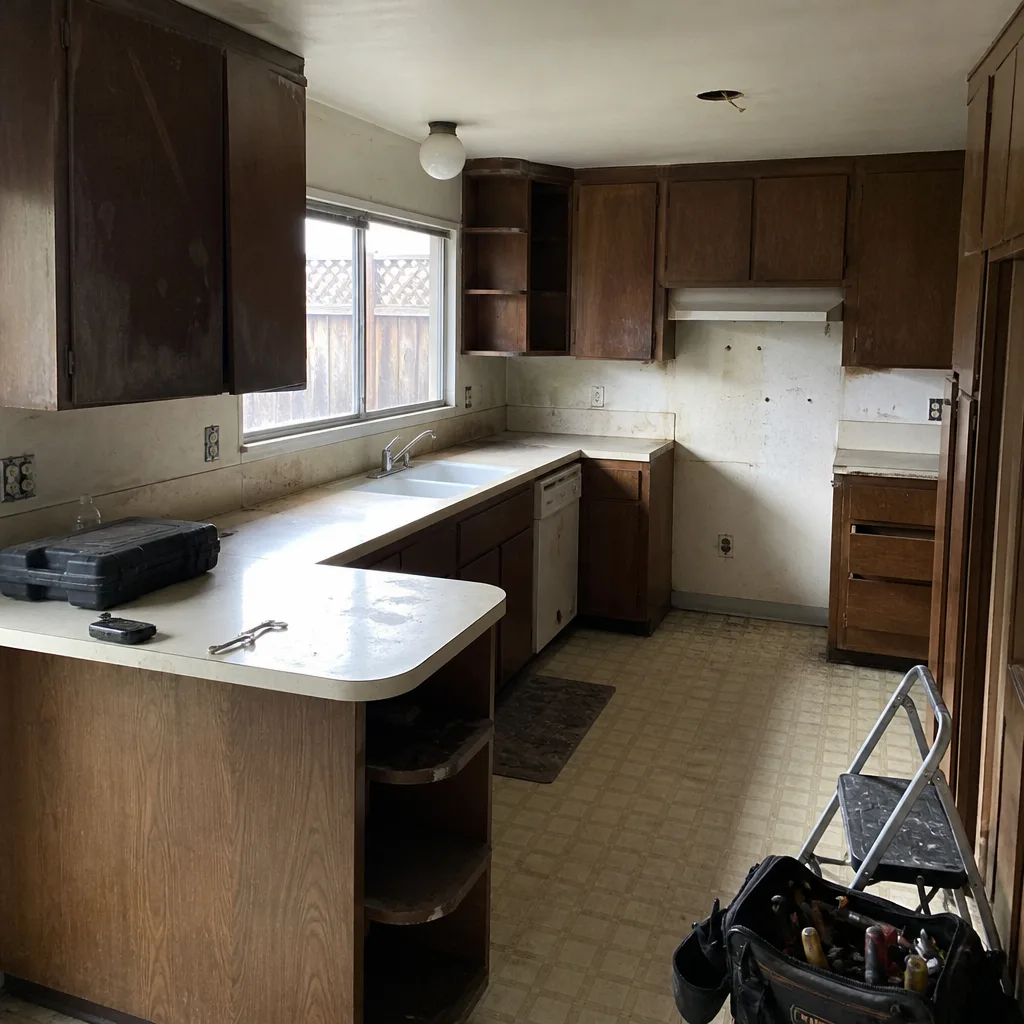 Before
 After
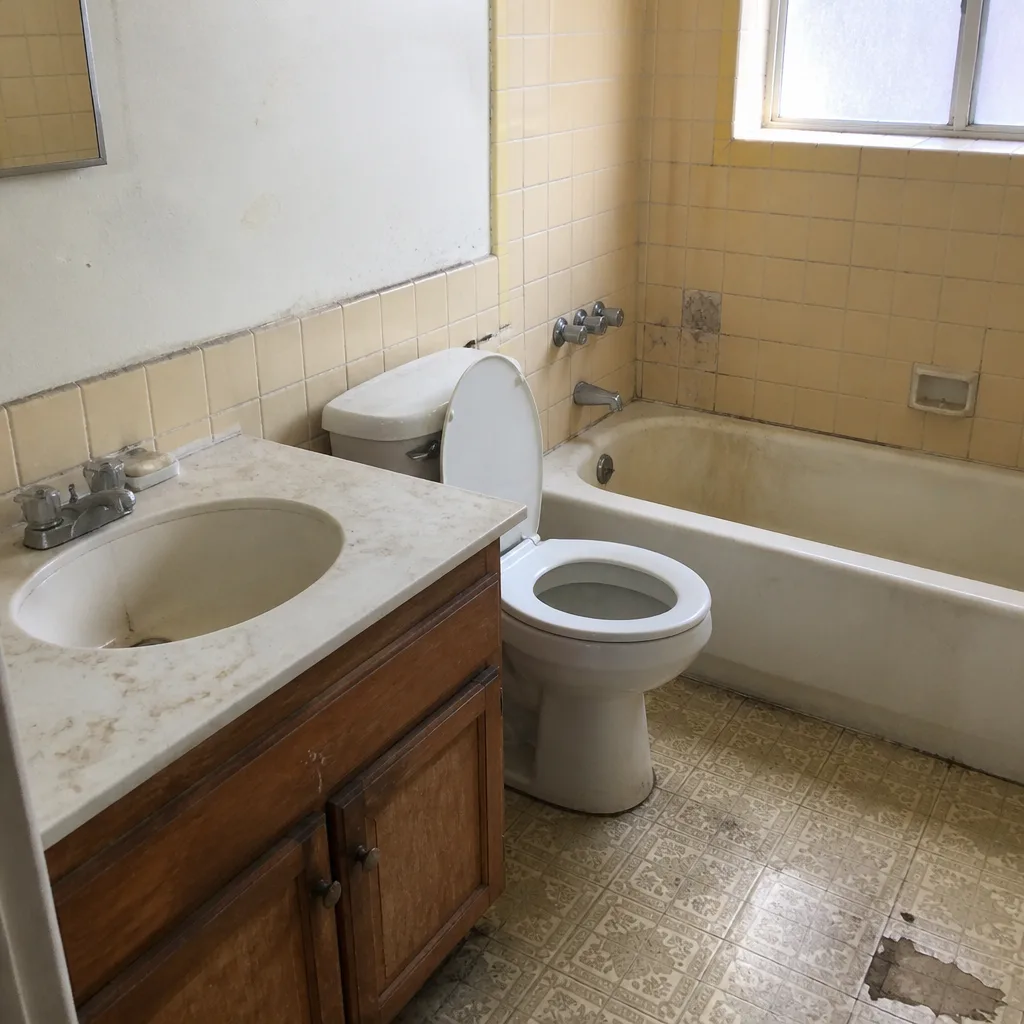 Before
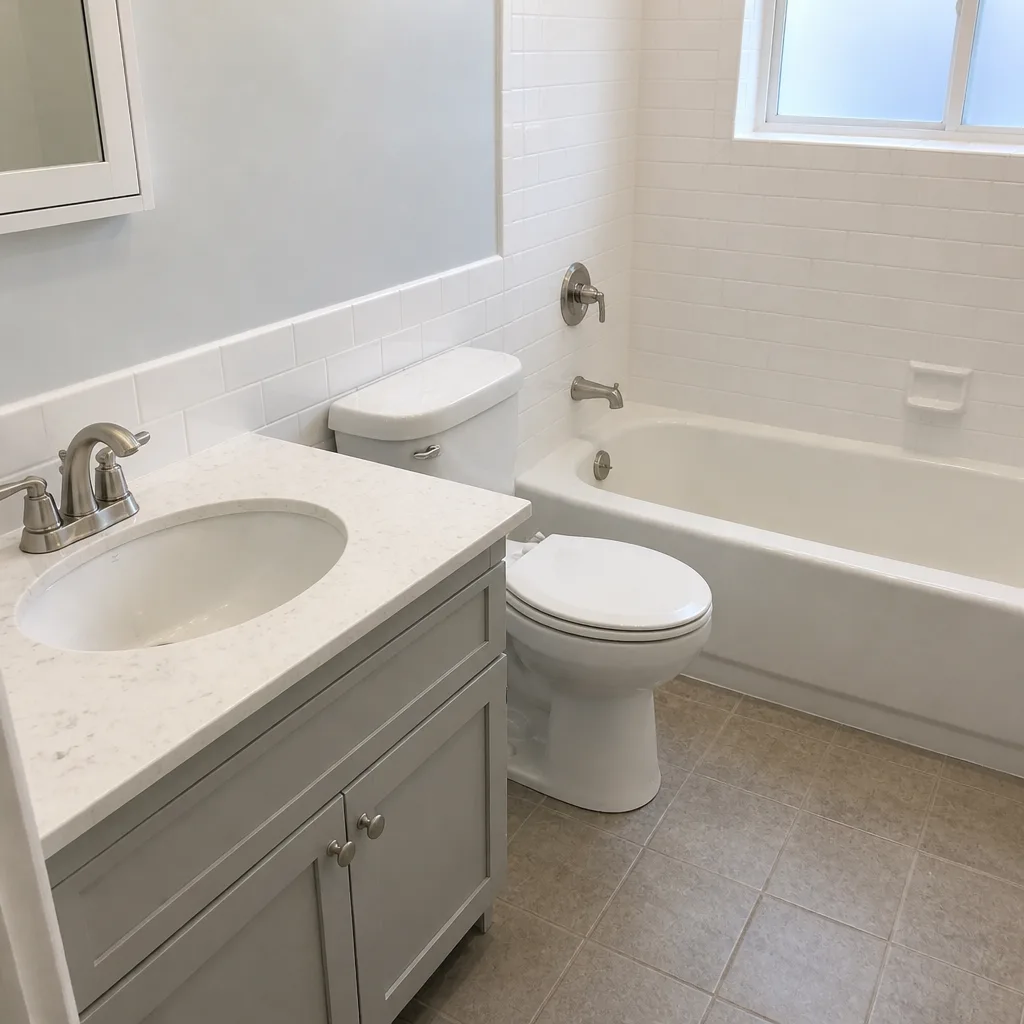 After
When to Call a Professional
Some maintenance findings are genuinely do-it-yourself. A cleared weep hole, a wiped track, a silicone spray on a window roller. Others cross a line. Call a professional when the work involves a second-story exterior caulk joint or a ladder on a slope, when a sealant repair involves removing and replacing failed material along a full frame, when insulated glass needs a replacement unit, or when hardware is worn enough that the door no longer closes or latches true. And call when the underlying problem is structural – a gap that widens season to season, water pooling at a sill, or a door that has shifted in its frame. Those are repair-trigger symptoms, not maintenance. Rowan Construction Group Fremont offers free estimates on window and door work in Fremont – call (866) 797-6171. We provide a written price before anything starts, and we won’t begin a change without a signed change order.
Frequently Asked Questions
Twice a year for inspection and cleaning, and once a year for hardware lubrication, weatherstripping check, threshold seal check, and insulated glass inspection. The twice-a-year round should bracket the rainy season: once in early fall before the rains and once in spring after them. The annual round is best done in early fall so the home is ready for winter.
It can. Major manufacturers publish hardware lubrication intervals in the warranty documents, and a denied claim on sticking sashes or worn rollers often cites lack of maintenance. The fix is to keep the required schedule and keep a dated log and photos proving you did.
WD-40 is a solvent-based spray, not a lubricant designed for window hardware. It flushes out the existing lubricant, evaporates, and leaves a residue that attracts dust into the track, which abrades the rollers. Use silicone spray on vinyl tracks and dry PTFE on metal hardware.
Between May and September, during the dry season, and on a stretch of days forecast to stay dry. Sealants need ambient temperatures above 50°F to cure properly, and a rainstorm during the cure window can cause the fresh bead to fail. Always remove failed caulk back to sound material and apply to a clean, dry joint.
Use the paper test. Close the window or door on a strip of paper and pull. If the paper slides out with no resistance on any side, the seal has lost compression and is due for replacement. Given Fremont’s wet winters, a front or patio door with a failed seal should be fixed before the rains.
Yes. Rowan Construction Group Fremont offers free estimates on window and door work, including window and door replacement, sealant work, and hardware replacement. Call (866) 797-6171 for a written price before any work starts. We also review another contractor’s written estimate line by line at no charge.
The Bottom Line

The maintenance schedule that protects your windows and doors isn’t complicated, but it is published, and almost nobody follows it. Twice a year, clear weep holes, test weatherstripping, and inspect caulk by frame material – especially before Fremont’s October-to-March rains. Once a year, lubricate hardware with the right product for the material, check thresholds and sweeps, and look for insulated glass fogging. Document it all with dated photos and a short log, because that record is what keeps a warranty claim alive and what shortens the next repair estimate. The specific thresholds matter too: a paper strip with no drag, a caulk gap that fits a credit card, hardware play you can feel. Those findings are your repair trigger. And when the finding crosses that line, call Rowan Construction Group Fremont at (866) 797-6171 for a free estimate. Our technicians have up to 19 years of experience, every visit includes a documented photo record as standard, and the 365-Day Done Right Promise is ours in writing if a repair isn’t done right.
Written by the team at Rowan Construction Group Fremont.