Last updated November 17, 2026





Free written scope consultation - allowances, timeline, and change-order rules on paper before a single trade is scheduled
Home Additions & ADU Warning Signs Every Homeowner Should Know
If your ADU contractor’s bid does not include a soils report or references “standard footing per plan” without an attached engineer’s drawing, you are looking at a document that cannot survive Fremont’s plan-check process. We’ve seen this exact package stop projects cold at the counter, months after a family paid a deposit and cleared a bedroom for the in-laws. The signs of a project headed for a 20 – 40% overrun show up long before ground breaks: in the contract documents, in the deposit figure, and in what the crew does during the first two weeks of site work. This guide names each warning sign precisely, so you can read a bid package and a foundation form with the same critical eye a building inspector uses.
Quick Answer
The biggest warning signs on a home addition or ADU project are a bid that lacks five specific documents (a scaled site plan, a preliminary Title 24 compliance worksheet, a structural engineer’s foundation spec, a payment schedule tied to inspection milestones, and a written change-order procedure), a deposit above the legal cap, and a crew that skips layout verification before digging. In California, an initial deposit above 10% of the contract price or $1,000 (whichever is less) breaks Business and Professions Code Section 7159 before work starts. A legitimate Fremont bid arrives complete, in writing, with a flat price attached.
Styles & brands we work with
- Kitchen remodeling
- Bathroom remodeling
- Home additions & ADU
- Roofing
- Windows & doors
- Driveway & pavers
- Fence
Table of Contents
- The Five Non-Negotiable Documents in Any ADU Bid Over $50,000
- The Deposit Red Flag, in Dollars
- First-Week Site Behavior: Reading the Foundation Form
- Subcontractor Disclosure: Why “Electrical by Others” Should Worry You
- What a Legitimate Change Order Looks Like in Writing
- Fremont-Specific Code and Climate Pressures
- Contractor Tells: How to Read a Bid Package Like an Inspector
- Common Mistakes to Avoid
The Five Non-Negotiable Documents in Any ADU Bid Over $50,000
A bid over $50,000 for an ADU or addition should arrive as a package, not a single-page figure. In our experience reviewing competitor estimates for Fremont homeowners, missing documents are the single strongest predictor of a mid-project change order. Anything planned cannot be “figured out later” – it will be priced later, at whatever the contractor feels the market will bear. That pricing shows up on a change order you sign under pressure, with the framing already open.
Here is the checklist every bid should carry:
- A site plan to scale. North arrow, property lines, setbacks, existing structures, and the proposed footprint. If it’s a sketch on graph paper with the dimensions penciled in, ask for a proper plan.
- A preliminary Title 24 energy compliance worksheet. California’s energy code makes this mandatory for a new conditioned structure. A bid that omits it either doesn’t understand the process or is planning to bill you for the compliance work after plan check.
- A structural engineer’s foundation specification. A stamped drawing, not a note saying “per plan.” The footing depth, steel schedule, and anchor layout all live on this page.
- A payment schedule tied to inspection milestones, not calendar dates. Payments should follow passed inspections – framing inspection, rough electrical, final – not the arrival of an arbitrary Friday.
- A signed change-order authorization procedure. In writing, before work starts. Describing how a change gets approved, priced, and signed is the difference between a fixed number and an open-ended one.
If any of these is missing from a Fremont bid package, hold the pen until it arrives. This is the discipline we apply to every Home Additions & ADU in Fremont project, and it’s why our own quotes arrive flat-priced with a written scope before anyone picks up a tool.
The Deposit Red Flag, in Dollars
California Business and Professions Code Section 7159 caps the initial deposit at 10% of the contract price or $1,000, whichever is less, for a home improvement contract. That means a Fremont homeowner with a $60,000 ADU contract should see no more than $1,000 up front for the deposit itself, with any additional payments tied to progress and inspections. A contractor asking for 25%, 30%, or $10,000 “to get the materials ordered” is in violation of the statute before a single shovel hits the ground.
What justifies a larger figure legitimately? Nothing under 7159. Larger draws can be negotiated but must be tied to documented progress and be spelled out in the payment schedule. The whole point of the cap is to protect you from paying $30,000 to someone who never returns to site. When the deposit number is bigger than the statute allows, the safest move is to walk.
- Deposit up to $1,000: Within the statutory cap regardless of contract size – the correct number to see.
- Deposit up to 10% on contracts under $10,000: Also within the cap because 10% sits below $1,000.
- Deposit above $1,000 on a $50,000 contract: A violation. No exceptions.
- Deposit above 10% of contract on any size: A violation. Requires a hard conversation, not a handshake.
Under Clause 1 of The Haven Standard, our written price and deposit terms are on the page before any work begins. That’s not a marketing line – it’s a legal minimum we design our process around.
First-Week Site Behavior: Reading the Foundation Form
Watch what the crew does during the first week of site work. A trained crew sets batter boards – reference markers offset from the building footprint – and shoots elevations before a single trench is dug. The batter boards are how you verify the proposed structure sits at the right height relative to the property and the existing house. If a crew is eyeballing the layout, stringing a tape between two stakes, and calling it good, the foundation will end up off. A crooked foundation is the single most expensive correction a homeowner can be asked to pay for mid-project.
When the forms sit in the trench, look for two things:
- Is the form depth being verified against the engineer’s specification? The specification calls a number – 18 inches, 24 inches, more on sprawling or clay-heavy lots. If the crew is digging “to the depth it looks right,” they’re guessing, and guessing drives change orders.
- Is the city inspector’s sign-off documented – verbally or in writing? Verbal “okay” is a risk. A documented inspection with a photo record is evidence. When an inspector fails a foundation pour after concrete has been placed, the fix typically runs into thousands before you’ve ever seen a single wall go up.
We’ve opened jobs in Fremont’s Centerville district where the prior crew had cut the footing strap short to save a bag of rebar, and the homeowner had no photo record to prove it. Our own crews take the documented photo record on every visit as a standard deliverable, not an add-on, so you know exactly what the inspector saw.
Subcontractor Disclosure: Why “Electrical by Others” Should Worry You
California law requires licensed contractors to disclose their subcontractors in the contract. An ADU bid that says “electrical by others” without naming the electrician, the plumber, or the HVAC subcontractor leaves you unable to verify any of those tradespeople’s licensing before that phase begins. You have a right to review the sub’s license and insurance before they touch your property. If the bid refuses to name them, you can’t exercise that right.
“By others” is also how a fixed price becomes four prices. The general contractor’s bid often excludes the sub’s work entirely, and once the sub’s number comes in, that cost is added to your bill through the change-order mechanism. At that point you’re paying an uncapped amount for a trade you thought was included.
Every bid above $50,000 should list, by name and license number, the electrical, plumbing, HVAC, and any structural subcontractor whose scope overlaps. If the answer is “we’ll figure the sub out later,” you have your answer about how the rest of the project will go. When we price Rowan Construction Group Fremont home additions and ADUs, the sub list arrives with the bid, not after the deposit clears.
What a Legitimate Change Order Looks Like in Writing
A legitimate change order describes the scope in measurable terms, states the price in dollars before work proceeds, and requires your signature. Anything less is an invitation to a budget overrun. “Save the small stuff for the end” is a phrase customers should treat like a smoke alarm – it describes exactly the mechanism by which a $50,000 project becomes a $65,000 one.
Compare the two:
- Legitimate: One page with an affected scope description (“frame out two extra windows in the east wall”), a dollar figure (“$4,200 flat”), a schedule impact (“adds two days to framing”), a signature line, and an effective date. Signed before work proceeds. No exceptions.
- Illegitimate: Verbal “we’ll sort it at the end,” a text message that says “call me,” an email that describes scope with no dollar figure, or worse, work done without any of it.
The mechanism behind the overrun is simple. Twenty small unwritten changes at $500 to $3,000 each, no dollar figure on any of them, and three months later the total lands somewhere between 20% and 40% above the agreed price. The homeowner pays because the work is already done, no one had a document to reference, and the walls are closed up.
This is the discipline The Haven Standard was written around – no work proceeds on a change until the change order is signed. Across more than 4,000 projects and every trade from roofing to Driveway & Pavers in Fremont, that discipline has kept our project costs within a few percent of the number the customer agreed to.
Fremont-Specific Code and Climate Pressures
Fremont plan check is unforgiving about environmental documentation. The city sits on a mix of alluvial soils along the bay plain and clay-heavy hillside ground in the Warm Springs and Mission Hills districts, so a soils report – often called a geotechnical report – is not a formality. Footings on the bay side need to account for expansive soils; footings on the hillside need to account for slope drainage. A bid that omits the soils report is asking you to fund a foundation designed for soil that has never been tested.
Climate adds its own pressures. Winters push significant rain against the hills, so proper site drainage and footing depth are not optional. A foundation that sits with the wrong grading around it is a foundation that will be inspected by every storm that lands between November and March. And because Fremont has grown a canopy of mature trees – many older homes sit under heritage oaks and redwoods – root-zone protection and foundation setbacks from tree roots matter more here than in most of the Bay Area.
What we tell every Fremont homeowner asking for a bid: if it doesn’t carry a soils report, a drainage plan, and the Title 24 worksheet, it is not a bid. It’s a draft.
Contractor Tells: How to Read a Bid Package Like an Inspector
A bid package has tells. Reading them takes an hour and saves months.
- The scope is vague on purpose. If the line reads “all work per plan” with no room-by-room breakdown, the contractor is buying room to negotiate later.
- There is no written warranty language. A legitimate contractor states warranty terms in writing. The 365-Day Done Right Promise is printed on our pages and backed by terms, not a handshake – the point is that you can point to it when something goes wrong.
- The price is “starting at” or “call for a quote.” Both are friction points designed to get you on the phone where pressure lives. The written price should be on the page.
- No change-order procedure in the contract. No procedure, no discipline, no fixed price.
- No written schedule tying payments to inspections. If payment dates are calendar-based, the financial risk transfers to you.
- No license number on the bid or contract. California contractors must carry it on every document. The number should be easy to find.
A homeowner who checks these six items in every Fremont bid will avoid more than 90% of the overrun risk we see in the trade. And if a written competitor estimate raises questions you can’t answer, ask us for a free second opinion – we’ll review it line by line at no charge. The written price belongs on paper before you sign anything.
Common Mistakes to Avoid
- Treating the deposit as negotiable. The $1,000 cap under Section 7159 is not a starting offer. Any contractor who asks for more is telling you something about the rest of the project.
- Accepting “we’ll get the permits after materials arrive.” Fremont plan check must happen before framing. Kicking the permits forward puts the schedule behind and the overruns on you.
- Skipping the soils report to save money on paper. A soils report costs a few thousand. A foundation failure on clay-heavy ground in Warm Springs costs fifty times that.
- Signing a contract with “electrical by others” and no named sub. You lose your right to verify the sub’s licensing and insurance before they show up.
- Letting the crew layout “by eye” on day one. Ask for the batter boards and the elevations. If they can’t show them, the foundation will be off.
- Accepting verbal change orders “to sort out at the end.” Twenty unwritten changes is a 20 – 40% overrun with no paper trail and no leverage.
- Hiring the bid that arrives cheapest. A price with no soils report, no Title 24, no sub list, and no change procedure isn’t a low price – it’s an incomplete one. The full price arrives later.
See the difference
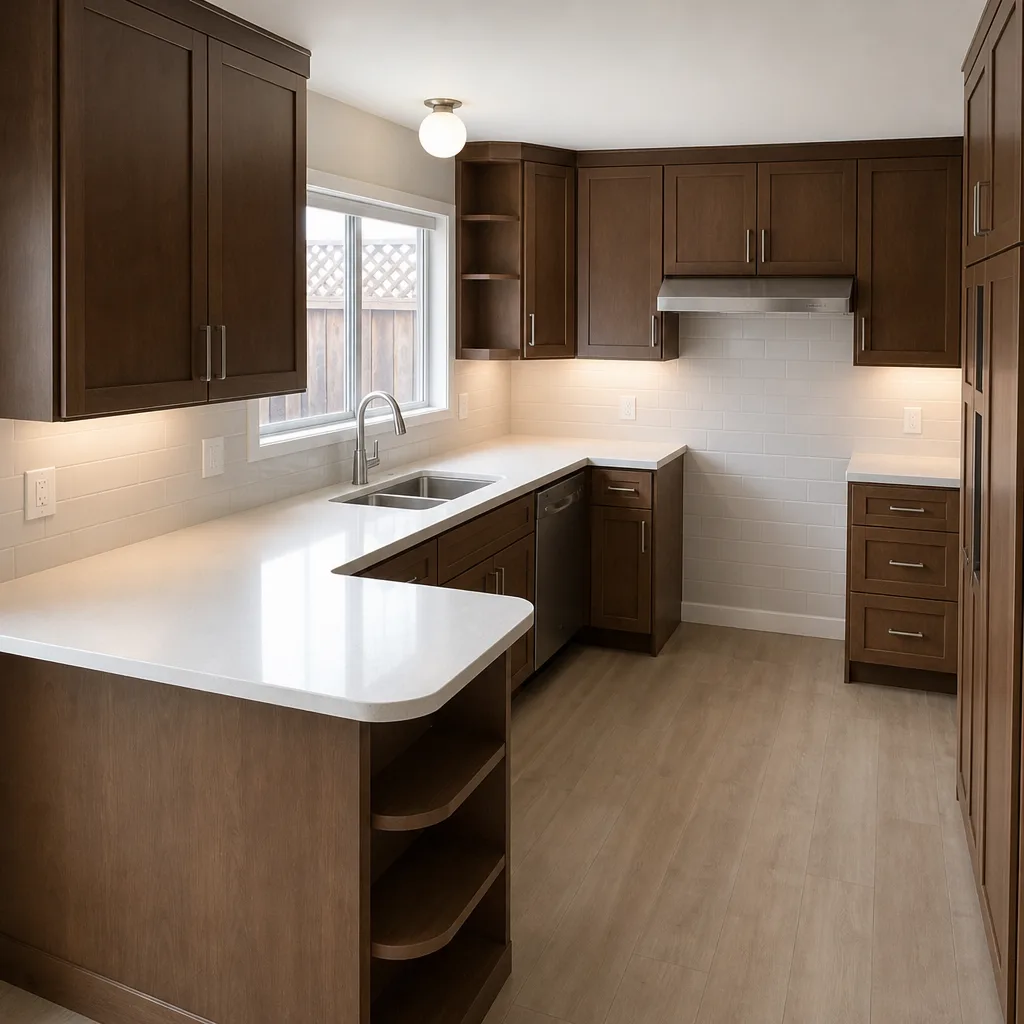
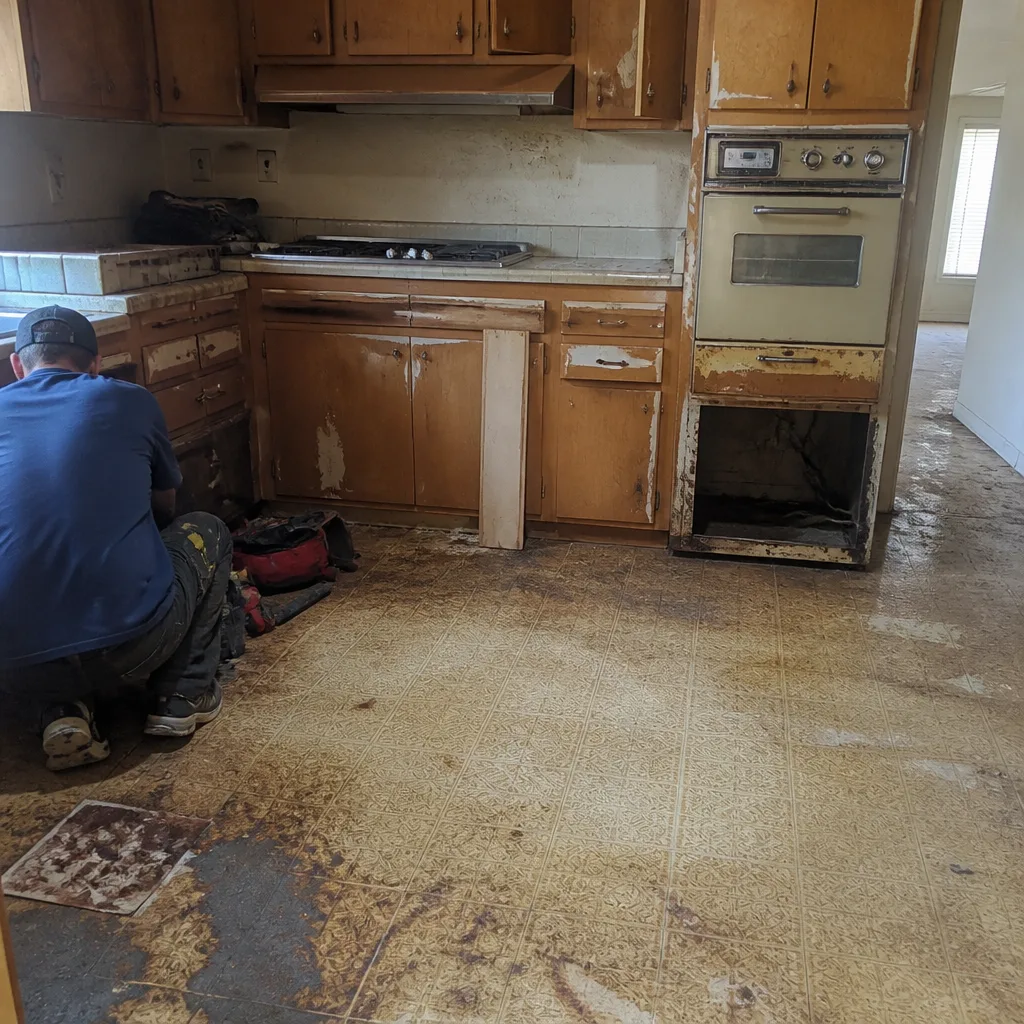 Before
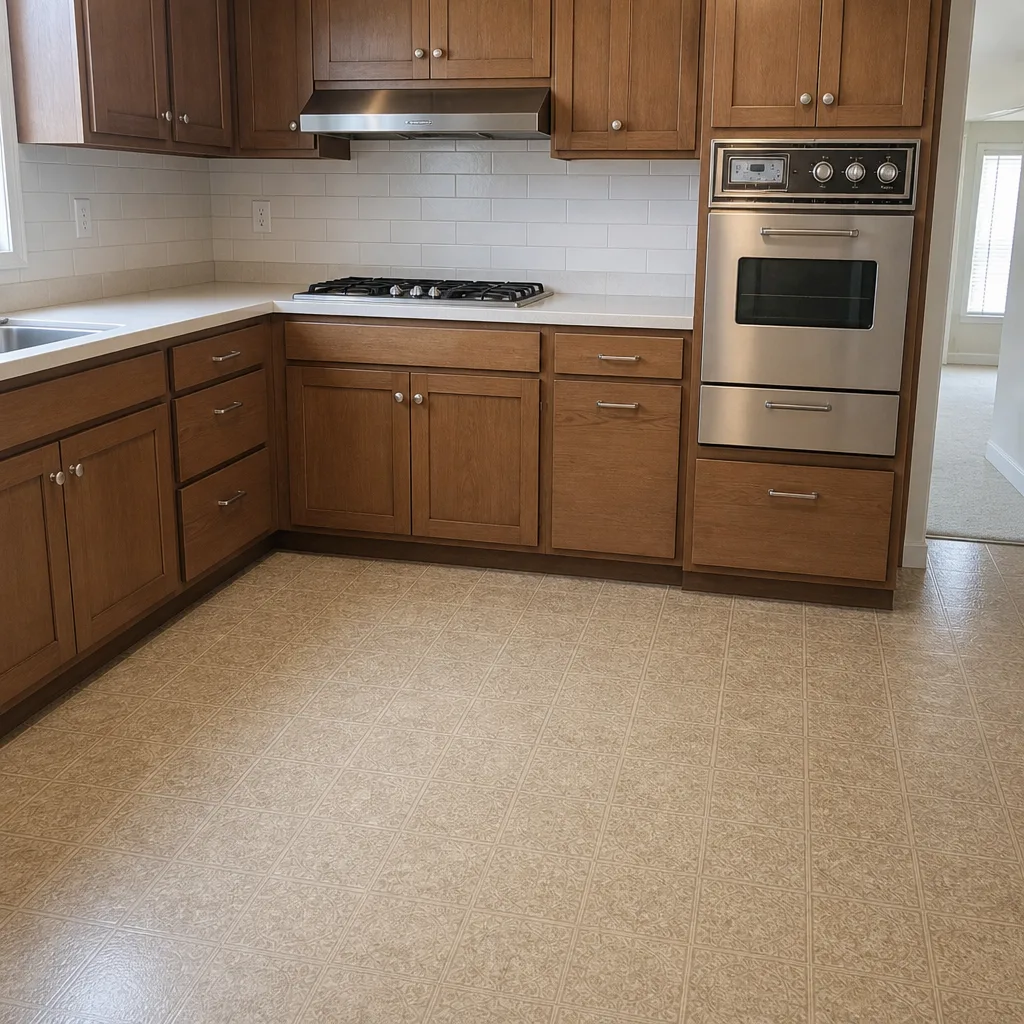 After
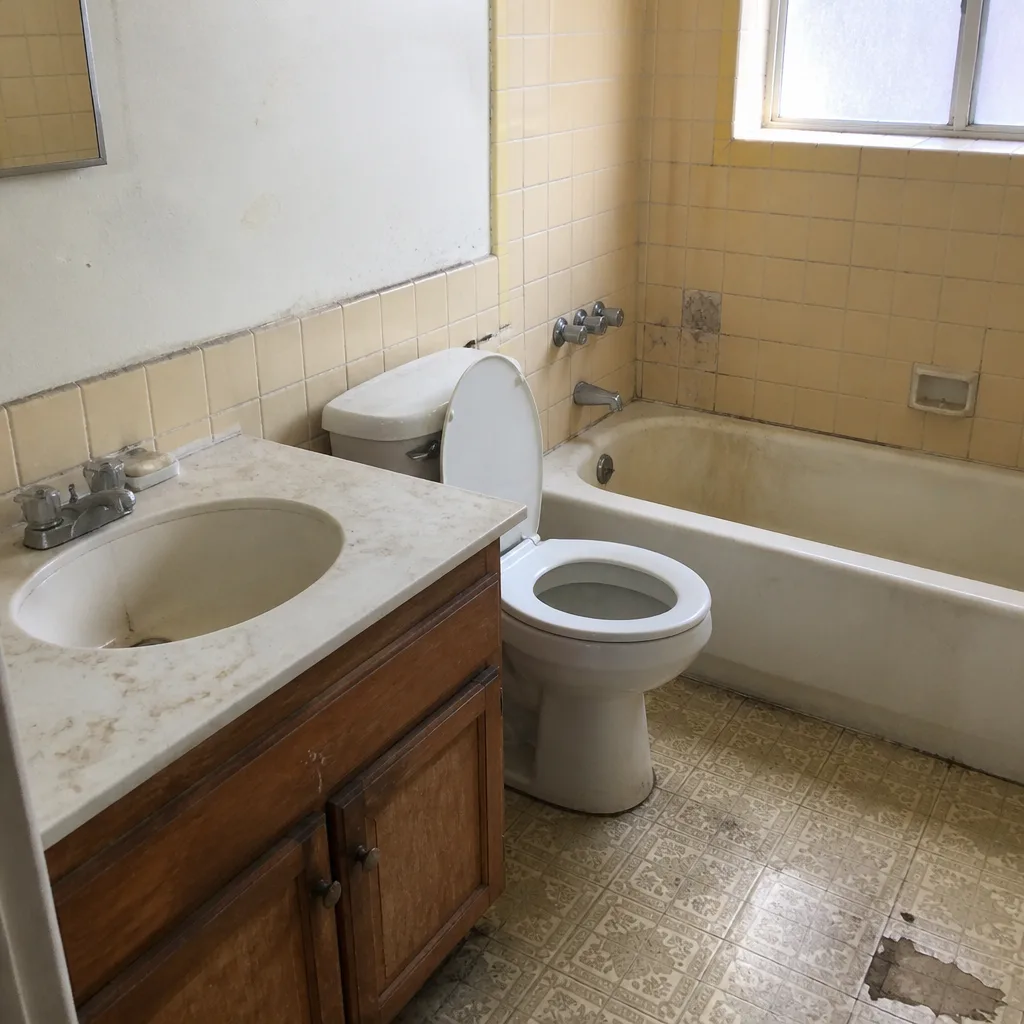
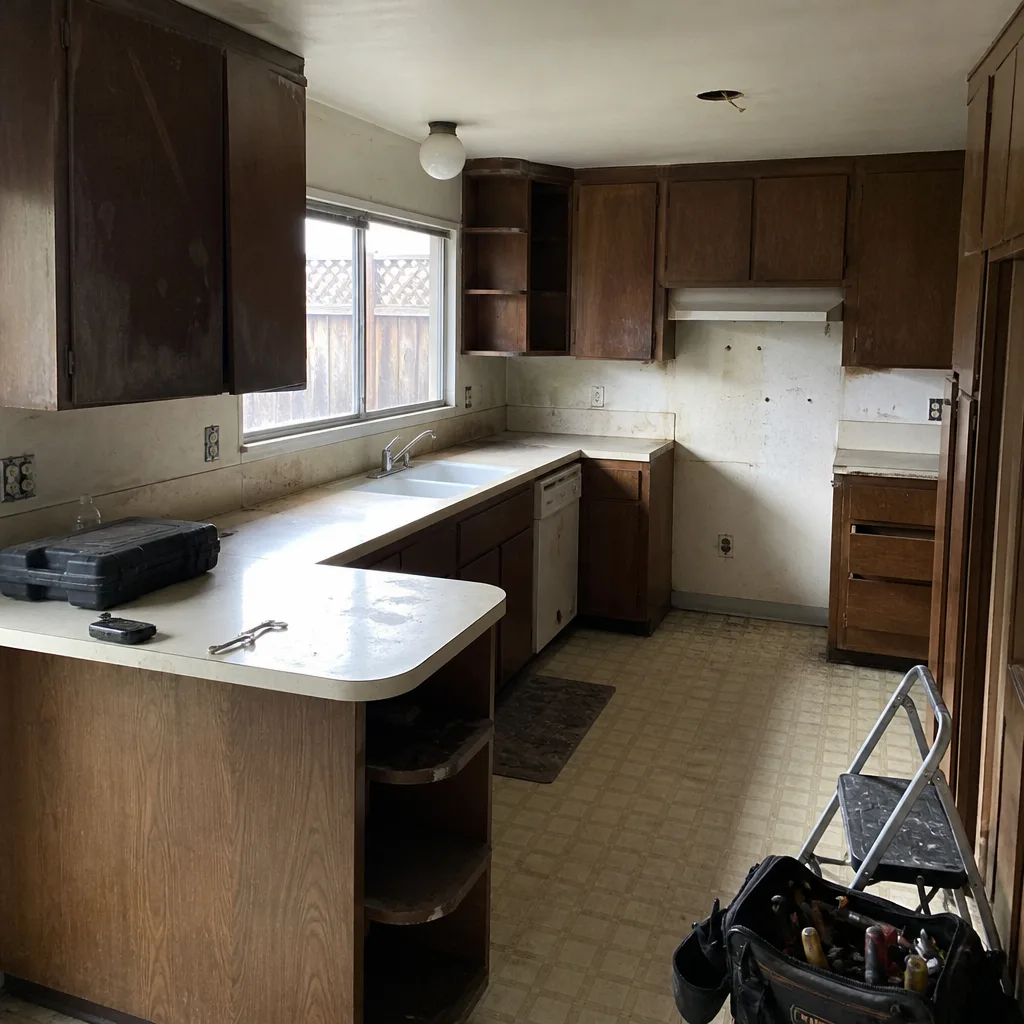 Before
 After
 Before
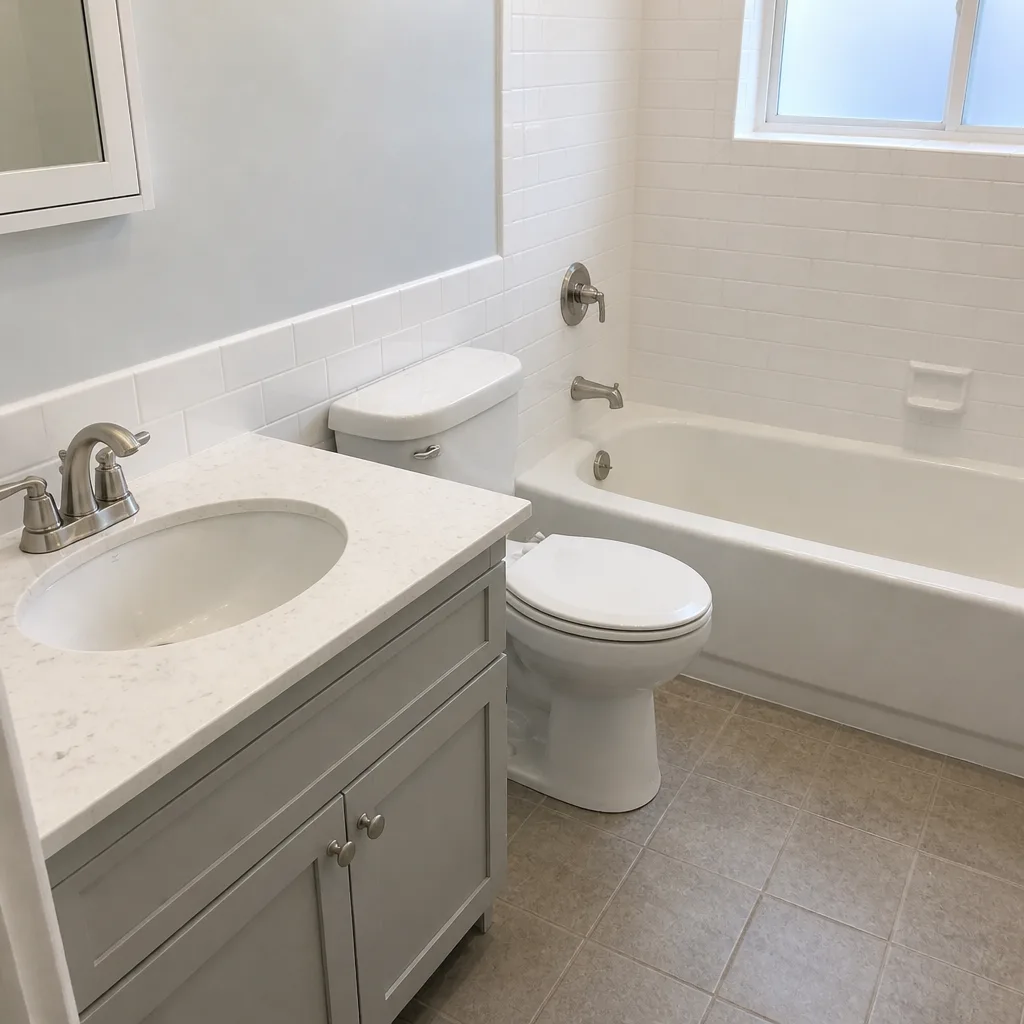 After
When to Call a Professional
Call a licensed professional when the foundation forms are already in the trench before any engineer’s drawing is signed. Call when the deposit exceeds the statutory cap, when the sub list is “TBD,” or when change orders are moving through text messages instead of signed paper. Call when a bid for a Fremont addition lacks a soils report, a Title 24 worksheet, or a milestone-based payment schedule – because none of those absences get cheaper with time. Structural work and site grading carry real safety stakes, so this is not a phase to educate yourself into the tradesman’s role; it’s a phase to have a licensed contractor and an engineer sign off in writing. Rowan Construction Group Fremont offers free estimates in Fremont – call (866) 797-6171 to schedule yours and get a flat written price before any work starts.
Frequently Asked Questions
ADU construction in Fremont generally runs $350 – $550 per square foot for a fully finished detached unit, with garage conversions often landing lower at $250 – $400 per square foot. The spread depends on foundation work driven by soil conditions, site access, and finish level. Call (866) 797-6171 for an exact quote for your property – estimates are free and the price is written before any work begins.
The maximum is 10% of the contract price or $1,000, whichever is less, under California Business and Professions Code Section 7159. Any contractor asking for more is in violation before work starts. Call (866) 797-6171 if you want a written second opinion on a competitor’s deposit terms – we review them at no charge.
Yes, in most cases. Fremont’s mix of bay-plain alluvial soils and clay-heavy hillside ground means footings need to be designed against actual soil conditions, which requires a geotechnical report. A bid that omits it is pricing a foundation that hasn’t been tested. Call (866) 797-6171 for a quote that includes the soils report line item.
Only through a signed change order that describes the scope in measurable terms and states the price in dollars before work proceeds. No signed change order, no change. Call (866) 797-6171 to see how our written change-order procedure works – it’s printed in every contract and it’s why our projects finish within a few percent of the agreed number.
You lose your right to verify that subcontractor’s licensing and insurance before that phase begins. California law requires licensed contractors to disclose their subs, so a bid that says “electrical by others” without naming the electrician is an incomplete bid. Call (866) 797-6171 for a second opinion on any sub list you’ve been handed.
A detached ADU in Fremont typically takes 7 – 10 months from plan submittal to final inspection, with 4 – 6 months of that being construction and the rest plan check and permitting. Delays usually come from missing documentation in the initial submittal, not from construction speed. Call (866) 797-6171 to walk through a realistic schedule for your property.
The Bottom Line
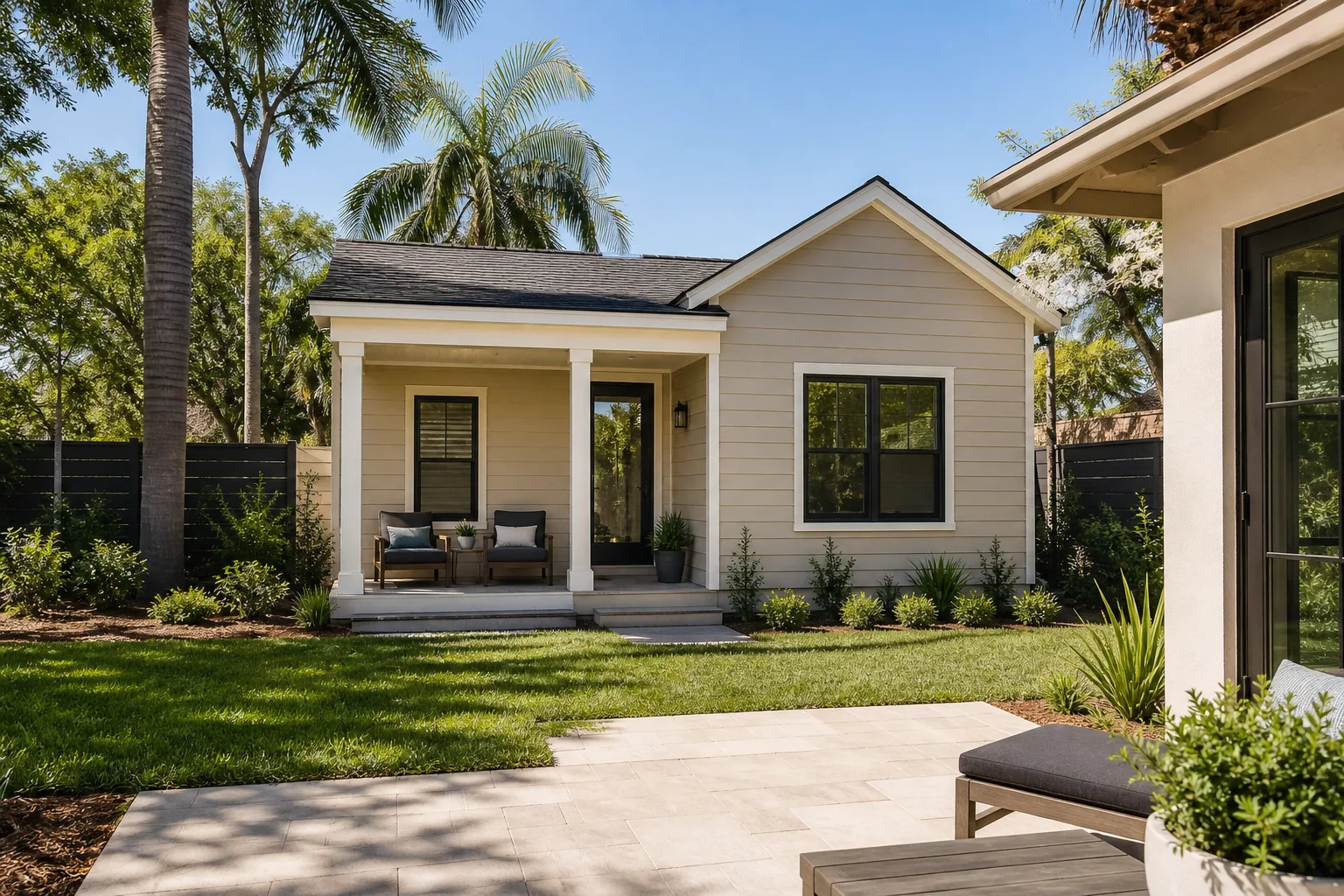
The warning signs on an ADU or home addition project live in the paperwork and the first two weeks of site work, not in the pitch meeting. Read the documents: a scaled site plan, a Title 24 worksheet, a stamped foundation spec, an inspection-tied payment schedule, and a written change-order procedure. Check the deposit against Section 7159. Watch whether the crew sets batter boards and shoots elevations before digging. Ask who the subs are, by name and license. Any contractor who can’t produce these isn’t in the wrong business – they’re just running yours without documentation. The written price belongs on paper before anyone starts. Whether you’re planning an addition, comparing bids on Fence Installation in Fremont, or reviewing a competitor’s quote, that principle never changes.
If a bid lands on your counter and something doesn’t add up, call us for a free second opinion – we’ll read it line by line with you. Rowan Construction Group Fremont: (866) 797-6171, background-checked crews, live person answering around the clock, documented photo record on every visit, and a 365-Day Done Right Promise printed on every page.
Written by the team at Rowan Construction Group Fremont.