Last updated November 17, 2026

Free written scope consultation - allowances, timeline, and change-order rules on paper before a single trade is scheduled
How Long Does Fence Installation Take? Timelines and What to Expect
A 150-foot cedar fence in Fremont takes roughly two days of actual labor. But the full calendar from signed contract to final post-set inspection is typically 10 to 18 days, and most of that time nobody is on your property. That gap is where homeowners get blindsided. They hear “two days of work” and book a graduation party for the following weekend. This guide maps every waiting period in a fence project with its real hour or day count: the permit office, the 811 utility locate, the concrete cure windows, the inspection scheduling lag. By the end you’ll know which days are idle, why they’re idle, and which milestone dates you have a right to hold a contractor to in writing.
Quick Answer
Fence installation typically takes 1 to 3 days of on-site labor, but the full project timeline runs 10 to 18 days in Fremont from contract signature to final inspection because of permit review, utility locates, and concrete cure time. A straightforward 150- to 200-foot wood privacy fence with a permit and no surprises is the 10-to-18-day scenario; an unmapped irrigation line or a property-line dispute can push it to three or four weeks.
Styles & brands we work with
- Kitchen remodeling
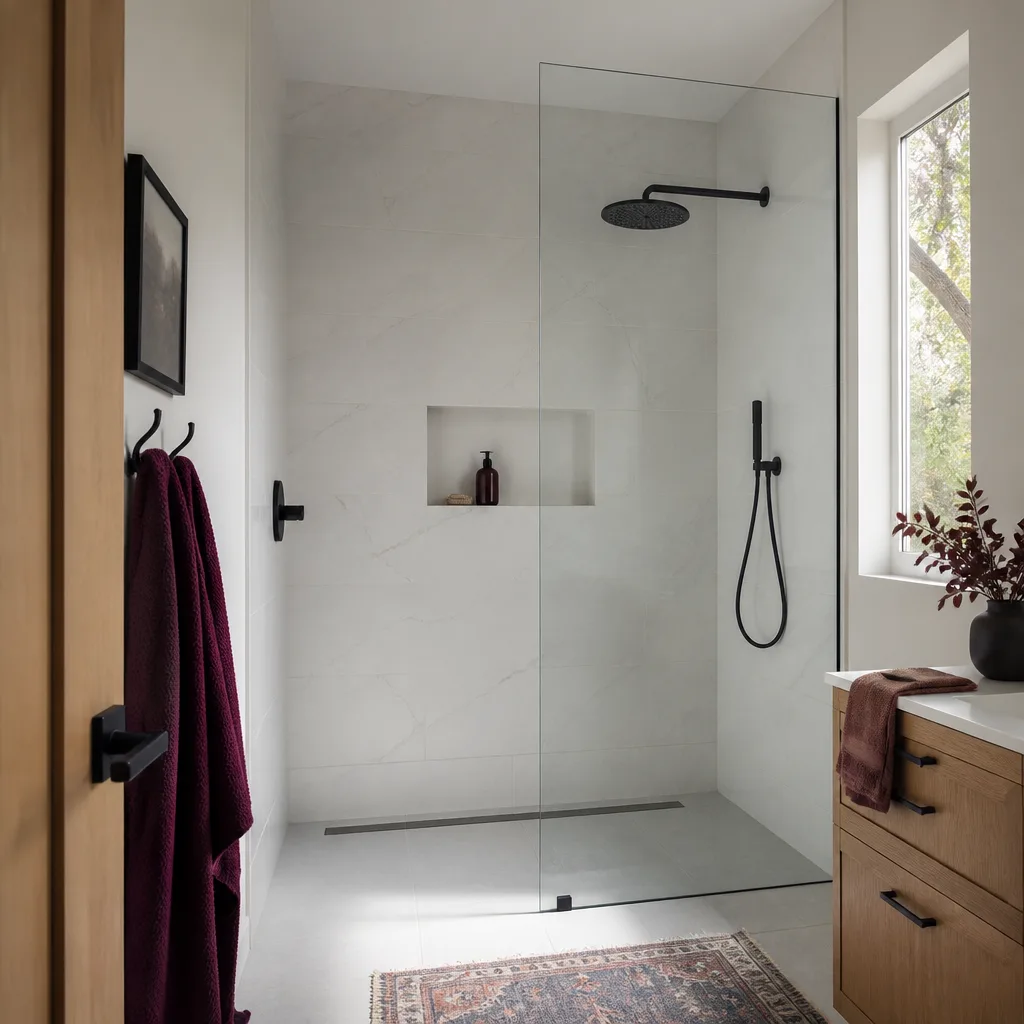
- Bathroom remodeling
- Home additions & ADU
- Roofing
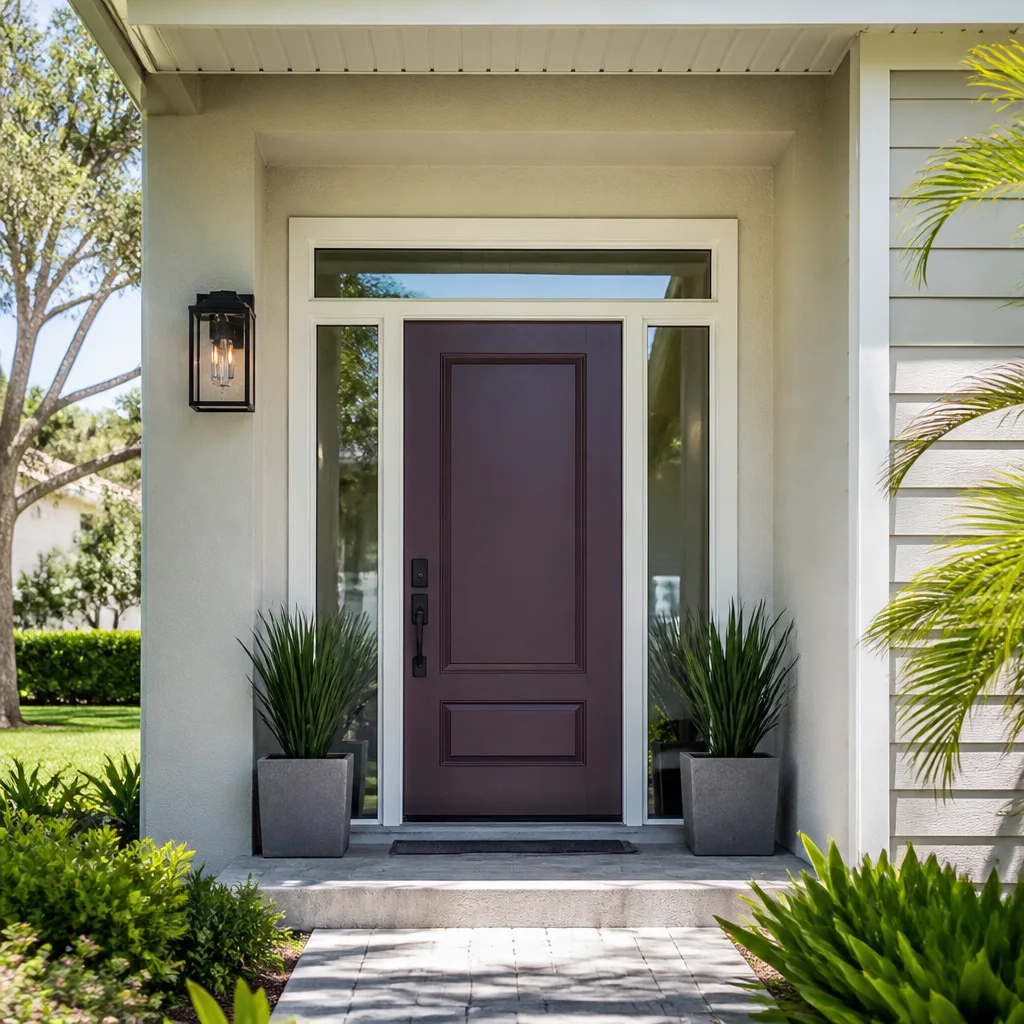
- Windows & doors
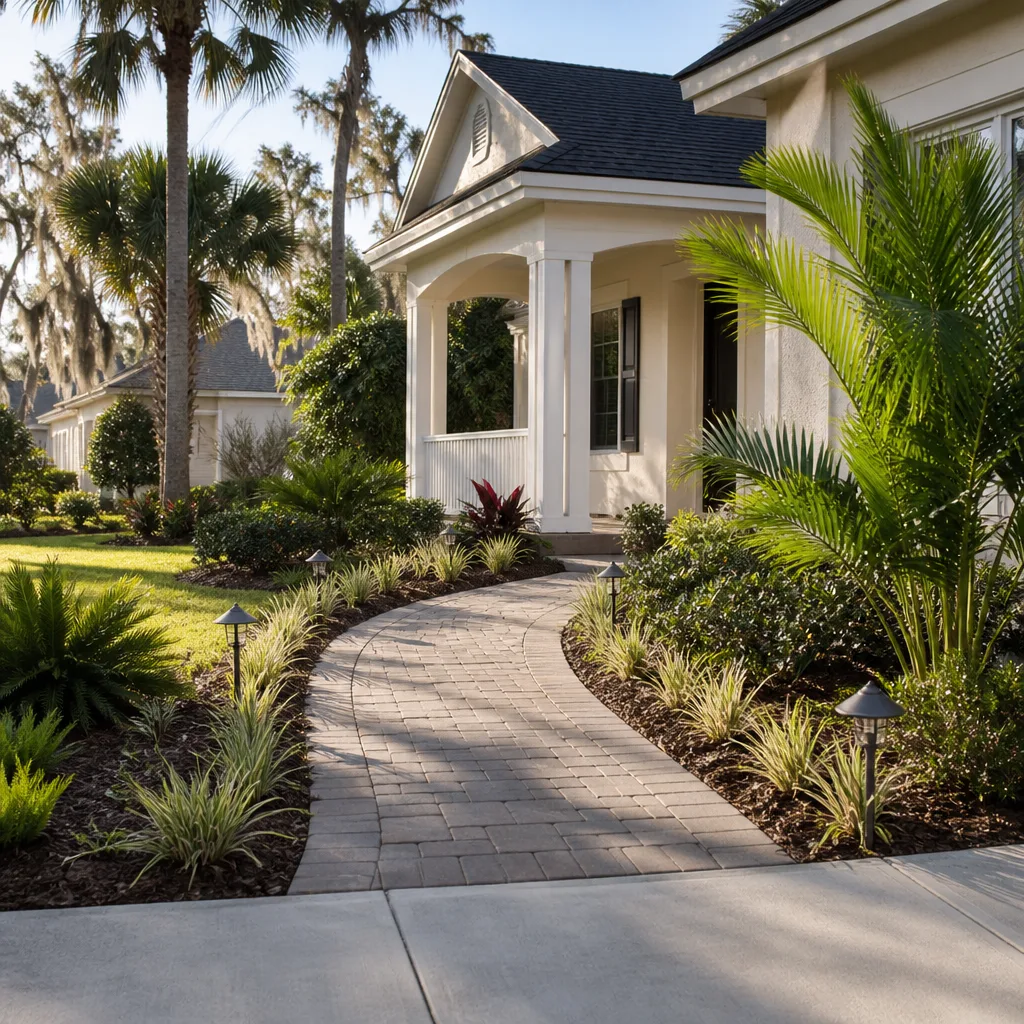
- Driveway & pavers
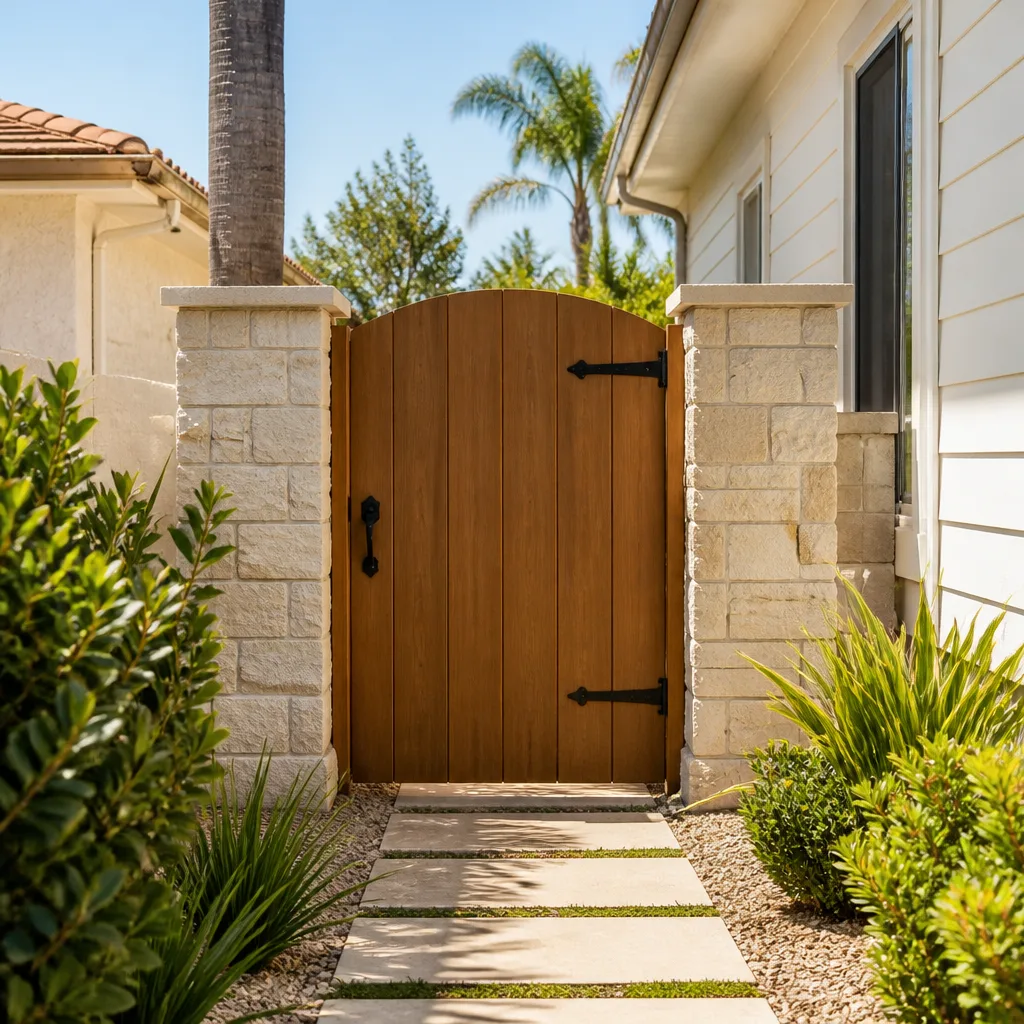
- Fence
Table of Contents
- The Five Phases of a Fence Project, With Real Day Counts
- How Long Does the Permit Take in Fremont?
- The 811 Utility Locate: California’s Required Waiting Period
- Concrete Cure Time Before You Hang a Panel
- Why Wood, Vinyl, Aluminum, and Chain-Link Each Have Different Timeline Math
- What a Signed Project Schedule Should Look Like
- The Two Schedule-Killers We See Most
- A Sample 200-Foot Wood Fence Calendar, Idle Days Labeled
The Five Phases of a Fence Project, With Real Day Counts
Every fence job moves through the same five phases, and only the third one involves anyone swinging a tool. Here is the honest breakdown of where the calendar goes.
- Design and contract (1 to 3 days). You pick the material, height, and gate placement; the contractor measures the run, checks property corners against your plat map, and issues a written price with a written scope. This phase should never drag. If a contractor needs a week to put a number in writing, that’s a signal.
- Permit application and review (3 to 7 days in Fremont). Most cities require a permit for fences over 6 feet, or any fence in a front setback or on a corner lot. Fremont’s plan check is usually quick for a standard privacy fence because the review is administrative, not structural.
- Utility locate (2 to 3 business days). Required by California law before anyone digs. Details below.
- Dig and set posts (1 to 2 days). Post holes, concrete, posts plumbed and braced. Then the fence sits.
- Cure, hang, inspect (2 to 4 days). Concrete needs to set before panels load the posts. Then rails, pickets, gates, cleanup, and the final inspection if the permit requires one.
Notice that phases 2 and 3 together can eat 10 days before a shovel touches soil. That’s not the crew being slow. That’s the calendar.
How Long Does the Permit Take in Fremont?
A standard residential fence permit in Fremont typically clears plan check in 3 to 7 days, and the review is mostly about height, setback, and sight lines at intersections rather than engineering. Three things decide whether you land at the fast end or the slow end.
- Height. Fences at or under 6 feet in a rear or side yard often don’t need a permit at all; anything taller, or any fence in the front setback, generally does.
- Corner lots. A fence near a corner can fall inside a sight-distance triangle, and that triggers a separate review. If your lot sits at an intersection in a neighborhood like Ardenwood or the older blocks off Mowry, budget the extra days.
- HOA overlay. Plenty of Fremont subdivisions layer an architectural review on top of the city permit. That review runs on the HOA’s calendar, not the city’s, and can add a week by itself.
The practical move is to ask for the permit number and application date in writing the day the contract is signed. A permit that’s been applied for is a permit that’s moving. For projects that pair a new fence with a larger site plan, our team handles the sequencing as part of Rowan Construction Group’s Fremont construction work.
The 811 Utility Locate: California’s Required Waiting Period
California law requires anyone digging to call 811 and wait before breaking ground, and the standard window is 2 to 3 business days for the utility owners to mark their lines. This is not optional and it is not a formality. Fremont yards routinely hide irrigation laterals, landscape lighting conduit, and old gas or water stubs from previous owners, and a post hole through a gas line turns a fence job into an emergency.
Two things surprise homeowners about the locate window:
- It counts business days. Call on a Friday afternoon and the clock may not start until Monday. A Wednesday call is a much better position than a Thursday one.
- It only marks public and member utilities. Private lines on your side of the meter, including most irrigation and low-voltage landscape wiring, are not marked by 811. That’s why a good crew hand-probes the run and asks you what you know about what’s buried.
Our technicians have up to 19 years of experience reading a yard before they dig it, and the locate ticket is confirmed in writing before the first hole. If a locate is stale, we re-call it. Digging on an expired ticket is how schedules actually break.
Concrete Cure Time Before You Hang a Panel
Concrete needs 24 to 48 hours minimum before you load a post with rails and pickets, and that’s the floor, not the target. The reason is simple mechanics: a fence panel is a sail. Wind load transfers straight into the post, and a post set in concrete that hasn’t gained strength will rotate or lean under that load, sometimes within a season.
What actually governs the cure window:
- Mix and conditions. A standard sack mix in mild weather reaches enough strength to hang panels in about 24 to 48 hours. Cool, damp mornings slow it; hot, dry afternoons speed surface drying but not internal strength.
- Fremont’s shoulder seasons. Our foggy summer mornings and cool springs extend cure slightly compared with inland heat. That’s a good thing for strength and a reason not to rush the hang day.
- Gate posts. A gate post carries far more dynamic load than a line post. We give gate posts the long end of the cure window every time.
Ask your contractor what cure interval they plan before hanging. A crew that sets and hangs in the same afternoon is trading your fence’s straightness for their schedule.
Why Wood, Vinyl, Aluminum, and Chain-Link Each Have Different Timeline Math
The material you choose changes the labor days, the crew size, and sometimes the permit path. Here’s how the timeline math shifts by fence type.
Wood (cedar, redwood, pressure-treated)
Wood is the most schedule-friendly because it’s assembled on site from stock. Post-hole depth requirements are typically deeper than vinyl or aluminum (often 24 to 36 inches depending on height and soil), and the panels are light enough that a two- or three-person crew handles a 200-foot run in a day or two. If a board is warped or a picket is short, it’s swapped from a stack rather than reordered. This is why wood is the easiest material to keep on schedule.
Vinyl
Vinyl panels are heavier and come in fixed sections, so crew size and equipment matter more. Posts are often set in concrete and the panels snap or slide into routed posts, which means the cure window can’t be compressed. Damaged or miscut sections come from a manufacturer, which adds 3 to 10 days if a piece arrives wrong. Measure twice.
Aluminum and ornamental steel
These are pre-manufactured to length, so the lead time lives at the fabricator, not the jobsite. Once the material lands, installation is fast and clean. If your run has grade changes or angles, the fabrication lead time is where the calendar goes. Order early.
Chain-link
The fastest material to install and the least sensitive to cure timing for line posts. The trade-off is longevity and appearance, not speed.
For homeowners pairing fence work with hardscape, our Driveway & Pavers in Fremont work regularly sequences alongside fence installs so a single site plan covers both.
What a Signed Project Schedule Should Look Like
A written price is the baseline. A written schedule is what lets you plan a party, a dog, or a tenant. Here’s what should be on the page before signature.
- Contract signature date. The anchor everything else hangs from.
- Permit application date and expected decision date. Not “pending,” an actual estimated date.
- 811 locate call date and locate expiration date. This is the date that most often slips and the one to ask about first.
- Dig and set-post date. The first day anyone’s on the property.
- Cure window, with start and end dates. Written as an interval, not a vibe.
- Panel hang, gate hang, and cleanup dates.
- Final inspection date (if required).
The milestone dates you have a right to hold a contractor to in writing are the dig date, the hang date, and the completion date, each with a stated consequence if they slip for reasons within the contractor’s control. Weather and utility locates are usually carved out as force majeure. A signed change order is the mechanism that documents any schedule or scope change, and under Rowan’s discipline no work proceeds on a change until that order is signed. When you sign a schedule, ask specifically which dates are firm and which are estimates. A contractor who can name the difference is a contractor who plans.
The Two Schedule-Killers We See Most
Two things derail more fence projects than anything else, and both have workarounds if they’re caught early.
Unmarked irrigation lines during dig
Fremont yards from the 1970s through the 2000s are full of irrigation laterals and landscape lighting that never made it onto a drawing. 811 won’t mark them because they’re private. When a post hole clips a lateral, the crew stops, isolates the water, and the repair becomes a change order. The fix: hand-probe the run ahead of the dig and ask the homeowner what they know. A ten-minute conversation up front saves a day or two on the back end.
Property-line discrepancies
On paper, a fence follows the lot line. In practice, the line is where the plat map and physical monuments say it is, and sometimes those disagree with a homeowner’s assumption. When the discrepancy matters, the job pauses for a surveyor, which adds typically 3 to 10 days. The fix: check the plat map and existing corner monuments during the design phase, before the permit is pulled. If a survey is needed, it’s needed early, not mid-dig.
A Sample 200-Foot Wood Fence Calendar, Idle Days Labeled
Here’s what a standard 200-foot wood privacy fence actually looks like on the calendar, with each gap labeled by cause. Use this as a template against any quote you receive.
- Day 0: Contract signed. Written price and written schedule delivered.
- Day 1: Permit application filed. (Active, permit office)
- Day 2: 811 locate called. (Active, locate window starts)
- Days 3 to 4: Locate window running. (Idle: 2-business-day utility locate)
- Days 5 to 6: Permit decision. (Idle: permit review)
- Day 7: Dig and set posts. (Active: crew on site)
- Day 7: Locate confirmation and hand-probe before first hole.
- Days 8 to 9: Concrete cure. (Idle: cure window, no crew)
- Day 10: Rails and pickets; gate post long-cured.
- Day 11: Gates hung, hardware, cleanup, photo record delivered.
- Days 12 to 14: Final inspection scheduling window, if required. (Idle: inspection queue)
- Day 14: Project closed out with written warranty in hand.
Two days of actual construction, ten to fourteen days of calendar. Every idle day has a named cause and a phone number you can call to ask about it. That’s the difference between a schedule and a guess.
Common Mistakes to Avoid
- Booking the fence around a party without a written schedule. If the date matters, the schedule needs to be in writing with milestone dates you can hold the contractor to. Verbal timing is not a schedule.
- Assuming the crew starts the day after the contract. The 811 locate and the permit both run before a shovel touches soil, and both have real windows that can’t be compressed without breaking the law or the fence.
- Hanging panels the same afternoon the posts are set. This is the leading cause of a fence that leans within a season. If a crew offers it, ask what mix and what cure interval they’re using.
- Skipping the plat map check on a property-line question. Discovering a discrepancy mid-dig adds a survey to the calendar. Check the documented lot line during design, not on dig day.
- Not asking whether the locate ticket is current. A stale 811 ticket is a legal problem and a safety problem. Ask to see the confirmation date.
- Forgetting HOA architectural review on a Fremont subdivision lot. The city permit doesn’t satisfy the HOA, and the HOA often has its own calendar. Both need to move in parallel.
- Accepting a “call for a quote” process. A written price with a written scope before any work starts is the baseline. Anything less means you don’t yet know what you’re scheduling.
See the difference
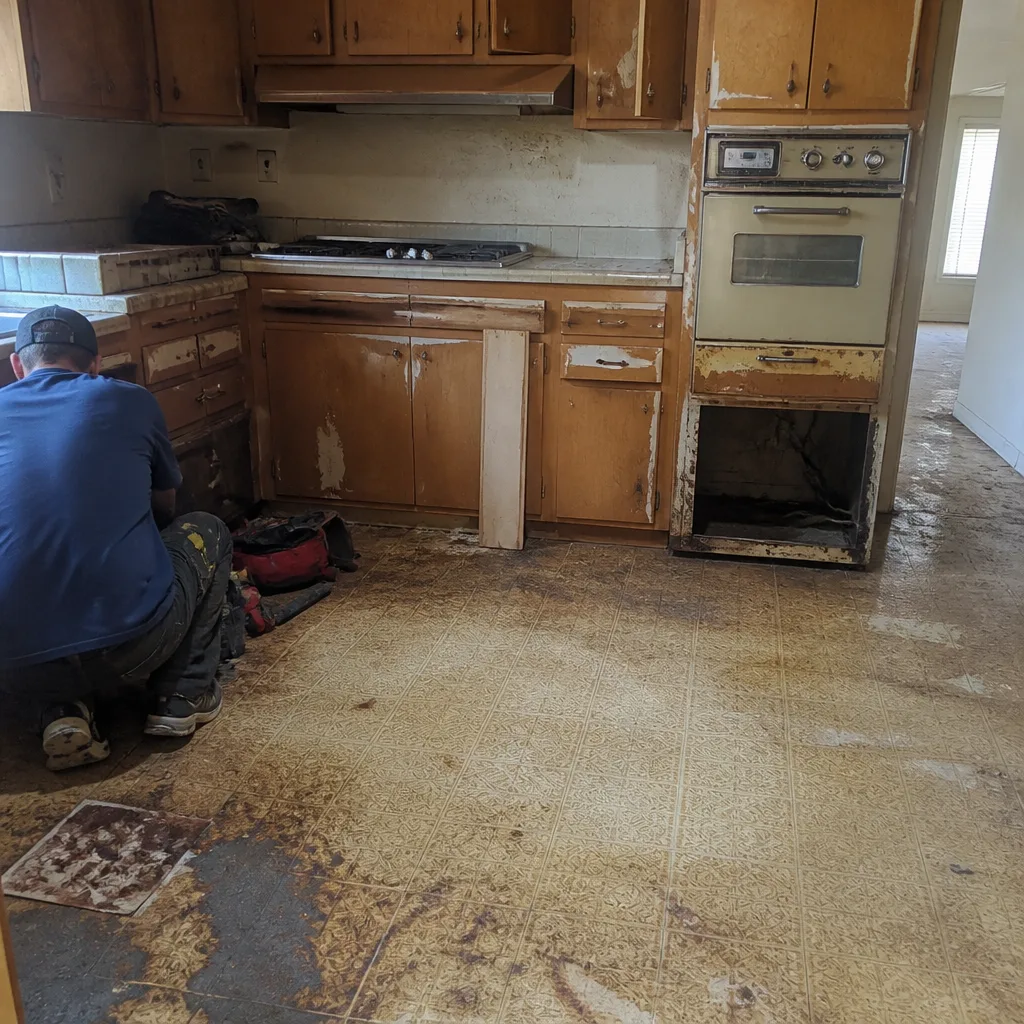 Before
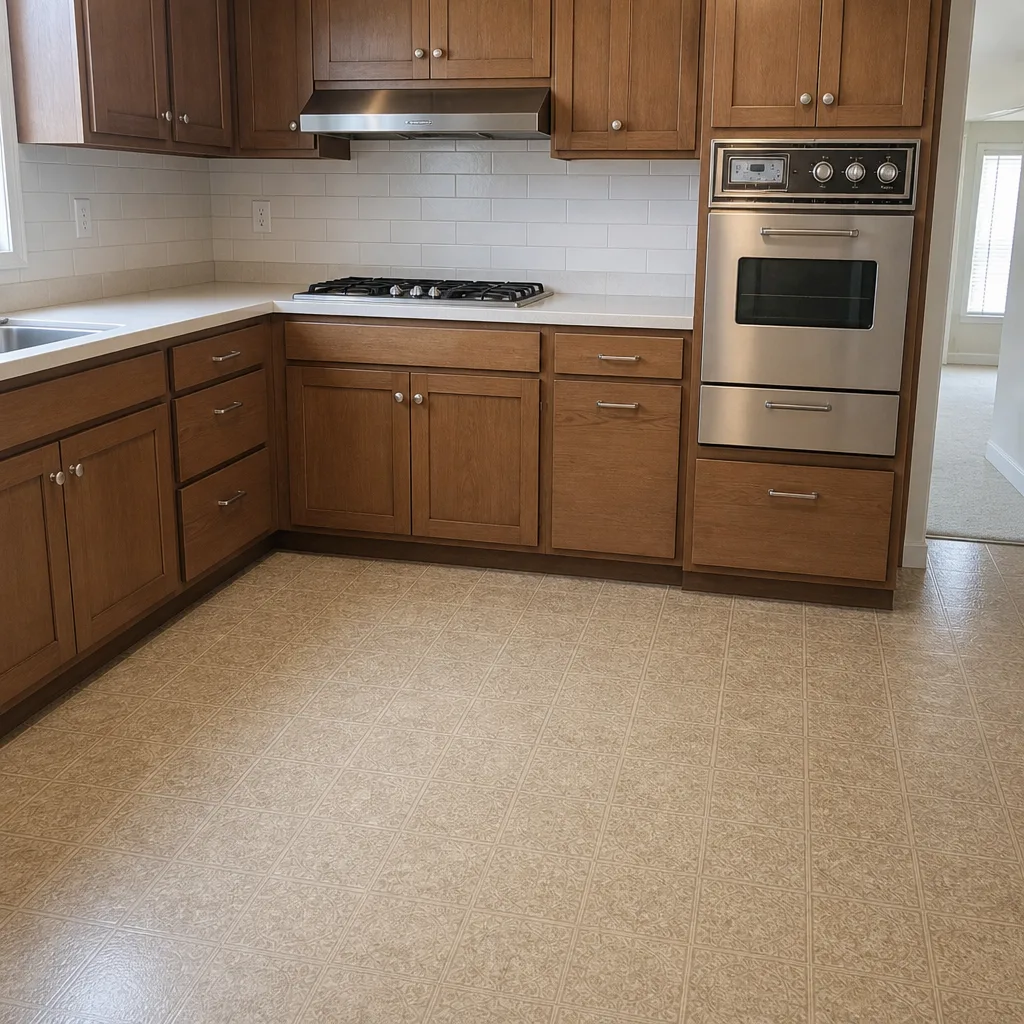 After
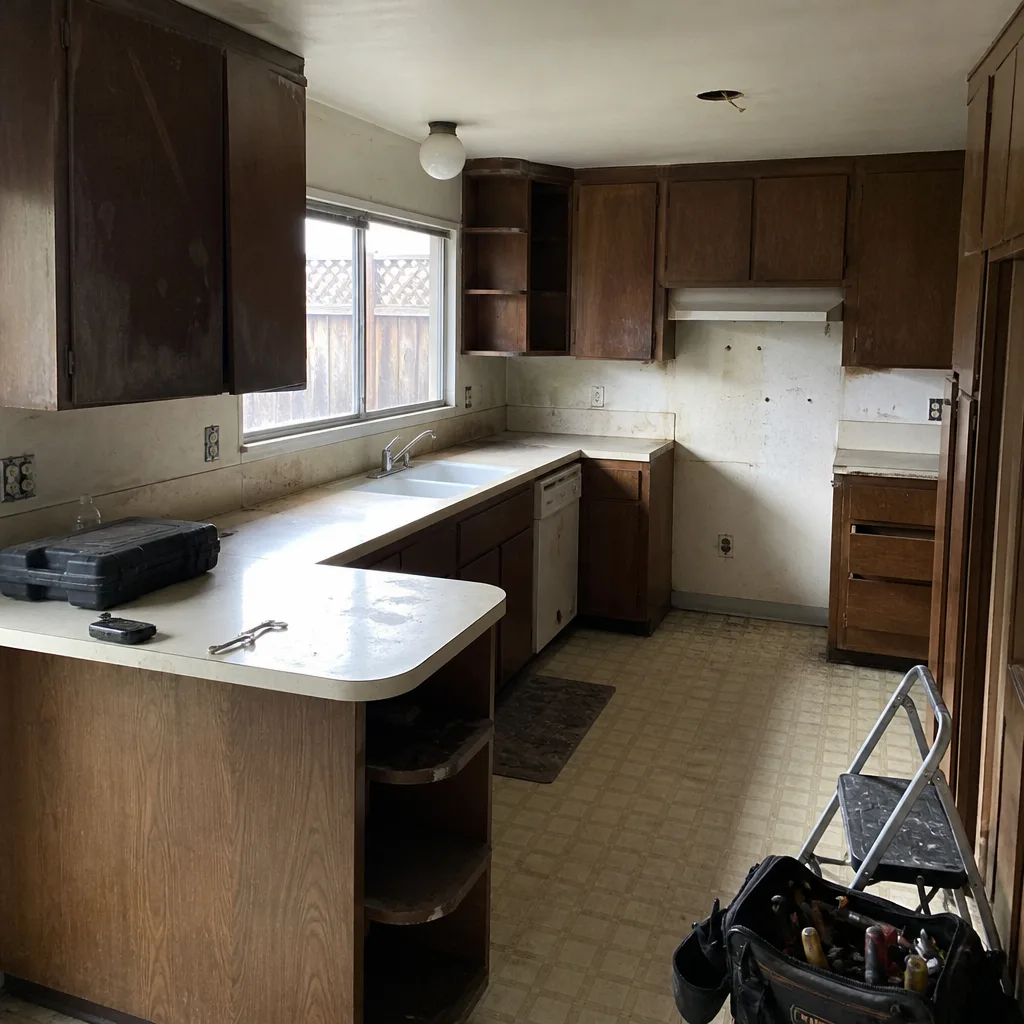 Before
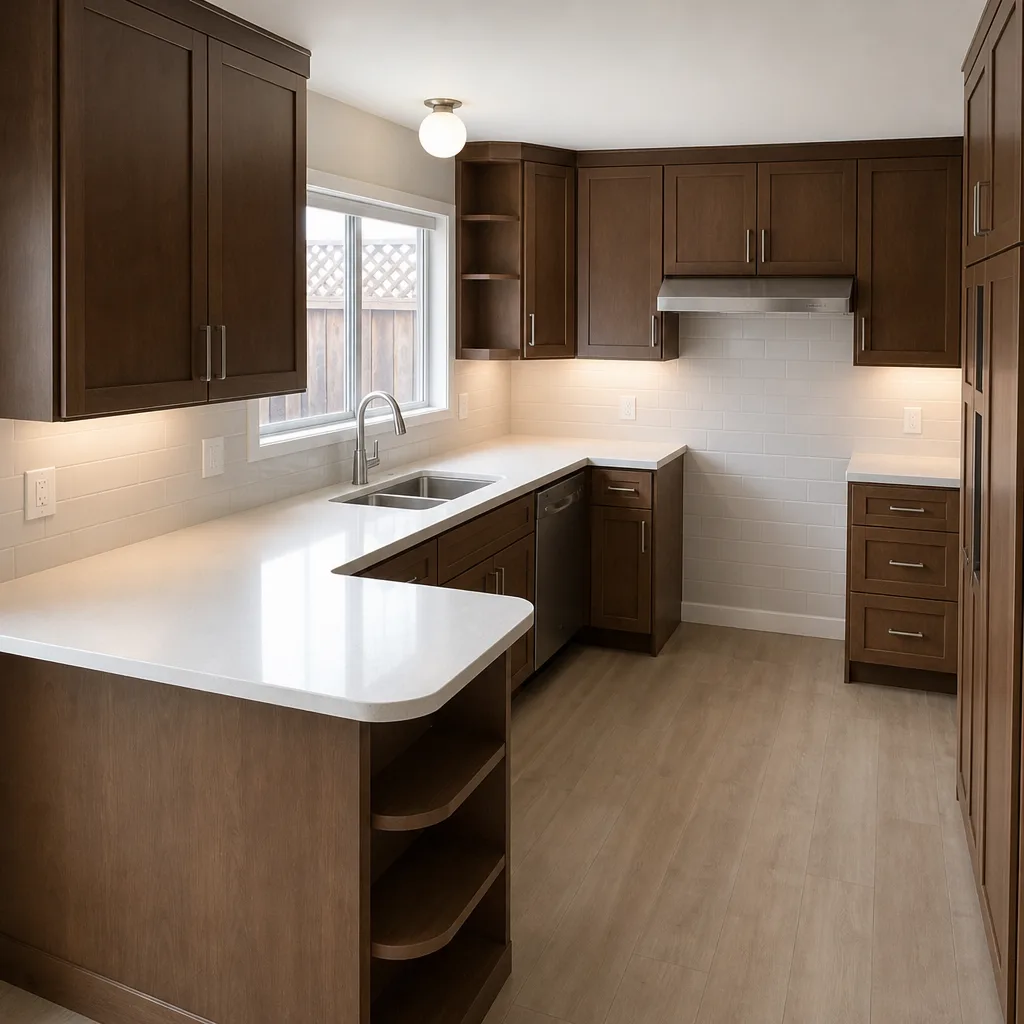 After
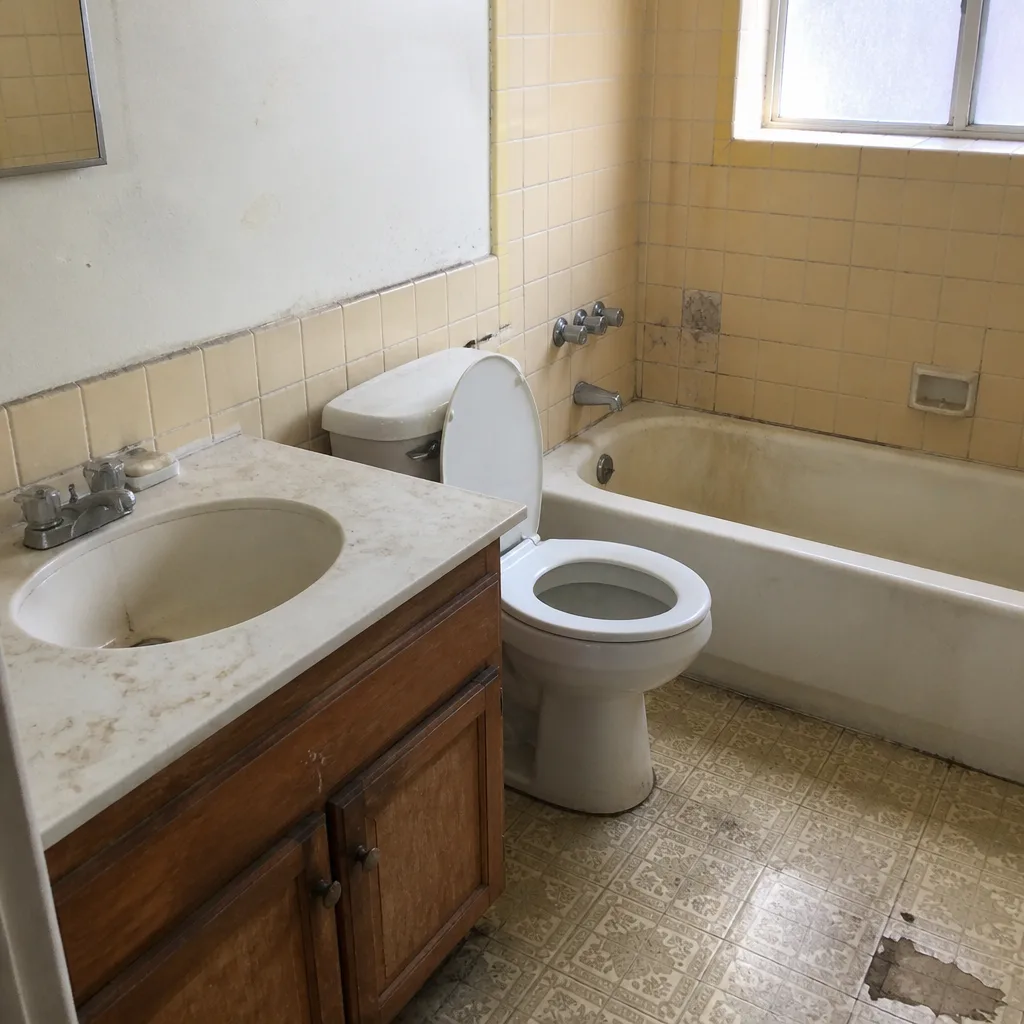 Before
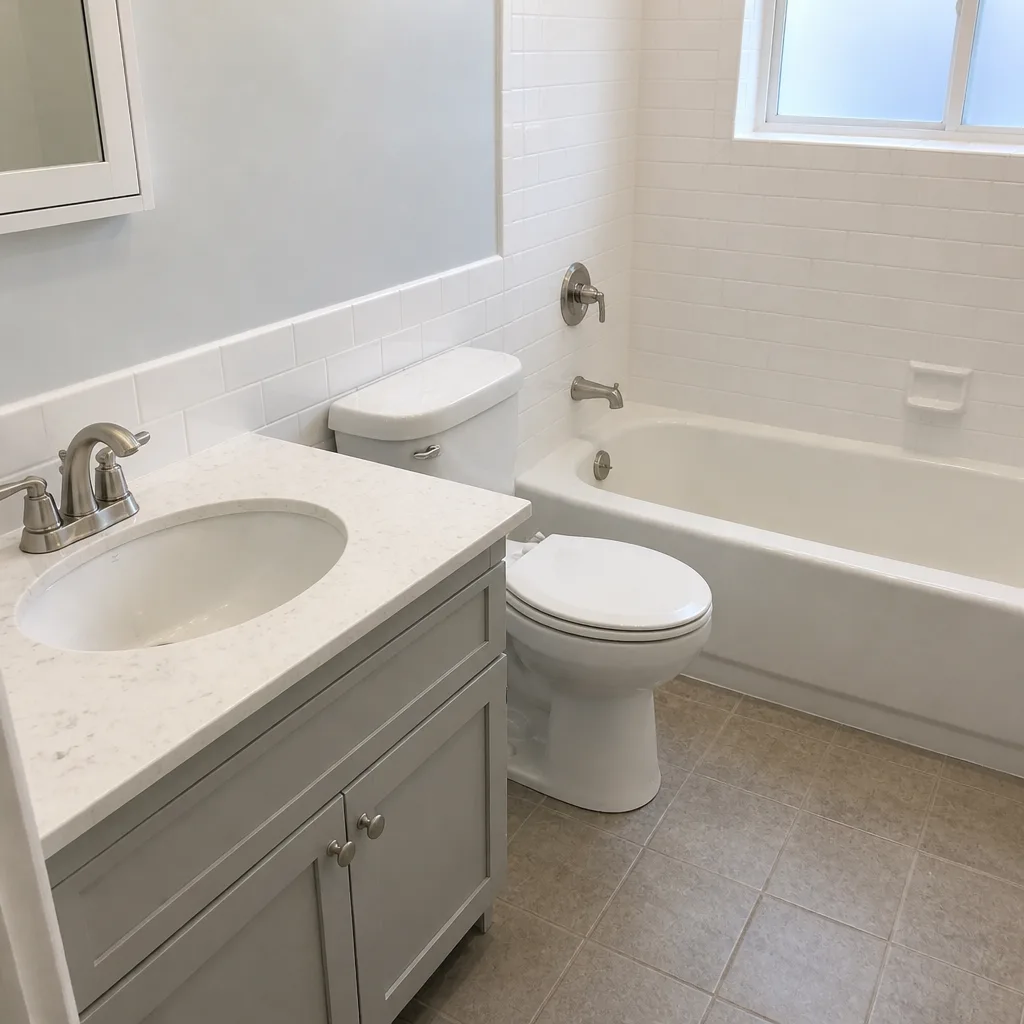 After
When to Call a Professional
Call a professional when the fence is taller than 6 feet, sits in a front setback or on a corner lot, crosses or touches a documented property line, or requires any digging within a few feet of a gas line, meter, or electrical service. Call when your yard has irrigation or landscape lighting you can’t trace by hand. Call when the fence adjoins a neighbor’s property and a shared path is at stake. And call when the timeline matters because you need the date to be real. Rowan Construction Group offers free estimates in Fremont with a written price, a written scope, and a written schedule before any work starts. Call (866) 797-6171.
Frequently Asked Questions
A 200-foot wood privacy fence typically takes 2 days of on-site labor, and the full calendar from contract to final inspection runs 10 to 14 days because of permit review, the 811 utility locate, and concrete cure. Vinyl runs similar labor days but with longer cure and material lead time; aluminum depends on fabricator lead time. Call (866) 797-6171 for a written schedule with real dates.
Not realistically for a typical residential fence, because concrete cure time and the required utility locate window sit between the digging and the panel hang. A small repair or a short run on existing posts can sometimes finish same day. For a new install, plan on at least two on-site days and a cure night between them. Call (866) 797-6171 to talk through your specific run.
Fremont generally requires a permit for fences over 6 feet and for fences in front setbacks or on corner lots; shorter backyard fences often don’t need one. HOA architectural review can apply on top of the city permit. Plan check typically runs 3 to 7 days for a residential privacy fence. Call (866) 797-6171 and we’ll confirm what applies to your address before you sign.
The dig date usually lands 5 to 8 days after signature, once the permit and the 811 locate have cleared. That’s the earliest realistic window, and it can extend if the permit needs a second look or the HOA review is pending. Ask for the dig date in writing at signature. Call (866) 797-6171 for a free estimate and schedule walk-through.
The crew stops, isolates the water, documents the condition with photos, and issues a written change order before any repair proceeds. Under our discipline, no work proceeds on a change until the change order is signed. That keeps a mid-job surprise from turning into a verbal price negotiation. Call (866) 797-6171 to talk about your yard.
No, unless the scope itself changes. A flat written price with a written scope and a written warranty is the starting point, and any change, whether an irrigation repair, a survey, or a material substitution, requires a signed change order before work on that change begins. That discipline is why projects finish within a few percent of the agreed number. Call (866) 797-6171 for a written quote.
The Bottom Line
The fence installation question is never really about the two days of labor. It’s about the ten or more calendar days around it: the 3-to-7-day permit review, the 2-to-3-day utility locate, the 24-to-48-hour concrete cure, and the inspection scheduling window. The material you choose shifts the labor and cure math; the two schedule-killers to watch for are unmarked irrigation lines during dig and a property-line discrepancy that requires a survey. Both are manageable if caught during design. Get the schedule in writing, ask which dates are firm, and plan around the gaps. Fence installation is one of our seven trades at Rowan Construction Group, alongside Home Additions & ADU in Fremont, and you can see the parent page for Fence Installation in Fremont whenever you’re ready. For a written price and a written schedule before anyone picks up a tool, call (866) 797-6171 to schedule a free estimate.
Written by the team at Rowan Construction Group Fremont.