Last updated November 17, 2026


Free written scope consultation - allowances, timeline, and change-order rules on paper before a single trade is scheduled
How Long Does Windows & Doors Take? Timelines and What to Expect
Milgard Tuscany Series windows ordered in a non-stock size carry a 6 – 8 week factory lead time before a single old sash comes out. That number rarely appears in a contractor’s proposal, which tends to describe only the one-day installation and leaves out the weeks of waiting in front of it. The result is a gap between what Fremont homeowners expect and what actually happens. This guide walks through the real timeline, phase by phase, so you can plan around lead times, Fremont permit review, and wet-season weather instead of being surprised by them.
Quick Answer
A single window replacement is about one day of active work and 1 – 2 weeks total once you count the permit. A whole-house window project is 3 – 5 days of active installation but 8 – 14 weeks end to end, because made-to-order product plus permit review dominates the schedule. A door in an existing opening is one day; a door that needs structural header work runs 4 – 6 weeks total.
Styles & brands we work with
- Kitchen remodeling
- Bathroom remodeling
- Home additions & ADU
- Roofing
- Windows & doors
- Driveway & pavers
- Fence
Table of Contents
- Timelines by Project Scope
- How Product Selection Drives Lead Time
- Fremont Permit Review: What Moves Fast and What Doesn’t
- Weather Windows and Flashing Cure Time in Fremont
- Sequencing Windows Against Paint, Stucco, and Other Trades
- Common Mistakes to Avoid
- When to Call a Professional
- Frequently Asked Questions
Timelines by Project Scope
The single biggest scheduling error is quoting active installation days as if they were the whole job. The work itself is fast. The wait around it is not. Here is how the four common scopes break down for a Fremont home.
Single window swap
One window, same size, replacing an existing unit in the same opening. Active work is one day or less. Add permit issuance and you’re looking at 1 – 2 weeks total. If the unit is a stock size the supplier already has, the wait is short.
Whole-house replacement
This is where the honest number matters. Ten to twenty openings typically means 3 – 5 days of active installation with a crew working systematically. But made-to-order product is 6 – 8 weeks at the factory for a Milgard Tuscany Series order in a non-stock size, and permit review sits in front of that. Plan on 8 – 14 weeks total.
Door in an existing opening
A pre-hung door that drops into a same-size rough opening is a one-day job once the door arrives. Lead time depends on whether it’s a stock door or a custom build.
Door with structural header work
Widening an opening, adding a header, or cutting a new opening in a load-bearing wall changes everything. Expect 3 – 5 days of active work and 4 – 6 weeks total, because the structural scope triggers plan-check review rather than an over-the-counter permit. That header needs to be sized and inspected, not eyeballed.
Across all four, the pattern holds: the smaller the product customization and the simpler the permit, the closer the total gets to the active-work number.
How Product Selection Drives Lead Time
Two windows that look identical on a showroom wall can differ by eight weeks in delivery. The difference is stock versus made-to-order, and whether the supplier carries the size in a local warehouse or builds it to your dimensions at the factory.
Milgard, Andersen, and PGT all serve the Bay Area, but they behave differently on timing. Some sizes are stocked; others are factory-direct only. When you order a window to a non-standard dimension for a Fremont ranch home with unusual opening sizes, you’re in factory territory and the clock starts at the factory, not the jobsite.
- Stock sizes the supplier already holds in a regional warehouse: days to a couple of weeks.
- Semi-custom or non-stock sizes built to order: commonly 6 – 8 weeks.
- Custom and specialty units (large sliders, arched tops, unusual finish): often longer, sometimes past 10 weeks.
What this means for your schedule
Order product first, then lock in installation dates. A proposal that gives you a firm install date before the windows are ordered is guessing. We sequence our written scopes so the product order and the permit application run at the same time, shaving weeks off the tail end. Choose your product line with your eyes open about which sizes are stocked locally and which are built from scratch.
If the same project includes interior finish work, this matters even more. Cabinet selections for a kitchen near the window wall, like a KraftMaid or Wellborn run, also carry lead times, and coordinating them is a topic we cover under Rowan Construction Group Fremont home.
Fremont Permit Review: What Moves Fast and What Doesn’t
Permit review is the phase most homeowners underestimate, and it splits clearly into two lanes in Fremont.
Over-the-counter, same-day: Like-for-like replacements that keep the same opening size, same location, and don’t alter structure usually qualify. Same-size window swaps and a door dropped into an existing rough opening commonly fall here. You can often walk out with the permit the same day.
Plan-check submission: Any change to the opening, structural header work, egress changes, or new openings go to plan check. That review runs on a longer cycle measured in weeks, not days, and it must clear before the door or window work can be scheduled.
The practical sequence
- Confirm your scope: same-size swap or structural change? This decides your permit lane.
- Submit the application with the correct product specs and dimensions.
- For over-the-counter work, collect the permit and schedule installation.
- For plan-check work, wait for clearance, then order product and schedule.
Getting the product specs right on the application the first time prevents a rejection that adds another review cycle. Under Clause 1 of the Haven Standard, our written scope spells out exactly which lane your project sits in before anyone starts, so the permit timeline shows up in your project plan instead of surfacing as a surprise.
Weather Windows and Flashing Cure Time in Fremont
Exterior work in Fremont runs on a seasonal clock. The October – March wet season is real, and opening a wall to the weather during a soaking stretch adds risk: moisture intrusion, delayed flashing cure, and daylight showing up where it shouldn’t.
Flashing and sealant need dry conditions and a cure window to perform. Install a window in the rain and the flashing tape may not bond properly, which is where future leaks begin. That’s why we schedule exterior window and door work to the dry months wherever possible and build in buffer around the wet season for anything that stretches toward fall.
- Best window for installation: April through September, when dry stretches are long and predictable.
- Wet-season risk: flashing and sealant that don’t cure correctly, and water finding the gap before the assembly is closed.
- What we do: sequence installs around the forecast and keep a drying plan for any exposed opening.
Stucco-clad homes, common across Fremont, add a step here. New stucco needs its own cure time before it’s painted or sealed, and rushing that cure is a mistake that shows up as cracking a season later. We build the stucco repair and its cure into the schedule rather than discovering it mid-install.
Sequencing Windows Against Paint, Stucco, and Other Trades
In a multi-trade project, the order things happen can cost more time than the work itself. Windows and doors sit in the middle of that order, and getting the sequence right protects the finishes around them.
Interior painting: install windows and doors before final interior painting. That way the trim, drywall patching, and any nail-fin or rough-opening fill all happen before the painter’s last pass. Paint after the window goes in, not before, or you’ll be touching up around new trim.
Exterior stucco: on Fremont’s stucco homes, the window install happens first, then the stucco patch and repair, then paint. The flashing goes behind the stucco assembly, so the wall has to be opened before the stucco is closed and finished. Rushing the stucco cure before painting is a common shortcut we don’t take.
Other trades: if the project includes a driveway and exterior approach under the doors, timing the door install against hardscape work saves damage. See our note on Driveway & Pavers in Fremont for how exterior sequencing fits together.
We map the whole sequence in the written scope so the window crew, the painter, and the stucco crew aren’t stepping on each other. If your project touches a fence line or yard layout alongside the house, Fence Installation in Fremont covers the same sequencing logic for exterior work.
Common Mistakes to Avoid
- Trusting the install date on the proposal. A firm installation date given before windows are ordered is a guess. Order the product, then confirm the date.
- Assuming every window is a quick swap. Made-to-order units at 6 – 8 weeks are the norm for non-stock sizes; the one-day install is only part of the picture.
- Missing the permit lane. Structural header work needs plan-check review, which adds weeks. Treating it like an over-the-counter swap is how projects stall.
- Scheduling exterior work in the wet season. October – March installs risk flashing that won’t cure and water where the wall is open.
- Painting before the windows go in. Final interior paint should come after window and trim work, or you pay for touch-ups around every opening.
- Skipping the stucco cure. Closing a stucco patch and painting it too fast cracks within a season. Build the cure time in.
- Buying on looks alone. Two windows that look identical can differ by eight weeks in delivery depending on whether the size is stocked locally or built at the factory.
When to Call a Professional
Some window and door work is straightforward, and some carries a real risk. Anything involving a structural header, a new opening in a load-bearing wall, or an egress window is not a weekend project; framing that carries the wall above it, sized and inspected correctly, is a job for someone trained to do it. The same goes for second-story windows and any exterior work that opens a wall to the weather, where flashing and cure discipline matter more than speed. If you’re unsure which permit lane your project is in, that uncertainty alone is a reason to get a professional read. Rowan Construction Group Fremont offers free estimates in Fremont with a written scope and flat price before any work starts. Call (866) 797-6171 to schedule yours.
Frequently Asked Questions
Plan on 8 – 14 weeks end to end for a whole-house replacement. The active installation is only 3 – 5 days; most of the total is made-to-order factory lead time of 6 – 8 weeks plus permit review. Call (866) 797-6171 for an exact quote for your opening count and product line.
No. Our written price is a flat price with a written scope and written warranty, and no work proceeds on a change until you sign a change order. That discipline is why projects finish within a few percent of the agreed number. Call to get your written estimate before anything else.
Yes. We handle the permit application and inspection, and we confirm up front whether your project is an over-the-counter same-size swap or a plan-check submission for structural work. Call (866) 797-6171 and we’ll tell you which lane your project sits in.
It’s possible but riskier. The October – March wet season can delay flashing cure and expose the open wall to moisture, so we generally schedule exterior window work in the dry months. If you’re planning for a wet-season install, call us and we’ll talk through a drying plan.
Yes. A door in an existing opening is a one-day install, but header work or a new opening triggers structural review and runs 4 – 6 weeks total. Getting a professional read on the framing before you order the door keeps that timeline honest.
Cost depends on opening count, product line, and whether the scope includes structural or stucco repair, so a written quote is the only honest answer here. Our estimates are free and come with a flat written price and scope. Call (866) 797-6171 to schedule an estimate.
The Bottom Line
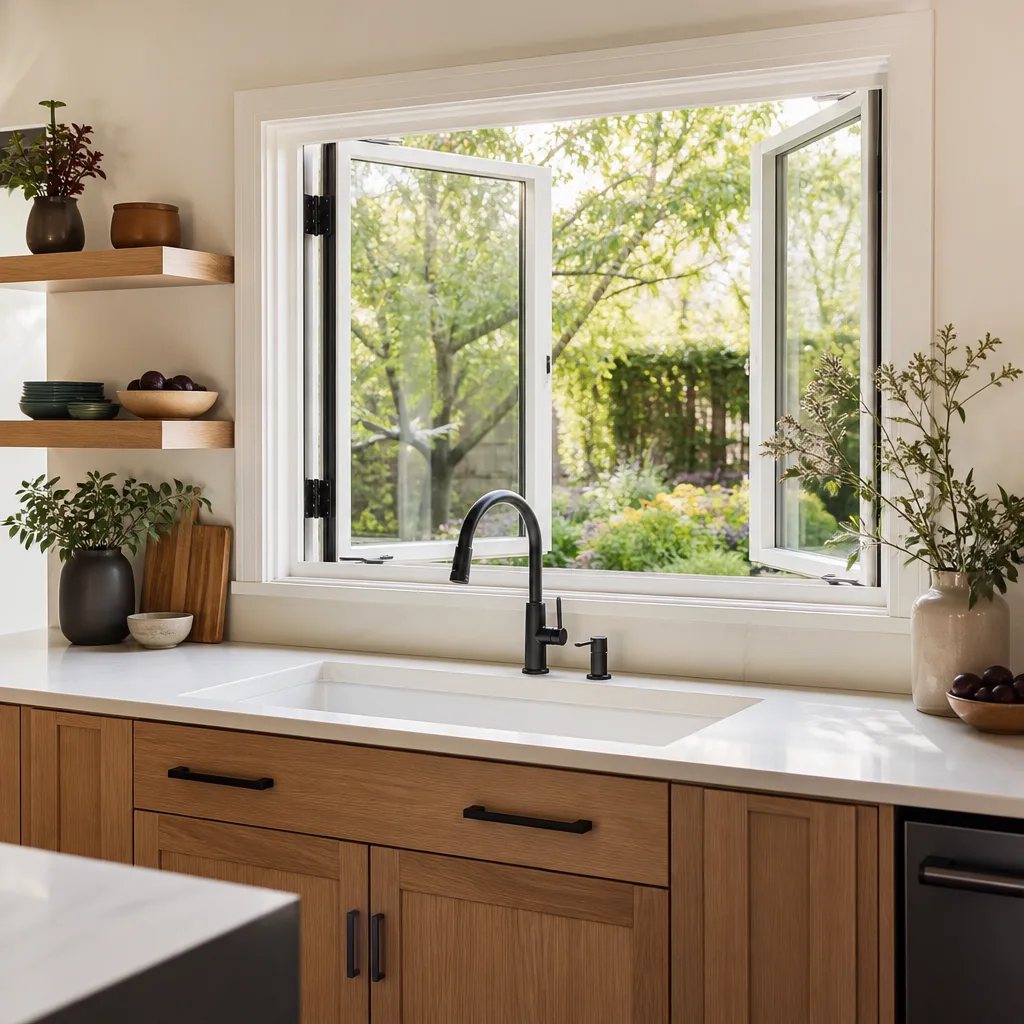
The number that shapes your project is the wait in front of the one-day install, not the install itself. A single swap is a week or two; a whole-house replacement is 8 – 14 weeks once you count made-to-order factory time and Fremont permit review, and a door with structural header work runs 4 – 6 weeks. Sequence product orders and permits to run together, schedule wet-season work carefully, and put windows in before paint and stucco. Get the written scope and flat price first, then plan the calendar around it.
Call (866) 797-6171 for a free estimate. We send a written price before any work starts, back it with the 365-Day Done Right Promise, and include a documented photo record on every visit. If you already have a competitor’s estimate, we’ll review it line by line at no charge.
When a larger project grows to include an addition or ADU, the same sequencing and permit logic applies; Home Additions & ADU in Fremont covers that timeline well. And door and window finish details that touch cabinetry or a Cambria or Caesarstone countertop run need the same coordination, which is where our free second opinion saves the most time.
Written by the team at Rowan Construction Group Fremont.
See the difference
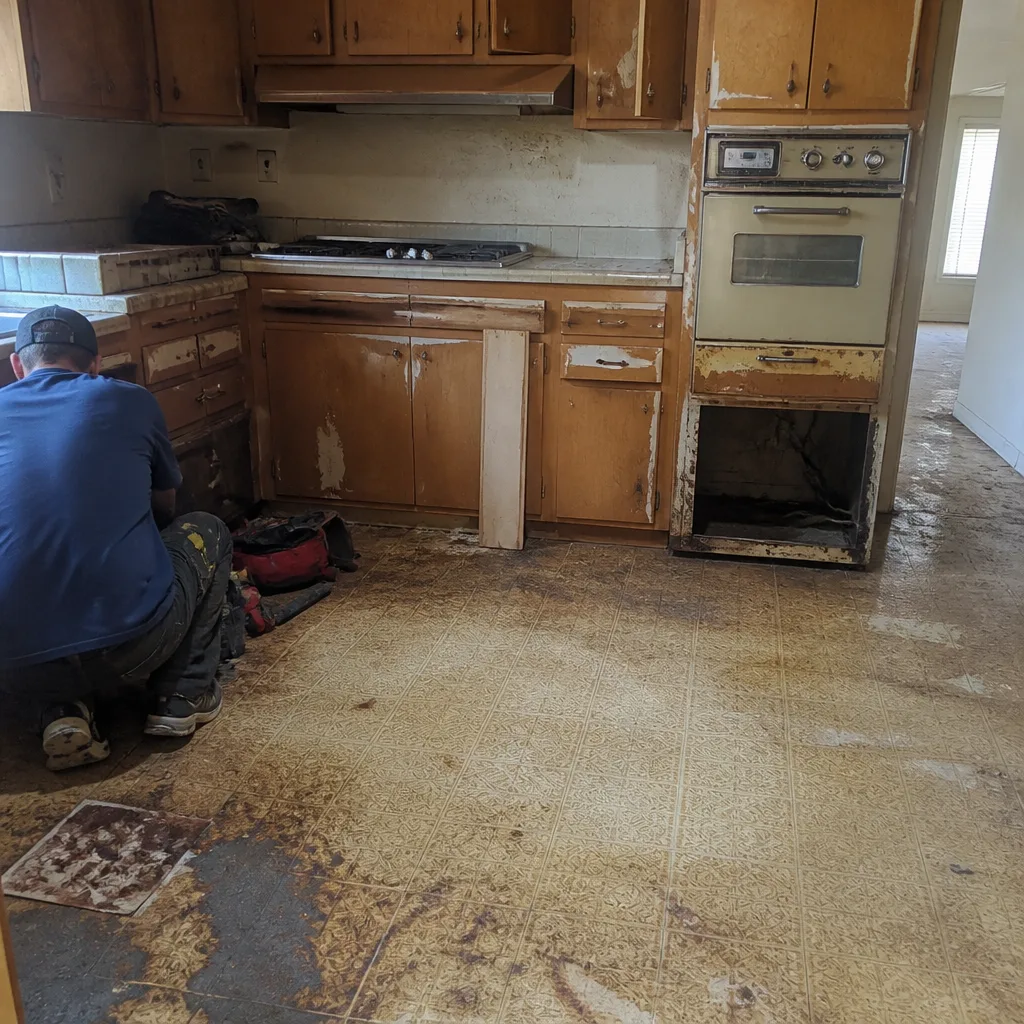 Before
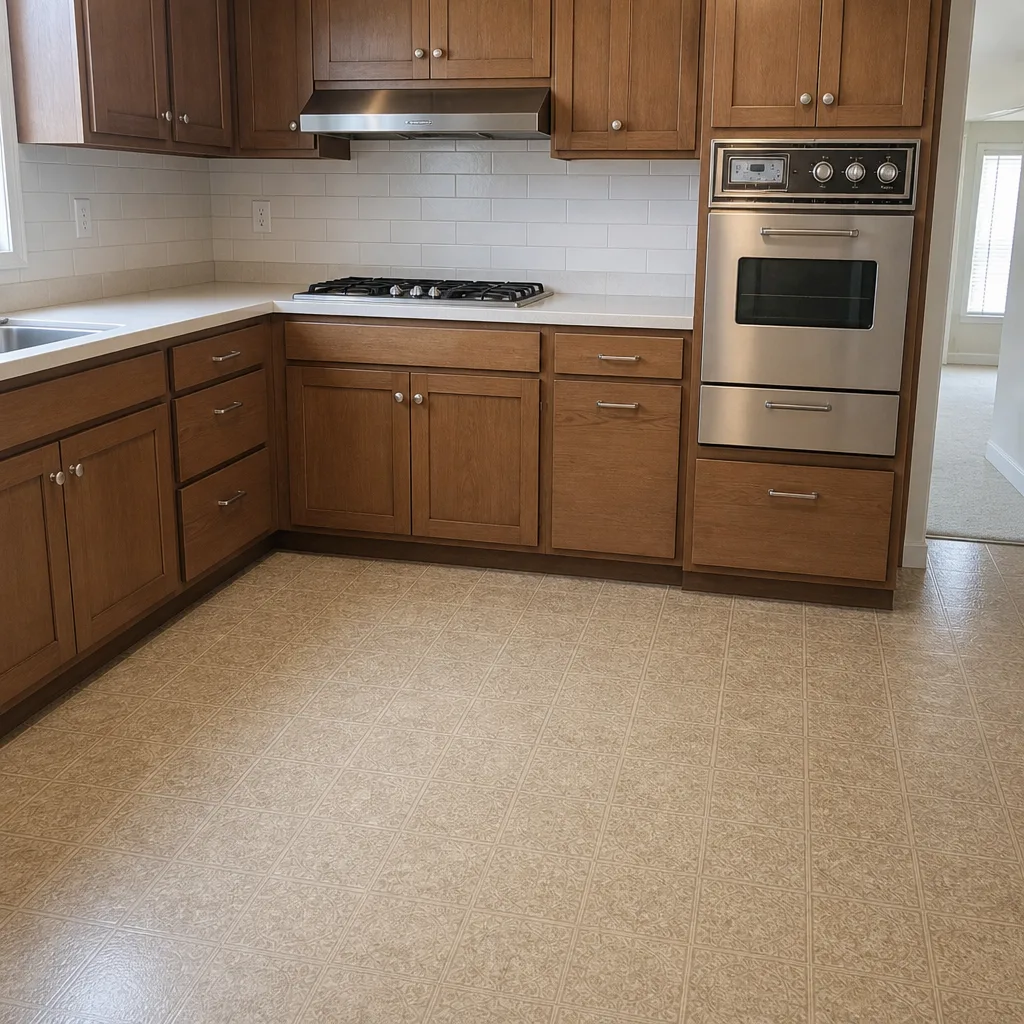 After
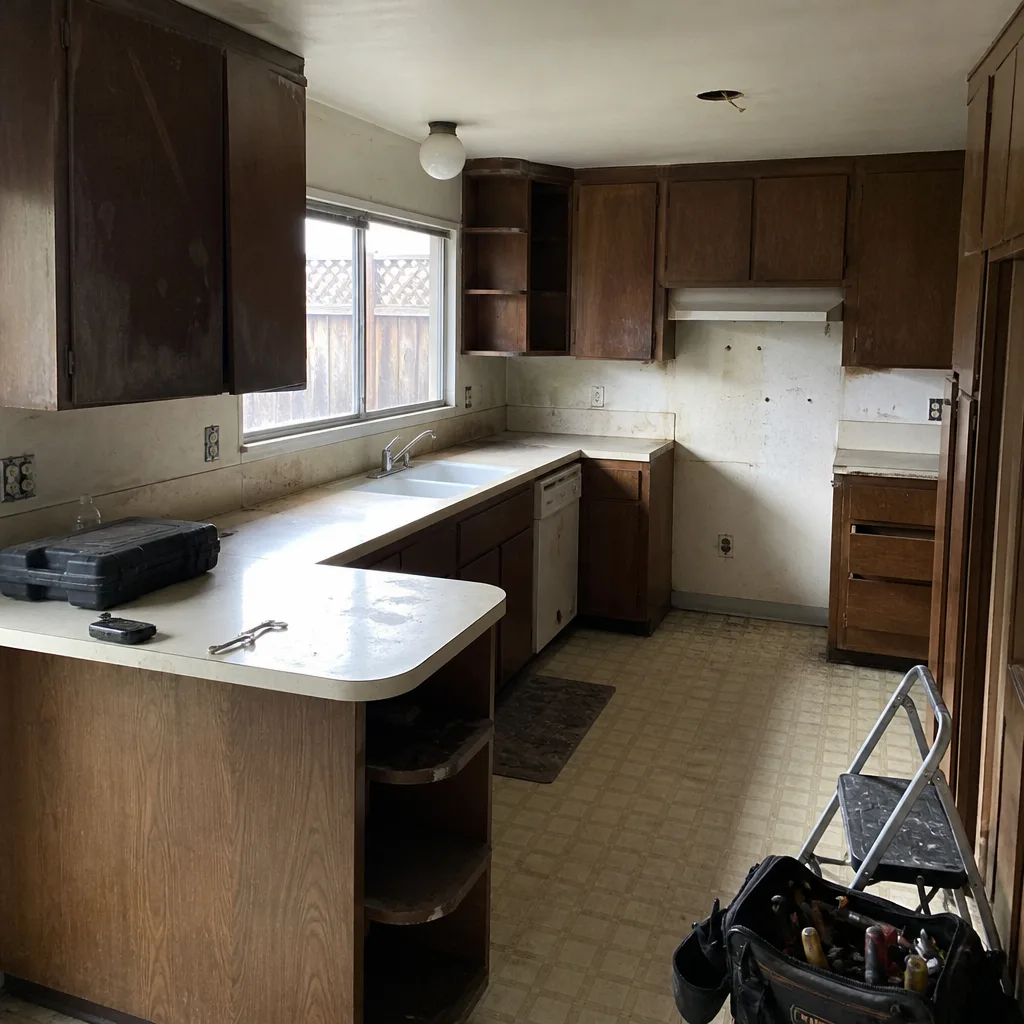 Before
 After
 Before
 After