Last updated November 17, 2026
Free written scope consultation - allowances, timeline, and change-order rules on paper before a single trade is scheduled
DIY vs Professional Construction: The Fremont Homeowner’s Decision Guide
California allows a homeowner to pull an owner-builder permit on many projects. Taking that route also means accepting personal liability for the work, and in some cases it can complicate a homeowner’s insurance claim down the line. That tradeoff almost never shows up in a DIY tutorial, and it’s the part that matters most when you’re standing in a Fremont kitchen trying to decide whether to swing the hammer yourself or bring in a licensed contractor.
This guide covers the framework most homeowners never get: what you can legally self-permit in Fremont, what the City of Fremont actually requires at the permit counter, how unpermitted work surfaces during a resale, and where the real cost of DIY lands once corrected. You’ll finish with a clear way to sort Fremont projects into “do it yourself,” “hire it out,” and “hybrid.”
Quick Answer
For most Fremont homeowners, cosmetic work like interior painting, tile replacement, and minor landscaping is genuinely DIY-appropriate, while anything touching structural framing, electrical panels, gas lines, grading within setbacks, or the building envelope should be permitted and performed by a licensed contractor. California’s owner-builder rules let you pull permits for work on your own residence, but doing so puts the liability for code compliance and resale disclosure on you rather than on a licensed professional. The decision, then, isn’t only about skill. It’s about permit eligibility, liability, and how the work will be documented when you eventually sell.
Styles & brands we work with
- Kitchen remodeling
- Bathroom remodeling
- Home additions & ADU
- Roofing
- Windows & doors
- Driveway & pavers
- Fence
Table of Contents
- California’s Owner-Builder Permit Rules in Fremont
- The Resale Risk of Unpermitted Work
- The True Cost Calculation: DIY vs a Contracted Bid
- Which Fremont Projects Are Owner-Appropriate
- How to Structure a Hybrid Approach
- Documentation You Should Keep Regardless
- Common Mistakes to Avoid
- When to Call a Professional
California’s Owner-Builder Permit Rules in Fremont
California’s owner-builder exemption lets an owner of record pull permits and perform work on a residential property they occupy, without holding a contractor’s license. The exemption exists so a homeowner can improve their own home, not so a homeowner can act as a contractor for others or build a project they intend to sell within a year. Fremont’s Building Division applies that framework through its permit process, and the paperwork gets specific fast.
The disclosure that catches people is Business and Professions Code section 7044. It requires an owner-builder to sign a statement acknowledging that they are assuming the role and responsibilities of a licensed contractor, including liability for workers’ compensation, safety, and code compliance on the job. Fremont, like other Alameda County jurisdictions, uses this acknowledgment as part of the owner-builder permit packet. Signing it is not a formality. It transfers the legal weight of the job onto your shoulders.
What you can self-permit versus what needs a licensed contractor to pull the permit:
- Typically self-permittable by an owner-builder: interior cosmetic work that still requires a permit (some wall removals, certain re-piping), fencing within height limits, minor site work outside setbacks, and single-trade repairs on your own occupied residence.
- Requires a licensed contractor in practice: new structural elements like beams and headers, panel upgrades and new circuits, gas line work, additions and ADUs, and anything involving the building envelope on a project you didn’t personally occupy at permit time.
- Requires professional engineering: grading within setbacks, retaining walls over a threshold height, hillside foundations, and seismic retrofit tied to an addition.
One nuance worth stating plainly: many Fremont projects are technically owner-permittable but practically require a licensed professional because the inspection sequence assumes one. That’s a conversation to have at the counter before you buy materials. The team behind our Rowan Construction Group Fremont home page walks Fremont homeowners through this permit sorting regularly, and it’s often the first thing worth confirming.
The Resale Risk of Unpermitted Work
Fremont’s housing stock is a mix of mid-century ranch homes in neighborhoods like Glenmoor and Sundale, newer construction in the Warm Springs and Innovation District areas, and hillside properties in the Mission and Niles foothills. Each carries a different risk profile when unpermitted work is discovered, but the discovery process is consistent.
Fremont and Alameda County inspectors, title companies, and appraisers identify unpermitted work in a handful of predictable ways:
- The permit history shows a change-of-use or addition on record that doesn’t match the current floor plan on the county assessor’s site.
- A pre-listing home inspection notes a bathroom in a converted garage, an added bedroom without a closet, or a deck without a permit tag.
- An appraiser’s measurements don’t line up with the assessor’s square footage, putting a red flag next to a bedroom count.
- A title search reveals an open permit that was never finaled, which stops a sale until it’s resolved.
When any of those surface, the seller generally absorbs the cost. In our experience, retroactive permit and repair costs for a converted garage or a kitchen that was moved without permits run $15,000 to $40,000 by the time the plans are redrawn, the work is inspected, and any corrections are made. That range depends on how much has to be removed and rebuilt to meet current code.
The pattern is consistent enough to state directly: a buyer’s lender will not fund a loan on a home with unresolved unpermitted work, and the seller discovers the number when they’re already committed to a closing date. If you’re planning to sell within a few years, the documentation question should shape the decision before you pick up a tool.
The True Cost Calculation: DIY vs a Contracted Bid
Comparing a DIY project to a contractor bid by material cost alone is the single most common error we see. The honest comparison has five lines, and most homeowners miss two or three of them when they’re estimating.
Here’s how the true calculation breaks down for a mid-size bathroom or kitchen-adjacent project in Fremont:
- Materials: the shelf price you see at the store, plus the waste factor (10 – 15% is realistic for tile and lumber).
- Tool rental and consumables: tile saw, demo hammer, drywall lift, respirators, blades. Budget $300 – $900 for a bathroom-scale job if you don’t already own them.
- Permit fees: a Fremont permit fee for a mid-size bathroom or kitchen scales with valuation and typically lands in the low hundreds to low thousands; the fee is the same whether you or a licensed contractor pulls it.
- The correction cost: if your work fails inspection, the licensed contractor you hire to fix it is not on a discounted rate. Same price as if they’d done the job from the start, only now the job is partly done and partly wrong.
- Your time, valued honestly: a weekend warrior on a full bathroom typically spends 120 to 200 hours across six to ten weeks. That’s not a cost line you pay in dollars, but it’s a cost.
When we put numbers on paper for a Fremont bathroom remodel that a homeowner was considering DIYing, the material-plus-tools-plus-permit subtotal came in around 60% of the contracted bid. Add one failed inspection and a re-inspection fee, and the gap narrows to single digits. The full-scope contracted bid, by contrast, is a flat written number with a written scope and a written warranty, and it doesn’t move unless you sign a change order. That predictability is a large part of what the extra cost buys.
Which Fremont Projects Are Owner-Appropriate
Not every Fremont project needs a contractor, and pretending otherwise wastes money. Sort them honestly:
Genuinely owner-appropriate
- Interior wall painting and trim work, in a single room or across a whole house.
- Tile replacement on a shower wall or kitchen backsplash, where the substrate is intact.
- Minor landscaping, planting, sod, and garden bed work that doesn’t touch grading or drainage.
- Fence replacement or repair within Fremont’s height limits and property-line rules, though we’d flag that fence installation in Fremont has its own permit and neighbor-notification nuances worth confirming.
- Cosmetic fixtures: swapping a faucet, a light fixture rated for the existing circuit, or a toilet.
Disproportionate risk when self-performed
- Electrical: panel work, new circuits, and anything near the main service. Mistakes here are a fire and shock hazard, and the insurance consequences of an unpermitted panel change are worse than the permit fee.
- Gas lines: a leak or a bad connection is not a “fix it later” category.
- Structural framing: opening a wall, moving a beam, or adding a header requires engineering, and a failed structural inspection is not cheap to unwind.
- Grading and drainage within setbacks: Fremont’s hillside parcels in Niles and Mission are sensitive to grading. A retaining wall or a regraded slope without engineering can destabilize a foundation, and the soil conditions here (expansive clay in many flatland neighborhoods) don’t forgive shortcuts.
- Roofing and exterior envelope: a poorly installed roof deck or flashing failure surfaces in the first rainy season and stays until it’s torn off and redone.
Fremont’s climate matters in this sorting. The dry summers hide water intrusion until the first substantial rain, usually November, so an envelope or drainage mistake made in July often shows up as a ceiling stain in February. That delay is what makes certain categories of DIY get worse before they get fixed.
How to Structure a Hybrid Approach
The middle path is often the best one, and it’s the arrangement we see the most satisfied Fremont homeowners use. The homeowner takes on the labor-intensive, low-risk portions while a licensed contractor performs, permits, and inspects the technical scope. The savings come from what you don’t pay for, not from what you negotiate.
A typical split for a kitchen remodel or small addition in Fremont:
- Homeowner scope: demolition of non-structural finishes, hauling debris to the transfer station, protecting floors and adjacent rooms, final cleanup.
- Homeowner scope: selecting and purchasing finishes (cabinets, tile, fixtures) so the contractor isn’t marking them up. Sourcing through brand lines is one way to control the number; a written bid from a firm with access to KraftMaid and Wellborn cabinetry or Cambria and Caesarstone surfaces can often match or beat a homeowner’s retail selection.
- Licensed contractor scope: structural, framing, plumbing rough-in, electrical, HVAC, drywall, tile setting, cabinetry install, and finish carpentry. All permitted and inspected.
- Licensed contractor scope: the final inspection sequence and the closeout documentation.
When this split is planned before the first hammer swing, savings on a kitchen-scale project often land in the 10 – 20% range versus a fully contracted bid. When it’s improvised mid-project, savings disappear into coordination costs and return trips. The dividing line is whether the scope was written down and agreed to before work started.
The hybrid works best when the contractor is willing to quote the technical scope only, with the homeowner scope explicitly excluded and documented. The trade-off for a written-only contractor is a smaller number, and for the owner it’s real sweat equity. If your project is heading toward an addition, the picture gets more complex and worth weighing against a full contracted build; our Home Additions & ADU in Fremont guide walks through the ADU permit path in detail.
Documentation You Should Keep Regardless
Whether you DIY or hire out, the paper trail is what protects you at resale. Fremont home inspectors ask for it, title companies ask for it, and buyers’ agents ask for it. Here’s what to keep:
- Copies of every permit pulled, with the final inspection sign-off, scanned into one folder.
- Receipts for materials and any tool rentals, kept with the project file.
- Photos of work in progress, showing what was behind the wall before it got closed up.
- A written scope for any contractor work, including the signed change orders.
- The warranty document, if a contractor performed the work.
A documented photo record on every visit is one of the things we include as a standard deliverable, not an upgrade, precisely because the record matters as much at resale as the work itself. Our Driveway & Pavers in Fremont work and Fence Installation in Fremont projects each close with that record in hand, and the same principle applies to interior work.
Common Mistakes to Avoid
- Starting without confirming the permit path. Fremont homeowners occasionally tear into a wall before checking the assessor’s site and permit history, only to discover the wall is structural and the drawing set is required.
- Underestimating the correction cost. A failed inspection doesn’t get fixed at the price of doing it right the first time. It gets fixed at the price of doing it twice, minus whatever salvage you can manage.
- Signing the owner-builder disclosure without reading it. The B&P Code 7044 acknowledgment is the whole legal weight of the job. Read it and understand what it obligates you to.
- Buying finishes before the contractor’s scope is written. Finish selections drive install scope, and reverse-engineering a scope to fit a tile you’ve already purchased is how change orders start.
- Skipping the written scope on hybrid projects. A handshake division of labor is the fastest path to the homeowner and contractor blaming each other for the same wall.
- Letting the dryer vent or bathroom exhaust detail go unaddressed. In a Fremont flat-roof or low-slope configuration, an improperly terminated vent is a chronic moisture problem, and it’s easy to miss when the job is DIY.
- Not keeping the photo record. The single easiest thing to skip and the one that most reliably costs real money at resale.
When to Call a Professional
Call a licensed contractor when the work touches structure, the electrical service, gas, the building envelope, grading within setbacks, or the permit sequence that keeps a future sale clean. Call one when your project needs a stamped drawing, an engineering calculation, or a final inspection you can’t afford to fail. Call one when the scope is large enough that six weekends of your time is worth more than the price difference. And call one when you’re in the hybrid zone and need a written technical-scope bid you can plan around.
Rowan Construction Group Fremont offers free estimates in Fremont, and our crews are background-checked and uniformed, with a live person answering calls 24/7. Bring a competitor’s written estimate and we’ll review it line by line as a free second opinion. Call (866) 797-6171 to schedule your free estimate.
See the difference
 Before
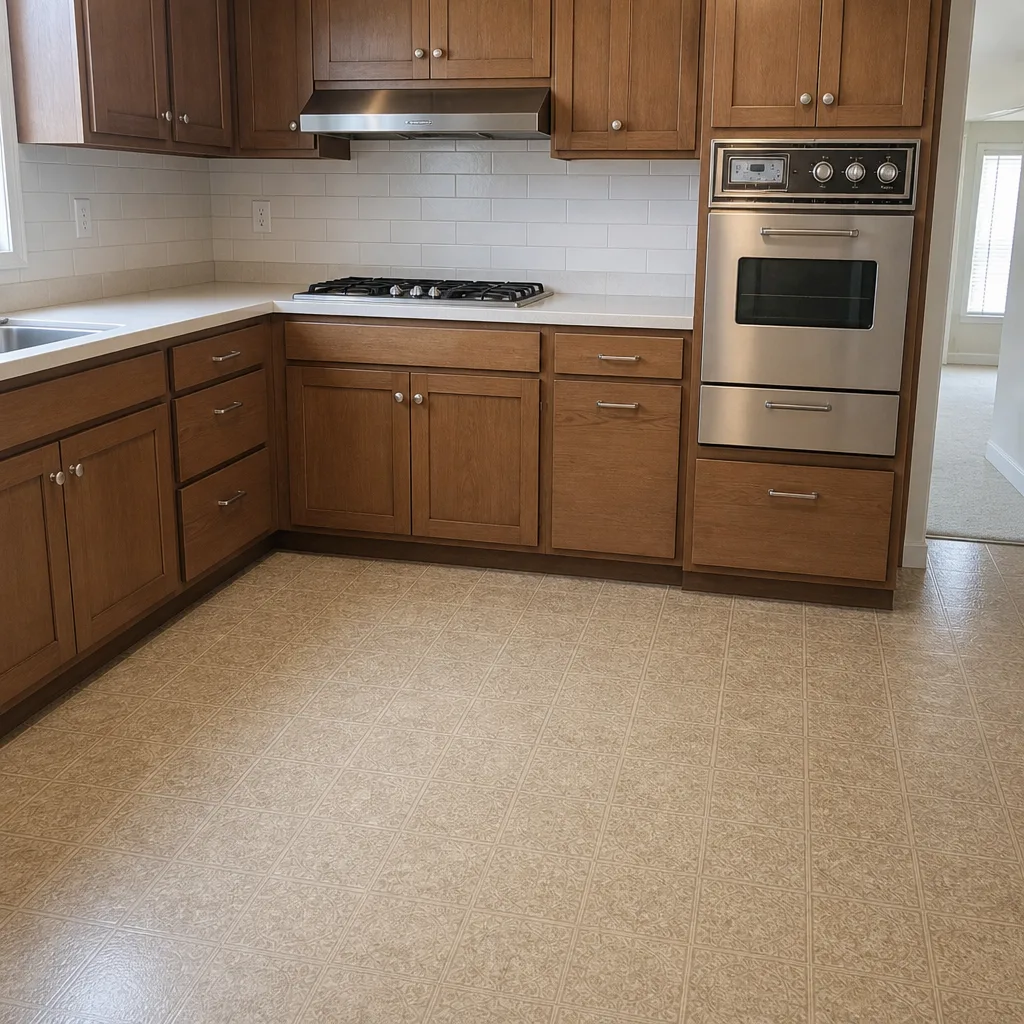 After
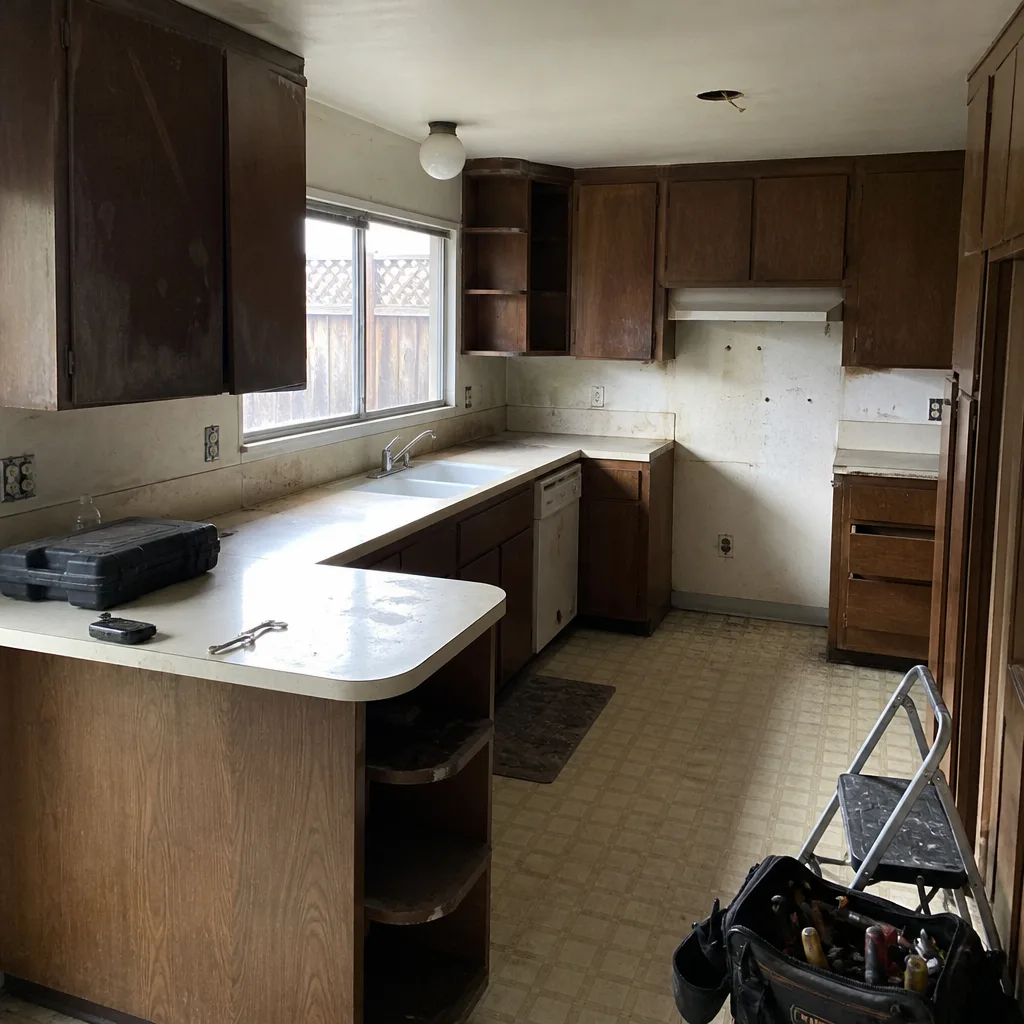 Before
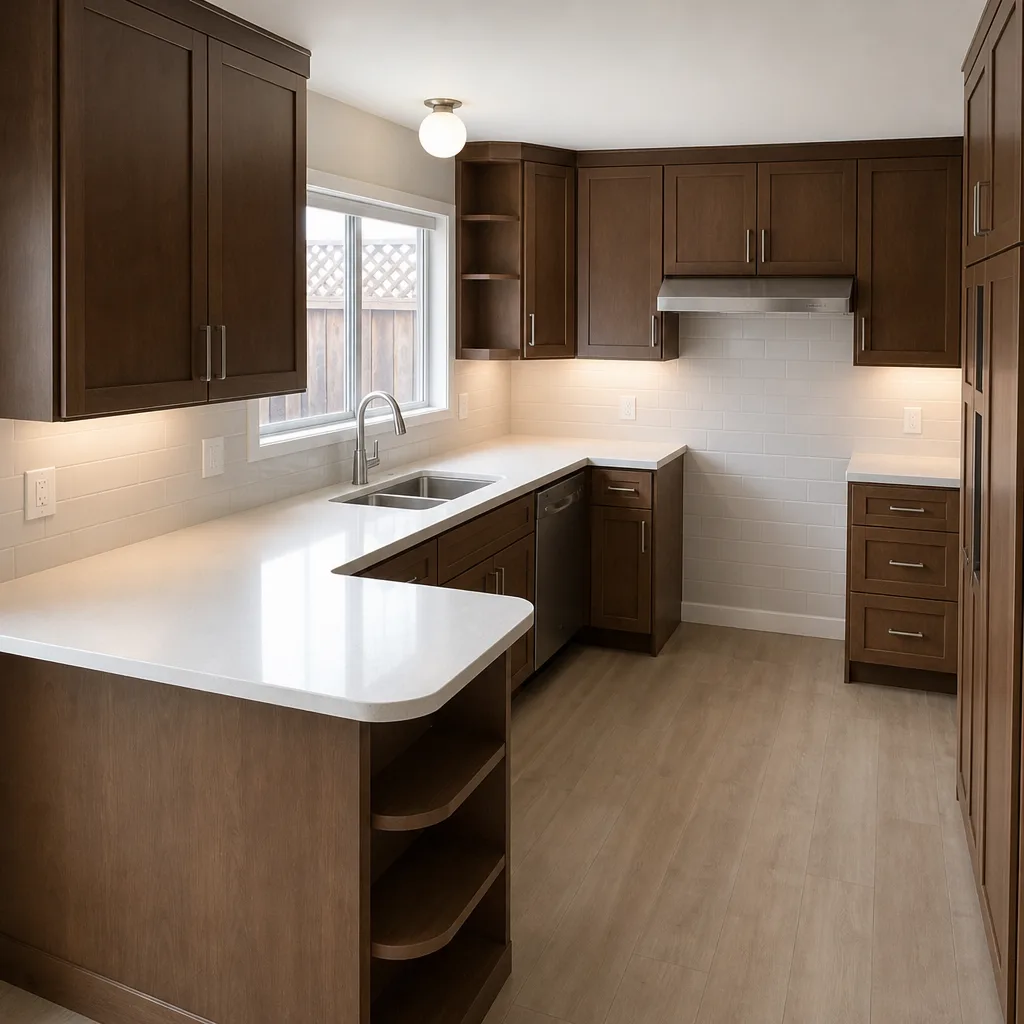 After
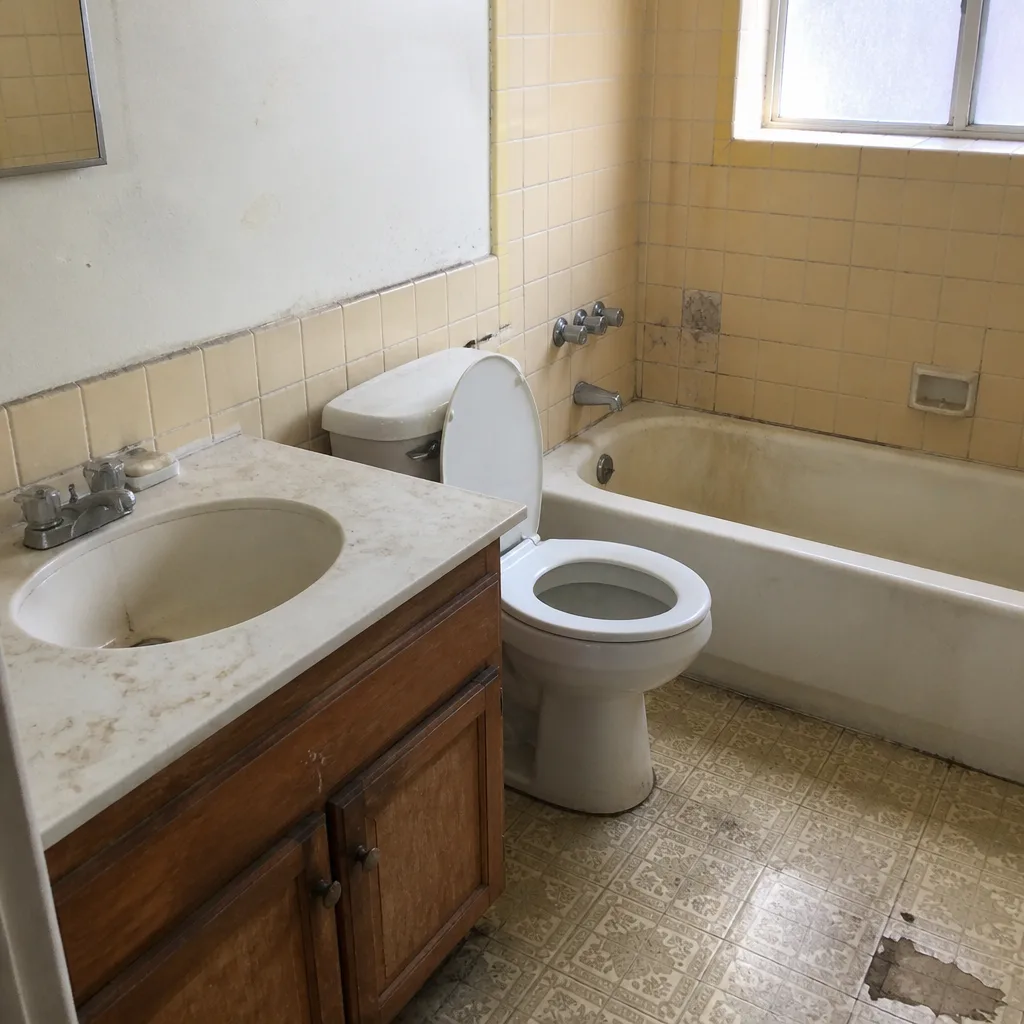 Before
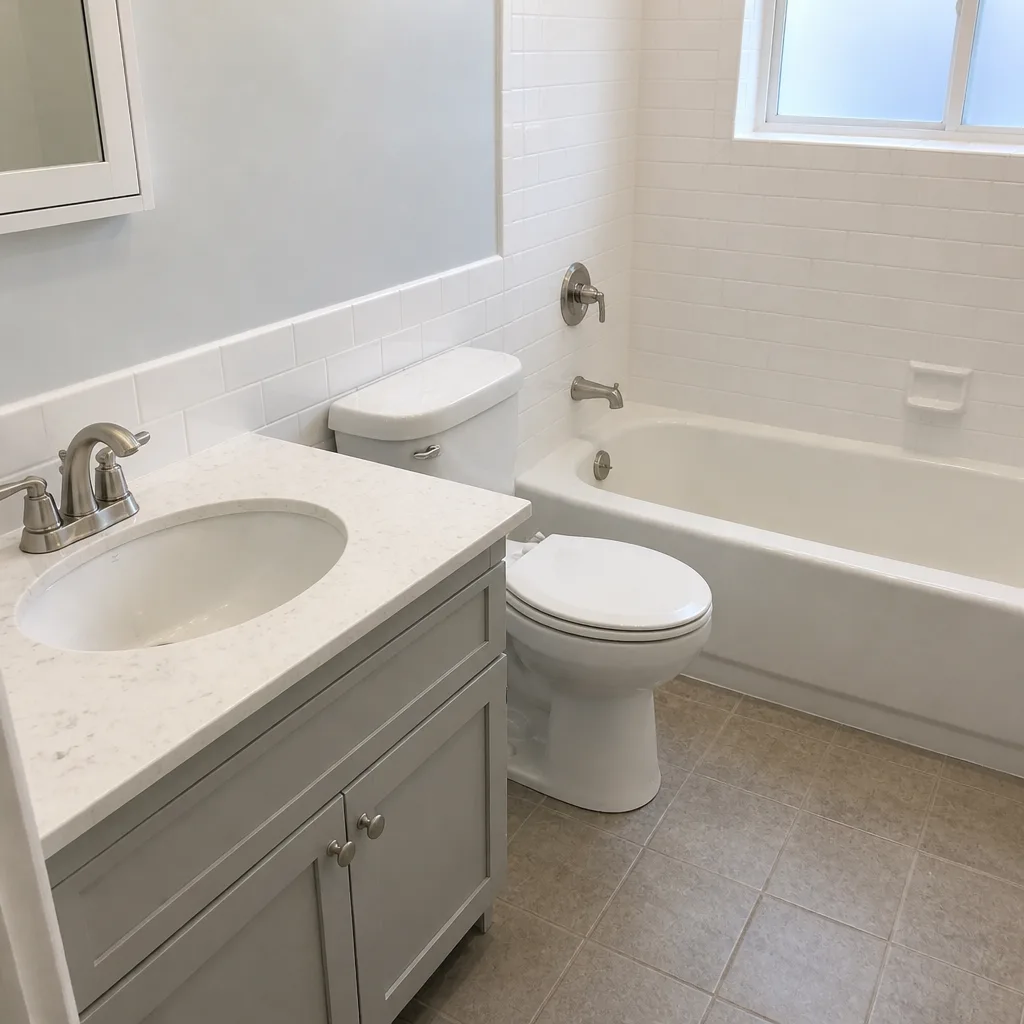 After
Frequently Asked Questions
Yes, for many projects on a residence you occupy, California’s owner-builder exemption lets you pull the permit yourself. Signing the Business and Professions Code 7044 disclosure means you’re accepting the same liability a licensed contractor would carry, including code compliance and jobsite safety. For anything structural, electrical, gas, or envelope-related, a licensed contractor generally pulls the permit instead, and that’s usually the better path. Call (866) 797-6171 for a free scope review before you commit.
Retroactive permit and repair costs for unpermitted additions and conversions typically run $15,000 to $40,000, depending on how much has to be removed, redrawn, and rebuilt to current code. The total depends on the scope, the age of the work, and current code on the specific system. A written pre-listing scope is the fastest way to know the number rather than guess it. Call (866) 797-6171 to schedule a free estimate.
Sometimes, and by less than most homeowners expect. The material-plus-tools-plus-permit subtotal for a mid-size bathroom often lands around 60% of a contracted bid, and one failed inspection plus the correction cost can narrow that to single digits. The gap is the cost of documentation, warranty, and predictable schedule. Call (866) 797-6171 for a written comparison.
Often, yes, depending on height and location relative to property lines and setbacks, and neighbor notification rules apply in some cases. Fence work is one of the categories where doing it right means confirming with the City before the first post goes in. A written scope that includes the permit path is worth having. Call (866) 797-6171 to talk through your fence project.
An ADU (accessory dwelling unit) is a legally defined, permitted secondary residence with its own kitchen, bathroom, and entrance, and Fremont has its own ADU rules governing size, setbacks, and parking. An in-law suite is a looser term that may describe an interior conversion or an unpermitted addition, and Fremont treats unpermitted conversions very differently at resale. Call (866) 797-6171 for a free estimate on the ADU path.
Under our process, the price is written before anyone picks up a tool, and no work proceeds on a change until a signed change order is in place. That discipline keeps the final number within a few percent of the agreed cost, which is why we quote with a flat written price and a written scope instead of “call for a quote.” The 365-Day Done Right Promise backs the work itself. Call (866) 797-6171 for your free estimate.
The Bottom Line
The DIY-versus-hire decision in Fremont is a legal and financial question as much as a skill question. If the work is cosmetic, low-risk, and doesn’t need a permit you can’t comfortably own, DIY is a reasonable path. If it touches structure, electrical, gas, grading, or the envelope, the permit, the liability, and the resale documentation all point toward a licensed contractor, and the number is more predictable when it’s written down before work starts. The hybrid approach works when the scope is divided in writing. Either way, keep the paper trail, and remember that the cheapest bid and the cheapest decision are rarely the same thing on a project that touches your home’s permanent record.
Rowan Construction Group Fremont offers free estimates across Fremont, with a written price before any work starts, a documented photo record on every visit, and a Free Second Opinion on any written estimate you bring us. Call (866) 797-6171 to schedule yours.
Written by the team at Rowan Construction Group Fremont.