Last updated November 17, 2026





Free written scope consultation - allowances, timeline, and change-order rules on paper before a single trade is scheduled
Seasonal Construction Care for Fremont: Year-Round Homeowner’s Guide
Fremont averages about 16 inches of rain a year, and roughly 80% of it lands between November and March in a handful of concentrated storms. That single fact reshapes how you should think about home maintenance here. A hairline crack in a concrete walkway that drains harmlessly in August becomes a water-infiltration point in December. The gap between a $200 caulk-and-seal job and a $3,500 waterproofing repair is usually timing, not luck. This guide builds a calendar around Fremont’s actual weather rhythm so you can stay ahead of the damage instead of chasing it. We’ll walk through what to do each season, what to inspect, and how to document it all.
Quick Answer
Seasonal construction care in Fremont means scheduling pre-rain drainage and sealing work in September and October, monitoring ponding and cracks through the winter storms, running a structural inspection sequence each spring, and using the dry summer months for grading and base work before the cycle repeats. A calendar-based approach keeps small repairs small: homeowners who follow a seasonal checklist rather than waiting for visible failure spend roughly 40% less on structural repairs over a decade.
Styles & brands we work with
- Kitchen remodeling
- Bathroom remodeling
- Home additions & ADU
- Roofing
- Windows & doors
- Driveway & pavers
- Fence
Table of Contents
- Fall (September – October): The Pre-Rain Window That Matters Most
- Winter (November – February): Reading the Storm Season
- Spring (March – May): The Post-Rain Inspection Sequence
- Summer (June – August): Heat, Curing, and Base Work
- Year-Round: Documenting Condition Like a Pro
- Common Mistakes to Avoid
- When to Call a Professional
- Frequently Asked Questions
Fall (September – October): The Pre-Rain Window That Matters Most
September and October are the highest-value maintenance months on a Fremont calendar. The ground is still dry, temperatures are moderate, and you have a four-to-six-week window to close every gap before the first real storm. What you do in these weeks determines how the wet season treats your home.
Three tasks carry the most weight:
- Drainage channel inspection. Walk every downspout, French drain, and swale. Clear debris, confirm slope, and check that water exits at least six feet from the foundation. In Fremont’s older Niles and Centerville neighborhoods, original clay drainage lines often collapse quietly under tree roots and only announce themselves during the first downpour.
- Caulk joint replacement. Any caulk joint on windows, doors, or trim that flexes when you press it has failed. Cut it out and replace with a 100% silicone or siliconized acrylic rated for exterior use. This is the $200 job that prevents the $3,500 one.
- Paver sand top-off. Joint sand erodes over a dry summer. Refill with polymeric sand (Quikrete and Sakrete both make reliable bags for this) and set it per the label. Properly filled joints lock the pavers against winter freeze-thaw movement and reduce weed growth by a wide margin.
If your driveway or patio is paved with Cambridge Pavers or similar interlocking systems, this is also the season to check edge restraints. A lifted edge restraint is the most common cause of paver spreading after a wet winter. For projects that need base rebuilding or new grading, our Driveway & Pavers in Fremont team can assess whether last year’s settling is cosmetic or structural before the rains test it.
Winter (November – February): Reading the Storm Season
Fremont’s rainy season is short but concentrated. A single atmospheric river can drop two inches in a day, and that volume behaves very differently than a steady drizzle. Your winter job isn’t construction. It’s observation, and knowing what the observations mean.
What to watch for:
- Ponding on flatwork. Water that stands on a driveway, patio, or walkway for more than 24 hours after rain indicates one of two things. Either the surface has lost slope through settling, or the underlying base can’t drain. In our experience, persistent ponding on a paver surface usually means the sub-base was never graded correctly in the first place, not that the pavers themselves have failed.
- Foundation edge staining. Look for mud-colored staining or efflorescence (the white powdery deposit) along the base of the foundation wall after a storm. Both point to water sheeting off poorly graded soil instead of away from the house.
- Roof-plane seepage. Water stains on attic sheathing or interior ceiling that appear after a specific wind direction are a flashing problem, not a shingle problem. Note which way the storm blew. It will help a roofer locate the issue in seconds.
- Retaining wall movement. Check for new cracks, bulging, or tilting along the top course. A wall that shifts during a wet winter usually has a drainage or backfill problem behind it, and it won’t fix itself in the dry season.
If you’re mid-project during a storm season, keep the site covered and the substrate dry. Concrete flatwork, decking, and window flashing all suffer when installed wet. Observing a site is fine. Rushing an install to beat the rain is not.
Spring (March – May): The Post-Rain Inspection Sequence
By March the storms have done their work. Spring is when you find out what the winter did. Run the inspection sequence in this order, because each step can inform the next.
- Map the cracks on flatwork. Walk every concrete and paver surface and note crack locations, widths, and orientation. Cracks under a quarter-inch that haven’t widened are cosmetic. Cracks that have grown since last year, or that run in a consistent direction, suggest subgrade movement.
- Check for retaining wall movement. Recheck the same indicators you watched in winter. If movement has progressed rather than stopped, the wall needs engineering attention before next season.
- Verify foundation drainage. Re-test the downspout and swale exits. Run water from a hose and confirm it flows away from the structure, not back toward it. In Fremont’s Ardenwood district, the high groundwater table in spring can make poor drainage visible even on a dry day.
- Inspect wood, fence, and trim. Winter moisture is what rots untreated lumber and lifts paint. Check fence posts for softness at the base, and look at window and door trim for bubbling or peeling paint. For full fence maintainance or replacement, our Fence Installation in Fremont team can tell you whether your posts are salvageable or past the point of repair.
Document each step with dated photos. That record becomes your baseline for next year, and it’s the same record a contractor needs before quoting any repair.
Summer (June – August): Heat, Curing, and Base Work
Summer is Fremont’s most productive construction season, but not for the reasons most homeowners assume. It’s not about convenience. It’s about what dry, warm conditions do for concrete curing and base preparation.
Fremont has a noticeable heat-island effect in the Central and Warm Springs districts, where large paved surfaces and commercial rooftops keep afternoon temperatures a few degrees higher than surrounding neighborhoods. This matters in three ways:
- Curing concrete. Concrete doesn’t dry; it cures through a chemical reaction that needs moisture. Above 90°F, surface water evaporates faster than the slab can absorb it, which causes surface cracking. Proper summer pours require shade, wet curing, or a curing compound. This is why a slab placed in June by an experienced crew outperforms one placed carelessly.
- Sealer application. Most concrete and paver sealers need surface temperatures below about 90°F and no direct sun to bond properly. Apply in the early morning, and never over a surface that’s still releasing moisture.
- Base work and grading. Dry soil compacts predictably. A sub-base graded and compacted in July will hold its slope through the first winter storm, while one prepped in wet conditions often settles unevenly. Summer is the time to rebuild base, correct grade, and reset drain lines.
If you’re considering new construction, summer is also the best window to start a project that needs foundation or framing work, before the rainy season closes the calendar. Our Home Additions & ADU in Fremont work is often scheduled to take advantage of this dry weather window.
Year-Round: Documenting Condition Like a Pro
Photos are the difference between a warranty claim that’s honored and one that’s disputed. Do this consistently:
- Take photos with the date visible in the frame or in the file metadata. A dated record establishes when a condition appeared and whether it progressed.
- Photograph the same locations on a repeating schedule, not just when something looks wrong. A monthly set of the same four corners of your driveway is more useful than a random grab bag of close-ups.
- Keep a simple log. Note the date, the location, what you saw, and what you did. This log is what an insurance adjuster will ask for after water damage, and it’s what a contractor will use to decide whether a repair is covered under warranty.
When we inspect a property, every visit includes a documented photo record as a standard deliverable, not an upgrade. You should expect that from any contractor, because it’s evidence of what was found and what was done. It’s also why our written quotes carry a scope you can compare against the photos.
Common Mistakes to Avoid
- Waiting for visible failure before acting. By the time water is dripping into a crawlspace, the repair scope has grown. Pre-rain sealing in September is always cheaper than emergency waterproofing in January.
- Caulking over a wet or dirty joint. New caulk won’t bond to moisture or dust. In Fremont’s damp fall mornings, this alone causes most premature caulk failures. Clean, dry, then apply.
- Ignoring ponding because it drains eventually. Water that stands for a day after every storm is loading your sub-base season after season. That’s the slow path to a full paver or slab replacement.
- Applying sealer during a heat wave. Above roughly 90°F, sealer skins over before it penetrates, and you’ll get a cloudy, peeling finish. Wait for a cooler morning.
- Not photographing the “before” condition. Without a dated record, a warranty discussion becomes a memory contest. You’ll want that evidence if a repair ever comes into question.
- Rushing a summer concrete pour without curing provisions. A crew that doesn’t shade or wet-cure a slab in July is setting it up for surface cracking. Ask what their curing plan is.
- Assuming a dry August means a dry winter. Fremont’s rainfall swings significantly year to year. Build the checklist around the season, not around last year’s weather.
When to Call a Professional
Some tasks are clearly DIY: caulking a joint, topping off paver sand, clearing a downspout. Others aren’t. Call a licensed contractor when you find cracks that have widened since last year, when a retaining wall shows movement or bulging, when water is entering the structure, or when you’re planning base work, grading, or any structural change. Roof flashing, foundation drainage, and load-bearing repairs all involve conditions where a wrong fix makes the next repair worse.
Rowan Construction Group Fremont offers free estimates in Fremont. Under Clause 1 of the Haven Standard, you get a written price with a written scope before any work starts, and no change proceeds until a change order is signed. If you already have a competitor’s written quote, we’ll review it line by line at no charge as a free second opinion. Call (866) 797-6171 to schedule your free estimate.
Frequently Asked Questions
Sealing and drainage inspection in September and October, before the rainy season begins. Fremont gets most of its annual rain in concentrated events between November and March, so every gap and clogged channel you fix in the fall prevents damage that would be far more expensive to repair during or after the storms. Call (866) 797-6171 for an exact quote on sealing or drainage work.
Polymeric sand replacement typically runs a modest per-square-foot figure for the material plus labor, with larger driveways trending higher. The exact price depends on the area, joint width, and whether edge restraints need resetting. Call (866) 797-6171 for an exact quote. Estimates are free and come in writing before any work starts.
Yes, but it requires curing provisions. Above 90°F, surface water evaporates faster than the concrete can absorb it, so a proper summer pour uses shade, wet curing, or a curing compound to prevent surface cracking. Ask any contractor what their curing plan is before they start. Call (866) 797-6171 for a free second opinion on a concrete quote.
Ponding that lasts more than 24 hours after rain usually means the surface has lost slope or the underlying base can’t drain. On paver surfaces, it typically points to a sub-base that was never graded correctly, rather than a failure of the pavers themselves. We can assess whether it’s cosmetic or structural. Call (866) 797-6171 to schedule a free estimate.
No change proceeds without a signed change order. That’s the discipline Rowan has built its process around, and it’s why projects finish within a few percent of the number the customer agreed to. You get a flat price with a written scope and a written warranty before anyone picks up a tool. Call (866) 797-6171 for an exact quote.
Take date-stamped photos of the same locations on a repeating schedule and keep a simple log of what you saw and did. That record is what an insurance adjuster will ask for after water damage, and what a contractor needs to evaluate a warranty claim. Every Rowan visit includes a documented photo record as standard. Call (866) 797-6171 to learn more.
The Bottom Line

Fremont’s weather runs on a predictable rhythm, and the homes that stay in good shape are the ones whose owners work with that rhythm instead of against it. Fall is for sealing and drainage. Winter is for observation. Spring is for inspection. Summer is for base work, grading, and curing. Run that calendar, document what you find with dated photos, and you’ll spend less on repairs over the long run. When a condition calls for a trained hand, get a written price before work begins. Our Rowan Construction Group Fremont home page lays out how we handle that for every trade. Call (866) 797-6171 to schedule your free estimate.
Written by the team at Rowan Construction Group Fremont.
See the difference
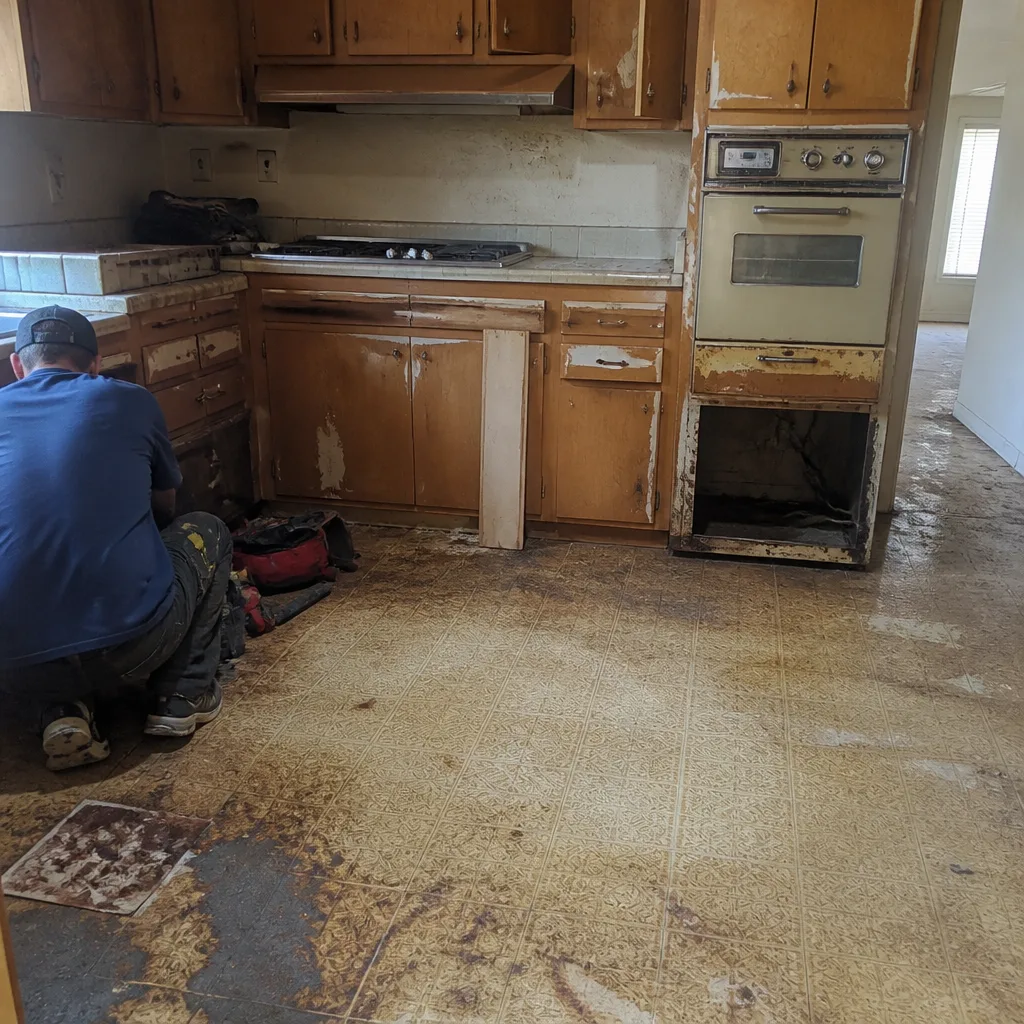 Before
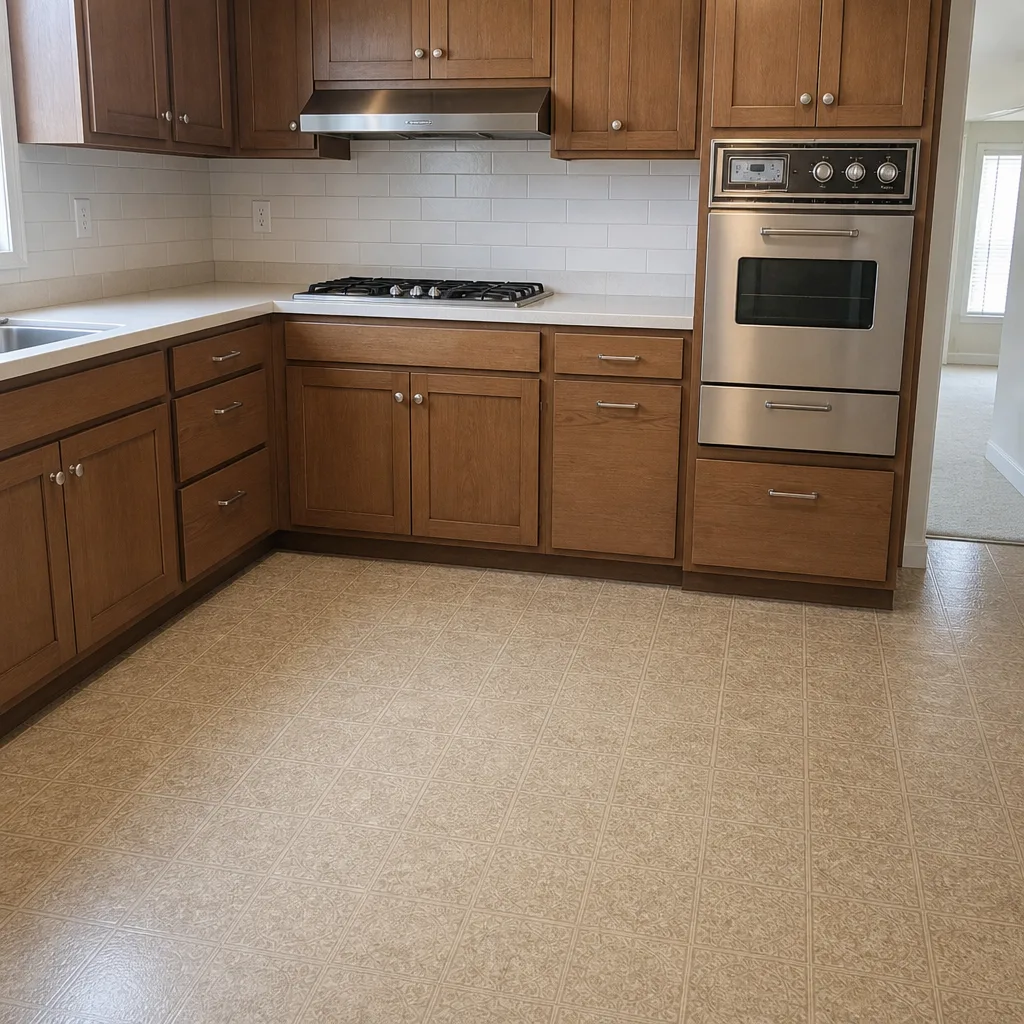 After
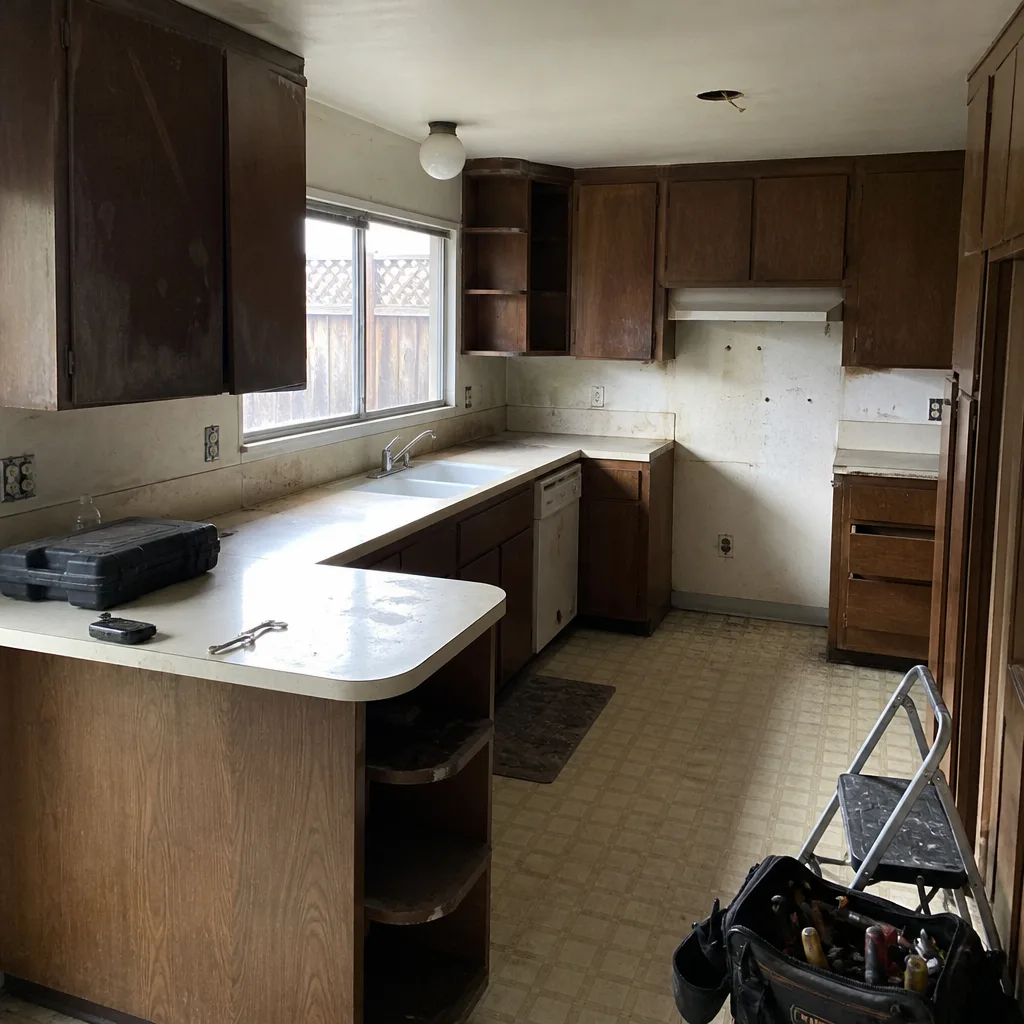 Before
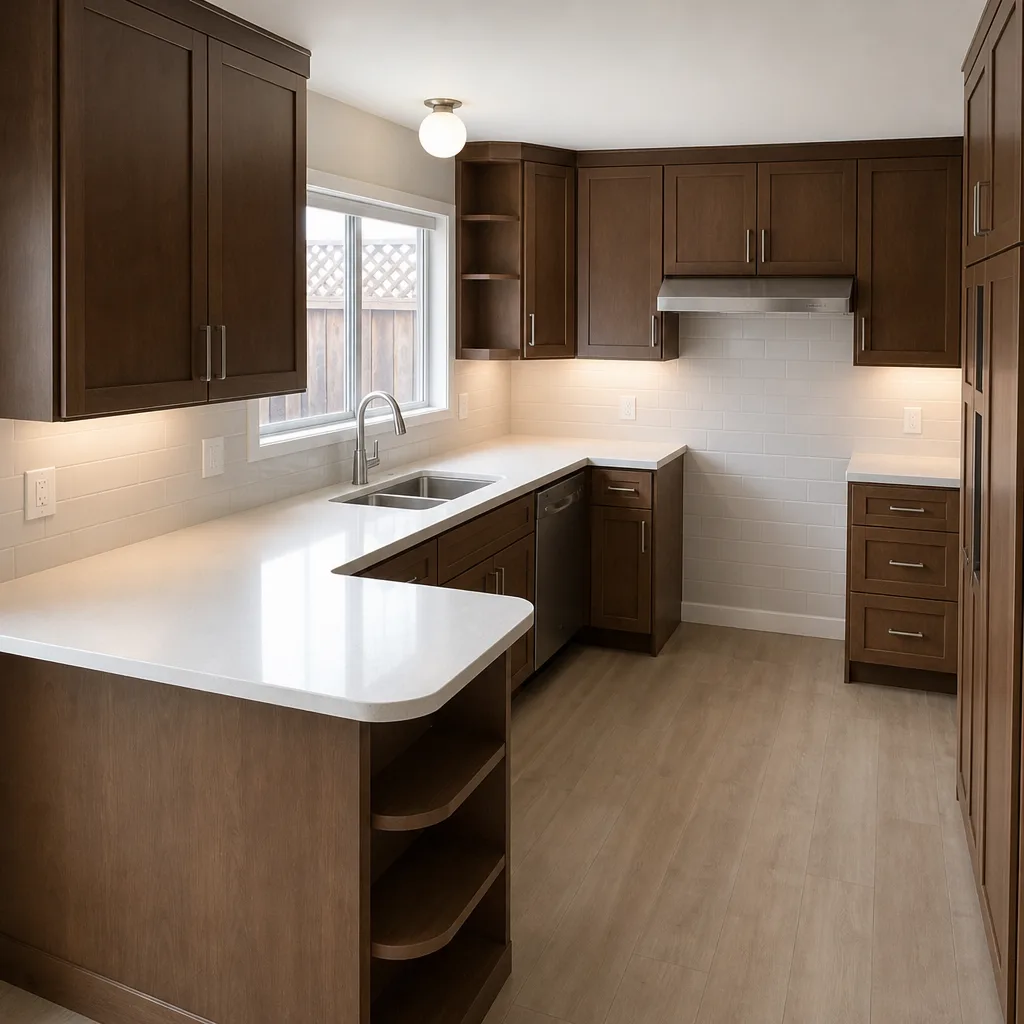 After
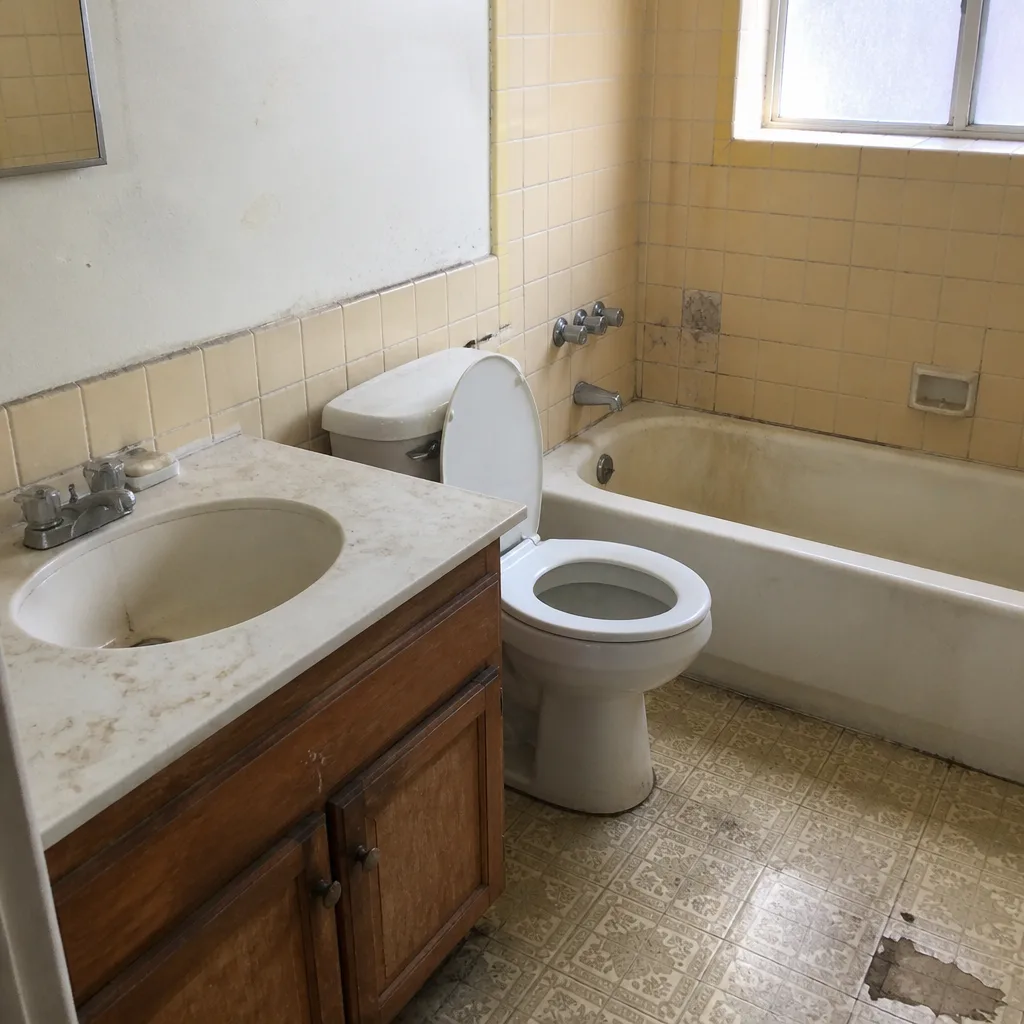 Before
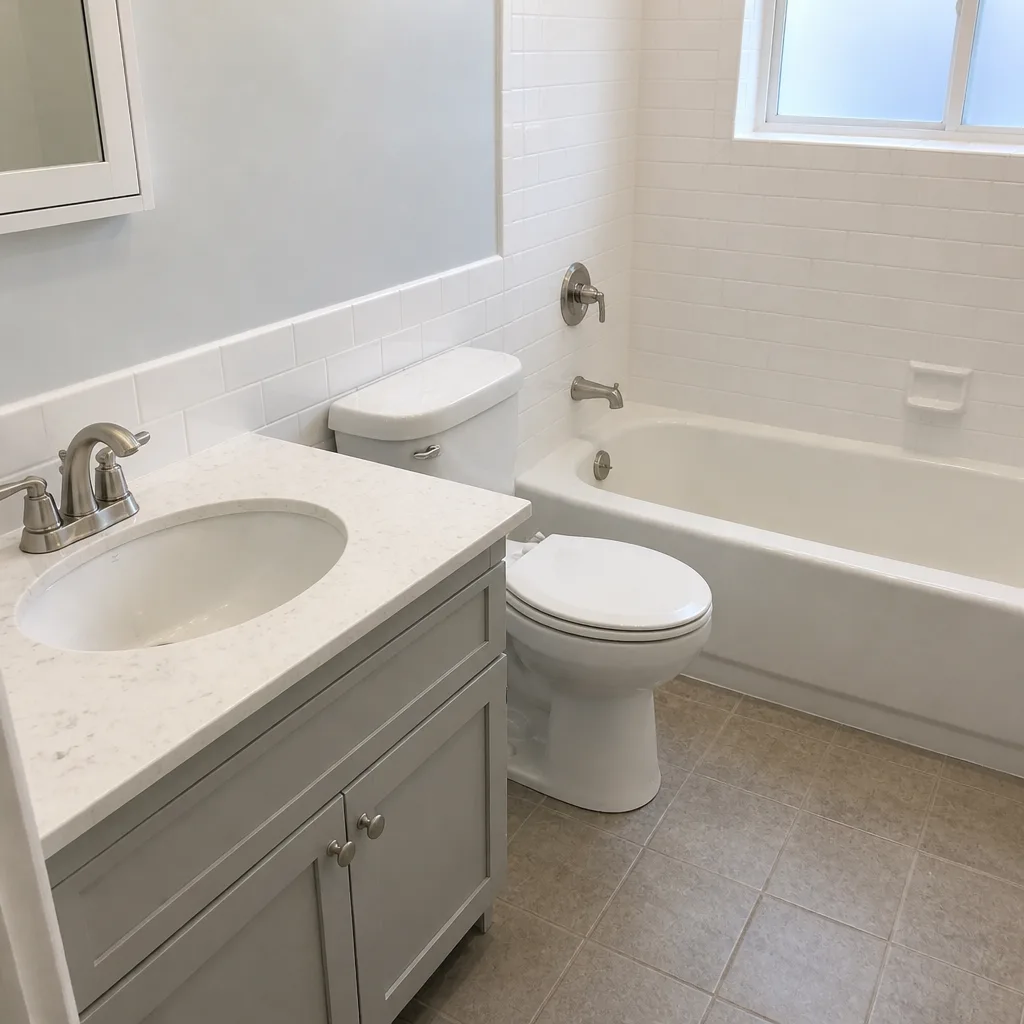 After