Free written scope consultation - allowances, timeline, and change-order rules on paper before a single trade is scheduled
Styles & brands we work with
- Kitchen remodeling
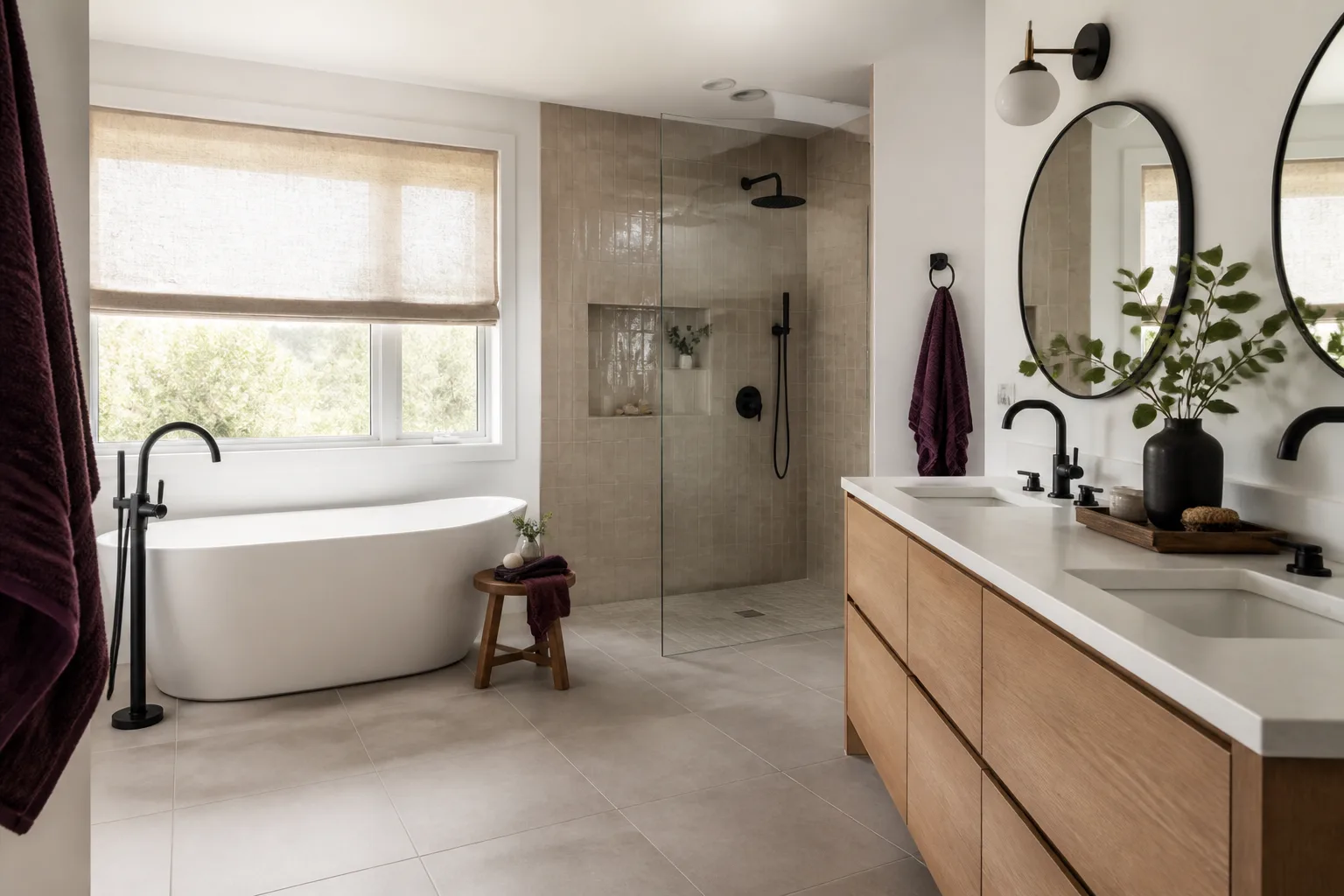
- Bathroom remodeling
- Home additions & ADU
- Roofing
- Windows & doors
- Driveway & pavers
- Fence
See the difference
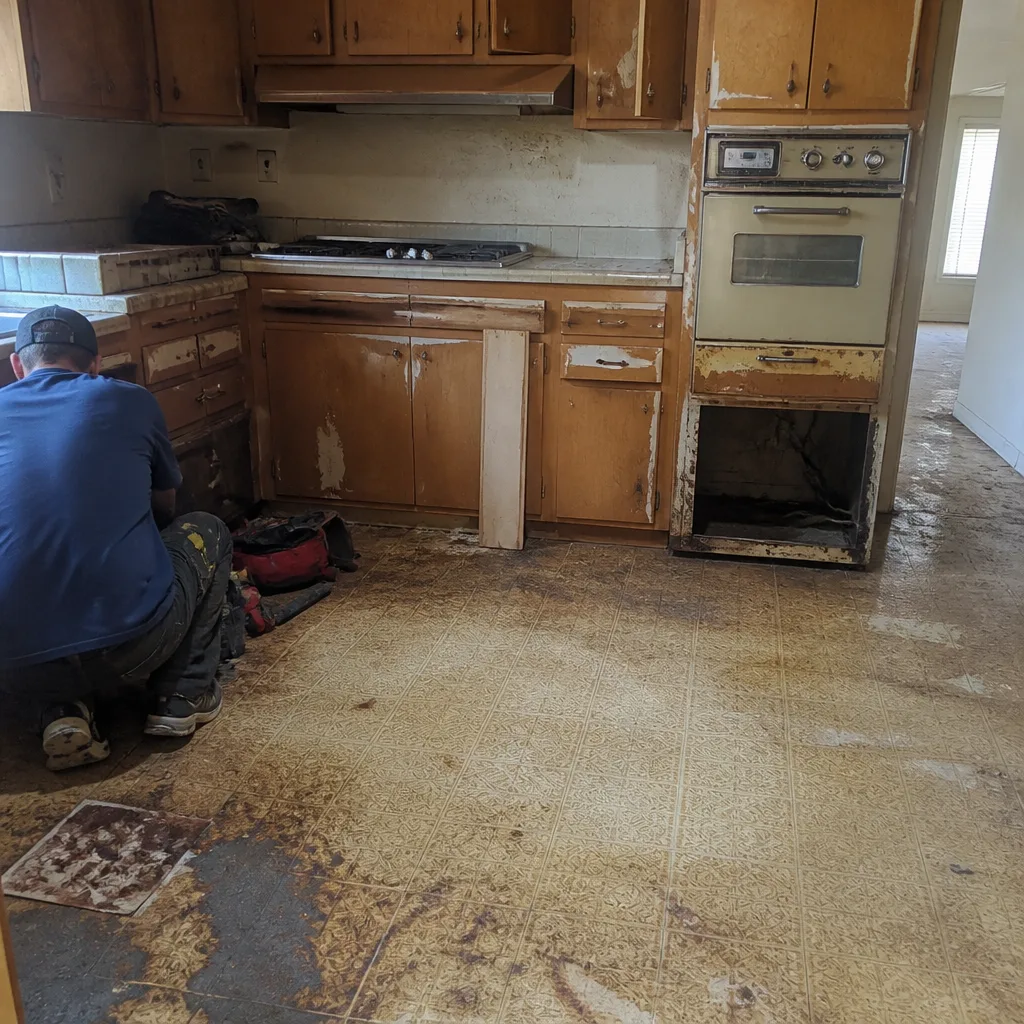 Before
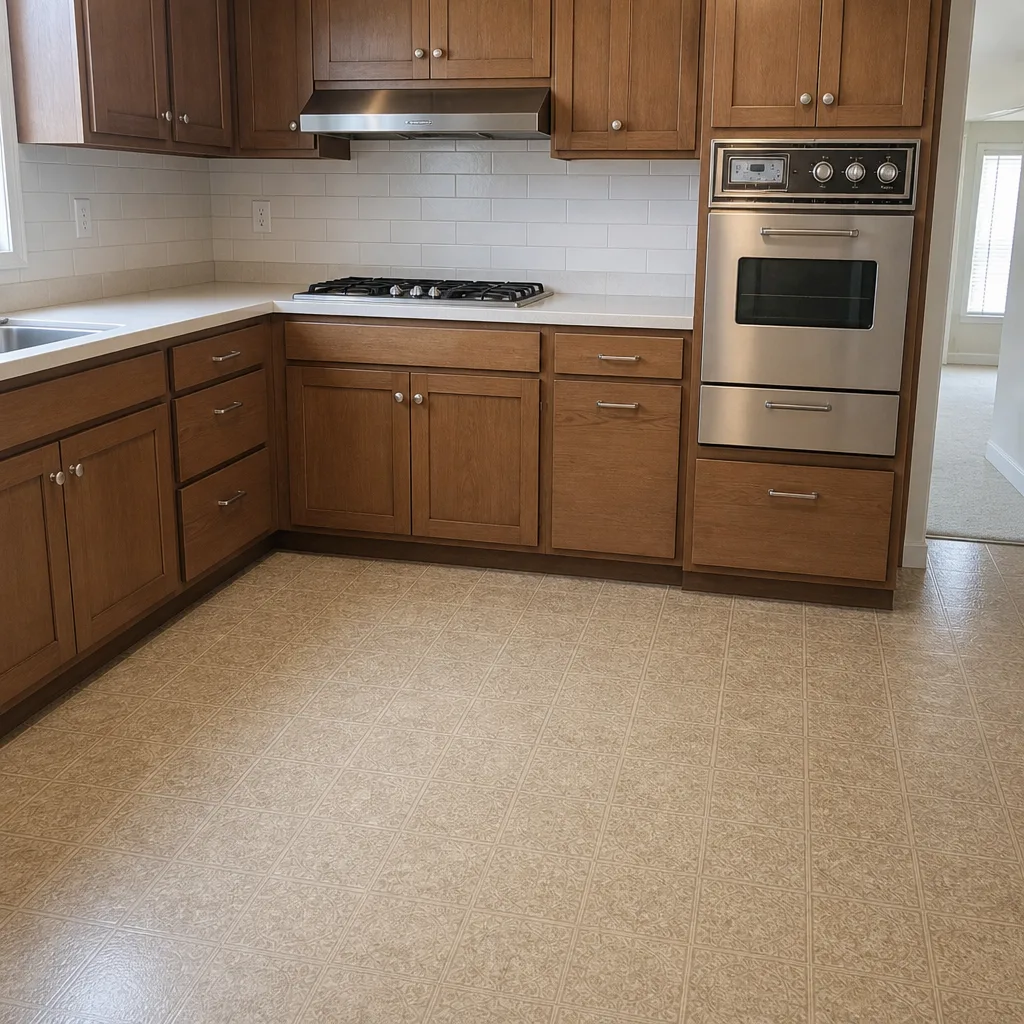 After
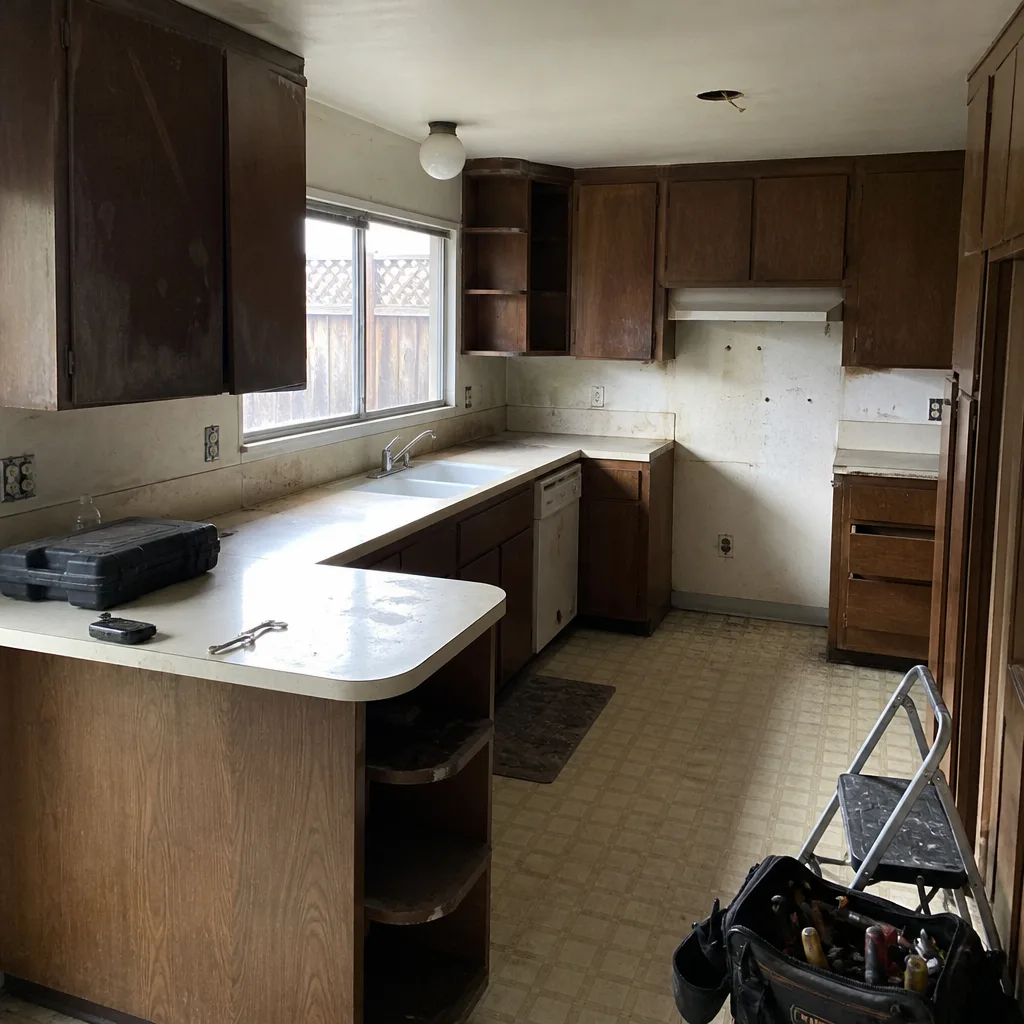 Before
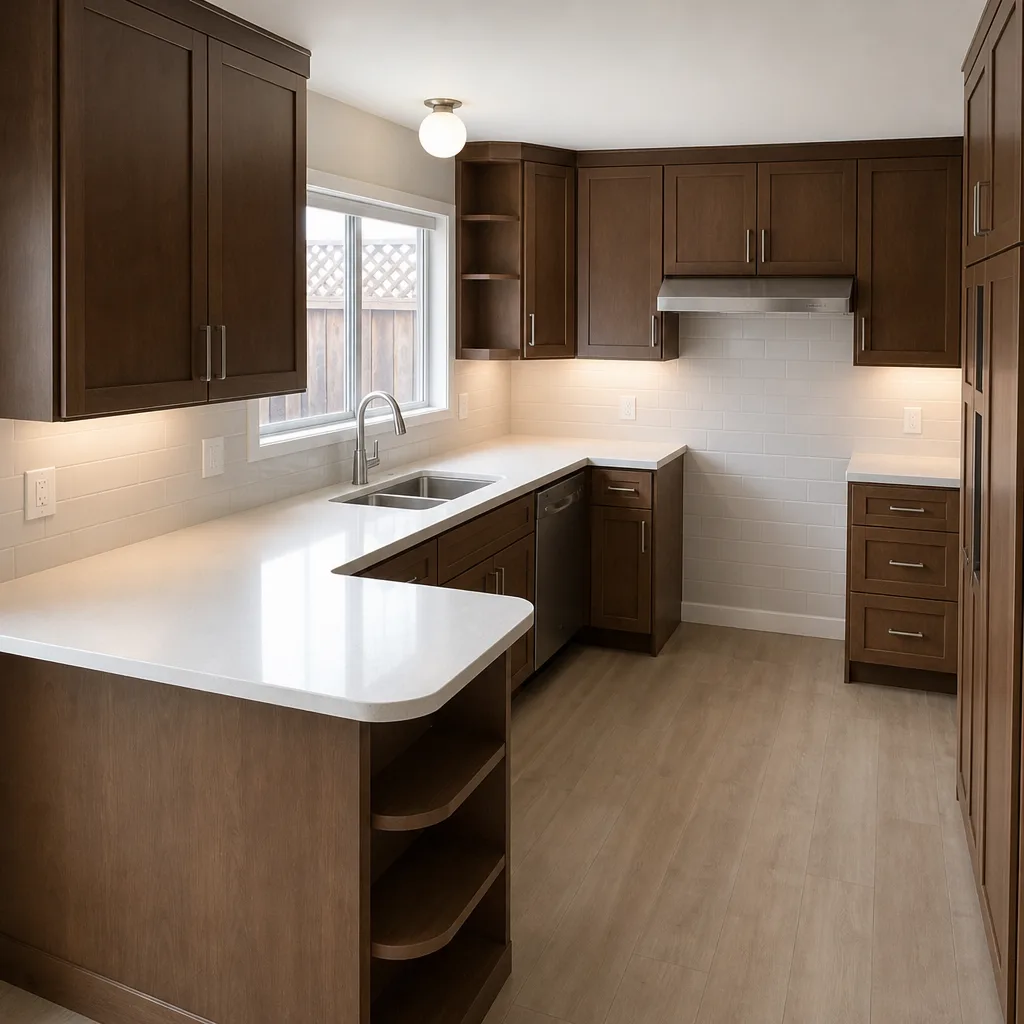 After
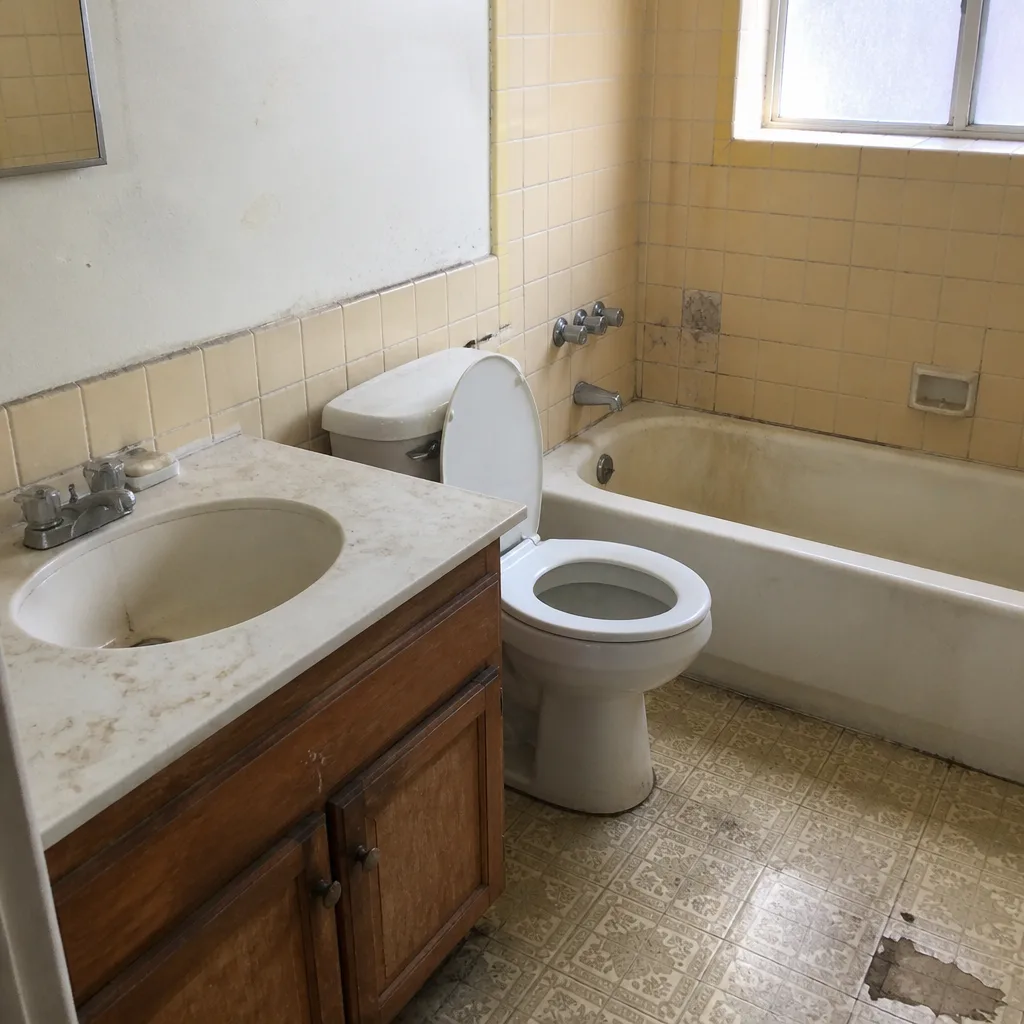 Before
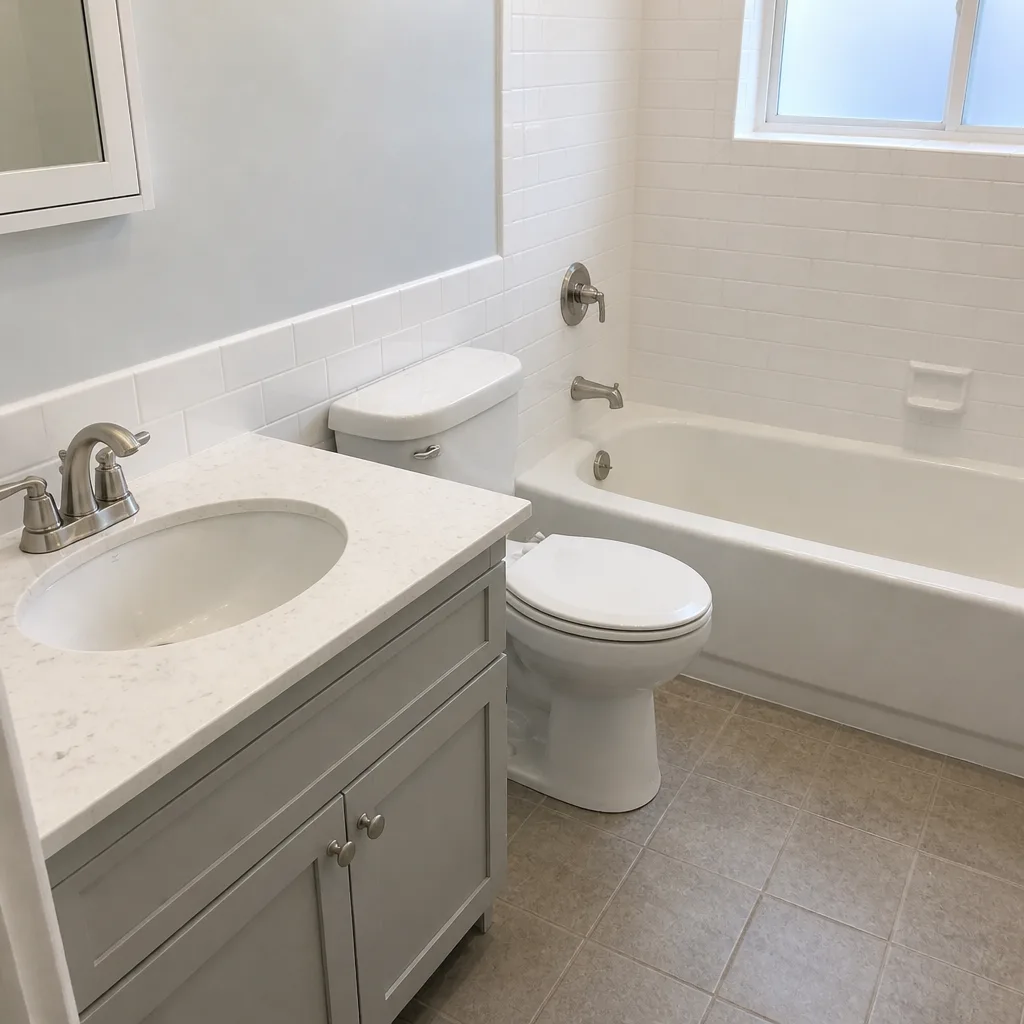 After
How to Choose a General Contractor in Fremont, CA: Check Permit History First
The fastest way to tell a general contractor apart in Fremont isn’t the insurance certificate – it’s whether they’ve actually pulled permits through Fremont Building and Safety and know the city’s seismic-upgrade trigger for slab-on-grade additions. Ask how many projects they’ve permitted here and whether they’ve ever hit the foundation-bolting requirement on a pre-1980 rancher. A contractor who has will price that line item up front. One who hasn’t will hand you a change order after demo, when you have no leverage left.
That single question sorts the field faster than any review you’ll read. If you want a second read on a contractor you’re already considering, Rowan Construction Group Fremont reviews any written estimate line by line at no charge – call (866) 797-6171 to set that up.

The Five Documents to Request Before You Sign Anything
Verbal assurances are worth nothing at contract time. Ask for paperwork you can open, verify, and keep.
- CSLB license printout pulled from board.ca.gov. Look it up yourself – don’t accept a screenshot or a number written on a business card. The printout shows the license status, classification, and any disciplinary actions on record. Verify the name on the license matches the entity you’re signing with.
- A certificate of insurance naming you, the homeowner, as additional insured. General liability alone doesn’t cover you. Ask for the certificate to list your property address and your name, and call the insurer’s number on the certificate to confirm it’s active – contractors can let policies lapse mid-project.
- Three Fremont-permitted project references with permit numbers. Ask for jobs completed in the last two years, with the city permit number for each. Then look them up. A reference you can’t verify on Fremont’s portal is a story, not evidence.
- A sample change-order form. Read it before you sign the main contract. The language you want: no work proceeds on a change until the change order is signed. If the form is a blank page the contractor fills out later, you’re looking at a cost-plus job in all but name.
- A sample final invoice from a recent project. Compare the final number to the original contract. A project that finished within a few percent of the agreed price tells you the change-order discipline is real. One that ran 30 percent over tells you how the next change order gets handled.
How to Check a Contractor’s Permit History in Fremont
Fremont’s building permit records are searchable by contractor license number. That means you can pull a specific GC’s permit history in the city and see how many permits they’ve pulled, which trade categories they cover, and whether any show open violations or failed final inspections. It’s a public record and it takes about ten minutes.
What you’re looking for isn’t raw volume – it’s the right kind. A contractor with a dozen kitchen and bath remodels but zero structural or addition permits has never walked a project through Framing and Foundation inspections on a Fremont lot. That matters here, because Fremont’s housing stock is almost entirely post-war ranch and Eichler-influenced homes in tracts like Sundale, Glenmoor, and Brookvale, built on slab-on-grade with shallow footings. Most construction in the city now is second-story additions, ADUs, and scrape-and-rebuilds on those same lots. The permit record tells you whether the contractor has done the work in this city or is learning the process on your dime.
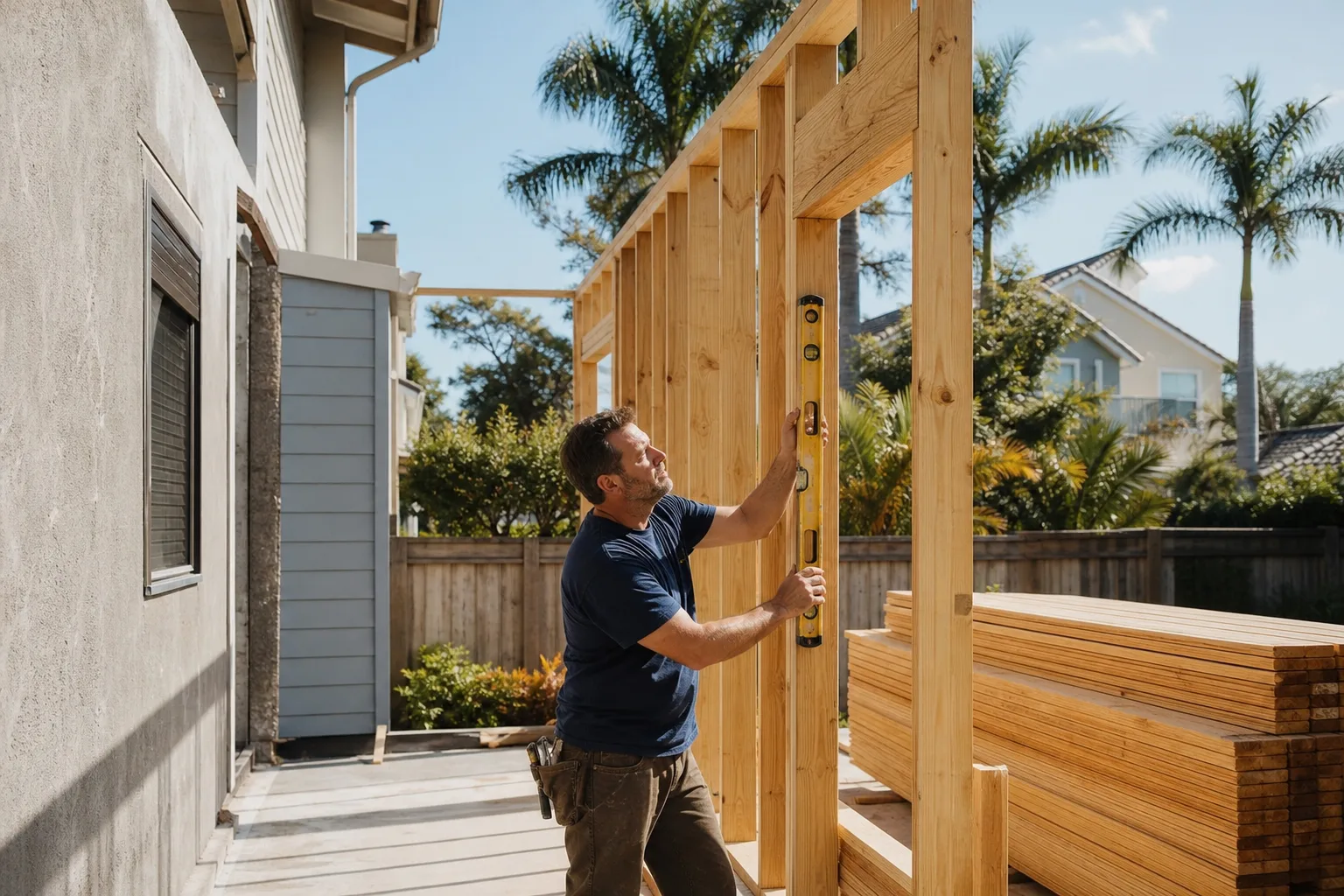
Why the Seismic-Upgrade Question Separates Contractors in Fremont
Here’s the concrete version: ask every contractor bidding a room addition, “Have you hit the foundation-bolting requirement on a pre-1980 slab-on-grade project here, and how did you price it?”
The answer is diagnostic. Fremont sits along the Hayward Fault zone, and when you add square footage to an older house, the city will often require a foundation and bolting upgrade on the existing structure before they’ll sign off on the new work. On a simple 400-square-foot addition, that can add a scope surprise that runs into five figures – and if the contractor didn’t price it, the surprise lands on you via change order after demolition, when you’re committed and the walls are open.
A contractor who has walked this before will show you the line item in the written quote. And that distinction connects to a bigger one: the difference between a written fixed-price contract with a signed-change-order clause and a cost-plus contract with a “not to exceed” cap. The “not to exceed” cap sounds safe, but it’s only as good as the change-order language behind it. Rowan’s Haven Standard, Clause 1, requires a flat written price and a written scope before work starts, and no change proceeds without a signed change order. That discipline is the administrative mechanism that keeps projects within a few percent of the number you agreed to – not an attitude.
Fremont’s soil makes this more complicated than the fault zone alone. The Mission Peak-to-Bay transition means expansive clay in the foothills gives way to bay mud and high groundwater near the shoreline. Foundation design and drainage have to be priced for the specific lot, not a generic spec.
What a Written Quote Should Actually Contain in Fremont
You want a number you can screenshot and compare. Here’s roughly what Fremont projects run, so you can spot a quote that’s low enough to be a warning:
| Project type | Typical Fremont range |
|---|---|
| Home addition | $45,000-$130,000 |
| ADU construction | $90,000-$220,000 |
| Garage conversion | $30,000-$80,000 |
| Kitchen remodel (full) | $14,000-$45,000 |
| Bathroom remodel | $9,000-$28,000 |
| Roof replacement | $8,000-$20,000 |
A quote that comes in dramatically under these should trigger the seismic-upgrade question and the permit-history check. A written quote should name the materials it prices – GAF or Owens Corning roofing, KraftMaid or Wellborn cabinets, Therma-Tru or Mr-Glass windows and doors – and it should include the photo record the crew delivers after each visit, not as an add-on.
Three operational facts are worth asking about too, because they’re verifiable rather than marketing copy: are technicians background-checked, does a live person answer the phone outside business hours, and are site visits photo-documented? Rowan includes all three as standard, and the documentation matters most when something goes wrong three months in.
Frequently Asked Questions About Choosing a General Contractor
Look up the license number yourself at board.ca.gov – don’t accept the number the contractor gives you on faith. Pull the printout and confirm the license status is active, the classification matches residential construction, and the business name matches the entity you’re signing with. Anything you can’t verify in the CSLB printout isn’t verified.
Fremont’s building permit records are searchable by contractor license number, so you can see exactly how many permits they’ve pulled in the city and whether any have open violations. It matters because the projects that go sideways here – additions on slab-on-grade ranchers – are won or lost on whether the contractor has handled Fremont’s seismic-upgrade trigger before. Call (866) 797-6171 to ask Rowan Construction Group Fremont for a second opinion on any quote.
A fixed-price contract commits to a flat number with a written scope, and any change requires a signed change order before work proceeds. A cost-plus contract with a not-to-exceed cap lets the contractor bill actual costs up to a ceiling, so the cap protects the ceiling but not the number you actually pay. Ask for a sample change-order form; the language in it tells you which you’re getting.
Yes, and it’s free. Bring a competitor’s written estimate and Rowan reviews it line by line, checking the scope for seismic-upgrade line items, the material brands specified, and the change-order language. Call (866) 797-6171 to schedule it before you sign anything.
A Fremont Addition Ran 40 Percent Over – Here’s What the Changed Quote Would Have Shown
The pattern is familiar: a 1950s Glenmoor rancher, a 450-square-foot family room addition, a quote that looked reasonable until the crew opened the slab and found the foundation didn’t meet the city’s bolting requirement for new square footage. The original contract had no line for it. The change order arrived at week four, with the walls stripped and the dumpster already on site. The homeowner had no leverage and signed.
A written scope that priced the seismic-upgrade contingency up front – even as a stated allowance – would have made the overrun a conversation instead of a fait accompli. That’s the whole argument for the signed-change-order discipline, and it’s why the vetting above is worth the twenty minutes it takes. Our technicians have up to 19 years of experience walking Fremont projects through the building department, and the review starts with the documents, not the sales pitch.
If you’d rather have a second set of eyes on a contractor you’re already considering, Rowan Construction Group Fremont offers a no-pressure assessment in Fremont – call (866) 797-6171 for a free estimate, and bring the quote you already have.
Written by the team at Rowan Construction Group Fremont, serving Fremont, CA.