


Top Signs You Need Construction Service – Don’t Ignore These
A hairline crack running diagonally from a window corner at 45 degrees isn’t settling – it’s a shear crack pattern that structural engineers treat as a foundation movement indicator. Most homeowners caulk over it and move on. That’s the mistake this guide exists to prevent.
Most construction problems give visible warnings weeks or months before they demand emergency intervention. The trick is telling cosmetic from structural. Below is a trade-by-trade list of the specific, observable symptoms that mean a job has crossed from maintenance into licensed contractor territory – and if you’d rather have a trained eye look at it than climb a ladder yourself, call (866) 797-6171.
Key Takeaways
- Diagonal cracks at 45 degrees signal foundation movement; vertical cracks in mortar joints often don’t.
- A $10 spirit level and a tape measure catch most of the critical indicators before they become expensive.
- In Fremont, expansive clay soil in the wet season, UV on south-facing flatwork, and Bay salt air on fasteners accelerate every timeline.
- California’s handyman exemption tops out at $500 total job cost – past that, you need a licensed contractor, and your insurer cares about the distinction.
How do you tell a structural crack from a cosmetic one?
Measure it, photograph it, and watch it for 30 days. A cosmetic hairline under 1/16 inch that stays the same width through a wet season is usually shrinkage or paint failure. A crack that widens, lengthens, or shifts more than 1/8 inch over a month is moving, and movement is the word that matters.
Pattern tells you more than size. Here’s what we look for:
- Diagonal cracks at roughly 45 degrees from a window or door corner. Shear pattern. Treat as a foundation movement indicator until a structural engineer says otherwise.
- Stair-step cracks in brick or block mortar joints. The wall is following a settlement pattern along its foundation. Fremont’s older masonry stock is prone to this in the wet season as the expansive clay beneath swells and shrinks.
- Vertical cracks through the middle of a mortar joint. Often normal curing or thermal movement, especially on long walls. Less alarming than stair-step.
- White, chalky staining on masonry (efflorescence). Water is passing through the wall and depositing mineral salts on the surface. Efflorescence means moisture is finding a path, and moisture plus freeze-thaw cycles in the Fremont hills shortens the life of everything it touches.
- Cracks that reappear within months of being patched. The repair didn’t address the cause. Something is still moving.
The measurement matters more than the photograph because it removes the guesswork. Set a pencil mark at each end of the crack, date it, and re-measure. Thirty days of data beats thirty opinions on a forum.
Concrete flatwork: D-cracking vs. scaling vs. subsidence
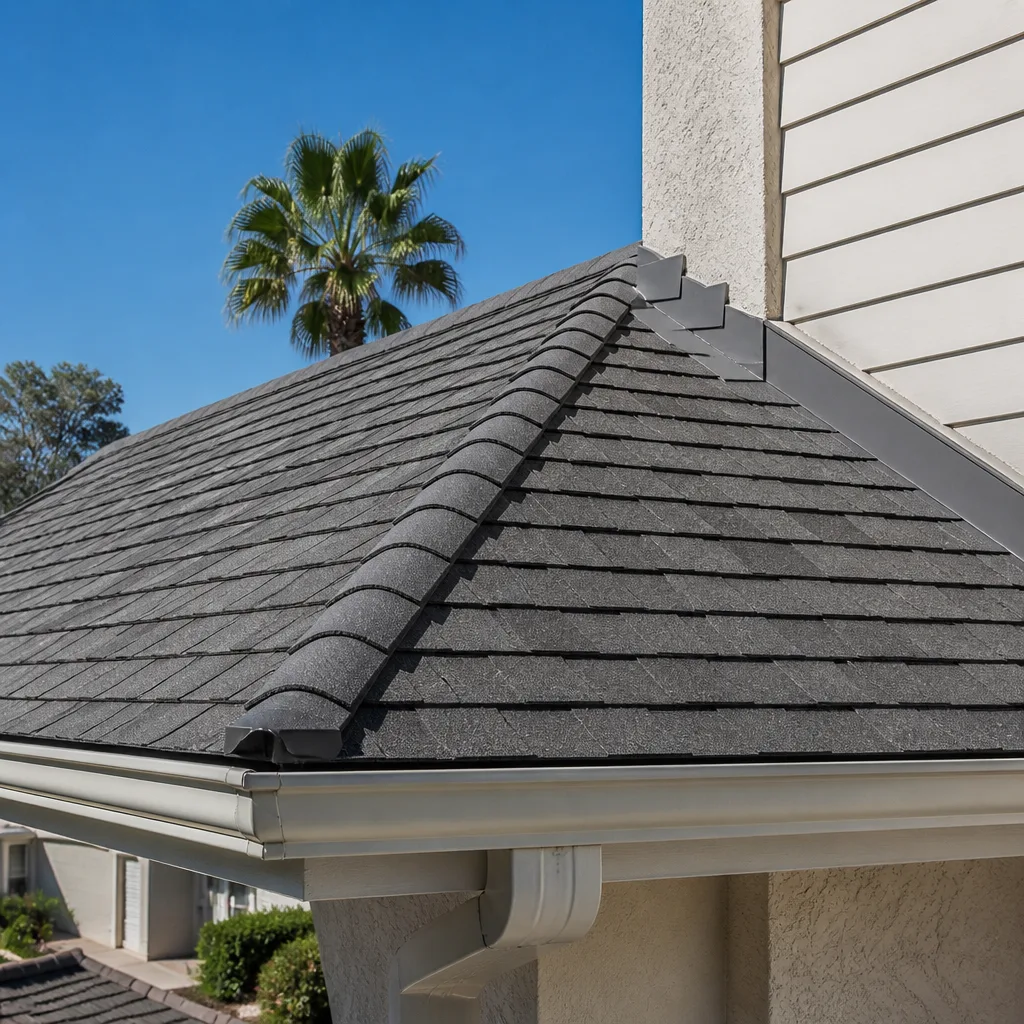
Three very different problems look similar from standing height, and they have three very different price tags. Getting the diagnosis right is what keeps a $400 repair from becoming a $9,000 replacement.
D-cracking shows up as a pattern of fine parallel cracks near joints and edges – the aggregate inside the slab is failing under cycles of freeze and thaw. It’s a material problem, and it’s not repairable. Once D-cracking starts, the slab is on a slow clock.
Surface scaling is flaking, peeling, or dusting at the top layer. Often it’s a finishing or curing problem – too much water in the mix, or an overworked surface. Cosmetic in the short run, but it exposes the aggregate to Bay moisture and UV, which accelerates wear on Fremont’s south-facing driveways.
Structural subsidence is the one to worry about. Slabs that have dropped at a corner, pond water, or have visible gaps under a control joint are telling you the base beneath them has failed. In Fremont, this is common where the original pour sat on non-compacted fill or where expansive soil has moved under winter rain.
Try this: lay a straight 8-foot level across the surface in three directions. More than 1/4 inch of gap under the level over 8 feet, or ponding deeper than 1/2 inch, is a call-a-contractor signal. If you’re weighing repair against replacement, our Driveway & Pavers in Fremont page covers both paths with real number ranges.
Doors and windows that stick: seasonal or permanent?
The best test for this costs nothing and takes one month. If a door binds in February and swings free in August, you have seasonal moisture movement in the framing. If it binds every day of the year, you have racking – the frame is out of square, and the cause is usually structural.
Racking shows up in a specific package of symptoms:
- Doors that rub at the top corner rather than the latch side.
- Windows that close but don’t latch, or that need to be slammed in one specific way.
- Drywall cracks radiating from door and window corners, especially diagonal.
- Floors that squeak along a single straight line – a joist or beam has moved.
We pulled a sidelight frame out of a home in Centerville last spring where the owner had been swapping door strike plates for three years. Every “fix” worked for a season. The real issue was 3/4 inch of out-of-square in the frame – a two-hour measurement job with a tape and a framing square, and a documented finding in writing before anyone picked up a tool. That’s the whole point of measurement over instinct.
Gapping also deserves a mention. A 1/8 inch gap forming where interior trim meets the ceiling is cosmetic. A 3/8 inch gap in the same joint is the ceiling pulling away from the wall, and that’s structural. Measure it. Photograph it with a tape in frame.
Fremont-specific triggers that speed up decay
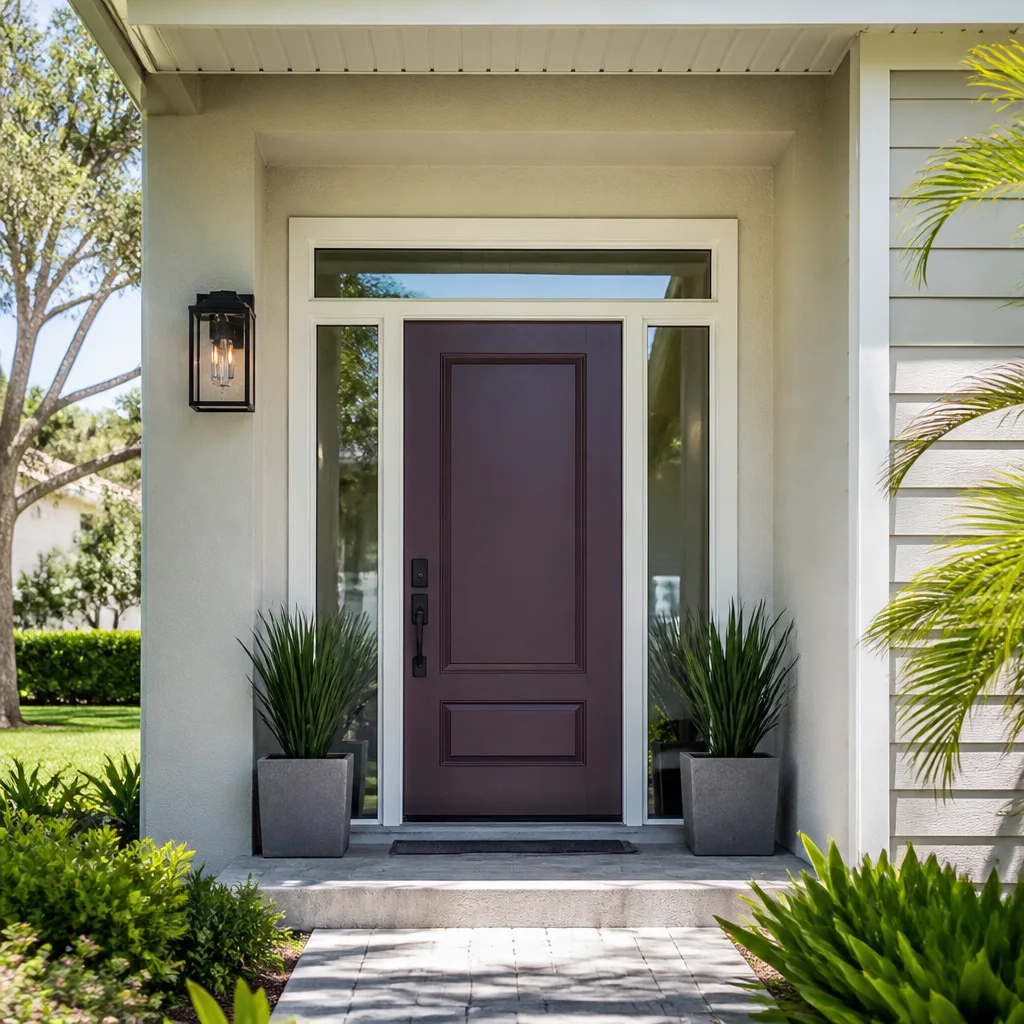
Every region has its own wear pattern. Three things run hard on Fremont homes:
Expansive soil. The clay layers under much of the East Bay swell with winter rain and shrink through the dry months. Foundations that were stable in a dry decade move in a wet one. If your cracks appeared after a wet winter, that’s not a coincidence.
UV on south-facing flatwork and roofing. A Fremont driveway or roof that faces south takes roughly double the sun exposure of its north-facing counterpart. Asphalt shingles on those surfaces hit end-of-life years before neighbors on the shaded side – which is why we source GAF and Owens Corning products whose spec sheets account for the exposure, and why we tell customers which slope is the one to watch.
Salt air on exposed fasteners. The Bay is close enough that galvanized vs. plain-steel hardware makes a visible difference within a decade. Rust bleeding down a fence post or a railing anchor means the fastener is compromised, not just stained. If your perimeter fencing is showing this, our Fence Installation in Fremont page walks through the hardware spec we’d look at before replacing anything.
If you also see sagging rooflines or stained ceilings alongside any of the above, the sequencing matters – roofing first, everything else after. More on the structural side lives on our Home Additions & ADU in Fremont page, because the same load-path questions come up whether you’re adding square footage or diagnosing a settling one.
What documentation to gather before you call
This is the single biggest cost lever we’ve seen. A homeowner who arrives with a good record gets a faster, more accurate estimate than one who arrives with a memory.
Bring four things:
- Timestamped photos. Phone photos include time and location in the metadata. Take them at the same angle each week.
- A written symptom log. One line per observation, with a date. “Aug 4 – crack in north wall widened from pencil mark.” That log is worth more than any verbal description.
- Prior repair invoices. Who did what, when, and for how much. If a previous contractor patched a crack without addressing the cause, the record tells us to look harder at the foundation.
- Any measurements you took. Crack width, level gaps, distance between a door corner and its strike plate. Numbers get a better response than adjectives – and they reduce the time we spend on discovery, which reduces the labor baked into the estimate.
Under the Haven Standard, every visit includes a documented photo record as a standard deliverable – not an upgrade. Our crews are background-checked and uniformed, and the record you receive is written evidence of what we found and what we did, the same way your pre-call documentation tells us where to start. Whichever direction the record points, the written price arrives before anyone starts.
The California handyman vs. licensed contractor line
California caps the handyman exemption at $500 for the entire job, including labor and materials. Past that number, the work legally requires a licensed contractor. This threshold is not a formality – it’s a coverage question.
If unlicensed work causes a problem and the total job cost was above that line, your homeowner’s insurance can decline the claim. Homeowners in Fremont have found this out the expensive way after a handyman “just fixed” a foundation-adjacent issue. The premium you saved on the labor rate can vanish in a single denied claim.
The line matters most for structural work, roofing, electrical, and anything involving the building envelope. A handyman swapping a light fixture or replacing a screen door is a legitimate use of that exemption. A handyman patching a stair-step crack in your masonry is a different conversation.
If you’re not sure which side of the line your job falls on, our Rowan Construction Group Fremont home page lays out the seven trades we work in and the documentation each carries. And if you’re bringing a competitor’s quote, our Free Second Opinion reviews it line by line at no charge – that’s how serious we are about the written price.
When to call a pro
Call today if any of these is true: a diagonal crack has widened in the last month, a door binds year-round, flatwork is ponding or has dropped a corner, efflorescence is spreading, or any fastener in your fence or railing is bleeding rust. None of these are emergencies that demand a middle-of-the-night call – schedule the assessment, gather your documents, and stay off any roof while you’re at it. Measured, unhurried, documented.
Related services in Fremont
If your symptoms point to a specific trade, the service pages have the line-item price ranges, the material brands we specify, and the scope of the written quote before you call.
What happens when you call
- 1
A real person answersNo phone trees – you reach a local pro.
- 2
You get an upfront price rangeHonest numbers before anyone is dispatched.
- 3
A background-checked tech heads outLicensed & insured, dispatched right away.
- 4
You approve before work beginsNothing starts until you say go.
The Bottom Line
Read the warning signs early, measure them properly, and document what you found. Diagonal cracks, D-cracking, year-round door binding, and rust bleeding on fasteners are the four-symptom short list – each is observable with a level, a tape measure, and a phone. Bring that record in and you’ll get a sharper, more honest estimate every time. If you’re in Fremont and need help, Rowan Construction Group Fremont offers free estimates – call (866) 797-6171.
Frequently Asked Questions
Measure the width, mark it with a pencil at both ends, date the marks, and re-measure 30 days later. A crack widening more than 1/8 inch in a month, running diagonally at 45 degrees from an opening, or stair-stepping through masonry joints is structural until proven otherwise. A $10 level and a tape measure will catch most of these. For an exact quote on the repair, call (866) 797-6171 – estimates are free.
D-cracking is a pattern of fine parallel cracks near joints and edges caused by failing aggregate inside the slab – not repairable, and the slab is on a slow clock. Surface scaling is flaking or dusting at the top layer, usually tied to mix and finishing, and it’s typically cosmetic in the short run. A contractor’s inspection with a level and a hand-drawn map of the crack pattern settles the diagnosis. Call (866) 797-6171 if you’re not sure which you’re looking at.
It depends on the job cost. California’s handyman exemption covers jobs with a total cost under $500, including labor and materials. Above that, the work legally requires a licensed contractor, and unlicensed work at that scale can be excluded from homeowner’s insurance coverage. Structural repairs, roofing, electrical, and envelope work should always go to a licensed contractor regardless of cost. Call (866) 797-6171 to confirm which side your job falls on.
Timestamped photos, a dated written symptom log, any prior repair invoices, and any measurements you took – crack width, level gap, distance between a door corner and its strike plate. This shortens discovery time, which reduces the labor built into the estimate. The written price arrives before work starts, always. Call (866) 797-6171 to schedule your free estimate.
Written by the team at Rowan Construction Group Fremont.
Need Construction Help?
Call Rowan Construction Group Fremont - licensed & insured, here with fast after-hours help in Fremont.
(866) 797-6171