
Last updated November 17, 2026




Free written scope consultation - allowances, timeline, and change-order rules on paper before a single trade is scheduled
Fence Installation Warning Signs Every Homeowner Should Know
If a fence contractor’s written quote lists materials as “posts, rails, and panels” without naming species, grade, or gauge, you don’t have a price – you have a placeholder that can be filled with the cheapest available material after you sign. That single omission tells you more about how the job will go than any handshake or reference call. Most fence installation failures we’ve seen, from sagging redwood to gate hinges pulling out of green lumber, were visible in the paperwork long before the first post went in the ground. This guide covers the specific items to check in any bid, the payment schedule that signals trouble, what a properly dug post hole looks like before concrete is poured, and the documentation that should exist before a crew leaves your Fremont property.
Quick Answer
The biggest warning signs of a bad fence installation are vague bids that skip species, gauge, and fastener type; payment schedules demanding more than 30-40% before materials arrive on site; skipped permits; and post holes dug shallower than one-third of the post length. Homeowners who check these four items before signing avoid most of the expensive problems that follow.
Styles & brands we work with
- Kitchen remodeling
- Bathroom remodeling
- Home additions & ADU
- Roofing
- Windows & doors
- Driveway & pavers
- Fence
Table of Contents
- The exact line items a legitimate fence bid should include
- The payment schedule red flag that signals trouble
- What a properly dug post hole looks like by fence type
- Permit-skipping: what it costs you before and after the sale
- Day-one crew behavior that predicts the whole job
- The three documents that should exist before a crew leaves
- How to spot material downgrades before they’re installed
Which line items belong in any legitimate fence bid?
A real fence bid is a specification, not a summary. Before we put a price in writing, we list every material and quantity so a homeowner can compare quotes across contractors line by line rather than squinting at two lump sums. If your bid reads like a fortune cookie, ask for a rewrite. These are the seven items that should appear, itemized with numbers, in every fence quote you receive in Fremont:
- Linear footage by fence run. Not total property perimeter – each run measured separately, with start and end points identified.
- Post diameter, species, and grade. For wood, that means “4×4, Western red cedar, #2 or better” – not “pressure-treated wood.” For metal, “2-3/8 inch galvanized steel, 16-gauge” – not “steel posts.”
- Rail count per span. Two rails or three? Specify. Three rails cost more and hold boards straighter.
- Fastener type. Galvanized or stainless, with a size. Standard drywall screws in a fence will rust through in two seasons.
- Board thickness and grade. A 5/8-inch dog-eared cedar board is not the same as a 3/4-inch clear-grade board, and the price reflects it.
- Concrete specification – sack mix and quantity per post. “Concrete per post” without a number leaves the door open to a half-bag pour.
- Disposal method for the old fence. Haul-away, dumpster on site, or left in your yard for you to handle. Name the method and the cost.
When a bid leaves out species, grade, and fastener type, the contractor has retained the right to substitute any material of “equal quality” – and the equal-quality clause in a handshake contract only favors one party. For a fuller look at what a written scope should contain across all seven of our trades, see our Rowan Construction Group Fremont home page.
Why does a big upfront payment demand signal a problem?
Any fence contractor requiring more than 30-40% upfront before material delivery has arrived on site is outside industry norms. The standard schedule most reputable fence builders use looks like this: a 10-30% deposit at signing to hold the schedule and order materials, a second payment when materials land on the property, and the balance on completion after a walk-through. Larger jobs sometimes break this into four draws.
A contractor asking for 50% or more before materials show up is borrowing your money to fund their last job – or this one, if cash flow is tight. We’ve watched homeowners in Fremont’s Centerville district pay a 60% deposit, then wait eleven weeks for lumber that never arrived. Two more patterns are worth flagging:
- Cash-only requests. No checks, no card. Legitimate contractors take a check because there’s a paper trail and a bank that verifies them. Cash-only contractors do not want either.
- The “final payment before final inspection” push. If the crew asks for the last check before the gate is hung, the trim is nailed, and cleanup is done, the schedule is reversed. Final payment clears final walk-through, every time.
Under the Haven Standard we work to, the price is written before materials are ordered and no work proceeds on a change until the change order is signed. That discipline is exactly why a payment schedule and a written scope belong in the same document.
What does a properly dug post hole look like?
Depth equals one-third of the post length above grade – a 6-foot fence post set 2 feet in the ground is the minimum, and a 6-foot post buried 18 inches is a warning sign. California’s frost line is shallow compared to most of the country, so many contractors in the Bay Area argue depth isn’t critical. They’re wrong. In Fremont, wind load and soil movement from our clay-heavy adobe are the real drivers. A post set too shallow will lean within five to eight years, and no amount of re-plumbing fixes it.
Here’s what a homeowner can verify with a tape measure before concrete goes in:
- Measure the hole, not the post. Ask the crew to hold the tape from the bottom of the hole to grade. Depth for a 6-foot fence should read 24 inches or more.
- Check the hole diameter. Roughly three times the post width – 10 to 12 inches for a 4×4 post.
- Look at the gravel base. Two to three inches of compacted gravel under the post keeps water off the wood end-grain, which is where rot starts.
- Watch the pour. Concrete should crown slightly above grade so water runs off the post instead of pooling against it.
- Confirm post alignment. A string line stretched between the first and last post reveals any wander before concrete sets. Once it sets, correcting alignment means new holes.
Steel posts behave differently – they need a wider concrete collar (12 inches minimum) for lateral stability and a layer of gravel below to drain. Aluminum posts in coastal Fremont neighborhoods need the same drainage treatment because salt air accelerates galvanic corrosion if water sits at the base.
Is a Fremont fence permit really required?
Yes – Fremont residential fence permits typically cost between about $50 and $150 for a standard installation, and skipping one can cost you far more at resale. That small fee is why permit-skipping is one of the most common shortcuts we see. The cost isn’t the money; it’s the paperwork. Contractors skip permits because it means one more trip to the city, one more inspection, and one more reason the job might not get done on Friday.
Here’s what a homeowner absorbs when the permit was skipped:
- Code violations surfaced at inspection or sale. Height limits, setback from property lines, and sight-line triangles at driveways are all covered by Fremont code and differ block to block.
- Demolition and rebuild at your cost. If the fence violates a setback or height limit, the city can require it removed. That’s a second fence installation, paid by you, with no permit protection for the first.
- A title-report surprise at closing. Unpermitted improvements show up in disclosures and can stall a sale or force a price concession.
- Insurance gaps. If the fence damages a neighbor’s property and it was never permitted, the liability question gets complicated fast.
Ask your contractor for the permit application number before work begins. A contractor who pulls permits, follows the inspection schedule, and hands you the signed-off permit card is operating the way a professional should. When we quote fence work through Fence Installation in Fremont, the permit line is itemized on the bid because it belongs there.
What day-one crew behavior tells you about the whole job?
Days one and two reveal the job. What happens after the first 48 hours is typically a slow negotiation with what was set up early. Five things to watch for on day one in Fremont:
- No site walk before unloading. A crew that starts unloading lumber without walking the property line with you is guessing at post locations. Post locations matter more than the material.
- No marking of the property line. Ask them to point out where the fence will sit relative to your lot line and your neighbor’s. If they wave vaguely, they haven’t checked the survey or the plat map.
- Materials delivered that don’t match the bid. Pull a board off the stack and check the grade stamp. Lumber species and grade should match what you agreed to in writing.
- Unmarked utility lines. Before digging, the crew should have called 811 (the underground utility locating service). Skipping that step risks natural gas, water, and low-voltage lines – and safety.
- No photo documentation of the process. Under our standard every visit ships with a documented photo record, and that includes post-hole depth before backfill. If nobody on site is taking photos, ask why.
None of these are vibes. Each one is checkable in the first hour. A contractor who passes all five is likely to pass the final walk-through, too.
What three documents should exist before the crew leaves?
A fence job isn’t complete when the last board is nailed. It’s complete when the paperwork closes. Before the crew drives off, these three documents should be in your hand:
- A marked-up site plan with every post location. Shows the fence line, gate locations, post spacing, and setbacks from the property line. This is your ground truth if a neighbor disputes the location five years from now.
- A signed change-order log – even if no changes occurred. “No changes” logged and initialed is a record. Without it, any later dispute turns into a memory contest.
- Photo documentation of post depth before backfill and of the finished installation. These are the photos that settle insurance claims, warranty questions, and resale disclosures. Our crews deliver this as standard, not as an add-on.
Add a written warranty from the contractor and any manufacturer paperwork for steel or composite materials, and you have a file that will hold up years from now. A contractor who can’t produce these three items at closeout is telling you something important about how they’ll respond when a gate starts dragging in year two.
How can you spot a material downgrade before it’s installed?
Materials run the gamut from soft, cheap spruce sold to a novice to a Western red cedar or a Boral composite panel that lasts decades. The downgrade usually happens on the truck, between the bid and the delivery, when the contractor trades a grade 2 cedar for whatever the yard had on hand. Here’s how to check:
- Look at the grade stamp on every board. Western Wood Products Association stamps (or equivalent) will read “#2,” “STK,” “Clear,” or something similar. If you can’t find a stamp, ask for it in writing.
- Weigh a board by feel. A 5/8-inch cedar board that feels light and pale is likely a lower grade than what was quoted. Good cedar is dense and warm in color.
- Check the fastener box. Hot-dipped galvanized or stainless, not electro-galvanized. The box has the spec printed on it – read it before the first screw goes in.
- Check composite and vinyl branding. Brands like Boral and PGT are specified on the bid for a reason. If an unbranded product shows up, the substitution needs a signed change order before installation, not a verbal assurance.
For garden walls and gate pilasters that sit alongside a fence, paver and block brands matter the same way. Our Driveway & Pavers in Fremont page shows what specifying Belgard or Techo-Bloc actually looks like on a written quote.
Common Mistakes to Avoid
- Accepting a bid without species, grade, or gauge. A quote that says “wood fence” hasn’t told you enough to compare it to anything. Ask for the specification in writing and watch what changes.
- Paying more than 40% before materials land. The money is the deposit, not the job. Split payments to match milestones and never pay before a delivery or a walk-through.
- Assuming no permit is needed because the fence is under 6 feet. Fremont code sets height limits and setback rules that vary by zoning, corner lot status, and the sight-line triangle at driveways. Ask before digging.
- Skipping the utility call. Call 811 before any post goes in. Utility strikes are expensive, dangerous, and entirely preventable.
- Letting the crew leave without photo evidence of post depth. Once concrete is poured, the depth is buried. The photo is the only proof you’ll ever have.
- Choosing on price alone. The lowest bid in Fremont is usually the one with the thinnest specification, the shortest warranty, and the fastest fade on the finish. Compare what’s in the bid, not just the number at the bottom.
- Ignoring the gate. A gate that drags three months after installation almost always means the hinge post was undersized or set too shallow. Check post specifications on the bid specifically, because gate posts carry more load than the fence line does.
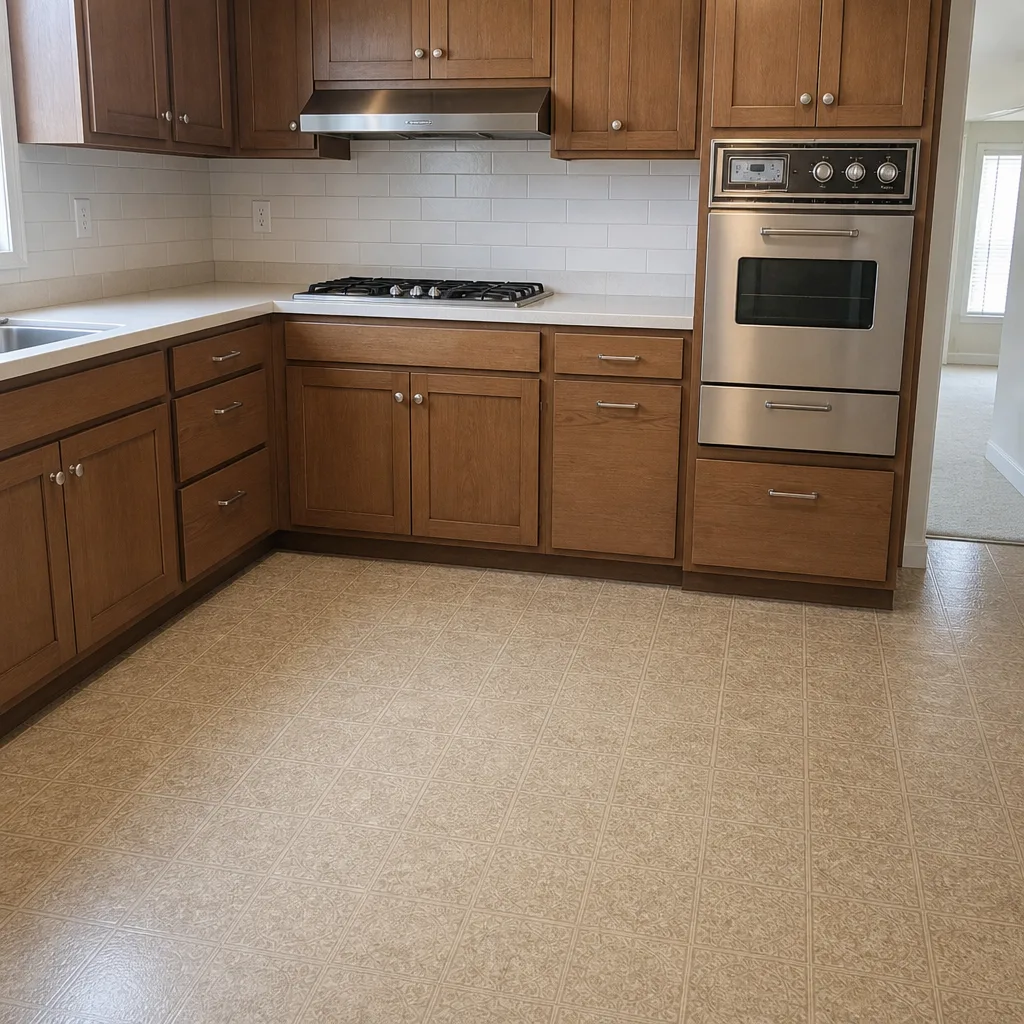
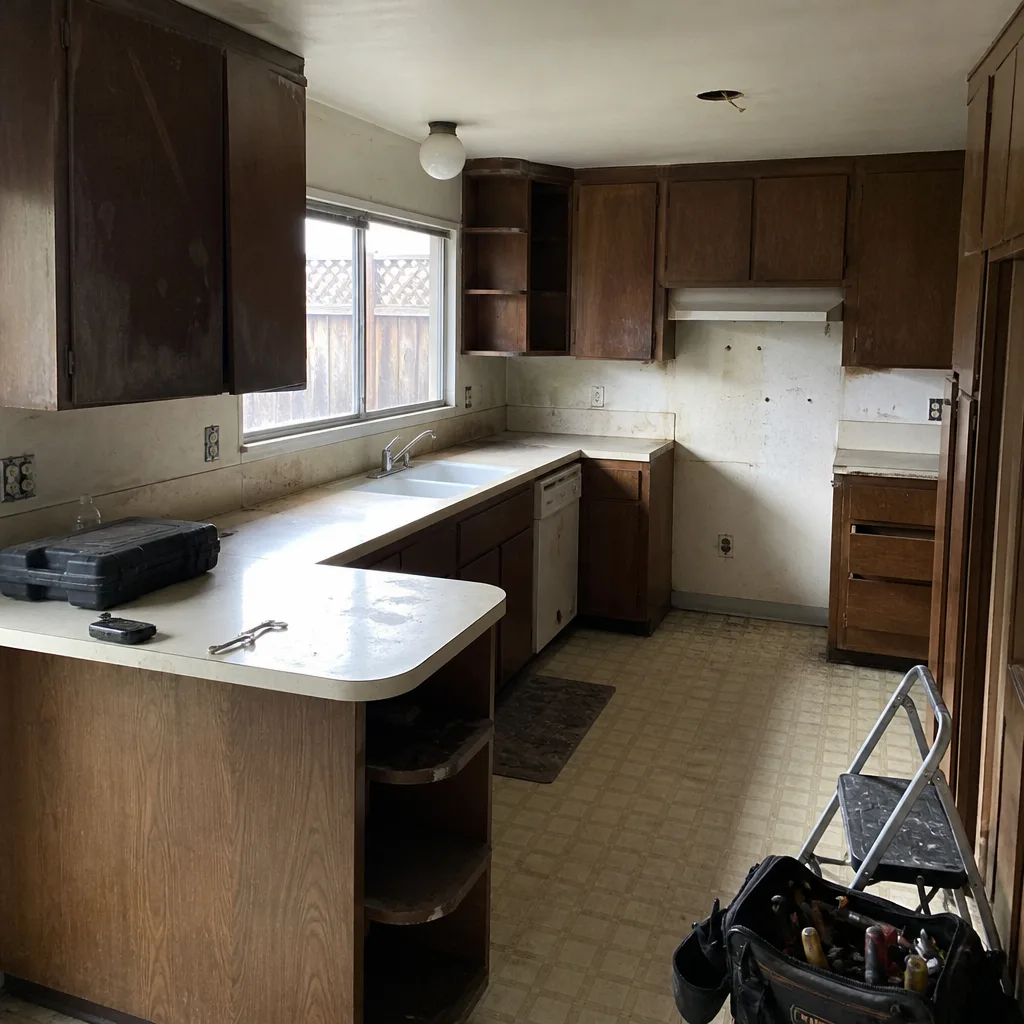
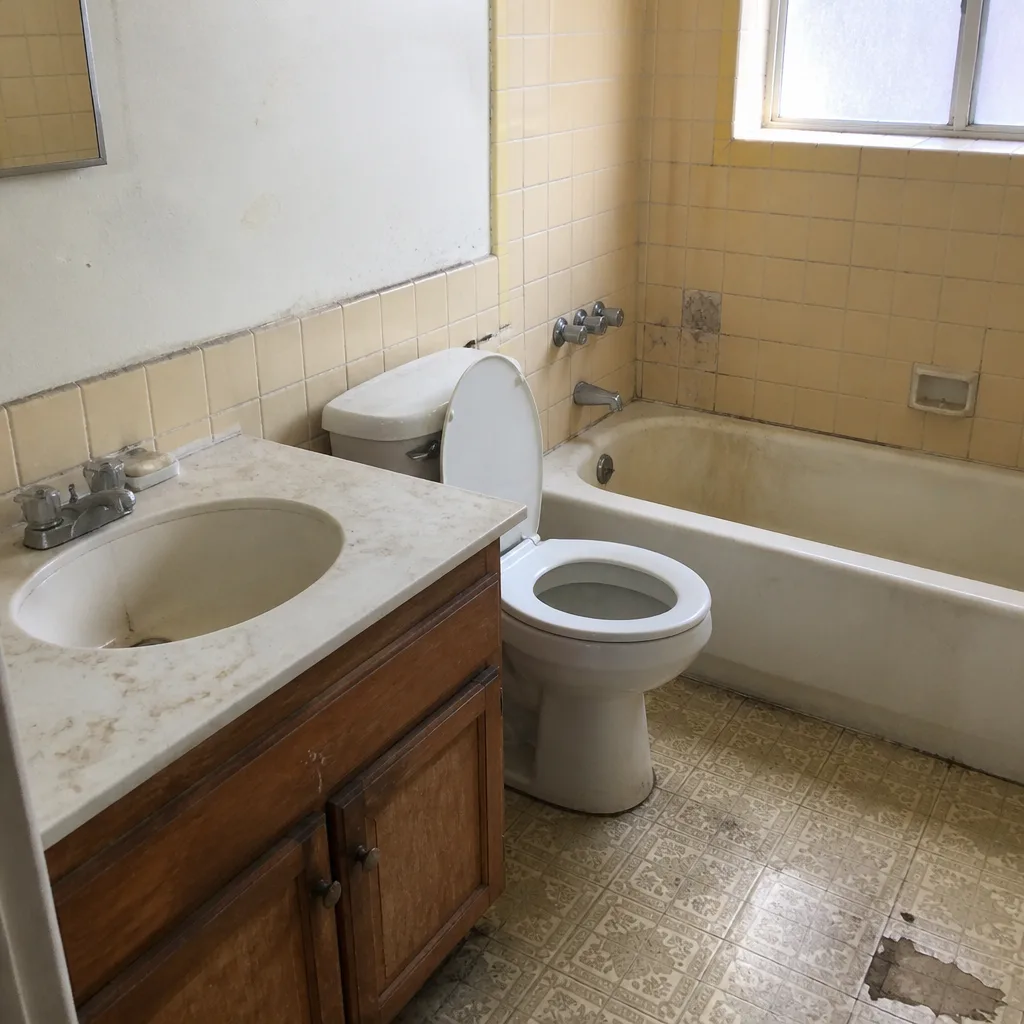
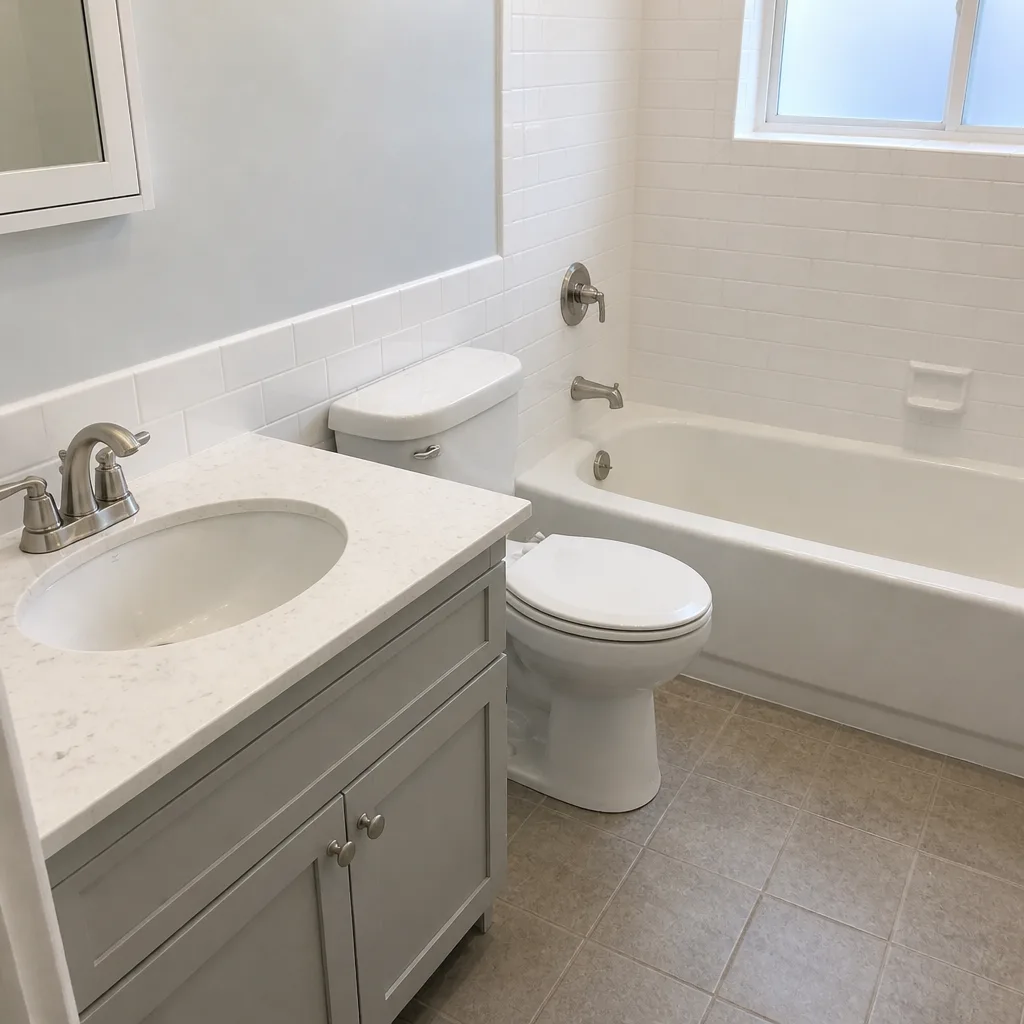
See the difference
 Before
 After
 Before
 After
 Before
 After
When to Call a Professional
Some warning signs you can read in the bid. Others require a trained eye on the ground. Call a professional when a contractor has already walked off the job, when a fence is leaning after a windy winter, when a gate post is visibly pulling out of concrete, when you can’t find a permit record for a fence the previous owner installed, or when a neighbor’s survey shows the fence line sits over the property boundary. Utility line locations and post depth are also worth a professional verification on any fence within 10 feet of a known gas or water main. Rowan Construction Group Fremont offers free estimates in Fremont, and every written price is backed by a written scope and a 365-Day Done Right Promise. Call (866) 797-6171 to schedule yours.
Frequently Asked Questions
A Fremont residential fence permit usually runs about $50 to $150 depending on fence height, length, and whether the property is on a corner. That’s a small line item on a bid and a very large problem when it’s skipped, because unpermitted fences can require demolition at the homeowner’s expense. Call (866) 797-6171 for a written estimate that itemizes the permit.
One-third of the post length above grade – so a 6-foot fence needs posts set at least 24 inches deep, even in California’s mild climate. The driver here isn’t frost; it’s wind load and Fremont’s clay-heavy soil, which moves with the seasons and will tip a shallow post within a few years. Confirm the depth with a tape measure before concrete is poured.
Up to 40% is at the top of the standard range; anything above it before materials land on site is outside industry norms. A typical schedule is 10-30% at signing, a second payment on material delivery, and the balance after final walk-through. Call (866) 797-6171 for a written payment schedule alongside the quote.
A bid is a binding price with a written scope; an estimate is a guess. If the document in front of you names no species, grade, fastener type, or concrete spec, it’s an estimate dressed up as a bid. Ask for the specification, then ask for the line items that back it up.
Yes – any contractor digging post holes is legally required to call 811 before excavation. Skipping that call risks natural gas, water, and electrical lines. Ask your contractor for the 811 ticket number on the first day; a professional will have it in hand.
You can’t once concrete has cured – the only reliable proof is photo documentation taken before backfill. Ask for photos of each post hole next to a tape measure, or a marked-up site plan. Without that, you’re relying on memory and trust. Call (866) 797-6171 to see what documentation we deliver as standard on every fence visit.
The Bottom Line
Most fence installation failures are visible before the first board goes up. A vague bid, an oversized deposit, a skipped permit, a shallow post hole, and a day-one crew that doesn’t walk the property line – those five items predict nearly every expensive problem a homeowner will face. The good news is that all five are checkable in a single afternoon: read the bid item by item, compare the deposit to industry norms, ask for the permit number, watch the tape measure on the post holes, and confirm 811 was called. Our Home Additions & ADU in Fremont team applies the same written-scope discipline to fences and outbuildings, and our crews bring up to 19 years of experience across materials like Boral and PGT. Every written rowan price ships with a 365-Day Done Right Promise, a written scope, and a documented photo record on every visit.
Ready for a written price on your fence – with every line item specified before the first post goes in the ground? Call Rowan Construction Group Fremont at (866) 797-6171 for a free estimate. Bring a competitor’s quote if you have one; we’ll review it line by line at no charge and tell you what’s missing.
Written by the team at Rowan Construction Group Fremont.