Last updated November 17, 2026


Free written scope consultation - allowances, timeline, and change-order rules on paper before a single trade is scheduled
How to Hire a Construction Contractor in Fremont: A Step-by-Step Guide
California’s CSLB database shows the license status of every contractor in the state in under 30 seconds, yet most homeowners never open it. In 2023, the CSLB took action against over 1,400 unlicensed operators in California, many of whom had already collected deposits. That gap between what’s checkable and what actually gets checked is where most hiring mistakes start. This guide walks Fremont homeowners through a documented vetting sequence: license lookup, insurance certificates, apples-to-apples bids, and the one contract clause that predicts whether your final cost matches the signed number.
Quick Answer
To hire a construction contractor in Fremont, verify their CSLB license number, bond, and workers’ compensation coverage before the first meeting, insist on a written scope with material brands and grades, and require a signed change order before any work proceeds on a change. Contracts that include all three items finish closest to the agreed price.
Styles & brands we work with
- Kitchen remodeling
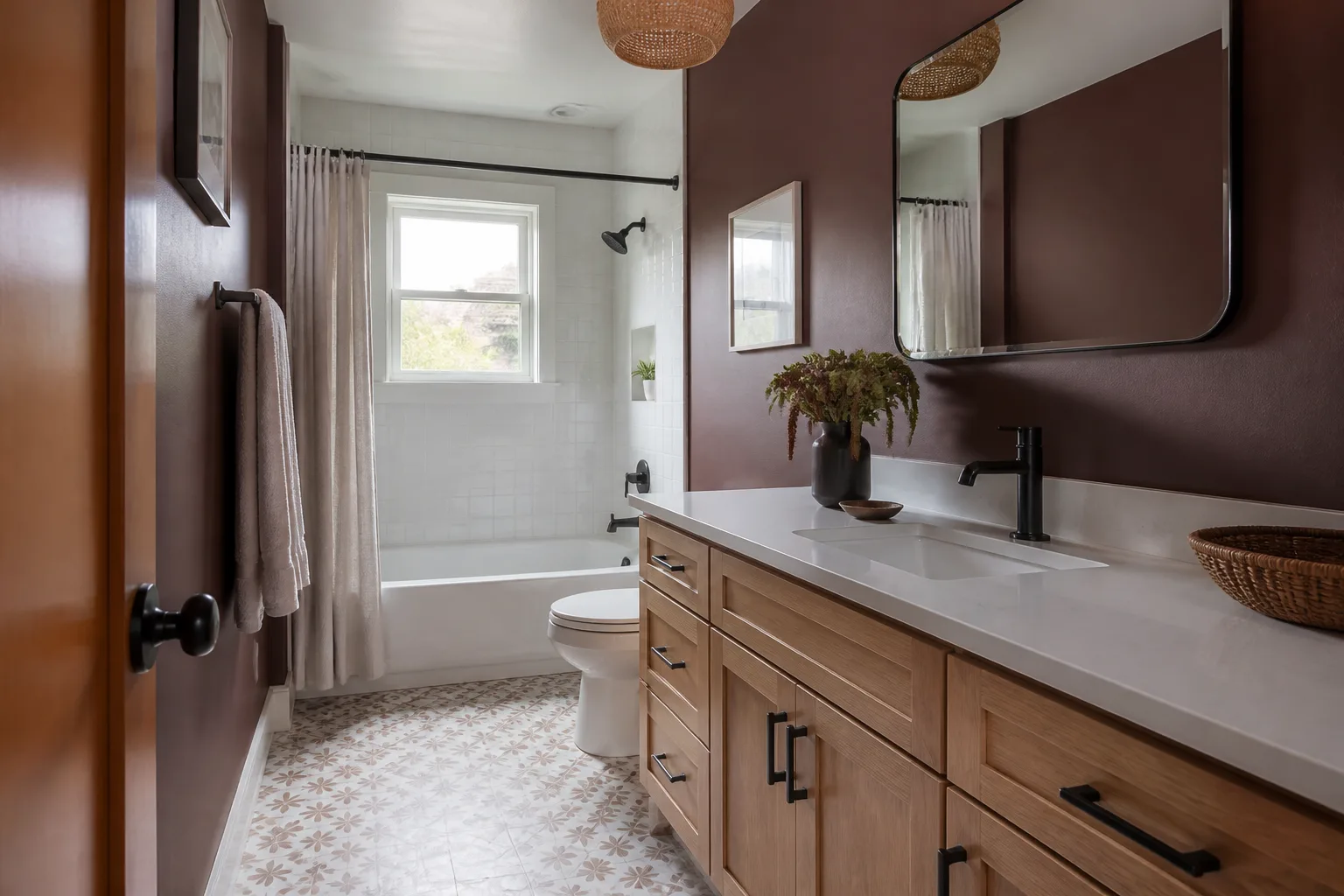
- Bathroom remodeling
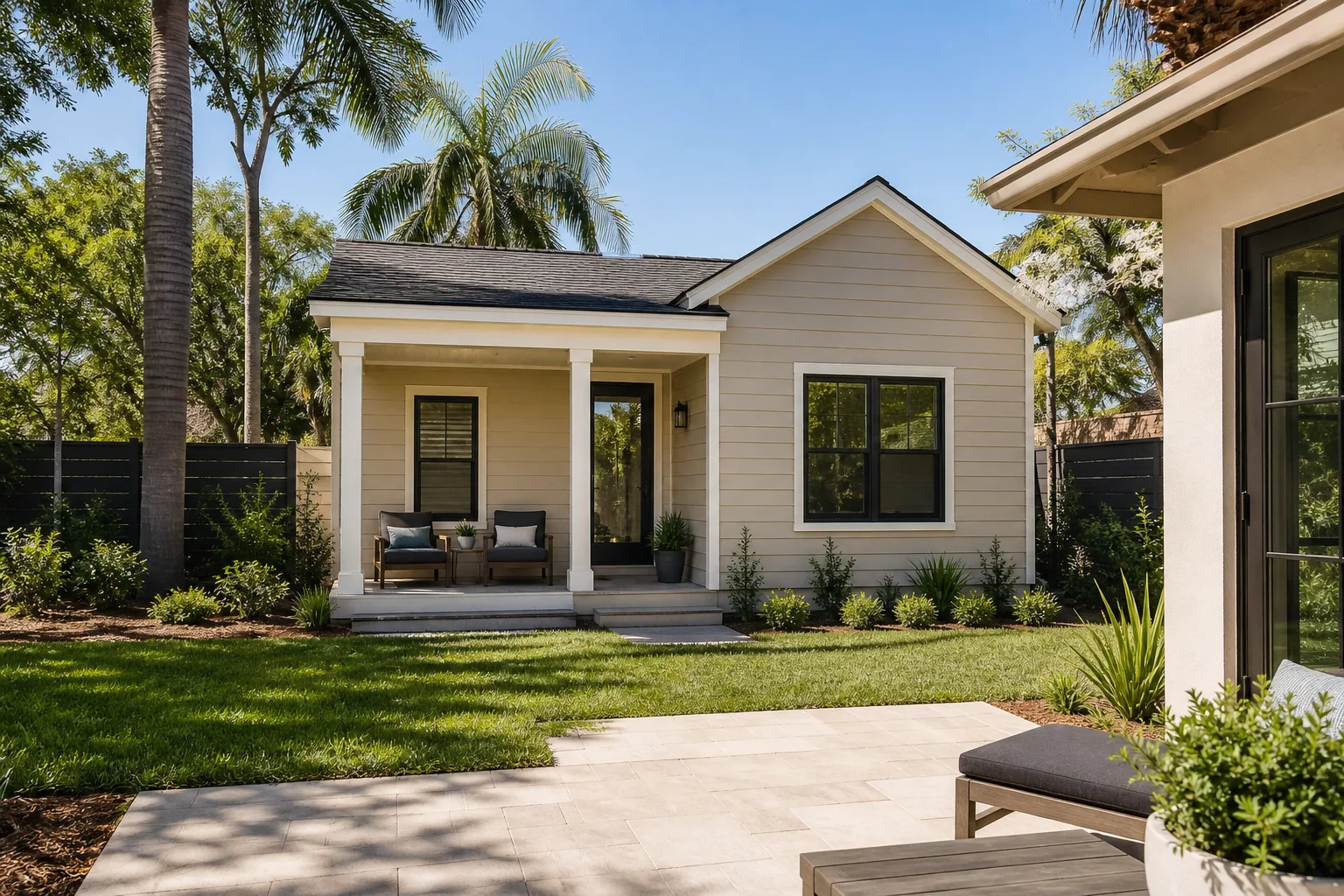
- Home additions & ADU
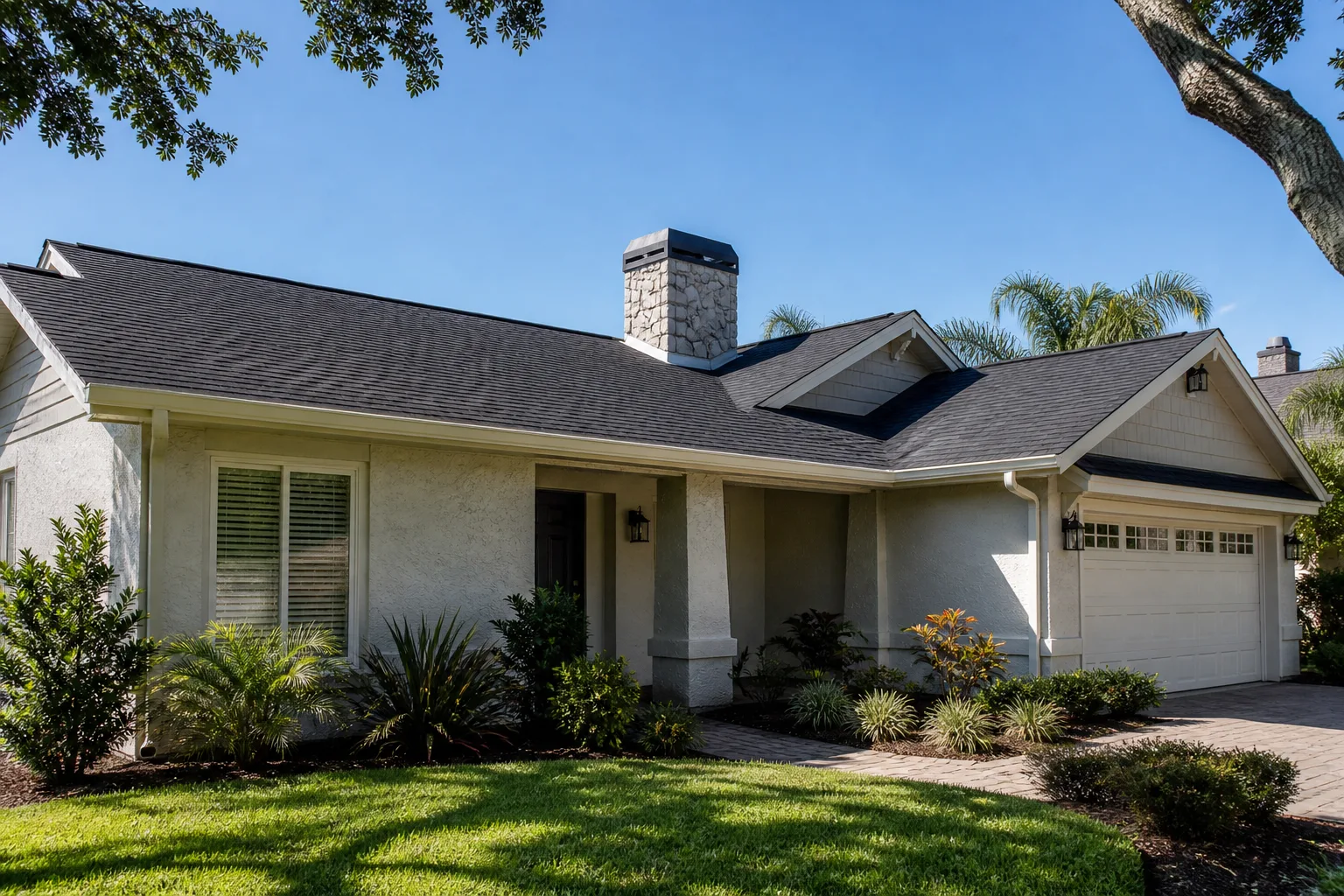
- Roofing
- Windows & doors
- Driveway & pavers
- Fence
Table of Contents
- Step 1: Verify the License and Insurance Before You Meet
- Step 2: Read Bids Apples-to-Apples
- Step 3: Make Signed Change Orders a Dealbreaker
- Red Flags Specific to Fremont’s Market
- How to Run Reference Calls That Tell You Something
- Fremont Permits and Code Checks That Matter
- Questions to Ask Before You Sign
- Common Mistakes to Avoid
Step 1: Verify the License and Insurance Before You Meet
Before a contractor sets foot on your property, spend ten minutes on the Contractors State License Board site at cslb.ca.gov. Type the license number into the “Check a License” tool. Four fields matter.
- License status. “Active” is the only green light. “Expired,” “suspended,” or “revoked” means walk away, no matter how smooth the sales pitch was.
- Classification. A general building contractor holds a B license. Specialty trades hold C licenses. If someone is bidding a full home addition under a C-33 painting license, that’s a paperwork problem you don’t want to inherit.
- Bond. California requires a $25,000 contractor bond as of 2023. The CSLB record shows whether the bond is current. A lapsed bond tells you the contractor has been cutting corners on the boring stuff, which means the interesting stuff is likely worse.
- Workers’ compensation. If the contractor has employees and no workers’ comp certificate on file, you can be held liable for a job-site injury. Ask for the certificate of insurance directly and call the carrier to confirm it’s active.
In our experience reviewing competitor estimates during free second-opinion walkthroughs, this single step eliminates roughly a third of the bids Fremont homeowners bring us. That’s not a sales pitch; it’s a pattern across thousands of quotes over the years.
Step 2: Read Bids Apples-to-Apples
Two bids for the same kitchen gut in Centerville can differ by $30,000 and neither one is wrong. They’re just scoped differently. The fix is a written scope with line items you can compare.
A comparable bid must contain five things in writing:
- Material specs with brand and grade. “Cabinets” is meaningless. “KraftMaid recessed-panel maple, natural finish” is a number you can price-check. Same with “quartz countertops” versus “Cambria Britannica 3cm with eased edge.”
- Subcontractor names. Who’s pulling the electrical permit, who’s doing the plumbing rough-in? If the general contractor will be subcontracting a trade, the subs should be listed with their license numbers.
- Payment schedule tied to milestones. Deposits over 10% are a CSLB violation on home improvement contracts in California. Payments should track real milestones: demolition complete, rough-in inspected, drywall hung, finish complete.
- Permit responsibility. Is the contractor pulling the permit, or are you? This matters far more than most homeowners realize – see the Fremont red flags below.
- Written warranty terms. Labor warranty, product warranty, and what specifically voids each. “Standard warranty” is not an answer.
If any bid you receive is missing more than two of these, ask for a rewritten version before you compare a single dollar figure. The number at the bottom only means something if the scope above it does.
Step 3: Make Signed Change Orders a Dealbreaker
If you take one thing from this guide, take this one: the single clause that most reliably predicts whether your final cost matches the bid is a signed change order requirement.
Here’s how it works. During the project, something will come up. A hidden water-damaged subfloor under the bathroom tile. An electrical run that doesn’t meet current code. A homeowner deciding mid-build that the island should be two feet longer. The contractor has two ways to handle that: verbal “we’ll figure it out at the end,” or a written change order with a cost, a scope, and a signature before anyone touches a tool.
The first approach is how a $60,000 bathroom becomes an $85,000 bathroom with no paper trail. The second approach is the discipline that keeps projects within a few percent of the agreed price. We built our entire pricing process around this – under Clause 1 of the Haven Standard, no work proceeds on a change until the change order is signed. That’s why we can offer no-hassle upfront pricing across all seven trades we run, from Rowan Construction Group Fremont home remodels to full additions. A contractor who resists signing change orders before starting work is telling you something about how the project will end.
Ask your contractor, in the first meeting: “If a change comes up mid-project, what’s the process?” If the answer doesn’t include the words “signed change order,” keep looking.
Red Flags Specific to Fremont’s Market
Fremont’s construction market has characteristics you won’t find in every Bay Area city. Knowing these specific patterns saves real money.
- Contractors who insist on pulling permits in your name. This is the biggest one. Under California law, when you pull the permit as owner-builder, you take on the liability that a licensed contractor would otherwise carry. It’s not always a scam – some owners genuinely want to permit their own work – but if a contractor suggests it to avoid their own responsibility, that’s disqualifying.
- Bids submitted without a site visit. Fremont has wide variation in substrate and lot conditions. A 1950s ranch in Irvington, a 1990s build in Ardenwood, and a new-construction townhome in Warm Springs have completely different conditions under the surface. Anyone who quotes a major remodel from photos alone is guessing, and you’ll pay for the guess.
- Lump-sum proposals with no material breakdown. “We’ll do the whole kitchen for $75,000, materials included” is a price without a scope. There is no way to compare it to any other bid, and no way to hold the contractor to a material grade. Push for line items.
- Deposits over 10%. California caps home improvement deposits at 10% of the contract price or $1,000, whichever is less, or 10% plus the cost of special-order materials. A contractor asking for 40% up front to “secure the schedule” is breaking the law before the first day.
- No written photo record offer. A modern contractor photographs the work as it progresses, and shares those photos with the homeowner. If your contractor can’t describe what documentation you’ll receive at the end, ask why not.
We’ve walked into too many second-opinion appointments in Fremont where the previous contractor’s “quote” was a number texted from a phone. Those estimates get reviewed line by line at no charge through our Free Second Opinion offer because the fastest way to compare is side by side.
How to Run Reference Calls That Tell You Something
“Were you happy?” gets you a polite yes from almost everyone. Real information comes from four specific questions. Call three references minimum, and ask each one exactly this:
- “What was the final cost versus the signed contract?” This is the single most predictive question. A homeowner who says “it was within two percent of what we signed” is telling you the contractor runs a tight change-order process. A homeowner who says “we ended up about thirty percent over” is telling you the opposite.
- “Was every change documented?” Follow up with: “Did you sign a written change order before the additional work started?” If the answer is “not always” or “we mostly handled it verbally,” that’s the pattern you’ll inherit.
- “Did they pull the permits?” And then: “Did the inspections pass on schedule?” A contractor who’s comfortable with the permit process rarely has inspection surprises.
- “How was the punch list handled?” Every project has one. What matters is whether the contractor came back and finished it, or whether it took three months of phone calls.
That last question is where the 365-Day Done Right Promise matters. Our guarantee is printed on every page of our contracts because if something isn’t right within the year, we come back. Ask any contractor how they handle a callback on day 300, and listen carefully to whether the answer is a policy or a shrug.
Fremont Permits and Code Checks That Matter
Fremont’s permitting runs through the city’s online portal, and turnaround varies significantly by project type. A roofing permit moves fast; a home addition or ADU takes longer and involves more review. On additions, plan check often surfaces Title 24 energy compliance issues, setback questions relative to your specific lot, and – for hillside or East Bay properties – geotechnical review.
For homeowners considering an ADU, prefab builders like Abodu and Mighty Buildings have streamlined the process considerably where their units fit the site. But even with prefab, the site work – foundation, utilities, connection to the main structure – is typically delivered by a licensed contractor. That contractor still needs to be licensed, bonded, and insured. Ask specifically who’s pulling the permit on the prefab delivery and who’s carrying the liability during installation.
On exterior work, Fremont’s climate matters. We get roughly 15 inches of rain, mostly between November and March, and the ground moves with our clay-heavy soils in the hills. A fence installation or paver driveway that skips proper subsurface prep is a fence that leans by spring and a driveway that cracks after two winters. When you get bids on Fence Installation in Fremont or Driveway & Pavers in Fremont, ask what the contractor does for base prep specifically. If they can’t describe inches of compacted base over geotextile fabric, they’re skipping a step you’ll pay for later.
For larger projects – additions, ADUs, full-home remodels – the permitting sequence is where a documented contractor earns their fee. Review our guide to Home Additions & ADU in Fremont for the specific scope of what a modern addition includes and what your contractor should be handling during plan check.
Questions to Ask Before You Sign
Five questions, in this order, in the meeting before you sign. A good contractor answers all of them without flinching.
- “Can you show me your CSLB license number and current bond certificate?” Before they answer, you should have already looked them up.
- “Will my project have a written photo record?” Not every contractor offers this. It’s a fair ask, and the answer tells you how they document their own work.
- “What is your change order process?” Listen for “signed” and “before work starts.” If either word is missing, ask again.
- “Who pulls the permit, and are you carrying the liability?” If the answer is “you’ll pull it as owner-builder,” ask why, and if the reason isn’t “you asked me to,” walk.
- “What’s the written warranty, and what’s excluded?” Get it in writing, in the contract, not in a brochure.
When you have a written quote from another contractor and want a line-by-line read, we do that at no charge. There’s nothing on the market that prices a project more honestly than a second set of eyes on the numbers.
Common Mistakes to Avoid
- Skipping the CSLB check because the contractor was friendly. Friendly contractors do unlicensed work in Fremont every week. Look up the license number even when everything feels right – especially then.
- Comparing bottom-line prices without comparing the scope above them. A $20,000 bid difference usually means a $40,000 scope difference. Read the line items before you read the total.
- Letting the deposit exceed the legal cap. California’s 10% rule exists because too many deposits have disappeared. If you’re asked for more up front, ask for a revised payment schedule.
- Allowing the contractor to pull permits in your name. This transfers the liability onto you. Owners in Niles and Mission San Jose have found this out the hard way at resale when the unpermitted work surfaces in a title report.
- Accepting verbal change orders. Every undocumented change is a negotiation waiting to happen at the end of the project. Written, signed, before work starts. Always.
- Not asking for the reference call specifics. “Were you happy?” gets you a yes. “Was the final cost within a few percent of the signed contract?” gets you the truth.
- Hiring for enthusiasm rather than documentation. A contractor’s energy on the sales call tells you nothing about whether they’ll show up for the punch list. The photo record, the signed change orders, and the written warranty tell you everything.
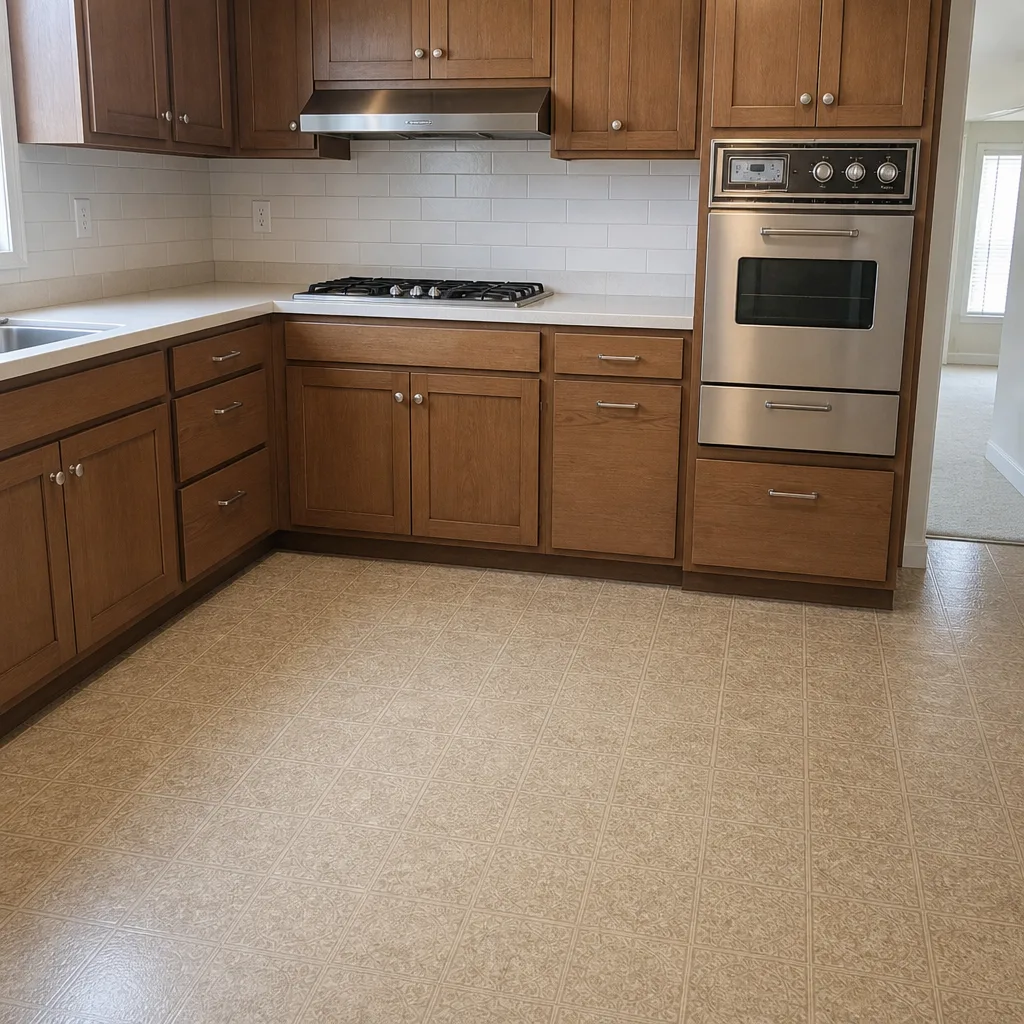
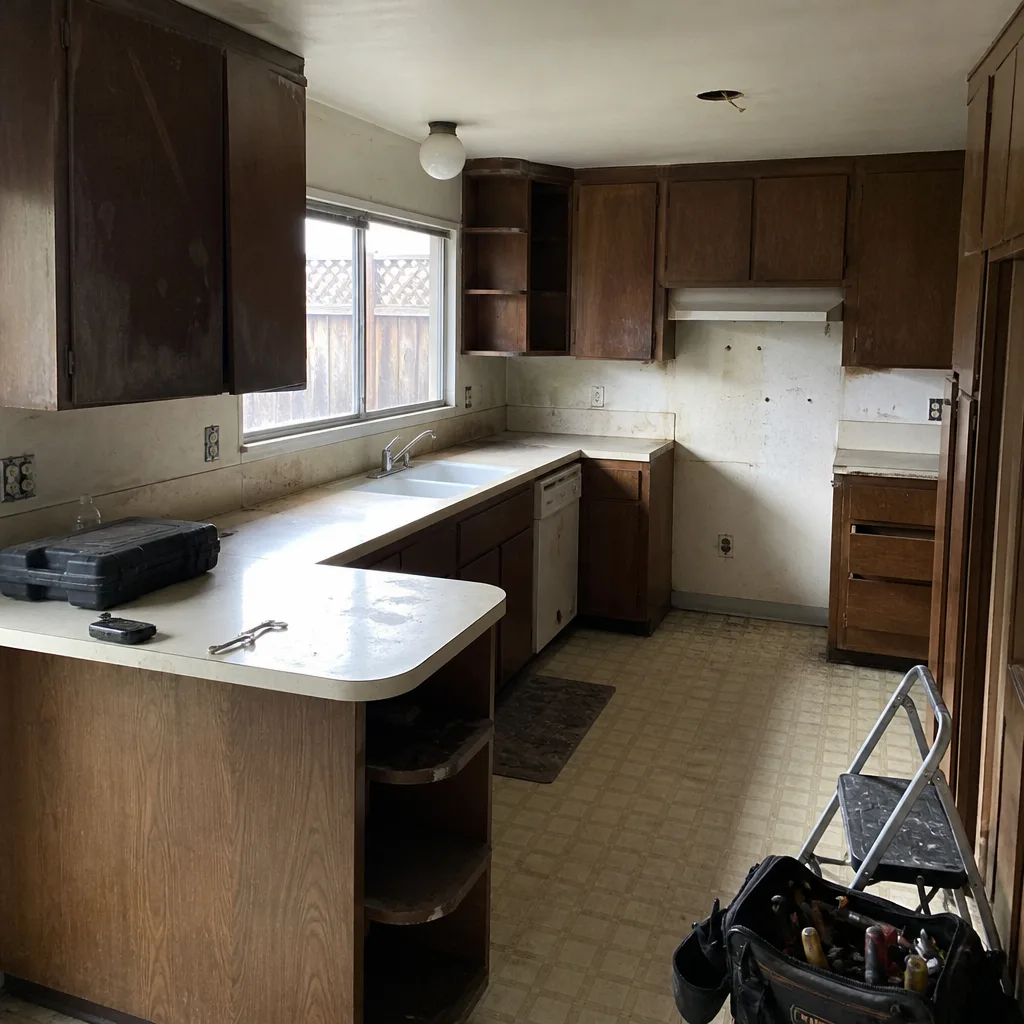
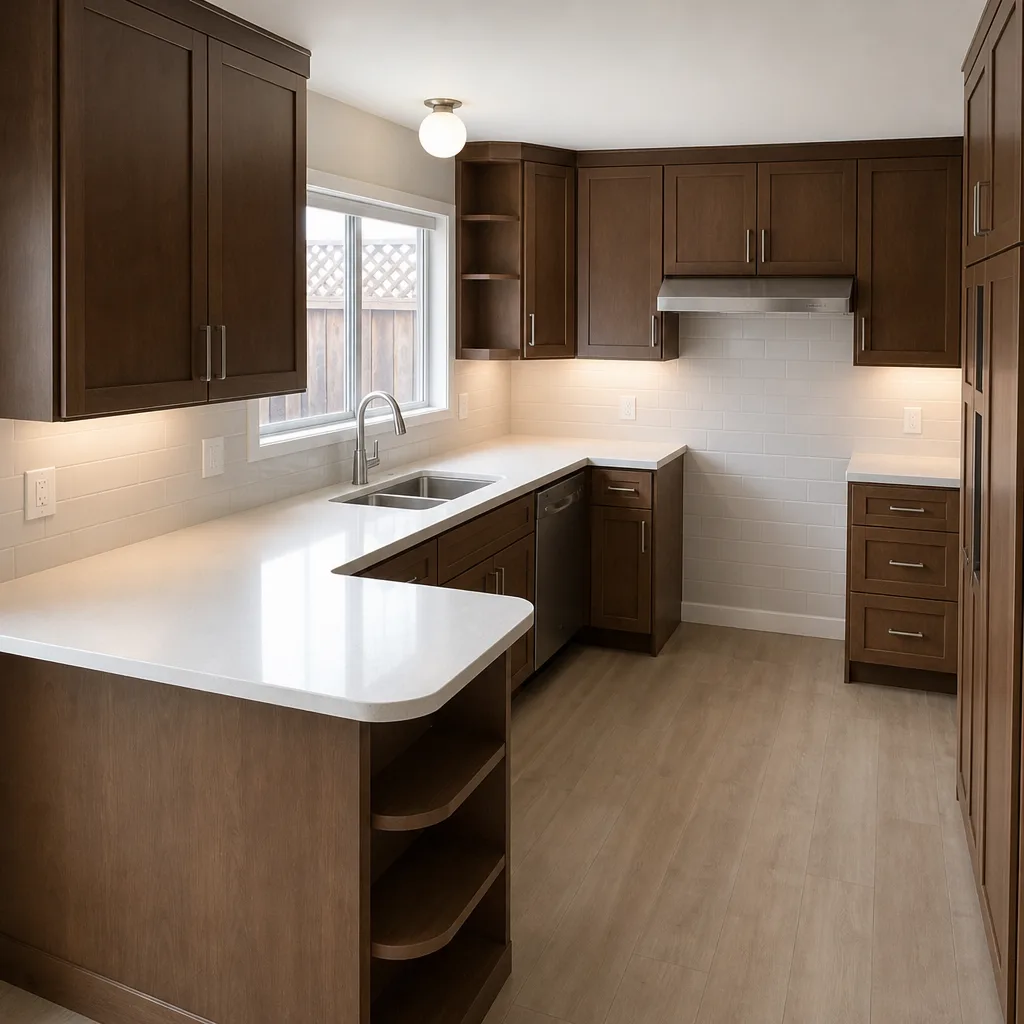
See the difference
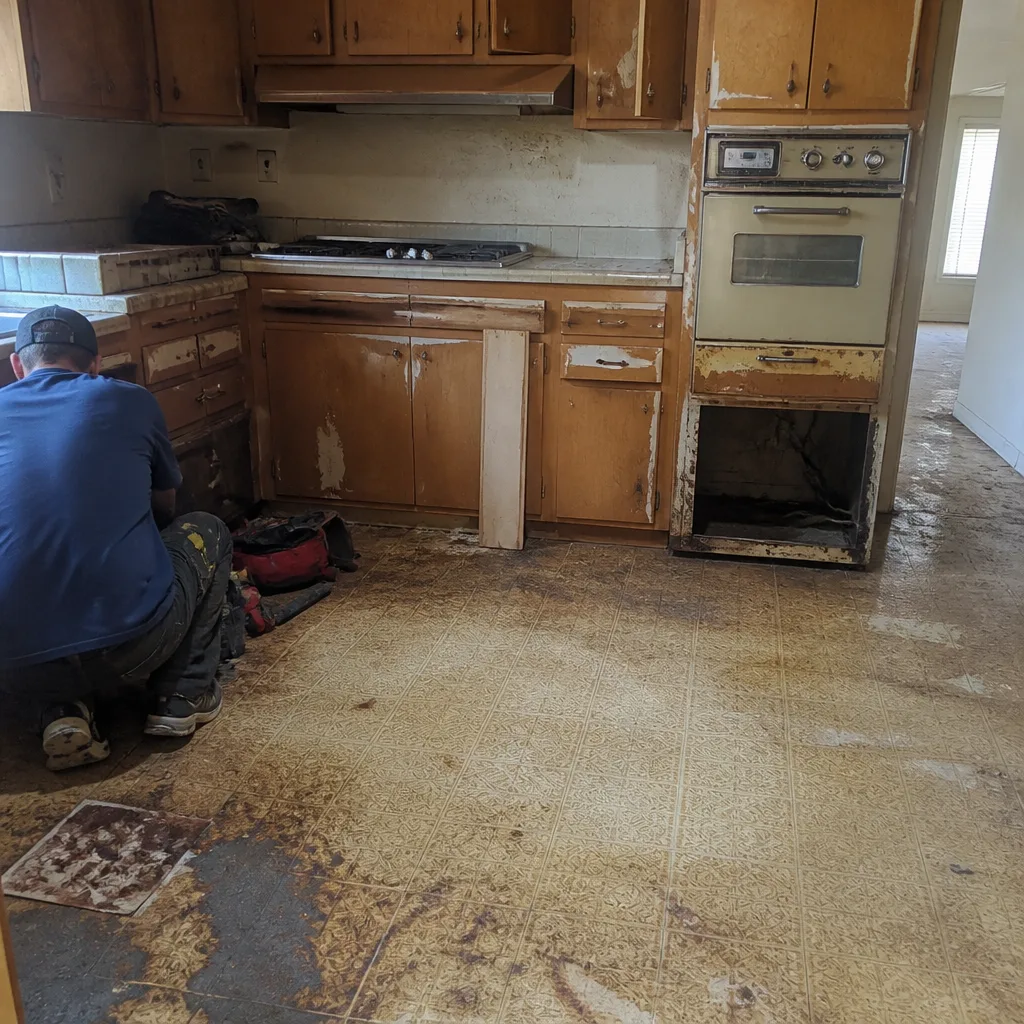 Before
 After
 Before
 After
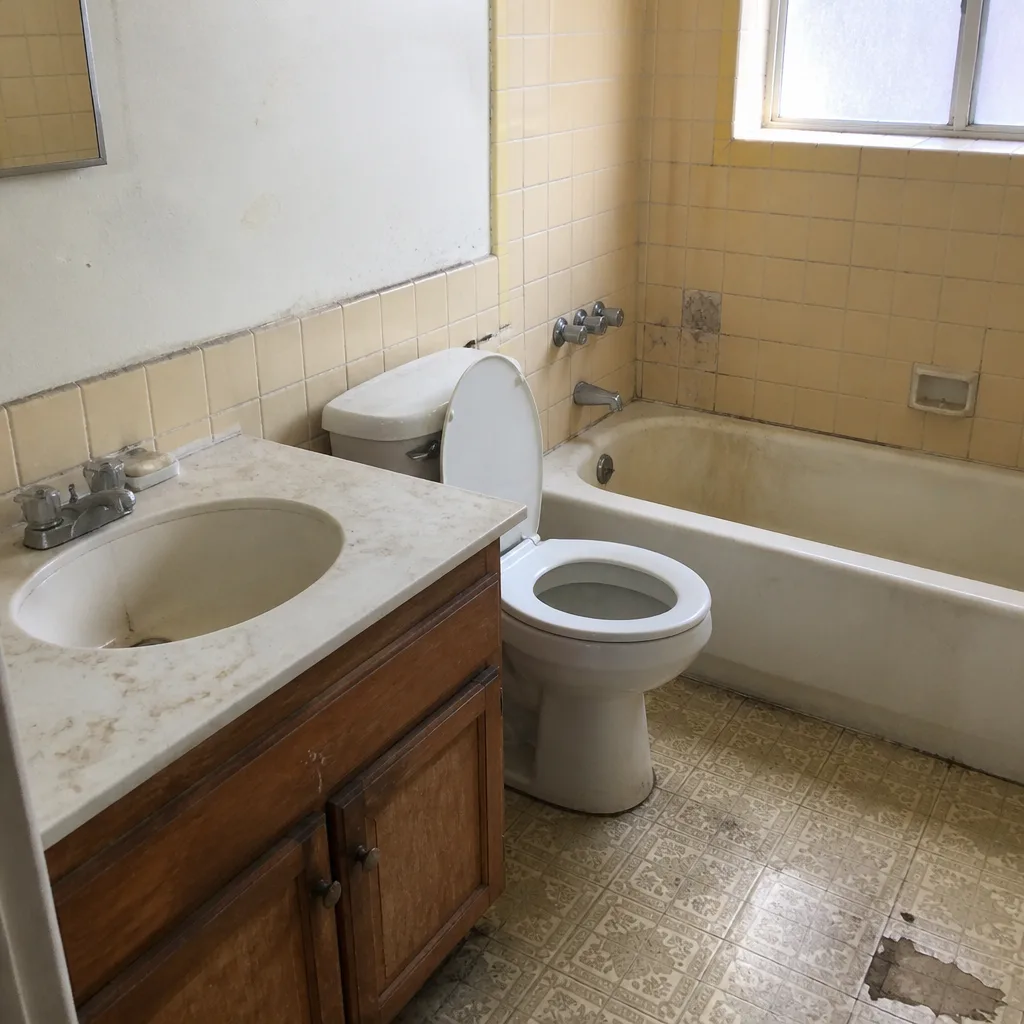 Before
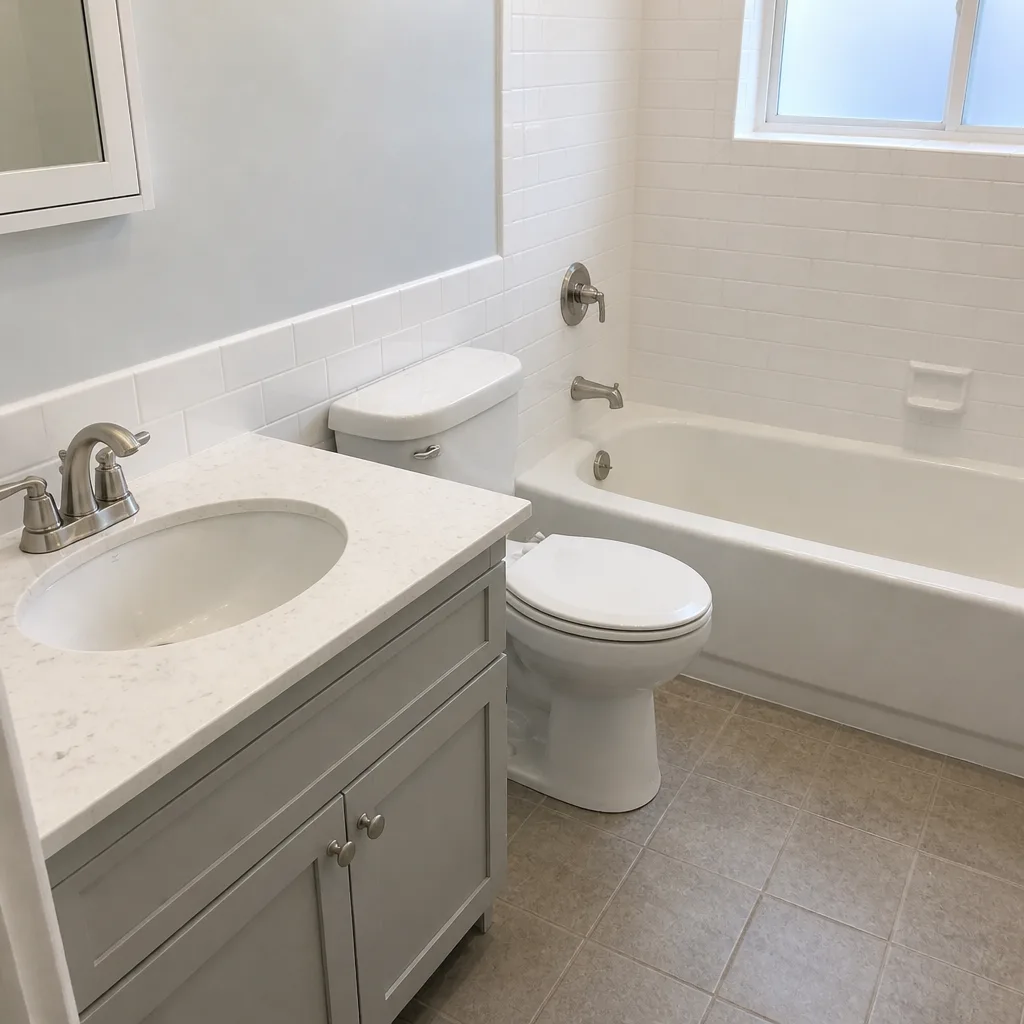 After
When to Call a Professional
Some work is genuinely DIY territory. Swapping a faucet, painting a bedroom, hanging a shelf – go ahead. But several jobs in a Fremont home carry risk that a homeowner shouldn’t accept. Anything involving the electrical panel or new circuits needs a licensed electrician and a permit. Gas line work falls in the same category. Roof work at height, especially on two-story homes in the Irvington or Mission foothills, is where falls happen. Structural work – removing a wall, opening a load path – needs engineering and a permit. And any addition, ADU, or full remodel is a project where the sequence of trades matters more than the sum of the parts. Rowan Construction Group Fremont offers free estimates on any of these – call (866) 797-6171 to schedule one. Written price, written scope, before anyone picks up a tool.
Frequently Asked Questions
Contractor fees in Fremont typically run 15-25% above the direct cost of labor and materials on a full remodel, though on smaller jobs a flat fee structure is common. A mid-range kitchen remodel in Fremont runs $65,000-$110,000 all-in, a bathroom $22,000-$45,000, and a full addition or ADU substantially more depending on scope and site conditions. Call (866) 797-6171 for an exact written quote – estimates are free.
The CSLB license check matters because it’s the only independent source verifying that your contractor is legally allowed to work in California, carries a current $25,000 bond, and has workers’ comp on file. An unlicensed operator can disappear with your deposit and leave you without recourse. The check takes under 30 seconds at cslb.ca.gov and is the first thing to do before any contractor visits.
A signed change order protects you from the most common cause of cost overruns: verbal changes that get billed at the end of the project as a lump surprise. When every change has a written cost and your signature before work starts, your final invoice stays within a few percent of the signed contract. That’s the discipline that turns a bid into a real price.
The contractor pulls the permits as a standard practice. When a homeowner pulls the permit as owner-builder, they take on the liability a licensed contractor would otherwise carry. That includes inspection failures, code issues discovered at resale, and in some cases the inability to sell the home without remediation. Always ask who pulls the permit before signing.
A bathroom remodel in Fremont typically takes 4-7 weeks from demo to final inspection, a kitchen 8-14 weeks, and an addition or ADU 5-9 months depending on permit plan check timing. Fremont’s permitting turnaround varies by project type, and pre-approved ADU plans can shorten the front end considerably. Your written scope should include a realistic schedule, not a best-case one.
The price changes only when a signed change order exists. Under a proper change order process, no work proceeds on any change – material upgrade, added scope, hidden condition found during demo – until the change is documented and signed. If your contractor keeps the number stable without documentation, that’s usually because they plan to reconcile at the end. Written price before work starts, signed change orders throughout – that’s the pattern to look for.
The Bottom Line
Hiring a contractor in Fremont comes down to three verifiable steps. Check the CSLB license, bond, and workers’ comp before you meet. Compare bids line by line, not price to price. And make signed change orders a dealbreaker in the contract – that clause, more than any other, predicts whether your final cost matches the bid. Every contractor can show you a beautiful finished photo. Show yourself a license status, a certificate of insurance, and a contract clause, and you’ll be in a much smaller, much better group of homeowners.
Rowan Construction Group Fremont brings all three – written price, written scope, signed change orders – to every project we quote. Call (866) 797-6171 for a free estimate. If you already have a written bid from another contractor, bring it. We’ll review it line by line at no charge through our Free Second Opinion.
Written by the team at Rowan Construction Group Fremont.